Hosting a playdate doesn’t have to overwhelm your schedule or your home. With thoughtful planning focused on simplicity, you can create joyful experiences where children thrive through play while you maintain your peace. This guide draws from proven strategies to streamline every aspect, ensuring lasting memories without the exhaustion.
Planning Ahead for Seamless Fun
The foundation of a successful playdate begins with smart preparation. Start by setting a clear timeframe, such as 10 a.m. to noon, to align with nap schedules and prevent overstaying. Communicate expectations upfront via text or call, mentioning if the event will be indoors, outdoors, or a mix. This sets the tone and helps other parents prepare appropriately.
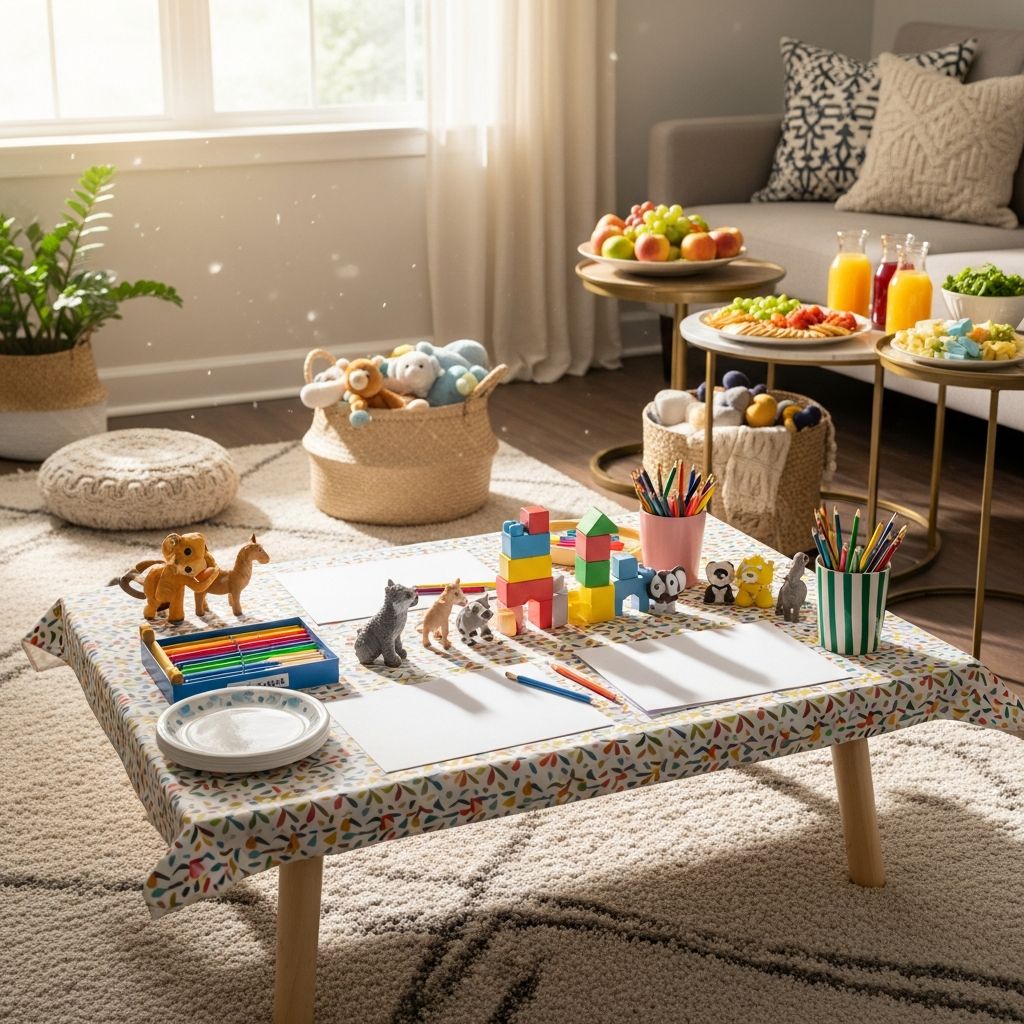
Assess your space: clear clutter by stowing away non-essential items in bins or closets. Designate a play zone with age-appropriate toys in limited quantities to avoid overwhelming choices that lead to conflicts. Rotate toys if needed to keep things fresh without constant intervention.
- Confirm allergies and dietary needs early.
- Prepare a backup plan for weather changes.
- Stock basic supplies like wipes, water bottles, and sunscreen.
Engaging Indoor Activities That Require Minimal Effort
Indoor playdates shine when activities promote imagination and movement without elaborate setups. Opt for unstructured play that fosters social skills and creativity, as children naturally entertain each other when given space.
Create a cozy fort-building station using blankets, pillows, and chairs. Kids can engineer their dream hideouts, sparking collaborative storytelling. For added thrill, add flashlights for ‘secret missions’ inside the structures.
Dance parties offer high-energy fun: curate a playlist of 3-4 short, upbeat songs (under 3 minutes each) and incorporate freeze dances. This burns energy quickly while containing chaos to one room.
| Activity | Setup Time | Age Range | Cleanup |
|---|---|---|---|
| Fort Building | 5 mins | 3-8 | Easy (fold blankets) |
| Dance Freeze | 2 mins | 2-7 | None |
| Puppet Show | 10 mins | 4-6 | Toss bags |
Paper bag puppets encourage quiet creativity: supply plain bags, markers, and recyclables for characters. Host an impromptu theater where kids perform short skits, building confidence and narrative skills. Board games with team elements, like cooperative challenges, reduce competition and promote bonding.
Outdoor Adventures for Boundless Energy
Time outdoors reduces stress for everyone involved, enhancing mood and brain development through natural exploration. Specify ‘outdoor playdate’ in invitations so guests dress in play clothes and bring hats.
Park hopping introduces novelty: alternate visits with other parents to share driving duties. Pack essentials—water, snacks, sunscreen—and relax in the shade as kids climb and swing.
Backyard scavenger hunts captivate young explorers. Create a simple list with pictures for toddlers (e.g., red leaf, smooth rock) or words for older kids, setting boundaries for safety. This encourages observation and teamwork.
- Sprinkler fun or water balloons for cooling off.
- Sidewalk chalk art for collaborative drawings.
- Bubble stations with homemade solution for mesmerizing play.
Nature collages extend outdoor creativity: provide clipboards and collected items like leaves or twigs for glue-stick art, minimizing mess.
Simple Snack and Meal Strategies
Food should fuel fun without kitchen marathons. Embrace ‘build-your-own’ bars for picky eaters and easy assembly.
A sandwich station with croissants, deli meats, cheeses, veggies, and spreads lets kids customize. Add fruit skewers, yogurt dips, and crackers for variety. For sweets, offer peanut butter-yogurt dip with apple slices—mix 1.5 cups yogurt, 3/4 cup peanut butter, and honey.
Keep portions small and serve buffet-style on low tables. Use disposable plates for zero dishwashing. Hydration is key: fill reusable bottles and add fruit infusers for appeal.
Age-Specific Playdate Tailoring
Customize based on developmental stages for maximum engagement.
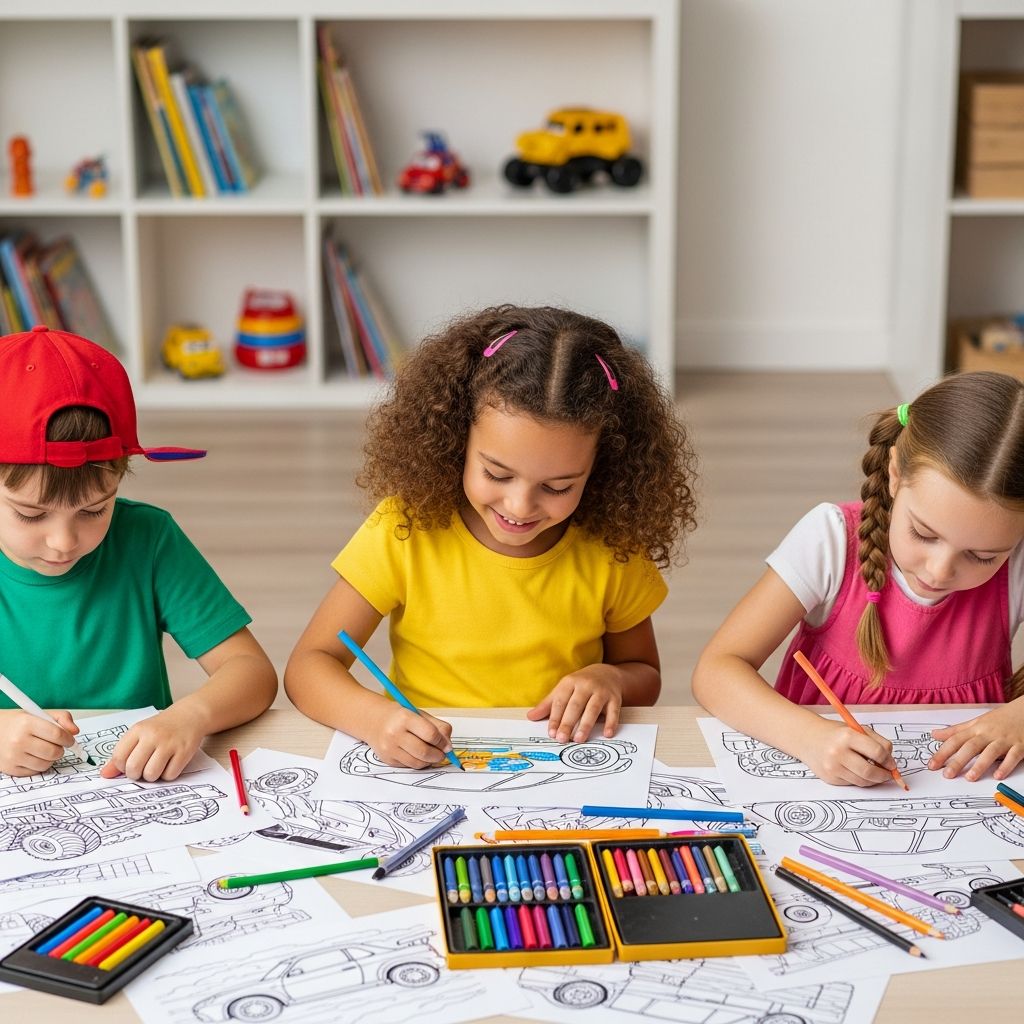
Toddlers (2-4 years): Focus on sensory play like playdough or rice bins (use trays to contain mess). Coloring stations with stickers provide calm focus. Obstacle courses mimicking animals—crawl like crabs, hop like frogs—build gross motor skills.
Preschoolers (4-6 years): Scavenger hunts, simple crafts like rock painting, or dress-up from closet items spark imagination.
School-age (6-8 years): Board games, cooking adventures (e.g., no-bake treats), or backyard camping with tents and s’mores.
Cleanup and Transition Hacks
End on a high note with built-in cleanup games: turn tidying into a race or song. Pre-sort toys into bins labeled by type for quick storage. Outdoor play naturally simplifies indoor mess.
As pickup nears, initiate wind-down with stories or quiet puzzles. Thank guests and note what worked for future invites.
Handling Common Challenges
Conflicts arise; stay neutral and redirect with choices: ‘Would you like blocks or cars?’ For special needs like anxiety, offer calming options like yoga poses or team games.
If energy lags, pivot to your ‘cheat sheet’ of go-tos posted on the fridge. Over-nighters? Limit to familiar friends and established routines.
Frequently Asked Questions
How do I keep a playdate on schedule?
Set start and end times in invites, use gentle reminders like ‘snack time soon,’ and align with routines.
What if kids won’t share toys?
Limit options and rotate items; model turn-taking without forcing.
Best snacks for allergies?
Ask ahead; default to fruits, veggies, and build-your-own to accommodate.
Indoor ideas for bad weather?
Obstacle courses, forts, dances, or games keep movement alive.
How to host multiple kids?
Group activities first, then free play; enlist older ones as helpers.
Advanced Tips for Repeat Success
Build a playdate rotation with neighborhood parents for shared hosting. Theme loosely around seasons—bubble bonanzas in summer, indoor camps in winter. Track favorites in a notes app for quick reference.
Encourage independence: let kids problem-solve minor squabbles, intervening only for safety. This builds resilience and frees you for parent chats.
For larger groups, divide into stations rotating every 20 minutes: art, active play, quiet zone. This maintains flow and prevents overload.
Post-playdate, reflect: what energized vs. drained? Adjust accordingly. Over time, hosting becomes second nature, strengthening community ties.
Playdates nurture friendships, creativity, and motor skills essential for growth. By prioritizing ease, you model balanced living for your children.
References
- Things to Do on a Playdate That Won’t Leave You Frazzled — Parents.com. N/A. https://www.pnmag.com/things-to-do-on-a-playdate-that-wont-leave-you-frazzled/
- 7 Playdate Ideas for Kids with Anxiety — Brillia. N/A. https://discoverbrillia.com/blogs/articles/7-playdate-ideas-for-kids-with-anxiety
- 10 Totally Fun and Easy Ideas for Kids Playdates This Summer — GoKid.mobi. N/A. https://gokid.mobi/10-totally-fun-and-easy-ideas-for-kids-playdates-this-summer/
- Best PlayDate Ideas For Children Ages 2-7 (No Playground Required) — AccraMommy. 2025-09-14. https://www.accramommy.com/ganyobinaa/best-playdate-ideas-for-children-ages-2-7-no-playground-required/9/14/2025
- How to host an easy, no-stress playdate — Motherly. N/A. https://www.mother.ly/life/how-to-host-an-easy-no-stress-playdate/