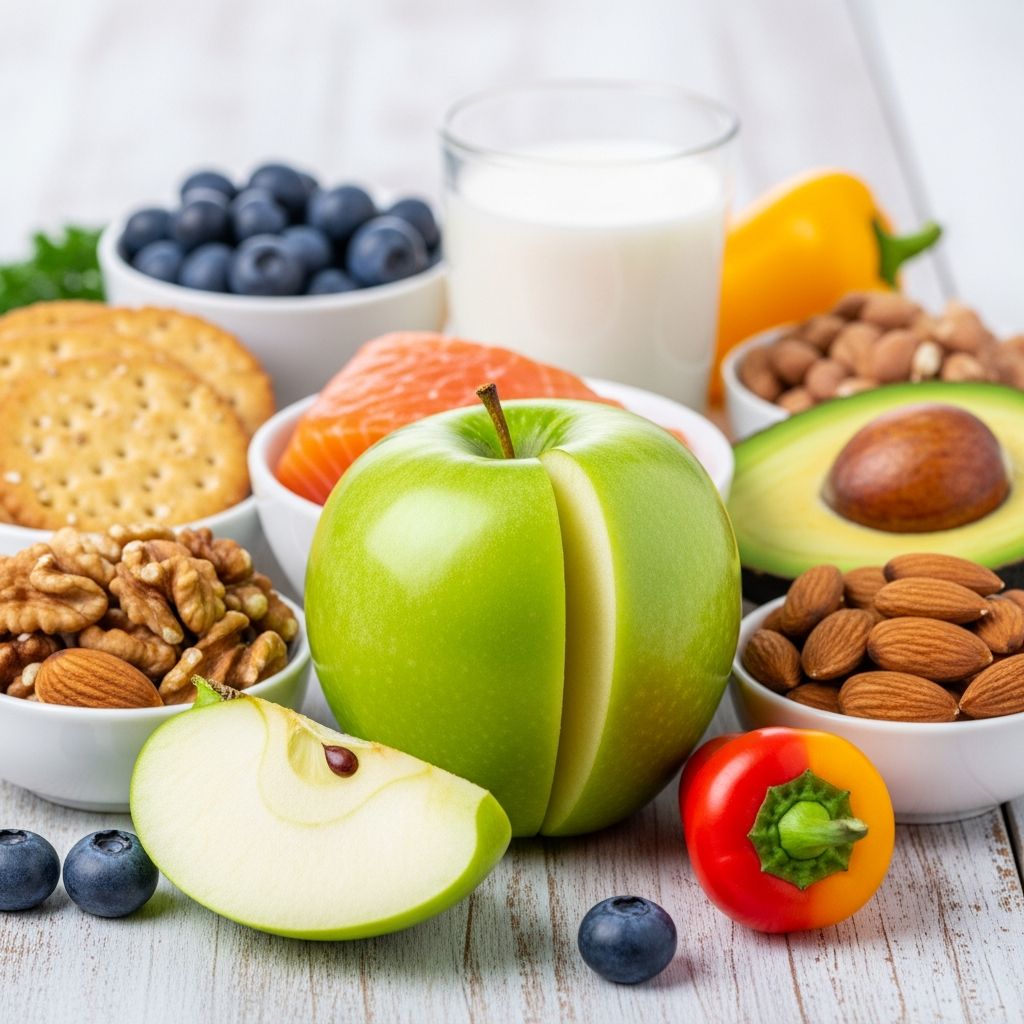
Providing children with the right nutrients is foundational to their physical, cognitive, and emotional development. From infancy through the school years, kids’ bodies undergo rapid changes that demand a steady supply of vitamins, minerals, proteins, and other building blocks. A balanced intake supports everything from bone strengthening to immune defense and brain function, helping prevent issues like stunted growth or anemia.
Why Nutrition Matters in Early Development
During the first 1,000 days of life—from conception to age two—nutrition lays the groundwork for lifelong health. Adequate intake during this window promotes proper growth and wards off chronic conditions later in life. Beyond infancy, school-aged children face growth spurts, learning demands, and active lifestyles that amplify nutritional needs. Healthy eating fuels brain development for better focus and academic success, maintains ideal weight, bolsters immunity against illnesses, and ensures strong muscles, bones, skin, teeth, and eyes.
Poor nutrition can lead to fatigue, irritability, weakened immunity, and risks like obesity or type 2 diabetes. Childhood obesity, defined as exceeding the 95th percentile on body mass index charts, has become a public health concern, underscoring the need for nutrient-dense diets over processed foods.
Building Blocks: Macronutrients for Energy and Tissue Repair
Macronutrients—proteins, carbohydrates, and fats—provide the calories and structural components children need daily. They form the base of meals from the five major food groups: fruits, vegetables, grains, proteins, and dairy.
Proteins: The Growth Engine
Proteins are vital for building muscles, organs, and tissues. They support repair after play and aid enzyme production for digestion and immunity. Children require about 13-19 grams daily, depending on age, sourced from lean meats, eggs, beans, peas, nuts, and dairy.
- Lean poultry and beef for complete proteins rich in iron.
- Beans and lentils as plant-based options for vegetarians.
- Eggs and Greek yogurt for quick, versatile boosts.
Carbohydrates: Fuel for Active Days
Carbs supply quick energy for school, sports, and play, powering the brain and muscles. Opt for complex sources like whole grains, fruits, and vegetables to sustain energy without spikes from refined sugars.
- Whole-wheat bread, oatmeal, and quinoa for steady release.
- Fruits like bananas and apples paired with peanut butter.
- Vegetables such as sweet potatoes for added fiber.
Healthy Fats: Brain and Heart Protectors
Omega-3 fatty acids, a type of healthy fat, are crucial for brain development, vision, and cardiovascular health. Found in fatty fish like salmon, flaxseeds, walnuts, and fortified eggs, they help with focus and reduce inflammation.
Micronutrients: Vitamins for Vital Functions
Vitamins act as cofactors in metabolic processes, ensuring cells function optimally. A rainbow of fruits and veggies delivers these water- and fat-soluble powerhouses.
Vitamin A: Guardian of Vision and Immunity
This vitamin maintains eyesight, skin integrity, and mucosal barriers against infections. Deficiency risks night blindness or frequent colds. Key sources include carrots, sweet potatoes, spinach, eggs, and dairy.
B Vitamins: Energy and Nerve Support
The B complex—thiamine, riboflavin, niacin, B6, B12, folate—converts food to energy, forms red blood cells, and supports neural health. Whole grains, meats, eggs, leafy greens, and beans are top sources.
Vitamin C: Healer and Antioxidant
Vitamin C boosts collagen for wound healing, enhances iron absorption, and fights oxidative stress for immune strength. Citrus fruits, strawberries, bell peppers, and tomatoes provide ample amounts.
Vitamin D: Sunshine for Strong Bones
Often called the sunshine vitamin, it regulates calcium uptake for skeletal growth. With limited sun exposure, rely on fortified milk, fatty fish, eggs, and supplements if needed.
Key Minerals: Structural and Functional Essentials
Minerals form bones, transport oxygen, and regulate fluids. They must come from diet, as the body can’t produce them.
Calcium: Bone and Tooth Builder
Peak bone growth demands high calcium—1,000-1,300 mg daily for kids. Dairy leads, but leafy greens, almonds, and fortified plant milks work for intolerances.
Iron: Oxygen Carrier
Iron prevents anemia, fatigue, and cognitive lags by enabling hemoglobin production. Red meat, poultry, seafood, beans, dried fruits, spinach, and fortified cereals deliver heme and non-heme forms.
| Mineral | Daily Need (Ages 4-8) | Top Food Sources | Benefits |
|---|---|---|---|
| Calcium | 1,000 mg | Yogurt, kale, fortified soy milk | Bone density, muscle contraction |
| Iron | 10 mg | Beef, lentils, fortified cereal | Energy, brain function |
| Zinc | 5 mg | Nuts, meat, whole grains | Immunity, growth |
| Magnesium | 130 mg | Seeds, spinach, bananas | Nerve health, energy |
Zinc and Magnesium: Immunity and Muscle Allies
Zinc aids immune cells and DNA synthesis; sources are meats, nuts, and grains. Magnesium supports over 300 reactions, including energy production, from nuts, seeds, and greens.
Fiber and Hydration: Digestive and Overall Health Heroes
Fiber promotes gut motility, prevents constipation, and stabilizes blood sugar. Aim for age +5 grams daily via fruits, veggies, whole grains, and legumes. Water is non-negotiable—six to eight cups daily for hydration, nutrient transport, and temperature control. Flavor with fruit slices if plain water bores kids.
Age-Specific Nutritional Strategies
Toddlers (1-3 Years): Building Foundations
Toddlers need soft, small-piece foods: 1 cup fruits/veggies, 3 oz grains, 2 oz protein, 2 cups dairy daily. Introduce variety to expand tastes while watching for choking hazards.
Preschoolers (3-5 Years): Habit-Forming Phase
Growth spurts mean variable appetites; offer choices within healthy limits. Prioritize calcium for bones amid play-heavy days.
School-Age (6-12 Years): Fueling Learning and Activity
Higher needs for iron, calcium, and vitamins match school demands. Pack nutrient-packed lunches: veggie wraps, fruit, yogurt.
Practical Tips for Parents: Making Nutrition Fun and Sustainable
Lead by example with family meals. Involve kids in shopping and cooking to foster interest. Use plates divided into food groups for visual balance. Limit sugary drinks and processed snacks; read labels for hidden sugars.
- Theme nights: Taco Tuesdays with lean beef and beans.
- Snack smart: Apple slices with nut butter.
- Garden together: Grow cherry tomatoes for harvesting fun.
If allergies or pickiness arise, consult pediatricians for fortified alternatives or supplements. Most kids thrive on whole foods.
Frequently Asked Questions (FAQs)
What if my child refuses vegetables?
Blend into smoothies or sauces; pair with dips. Persistence and modeling pay off over time.
Do kids need vitamin supplements?
Usually not with a varied diet, but vitamin D or iron may be advised for at-risk kids. Check with a doctor.
How much dairy is enough?
Two to three servings daily for calcium; alternatives for lactose issues.
Can too much protein harm kids?
Balanced intake is safe; excess from supplements isn’t needed.
What role does sleep play with nutrition?
Quality sleep enhances nutrient use for growth hormone release.
References
- The Right Nutrients for Our Kids — ETSU Health. 2023. https://www.etsuhealth.org/blog/pediatrics/the-right-nutrients-for-our-kids.php
- The Essential Vitamins and Nutrients for Growing Children — West Orlando Pediatrics. 2024. https://www.westorlandopediatrics.com/the-essential-vitamins-and-nutrients-for-growing-children
- Benefits of Healthy Eating for Children — CDC. 2025-01-10. https://www.cdc.gov/nutrition/php/resources/healthy-eating-benefits-for-children.html
- Importance of Good Nutrition for Young Children — Children’s Bureau. 2024. https://www.allforkids.org/news/blog/importance-of-good-nutrition-for-young-children/
- Nutritional Needs for Growing Kids — CommuniHealth Services. 2024. https://communihealth.org/nutritional-needs-for-growing-kids/
- Nutrition for kids: Guidelines for a healthy diet — Mayo Clinic. 2025. https://www.mayoclinic.org/healthy-lifestyle/childrens-health/in-depth/nutrition-for-kids/art-20049335
- Adequate Nutrition in Early Childhood — PMC – NIH. 2023-07-20. https://pmc.ncbi.nlm.nih.gov/articles/PMC10377795/
- Nutrition — HealthyChildren.org (AAP). 2025. https://www.healthychildren.org/English/healthy-living/nutrition/Pages/default.aspx