Global health crises have reshaped family life, thrusting parents into uncharted territory where home becomes school, playground, and sanctuary all at once. High-profile mothers, despite their resources, face the same core challenges as everyday families: children grappling with enforced isolation. Drawing from candid revelations by stars like Nicole Kidman, this exploration uncovers the emotional undercurrents of lockdown life for kids, offering strategies for resilience and connection.
The Emotional Weight of Isolation on Young Minds
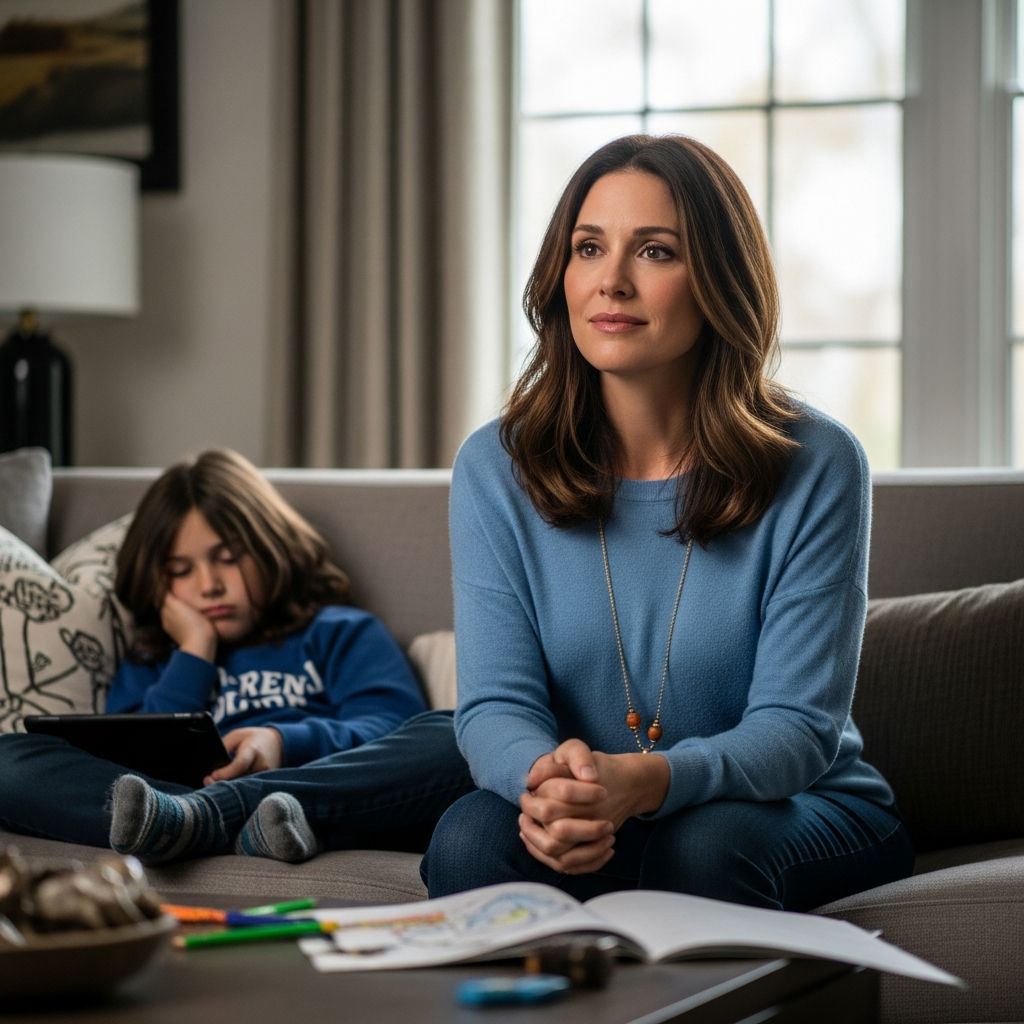
Children thrive on peer interactions, which form the bedrock of their social and emotional growth. When lockdowns severed these ties, a silent epidemic of loneliness emerged. For preteens and early schoolagers, the abrupt halt of in-person playdates, classroom banter, and recess freedom created profound voids. Parents observed heightened yearning for friends, manifesting as irritability, withdrawal, or clinginess.
Research from child psychology underscores this: prolonged separation from peers disrupts attachment formation, potentially leading to anxiety spikes. Kids aged 9 to 12, in particular, enter pivotal developmental stages where social feedback shapes identity. Without it, self-doubt festers. Celebrity anecdotes mirror these findings, humanizing the data with personal stakes.
- Sudden loss of routine amplifies uncertainty, turning structured days into endless stretches of sameness.
- Virtual hangouts, while innovative, lack the tactile joy of hugs and shared spaces, leaving emotional hunger unmet.
- Parental observation of ‘pining’ behaviors signals deeper distress, urging proactive intervention.
High-Profile Families Facing Universal Trials
Even with sprawling homes and private tutors, celebrity kids aren’t immune. Nicole Kidman shared that her daughters, navigating ages ripe for friendship-building, endured significant hardship. The 12-year-old wrestled with inaccessible peers, a frustration echoing millions of households. Her younger sibling, at 9, faced forming social bonds in a vacuum, intensifying the challenge.
Keith Urban and Kidman’s blended family, accustomed to transient lifestyles from touring, adapted remote learning before. Yet, pandemic-scale isolation proved uniquely taxing. Kidman noted watching her children process complex emotions as heart-wrenching, paralleling her own friend-longing. This vulnerability from a global icon normalizes the struggle, reminding us privilege buffers logistics but not hearts.
| Age Group | Common Challenges | Celebrity Parallel |
|---|---|---|
| 9-10 Years | Social skill development stalls | Faith Margaret’s forming phase struggles |
| 11-13 Years | Peer access barriers heighten tween angst | Sunday Rose’s friend yearning |
| Teens | Identity crises intensify sans group validation | Broader star kid reports |
Navigating Remote Learning’s Hidden Hurdles
Beyond social voids, academic shifts compounded woes. Screens replaced chalkboards, demanding self-discipline from the undisciplined. Distractions abounded: siblings squabbling, pets interrupting, or parental work calls piercing focus. For children of busy parents like musicians and actors, schedules clashed unpredictably.
Studies from educational bodies highlight plummeting engagement rates, with elementary students losing 20-30% instructional time to technical glitches and fatigue. Celebrity families countered with dedicated spaces, yet emotional disengagement persisted. Kidman emphasized emotional processing over rote tasks, prioritizing mental check-ins amid Zoom fatigue.
- Establish consistent tech-free zones to mimic school boundaries.
- Rotate ‘screen breaks’ with active play to recharge attention spans.
- Foster parent-child debriefs post-class to unpack feelings.
Strategies from Stars and Experts for Connection
Resilient parenting emerged from adversity. Kidman leaned on her marriage for solace, modeling emotional openness. She voiced gratitude for partnership, contrasting those isolated alone—a poignant nod to broader societal pain. Practical tips proliferated: virtual playdates evolved into themed online parties; backyard forts substituted parks; family game nights rebuilt bonds.
Pediatric guidelines recommend structured empathy exercises. Encourage kids to name emotions via journals or art. Virtual ‘buddy systems’ pair isolated children for regular video chats. Physical outlets like daily family hikes combat cabin fever, releasing endorphins to lift moods. For tweens, supervised social media curates safe reconnections.
Loneliness spares no demographic; from elders to youth, enforced distance wounds universally. Yet, intentional closeness heals.
Mental Health Ripples and Long-Term Outlook
Lockdowns unmasked mental health vulnerabilities in youth. Anxiety disorders rose 25% per global health reports, with sleep disruptions and appetite changes common. Celebrity candor spotlights this: Kidman’s reflections on ‘pining’ align with clinical symptoms of separation distress.
Long-term, resilient families invest in post-lockdown reintegration. Gradual reintroductions to peers, therapy if needed, and routine normalization aid recovery. Schools now prioritize social-emotional curricula, recognizing academics alone falter without well-being foundations.
Building Family Fortitude Amid Uncertainty
Pandemics tested familial glue, revealing strengths in vulnerability-sharing. Stars like Kidman demystify perfection, advocating collective emotional labor. Parents modeled coping by voicing their isolations, fostering bidirectional support. Rituals—weekly talent shows, collaborative cooking—wove joy into monotony.
Experts advocate ’emotional agility’: teaching kids to pivot from frustration to creativity. Nature walks sparked imagination; DIY crafts channeled energy. These low-tech wins proved accessible, democratizing celebrity hacks.
Frequently Asked Questions (FAQs)
What age groups suffered most from lockdown isolation?
Preteens (9-12) faced acute challenges in social formation and peer dependency, as seen in Kidman’s daughters.
How can parents spot lockdown emotional distress in kids?
Watch for withdrawal, friend-fixation, sleep issues, or mood swings; early dialogue prevents escalation.
Did prior remote experience help celebrity kids?
Somewhat—Urban-Kidman family adapted faster academically, but social losses hit harder.
What simple activities rebuild kid connections?
Family games, outdoor chores together, and scheduled video calls with peers restore normalcy.
Is loneliness a lasting pandemic legacy for children?
Potentially, but proactive parenting and school interventions mitigate long-term impacts.
Lessons for Future Crises: Proactive Parenting
Armed with hindsight, families prepare ‘pandemic playbooks’: stocked activity kits, mental health hotlines handy, community networks virtualized. Celebrity insights underscore universality—no fame shields innocence from isolation’s bite. By prioritizing hearts over hurdles, parents forge unbreakable resilience.
This era redefined motherhood, blending advocacy with action. Kidman’s voice amplifies: fortune lies not in isolation endured, but connections creatively sustained. As world reopens, these bonds endure, pandemic-proofed.
References
- Isolation Has Been Hard on Keith Urban + Nicole Kidman’s Kids — Taste of Country. 2020-11-24. https://tasteofcountry.com/keith-urban-nicole-kidman-kids-quarantine/
- Kidman says lockdown has been ‘very hard’ for her kids — RTE.ie. 2020-11-24. https://www.rte.ie/entertainment/2020/1124/1180089-kidman-says-lockdown-has-been-very-hard-for-her-kids/
- Children’s mental health during the COVID-19 pandemic — Centers for Disease Control and Prevention (CDC). 2023-05-15. https://www.cdc.gov/children-mental-health/data-research/index.html
- Impact of COVID-19 on children’s social development — American Academy of Pediatrics. 2022-08-10. https://publications.aap.org/pediatrics/article/150/2/e2022056612/188000
- Remote learning challenges for elementary students — UNESCO. 2024-01-20. https://unesdoc.unesco.org/ark:/48223/pf0000385723