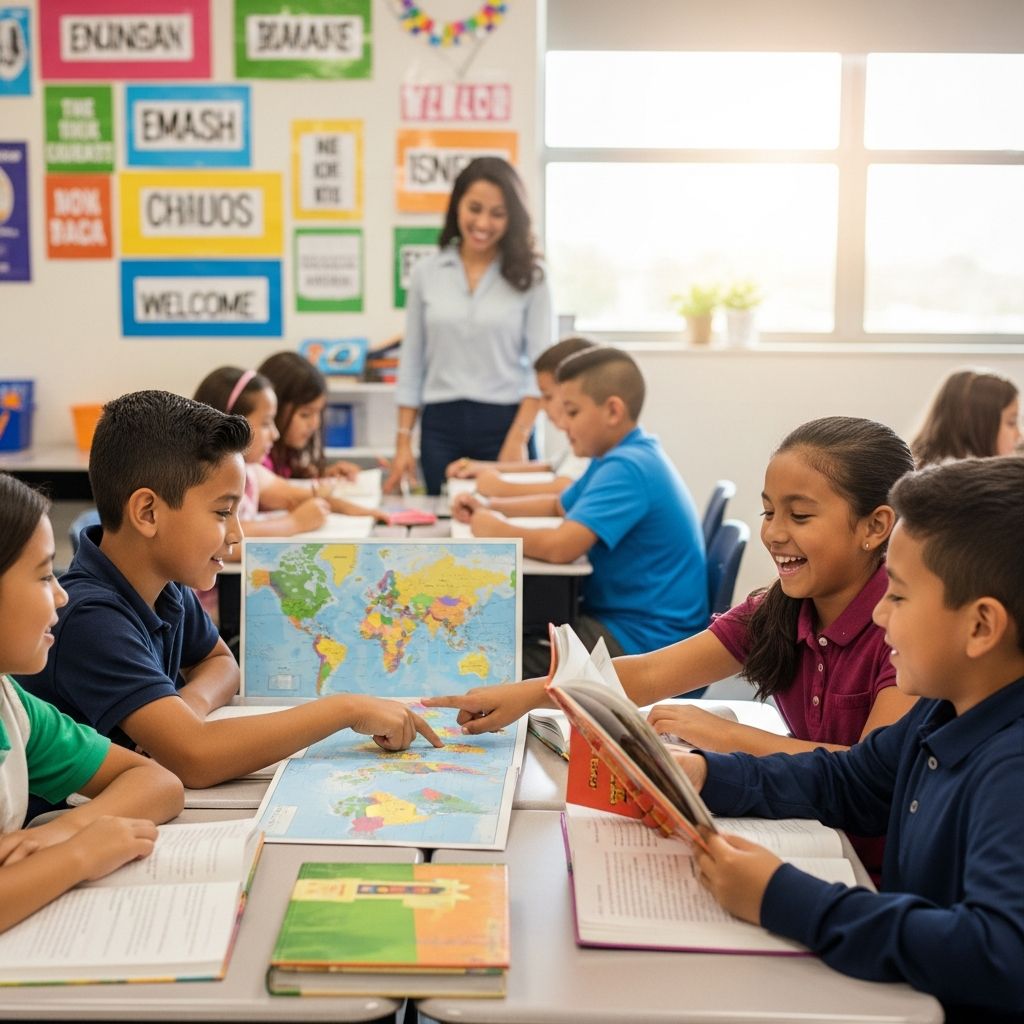
Dual language schools, where instruction happens in both English and a student’s home language like Spanish, offer Latino students a unique pathway to academic excellence and cultural preservation. These programs balance language acquisition with heritage maintenance, fostering well-rounded learners ready for a diverse world.
Understanding Dual Language Education Models
Dual language education immerses students in two languages from early grades, typically splitting instruction time evenly between English and Spanish. This approach differs from traditional English-only immersion by valuing the primary language as a foundation for learning. For Latino families, it means children can thrive without abandoning their linguistic roots.
Common models include 50/50 programs, where each language gets equal time, and 90/10 versions that start with more home language exposure before transitioning. Research shows these structures support long-term proficiency in both languages, preparing students for higher education and global careers.
Cognitive Advantages of Bilingual Learning
One of the standout benefits is enhanced brain function. Bilingual students regularly outperform monolingual peers in tasks requiring focus, problem-solving, and multitasking. Studies indicate that juggling two languages builds neural pathways that improve executive function—the mental skills controlling attention and inhibition.
- Improved Memory: Switching between languages strengthens short-term recall and information processing.
- Better Multitasking: Dual language users excel in dividing attention across activities.
- Enhanced Creativity: Exposure to varied linguistic structures sparks innovative thinking.
For Latino students, these gains translate to higher standardized test scores and greater classroom participation, setting a strong foundation for future success.
Preserving Cultural Identity and Family Bonds
Bilingual programs reinforce ethnic pride by integrating cultural elements into lessons. Latino students maintain fluency in Spanish, easing communication with family members and accessing intergenerational wisdom. This linguistic bridge supports parental involvement, as caregivers can engage more effectively in school activities.
Scholars note that home-school language alignment fosters trust and motivation. Children feel validated when their heritage language is celebrated, reducing alienation and boosting self-esteem. In diverse communities, this approach also promotes empathy among all students, creating inclusive environments.
Academic Performance and Long-Term Trajectories
Enrollment in bilingual classes during elementary years correlates with sustained engagement through middle school. A longitudinal study of at-risk Latino students found that bilingual participants showed more stable behavioral engagement and school belonging, even amid transitions to less ethnically congruent schools.
These students leverage bilingual skills to build broader social networks, drawing support from both Latino peers and English-dominant groups. Graduation rates and college readiness improve, as dual proficiency opens doors to scholarships and advanced programs valuing multilingualism.
| Metric | Bilingual Students | Monolingual Peers |
|---|---|---|
| Standardized Test Scores | Higher by 15-20% | Baseline |
| School Belonging (Middle School) | More positive trajectories | Declines noted |
| Graduation Rates | Increased by up to 10% | Standard rates |
This table summarizes key outcomes from peer-reviewed analyses, underscoring bilingual education’s role in academic resilience.
Career and Economic Opportunities
In today’s job market, bilingualism is a premium skill. Reports highlight that Spanish-English speakers earn up to 20% more in fields like healthcare, business, and education. For Latino graduates, this edge compounds over a lifetime, narrowing socioeconomic gaps.
Colleges increasingly prioritize multilingual applicants, recognizing their global readiness. Bilingual programs equip students with tools for international roles, from diplomacy to tech innovation, where cross-cultural communication is key.
Role of Bilingual Educators
Hispanic teachers with bilingual certification make a profound impact. They serve as role models, providing culturally responsive instruction that resonates with Latino learners. Recent studies confirm these educators boost English learner performance through nuanced language support and mentorship.
Schools with strong bilingual staff see reduced dropout risks and heightened student aspirations. Administrators embracing this hiring strategy enhance program quality and community trust.
Potential Drawbacks and Implementation Challenges
Despite benefits, bilingual schools face hurdles. Finding qualified teachers proficient in both languages remains difficult, potentially leading to inconsistent instruction. Initial academic progress might lag as students master dual systems, though long-term data shows catch-up and surpassing of peers.
- Resource Strain: Smaller districts struggle with funding for materials and training.
- Social Dynamics: Peers in English-only tracks may perceive bilingual classes as separate, risking isolation.
- Transition Pressures: Exiting bilingual support for middle school requires careful planning to maintain gains.
Critics argue overemphasis on home language delays English dominance, but evidence refutes this, showing equivalent or superior English outcomes.
Parental Decision-Making Factors
Parents weigh community needs, child temperament, and school quality. Dual language appeals to those valuing heritage preservation alongside academics. Visits, teacher credentials, and enrollment data guide choices. Growing demand reflects recognition of bilingualism’s lifelong value.
Strategies for Maximizing Program Success
Effective bilingual schools integrate family engagement, professional development, and progress monitoring. Partnerships with cultural organizations enrich curricula. Policymakers can support by allocating funds for teacher pipelines and research validation.
Frequently Asked Questions
Do bilingual programs hinder English acquisition?
No, research demonstrates bilingual students achieve English proficiency comparable to or exceeding monolingual peers, with added home language mastery.
Are dual language schools suitable for all Latino students?
Most benefit, especially English learners, but individual assessments ensure proper placement. Programs adapt to varying proficiency levels.
How do bilingual schools impact non-Latino students?
They gain second-language skills, cultural competence, and cognitive boosts, fostering mutual respect in mixed classrooms.
What evidence supports higher earnings for bilinguals?
Market analyses show 20% wage premiums for bilingual roles, driven by demand in diverse economies.
Can parents get involved in bilingual education?
Yes, through volunteering, home reinforcement, and advocacy, strengthening program outcomes and child motivation.
Building a Brighter Future Through Bilingualism
Dual language schools represent an investment in Latino students’ potential, blending cognitive sharpening, cultural affirmation, and opportunity expansion. While challenges exist, evidence tilts decisively toward net positives. Families and educators partnering in this model cultivate leaders equipped for tomorrow’s world.
References
- Bilingual Education: The Impact on the Hispanic Community — WorldsAcross Blog. 2023. https://blog.worldsacross.com/index/bilingual-education-the-impact-on-the-hispanic-community
- Latino Students’ Transition to Middle School: Role of Bilingual Education — National Institutes of Health (PMC). 2015-09-11. https://pmc.ncbi.nlm.nih.gov/articles/PMC4559863/
- How Bilingual Education Can Transform School Leadership — Sarah’s Spanish School. 2024. https://www.sarahsspanishschool.com/how-bilingual-education-can-transform-school-leadership-and-enhance-school-reputation/
- Why More Parents Are Choosing Dual Language Schools — Latino Policy Forum. 2023. https://latinopolicyforum.org/why-more-parents-are-choosing-dual-language-schools/
- Why Bilingual Hispanic Teachers Make a Big Difference — Education Week. 2025-10. https://www.edweek.org/teaching-learning/why-bilingual-hispanic-teachers-make-a-big-difference-for-english-learners/2025/10
- The Latino Students’ Attitudes on Bilingual Education — Taylor & Francis (Bilingual Research Journal). 2006. https://www.tandfonline.com/doi/abs/10.1080/15235882.2006.10162868