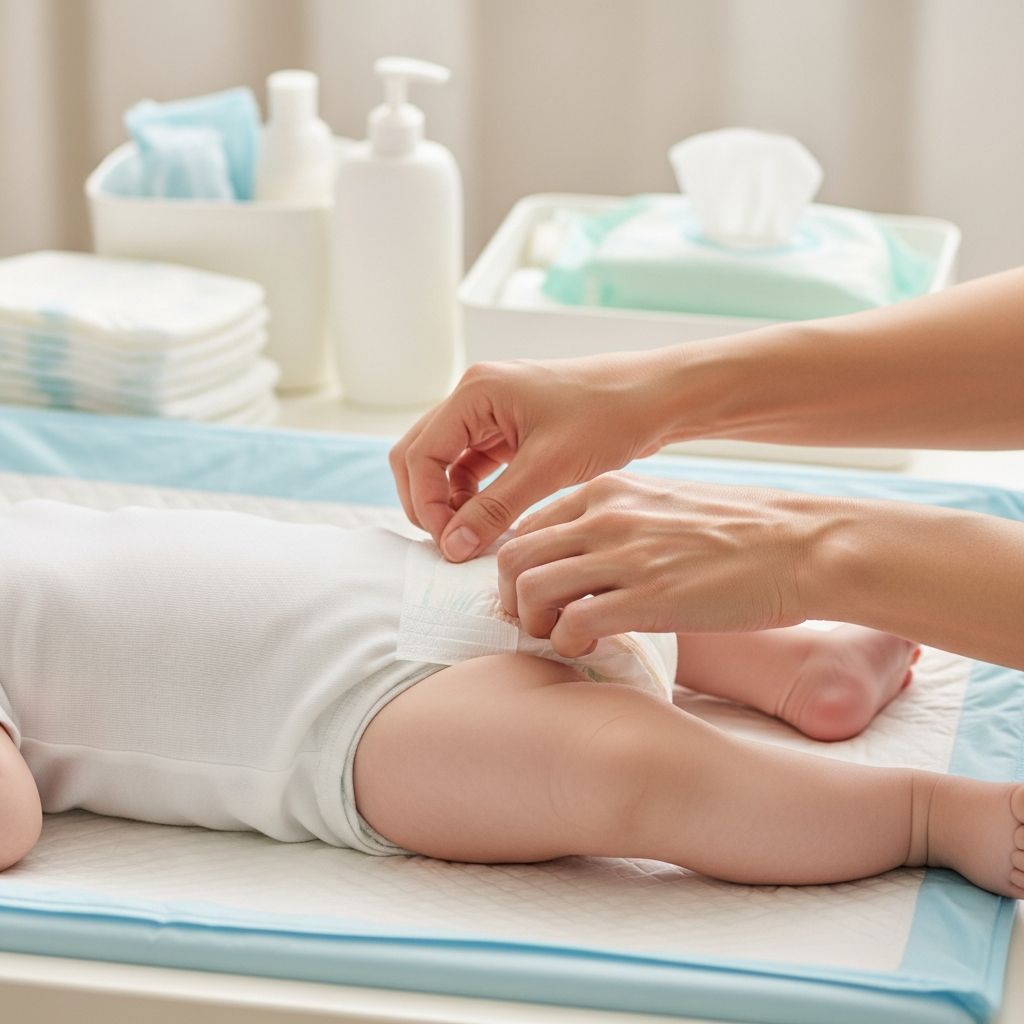
Diaper changing is one of the most frequent tasks new parents face, often occurring 8-10 times daily for newborns. Mastering this routine not only maintains your baby’s skin health but also builds confidence and bonding moments. This guide draws from pediatric recommendations to provide practical, evidence-based strategies for efficient and safe changes.
Setting Up Your Diaper Station for Success
Creating a dedicated changing area streamlines the process and minimizes disruptions. Choose a flat, elevated surface like a changing table at waist height to reduce back strain. Equip it with a waterproof, wipeable pad secured firmly to prevent slips. Stock essentials within arm’s reach: diapers in the correct size, fragrance-free wipes, diaper cream, a trash bin with lid, and hand sanitizer.
- Organization tip: Use divided caddies or wall-mounted pockets to keep items sorted by frequency of use.
- Safety first: Install safety straps and never turn away from your baby, even briefly, to avoid falls.
Regularly disinfect the surface with baby-safe cleaners. The American Academy of Pediatrics emphasizes clean environments to prevent infections.
Understanding Diaper Change Frequency and Cues
Newborns require changes every 2-3 hours or immediately after soiling, transitioning to 6-8 times daily as they grow. Modern diapers feature wetness indicators—color-changing strips that signal saturation, helping prevent prolonged exposure to moisture that causes irritation.
| Baby Age | Average Changes per Day | Key Indicators |
|---|---|---|
| Newborn (0-1 month) | 8-12 | Wetness line turns yellow/blue; heavy feel; fussiness |
| 1-6 months | 6-9 | Same plus odor or visible stool |
| 6+ months | 5-7 | Baby signals discomfort verbally or by pulling at diaper |
Check before and after feeds, as digestion often prompts elimination. For nighttime, prioritize quick, quiet changes to preserve sleep cycles.
Step-by-Step Diaper Changing Technique
Follow this sequence for hygiene and efficiency:
- Wash hands: Use soap and water or sanitizer to protect delicate skin.
- Position baby: Lay supine on the pad, secure straps, and maintain hand contact.
- Unfasten old diaper: Release tapes while holding ankles gently to lift bottom.
- Clean thoroughly: Wipe front-to-back for girls to avoid UTIs; use fresh wipe sections. For boys, point penis downward. Pat dry or air-dry briefly.
- Apply barrier if needed: Thin layer of zinc oxide cream for rash-prone skin.
- Slide new diaper: Lift legs, position under bottom, pull front up snugly. Leave one finger’s space at waist; fasten tapes evenly.
- Dispose and redress: Fold soiled diaper inward, seal, and trash. Reclothe promptly.
This method, endorsed by pediatric guidelines, reduces mess and ensures comfort.
Gender-Specific Hygiene Practices
Babies have unique anatomies requiring tailored care. For girls, the short urethra demands front-to-back wiping to prevent bacteria transfer from anus, a common UTI cause per CDC data. Use soft, alcohol-free wipes and ensure creases are clean.
For boys, unexpected urination is common—cover with the fresh diaper immediately after removal. Direct genitalia into the diaper’s core for optimal absorption. Petroleum jelly on initial meconium stools creates a barrier against sticky residue.
Preventing Diaper Rash and Skin Irritations
Rash affects up to 35% of infants monthly, stemming from moisture, friction, or allergens. Change promptly upon wetness indication, allow 30-60 seconds air-drying, and apply breathable diapers. If rash appears, use 1% hydrocortisone sparingly and consult a doctor if persisting beyond 3 days.
- Avoid powders—they can inhale and clump.
- Opt for hypoallergenic products.
- Frequent changes trump absorbent-only reliance.
Smart Hacks for Wiggly Babies and Busy Schedules
Active infants turn changes into wrestling matches. Distract with songs, mirrors, or toys. For mobile toddlers, switch to pull-up styles for standing changes. Post-nap, wait 2-3 minutes to avoid sprays as bladders empty upon waking.
Clothing hacks: Use snapless onesies or fold pants down. Keep spares in car and bag for blowouts.
On-the-Go Diaper Changing Strategies
Public changes demand portability. Pack a foldable mat, disposable bags, and wipes in a dedicated pouch. Seek family restrooms with tables; otherwise, use car seats or strollers covered by the mat. Change swiftly: clean minimally but effectively, prioritizing genitals. Quality diapers with leak guards extend wear during travel.
Choosing the Right Diaper Products
Fit trumps brand—snug legs and waist without gaps. Sizes correspond to weight: Newborn (under 10 lbs), Size 1 (8-14 lbs), etc. Prioritize breathable materials, wetness indicators, and plant-based options for sensitive skin. Test for fit: no red marks post-wear.
Building Positive Associations During Changes
Turn routine into bonding: Narrate actions softly, make eye contact, and smile. Sing repetitive tunes to soothe. This fosters trust and reduces resistance over time.
Frequently Asked Questions (FAQs)
What if my baby pees during a change?
Keep a fresh diaper handy to cover immediately. Wait post-nap for natural voiding.
How do I handle massive blowouts?
Lift both legs high, wipe methodically, and use multiple wipes. Barrier cream prevents recurrence.
Can I use cloth diapers?
Yes, with proper folding and frequent washing. They suit eco-conscious parents but require more laundry.
When to call a doctor for rash?
If blistered, feverish, or lasting over 3 days despite care.
Best wipes for newborns?
Fragrance-free, thick ones with aloe; water and cloth for ultra-sensitive.
Long-Term Tips for Transitioning Out of Diapers
As potty training nears (18-24 months), involve baby in changes to build awareness. Praise dryness and introduce training pants gradually. Consistent routines pave the way for independence.
Mastering diaper changes empowers parents, safeguarding health while nurturing joy in daily care. With practice, it becomes second nature.
References
- Diaper Rash: How to Treat and Prevent It — Centers for Disease Control and Prevention (CDC). 2024-05-15. https://www.cdc.gov/parents/essentials/diaper-rash.html
- Diapering Your Baby — American Academy of Pediatrics (AAP). 2025-01-10. https://www.healthychildren.org/English/ages-stages/baby/diapers-clothing/Pages/Diapering-Your-Baby.aspx
- Urinary Tract Infections in Infants — National Institute of Diabetes and Digestive and Kidney Diseases (NIDDK). 2023-11-20. https://www.niddk.nih.gov/health-information/urologic-diseases/bladder-infection-uti-in-children
- Preventing Diaper Dermatitis — World Health Organization (WHO). 2024-08-05. https://www.who.int/publications/i/item/9789240092834
- Infant Skin Care Guidelines — Mayo Clinic. 2025-02-01. https://www.mayoclinic.org/healthy-lifestyle/infant-and-toddler-health/in-depth/healthy-baby/art-20044438
- Early Childhood Development: Bonding Through Routines — Harvard University Center on the Developing Child. 2024-07-12. https://developingchild.harvard.edu/resources/inbrief-the-science-of-ecd/