Sexual arousal is a multifaceted phenomenon blending biology, psychology, and environment. It prepares the body and mind for intimacy through coordinated responses in the brain, hormones, and nerves. Understanding these mechanisms reveals why certain stimuli captivate us uniquely.
The Foundations of Sexual Desire and Arousal
At its core, sexual arousal begins with **desire**, a mental drive sparked by internal and external cues. This phase involves hormones like androgens and estrogens, motivational factors such as emotional closeness, and cognitive evaluations of risk or appeal. Desire transitions into arousal, where physiological changes occur: increased heart rate, blood flow to genitals, and lubrication in women.
The classic model by Masters and Johnson outlines four stages: excitement (initial arousal), plateau (intensified stimulation), orgasm (peak release), and resolution (return to baseline). Kaplan simplified it to desire, excitement, and orgasm, emphasizing clinical utility. These models highlight how arousal builds progressively, influenced by neural orchestration.
Brain Structures Orchestrating Pleasure
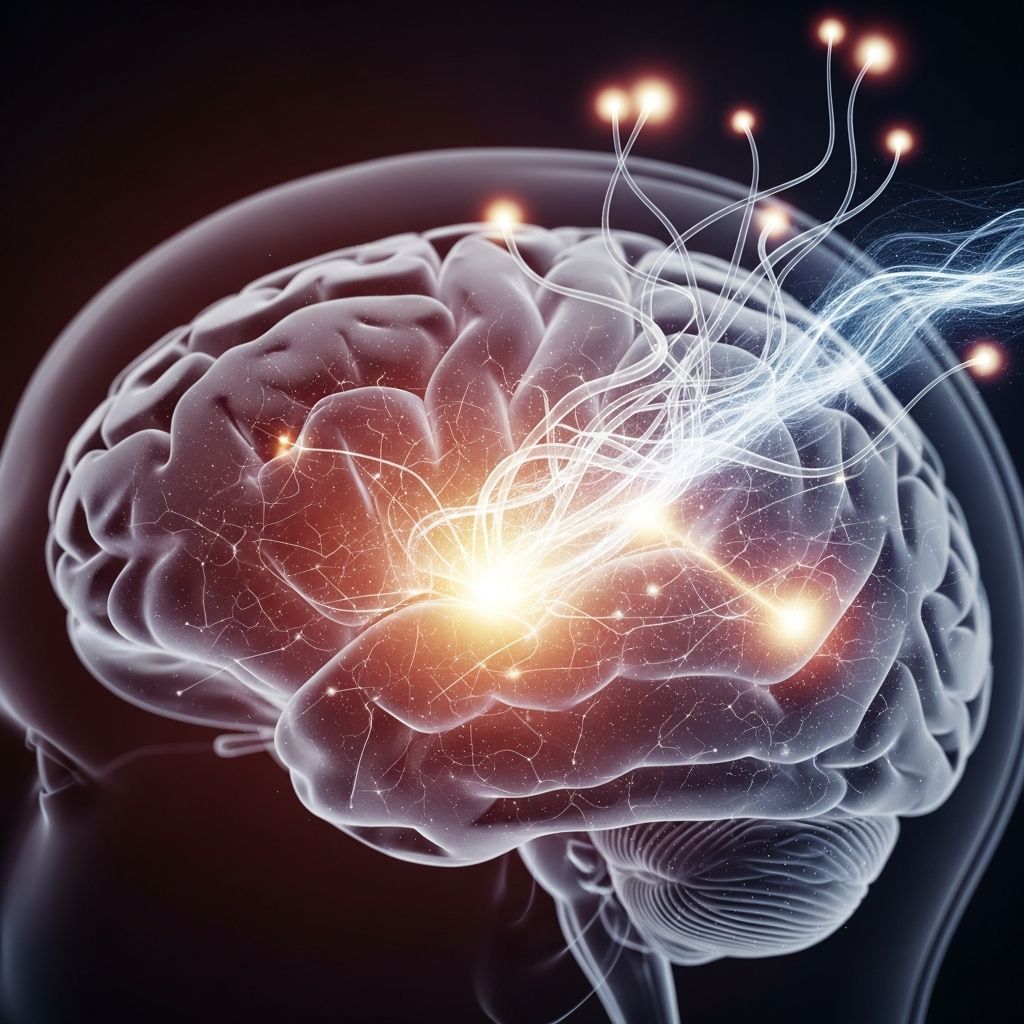
The brain acts as the conductor of sexual responses. Subcortical areas like the **hypothalamus**, amygdala, and brainstem integrate sensory inputs to trigger autonomic changes—elevated blood pressure, faster breathing, and genital engorgement. Dopaminergic pathways in the reward system reinforce pleasurable behaviors, creating neural plasticity that makes repeated stimuli more potent over time.
Limbic structures process unconscious emotional cues, while the cerebral cortex adds conscious awareness and decision-making. For instance, the amygdala links sensory stimuli to motivational states, evoking orgasm-like sensations when stimulated. In women, clitoral blood flow during arousal is autonomically controlled, peaking with menstrual cycle phases.
- Hypothalamus: Regulates hormonal release and basic drives.
- Amygdala: Processes emotional and sexual salience.
- Prefrontal Cortex: Evaluates context and inhibits or excites based on cognition.
Hormonal and Neurochemical Drivers
Hormones amplify arousal signals. Testosterone surges with sexual thoughts, even in women not on contraception, boosting excitation. The limbic system floods with dopamine (pleasure), serotonin (modulation), and other neurotransmitters during arousal.
In men, androgen-driven desire leads to quicker genital responses; women often require relational context for peak arousal. Estrogen influences vaginal lubrication and sensitivity, varying cyclically. These chemicals create a feedback loop, where arousal heightens hormone release, intensifying the experience.
| Hormone/Neurotransmitter | Role in Arousal | Gender Notes |
|---|---|---|
| Testosterone | Increases desire and excitation | Higher baseline in men; responsive in women |
| Dopamine | Reward and motivation | Key in both sexes for reinforcement |
| Estrogen | Lubrication, sensitivity | Cyclic in women |
| Serotonin | Modulates inhibition | Balances excitation |
Psychological Dimensions of Turn-Ons
Psychology shapes what ignites arousal. Appraisal of stimuli as sexual, combined with past experiences and mood, determines response strength. Positive intimacy needs drive women’s circular model (Basson), starting from emotional connection rather than spontaneous desire.
Men’s arousal often aligns closely with genital response (**concordance**), while women’s shows greater variability, influenced by context. The dual control model (Bancroft & Janssen) posits an **accelerator** (excitation system) and **brake** (inhibition system), explaining individual differences. Stress activates brakes; novelty accelerates.
Common psychological turn-ons include anticipation, power dynamics, sensory novelty, and emotional vulnerability. Fantasies activate similar brain regions as real stimuli, blurring lines between thought and action.
Sensory Triggers: What Sparks the Fire
Sensory inputs are primary arousal catalysts. Visual cues like attractive forms engage the visual cortex, feeding into limbic evaluation. Touch activates mechanoreceptors, sending signals via spinothalamic pathways to heighten sensitivity.
Auditory whispers or moans stimulate brainstem responses; scents trigger pheromonal-like reactions via the olfactory bulb. Taste adds intimacy during kissing. Multisensory combos amplify effects, as the brain integrates them into a unified pleasure signal.
- Visual: Curves, movement, eye contact.
- Tactile: Gentle caresses, firm grips.
- Auditory: Compliments, gasps of pleasure.
- Olfactory: Natural body scents, perfumes.
Gender Differences in Arousal Patterns
Men and women diverge in arousal. Men exhibit linear progression from desire to orgasm, with high concordance (mind and body sync). Women’s responses are more contextual, with lower concordance but greater emotional integration.
Brain imaging shows women report higher subjective arousal than amygdala activation suggests, unlike men. Women’s plateau phase sustains longer, allowing extended pleasure buildup. Hormonal fluctuations add variability; men’s testosterone provides steadier drive.
These differences underscore tailored communication in relationships for mutual satisfaction.
Individual Variability and the Dual Control Model
No two arousal profiles match perfectly. The **sexual excitation system (SES)** accelerates via stimuli sensitivity; the **sexual inhibition system (SIS)** brakes via fears or distractions. High SES/low SIS individuals arouse easily; opposites require ideal conditions.
Life experiences shape these: trauma heightens brakes, positive encounters strengthen accelerators. Aging alters balance—hormone dips slow accelerators, but experience hones psychological triggers.
Enhancing Arousal: Practical Insights
To boost arousal, address brakes first: reduce stress via mindfulness, build trust through communication. Novelty reignites accelerators—try new settings or roles. Exercise elevates testosterone and dopamine.
Mindfulness heightens sensory awareness; fantasy sharing deepens bonds. For women, prioritize foreplay for emotional buildup; men benefit from direct stimulation.
- Communicate openly: Share fantasies without judgment.
- Experiment safely: Introduce sensory toys or scenarios.
- Prioritize health: Balance hormones via diet, sleep.
- Build anticipation: Tease throughout the day.
Frequently Asked Questions (FAQs)
What causes spontaneous sexual arousal?
A mix of hormones, random thoughts, and subcortical activity; more common in men due to testosterone.
Why do women need emotional connection for arousal?
Basson’s model shows intimacy drives receptivity to stimuli, unlike linear male desire.
Can arousal change with age?
Yes, declining hormones slow physical response, but psychological sensitivity often increases.
How does stress impact sexual turn-ons?
It activates the inhibition system, dulling accelerators; management restores balance.
Are brain differences real between sexes in arousal?
Overlap is vast; individual variation exceeds averages, per neurological consensus.
Navigating Challenges in Sexual Response
Barriers like medications, health issues, or mismatched libidos disrupt arousal. Antidepressants often boost serotonin, braking excitation. Therapy targeting SIS helps; couples counseling aligns expectations.
Positive reinforcement via reward pathways can rewire responses, making turn-ons habitual. Patience and education empower overcoming hurdles.
References
- Biology of Female Sexual Function — Boston University Medical Campus. 2023. https://www.bumc.bu.edu/sexualmedicine/physicianinformation/biology-of-female-sexual-function/
- Neuroanatomy and function of human sexual behavior — PMC / NIH. 2019-11-25. https://pmc.ncbi.nlm.nih.gov/articles/PMC6908863/
- Sexual arousal — Wikipedia (informed by primary sources). 2026. https://en.wikipedia.org/wiki/Sexual_arousal
- The science of sexual arousal — American Psychological Association. 2003-04-01. https://www.apa.org/monitor/apr03/arousal
- Sexual Response Cycle — Cleveland Clinic. 2023. https://my.clevelandclinic.org/health/articles/9119-sexual-response-cycle