Understanding Air Purifiers: Separating Marketing from Medical Evidence
When allergy season arrives, many families turn to air purifiers as a potential solution to reduce sneezing, congestion, and itchy eyes. However, the relationship between air purification technology and actual allergy symptom improvement is more nuanced than marketing claims suggest. Recent scientific research, including perspectives from immunologists and allergists, provides important insights into what these devices can and cannot accomplish in managing seasonal allergies.
The fundamental question facing consumers is straightforward: do air purifiers genuinely alleviate allergy symptoms, or are they simply expensive gadgets collecting dust in the corner of a bedroom? The answer, according to medical professionals and peer-reviewed research, is somewhere in the middle. Air purifiers can provide modest relief from certain types of allergies when selected and used properly, but they work best as part of a comprehensive allergy management strategy rather than as standalone solutions.
How Air Purifiers Target Airborne Allergens
Air purification systems operate by drawing indoor air through various types of filters designed to capture particles. The most common and effective filters for allergy sufferers are High-Efficiency Particulate Air (HEPA) filters. These specialized filters can capture approximately 65-90% of allergen concentrations in the air, removing particles as small as 0.3 micrometers. This capability makes them particularly effective against floating particles like pollen and pet dander that trigger allergic reactions.
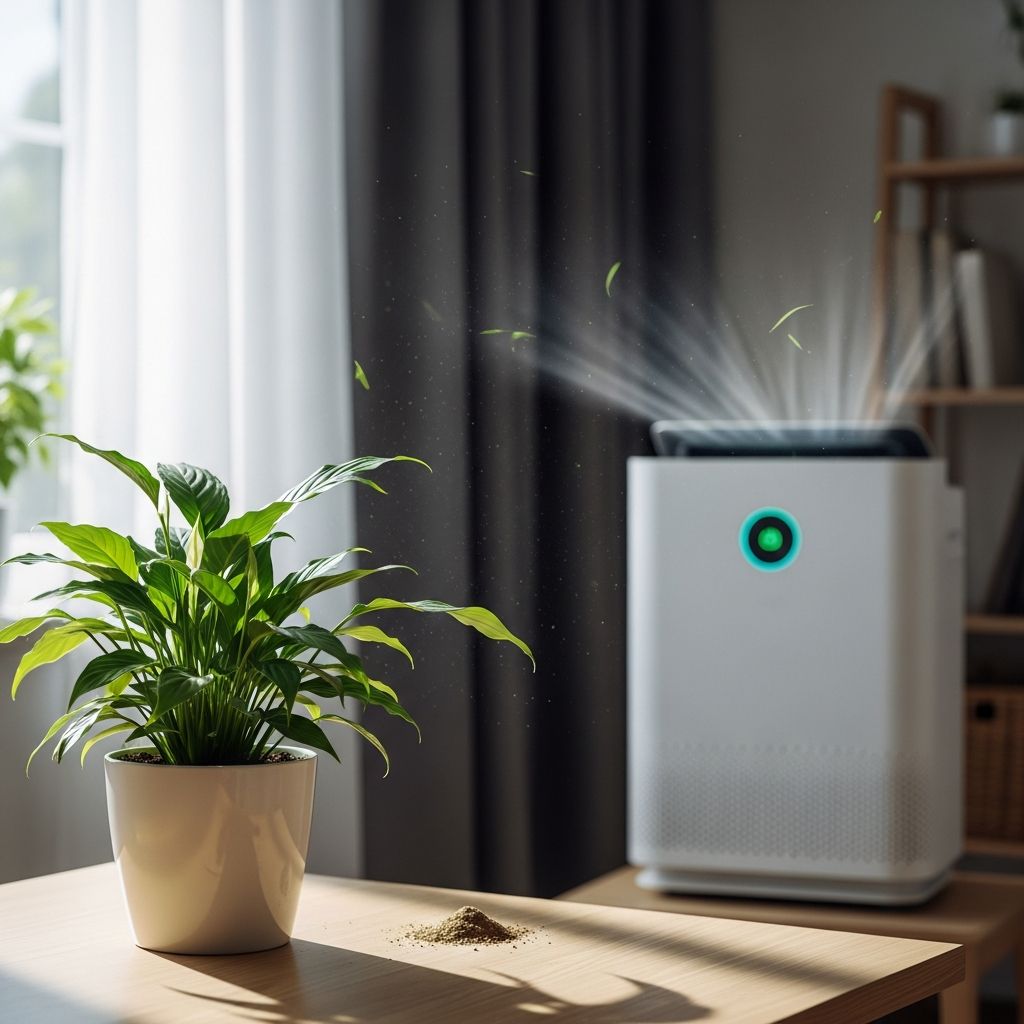
The mechanics of air purification involve several key steps. First, air is drawn into the device through a pre-filter that catches larger particles. The air then passes through the HEPA filter, which uses a dense mat of randomly arranged fibers to trap microscopic particles. Many modern purifiers also include carbon filters designed to remove odors and volatile organic compounds. This multi-stage filtration approach means that different types of particles can be addressed at various stages of the purification process.
For individuals with pollen allergies, this technology offers tangible benefits. A randomized, double-blind clinical trial examined patients with allergic rhinitis caused by Artemisia pollen exposure. Results showed that participants using active air purifiers in their sleeping areas experienced significant improvements in rhinitis symptoms compared to those using inactive devices. The study found that reducing allergen exposure during sleep hours—when people spend extended time in one location—can meaningfully decrease allergy symptom severity.
The Limitations Medical Professionals Want You to Know
Despite positive findings about certain applications, allergists emphasize important limitations that consumers should understand before making a purchase. Dr. Punita Ponda, an associate chief of the Division of Allergy and Immunology, notes that while air purifiers can be helpful, patients should not expect dramatic symptom improvements. This cautious assessment reflects a broader medical consensus: air purifiers address only part of the allergy problem.
The primary limitation involves the types of allergens air purifiers can effectively address. These devices excel at removing small, airborne particles like pollen that float freely through a room. However, they perform poorly against heavier allergens that quickly settle on surfaces. Common household irritants such as dust mites, pet dander embedded in furniture, and mold spores that have landed on walls remain largely unaffected by air purification alone. Since many indoor allergens are surface-bound rather than airborne, air purifiers cannot completely eliminate exposure to major allergy triggers.
Another critical factor involves the time required to see benefits. The American Academy of Allergy, Asthma, and Immunology (AAAAI) indicates that it may take months or even a year of consistent air purifier use before noticeable improvements in allergy symptoms occur. This extended timeline reflects the gradual reduction of indoor allergen concentrations rather than immediate relief. Patients expecting quick results often become disappointed and discontinue use before the device has adequate time to demonstrate effectiveness.
Room coverage presents another practical consideration. Air purifiers work most effectively in enclosed spaces where air circulation can be controlled. In open-concept homes or large rooms, a single purifier may struggle to treat all incoming air adequately. Additionally, if doors remain open or windows are frequently opened, outdoor allergens continuously enter the space, undermining the device’s effectiveness.
Choosing the Right Air Purifier: Technology Matters
Not all air purifiers are created equal, and understanding different technologies is essential for making an informed purchase. The market includes several types of air purification systems, each with distinct benefits and drawbacks for allergy sufferers.
HEPA Filters: The Gold Standard for Allergies
True HEPA filters represent the most effective technology for capturing airborne allergens. These filters can trap nearly 100% of fine particles, including plant pollen and pet dander. The key word is “true” HEPA—some manufacturers use misleading terminology like “HEPA-style” or “HEPA-type” for filters that do not meet official standards. When selecting an air purifier, verifying that it uses a certified true HEPA filter is crucial. This specification ensures the device will actually perform at the level consumers expect.
HEPA filter effectiveness depends on regular maintenance. As filters accumulate particles over time, their efficiency decreases. Manufacturers typically recommend replacing HEPA filters every 6 to 12 months, depending on usage and indoor air quality. Neglecting this maintenance undermines the device’s ability to remove allergens effectively.
Ozone-Generating Purifiers: A Health Hazard
Some air purifier manufacturers market ozone-generating devices, claiming they kill viruses and bacteria while freshening indoor air. However, these products present serious health risks, particularly for allergy sufferers. Ozone cannot remove particles from the air that cause allergies, making these devices ineffective for allergy management. More importantly, ozone exposure can worsen allergies, trigger respiratory problems, and damage lung tissue. Health-conscious consumers should actively avoid ozone-generating air purifiers, which do more harm than good.
Air Ionizers: Limited Allergy Benefits
Ionizers electrically charge air particles, causing them to fall out of circulation and settle on surfaces. While this approach sounds promising, ionizers do not work well for most allergens that trigger allergic responses. Additionally, many ionizer models generate ozone as a byproduct, creating the same health risks associated with ozone purifiers. For allergy management specifically, ionizers represent a poor investment compared to HEPA-based systems.
Key Specifications to Evaluate Before Purchasing
Beyond filter type, specific technical specifications determine whether an air purifier will effectively address allergies in a particular home environment. Understanding these metrics helps consumers select appropriately sized and capable devices.
- Clean Air Delivery Rate (CADR): This measurement indicates how quickly an air purifier can clean air of specific particle types. A CADR rating should match the room size where you plan to use the device. For bedrooms or small living spaces, look for units with sufficient CADR to process the room’s air volume multiple times per hour.
- Filter Type and Certification: Confirm the purifier uses a true HEPA filter meeting official performance standards, not marketing terminology that sounds similar. Carbon filters provide additional benefits by removing odors and volatile compounds.
- Noise Level: Since many people use air purifiers in bedrooms, noise considerations matter. Units designed for nighttime use typically operate at lower decibel levels than industrial models.
- Maintenance Requirements: Consider the cost and frequency of filter replacement. Some purifiers require expensive proprietary filters, while others use standard replacements available at reasonable prices.
Integrating Air Purifiers Into a Comprehensive Allergy Strategy
Medical professionals consistently emphasize that air purifiers work best as one component of a multi-faceted approach to allergy management rather than as standalone solutions. The American Academy of Allergy, Asthma, and Immunology stresses that maintaining good home ventilation and reducing allergens through other methods is equally important as operating an air purifier.
A comprehensive allergy management strategy includes several complementary approaches. Improving your home’s HVAC system represents an excellent starting point. Upgrading to higher-quality air filters in your heating and cooling system—specifically those with MERV ratings of 11 to 13—can significantly reduce circulating allergens throughout the entire home. This approach treats all rooms rather than just the area directly around an air purifier.
Environmental controls also deserve attention. Regular vacuuming using HEPA-filter-equipped vacuums removes settled allergens from carpets and upholstered furniture. Washing bedding in hot water weekly kills dust mites and removes accumulated pollen. Reducing humidity levels with dehumidifiers discourages mold growth and dust mite proliferation. These surface-level interventions address the heavier allergens that air purifiers cannot handle effectively.
Medical treatment options complement environmental modifications. Allergy medications, including antihistamines and nasal corticosteroids, provide symptom relief while environmental measures reduce allergen exposure. For severe allergies, immunotherapy—commonly called allergy shots—can reduce sensitivity to specific allergens over time. Combining these medical approaches with environmental controls creates a more effective overall strategy than relying solely on air purification.
Realistic Expectations: What Research Actually Demonstrates
Scientific evidence supports modest benefits from air purification when properly implemented. Research examining ragweed-sensitive patients found that nocturnal air purification treatment during the allergenic season improved symptoms. Studies of patients with perennial allergic rhinitis showed that consistent air filtration over 12 weeks reduced nasal congestion, sneezing, runny nose, and itchy eyes, while also improving quality of life measures.
However, these benefits fall short of providing complete allergy relief. Air purifiers reduce symptom severity rather than eliminating allergic reactions entirely. For people with mild to moderate seasonal allergies, this reduction might be sufficient to decrease medication dependence and improve comfort. For those with severe allergies, air purifiers provide helpful symptom reduction but cannot replace medical treatment.
The most significant benefit appears when air purifiers are used in sleeping areas. Because people spend extended time in bedrooms with doors closed, concentrated air filtration in this space can meaningfully reduce allergen levels during critical rest hours. This targeted application may be more effective than attempting to purify an entire open-concept home.
Cost Considerations and Practical Alternatives
Air purifiers range dramatically in price, from budget options under $100 to premium models exceeding $1,000. The relationship between cost and effectiveness is not always straightforward. An expensive purifier without a true HEPA filter will underperform a moderately priced model with certified filtration technology.
Budget-conscious consumers have several options for reducing costs. Purchasing refurbished air purifiers from manufacturers or retailers provides significant savings while maintaining functionality. These used but restored models often include warranties and perform identically to new units. Additionally, upgrading your existing HVAC system filter may provide substantial allergy benefits at lower cost than purchasing a standalone air purifier, particularly if you need to treat multiple rooms.
For those seeking additional relief beyond air purification, humidifiers offer supplementary benefits for some allergy sufferers. Adding moisture to dry indoor air can soothe irritated throats and nasal passages, providing relief from allergy-related coughing and congestion. However, excess humidity can encourage mold and dust mite growth, so maintaining humidity levels between 30-50% is important.
Frequently Asked Questions About Air Purifiers and Allergies
How long should I run my air purifier to see results?
The American Academy of Allergy, Asthma, and Immunology indicates that visible improvements may take months or even a year of consistent use. For best results, run the purifier continuously, especially in sleeping areas. Most people notice benefits gradually rather than immediately.
Can an air purifier completely cure my allergies?
No. Air purifiers can reduce airborne allergen concentrations and ease symptoms, but they cannot cure allergies or eliminate all triggers. They work best combined with medication, environmental controls, and other allergy management strategies.
What size air purifier do I need?
Match the purifier’s Clean Air Delivery Rate (CADR) to your room size. The device should process your room’s air volume at least 4-5 times per hour for effective allergen removal. Check manufacturer specifications for recommended room sizes.
Are expensive air purifiers always better than affordable ones?
Not necessarily. What matters is that the device uses a true HEPA filter and has appropriate CADR for your space. A moderately priced purifier with certified HEPA filtration will outperform an expensive model without proper filtration technology.
Should I use an air purifier if I have pets?
Air purifiers can help reduce pet dander in the air, but they cannot remove dander embedded in furniture or carpets. Combine air purification with regular vacuuming using HEPA filters and furniture cleaning for better results with pet allergies.
Can I use an air purifier in an open-concept home?
Air purifiers work best in enclosed spaces. In open-concept homes, their effectiveness decreases significantly because air circulation is less controlled. Consider using purifiers in individual bedrooms rather than attempting to treat large open areas.
References
- Efficacy of indoor air purification in the treatment of Artemisia pollen allergic rhinitis: A randomised, double-blind, clinical controlled trial — National Center for Biotechnology Information (NCBI/PMC). 2020-07-15. https://pmc.ncbi.nlm.nih.gov/articles/PMC7317381/
- Do Air Purifiers Actually Reduce Allergies? — GoodRx Health. 2024. https://www.goodrx.com/conditions/allergies/air-purifier-for-allergies
- Air Filter Treatment Guidelines — American College of Allergy, Asthma and Immunology (ACAAI). 2024. https://acaai.org/allergies/management-treatment/living-with-allergies/air-filters/
- Effectiveness of Air Filters in Allergic Rhinitis: A Systematic Review — Hindawi/Wiley Online Library. 2024. https://onlinelibrary.wiley.com/doi/10.1155/2024/8847667
- Air Purifiers to Alleviate Allergies, Spring Cleaning, Commuting, and Environmental Concerns — California Department of Resources, Recycling and Recovery. 2024. https://content.govdelivery.com/accounts/CAORGSVCE/bulletins/3d8a53c