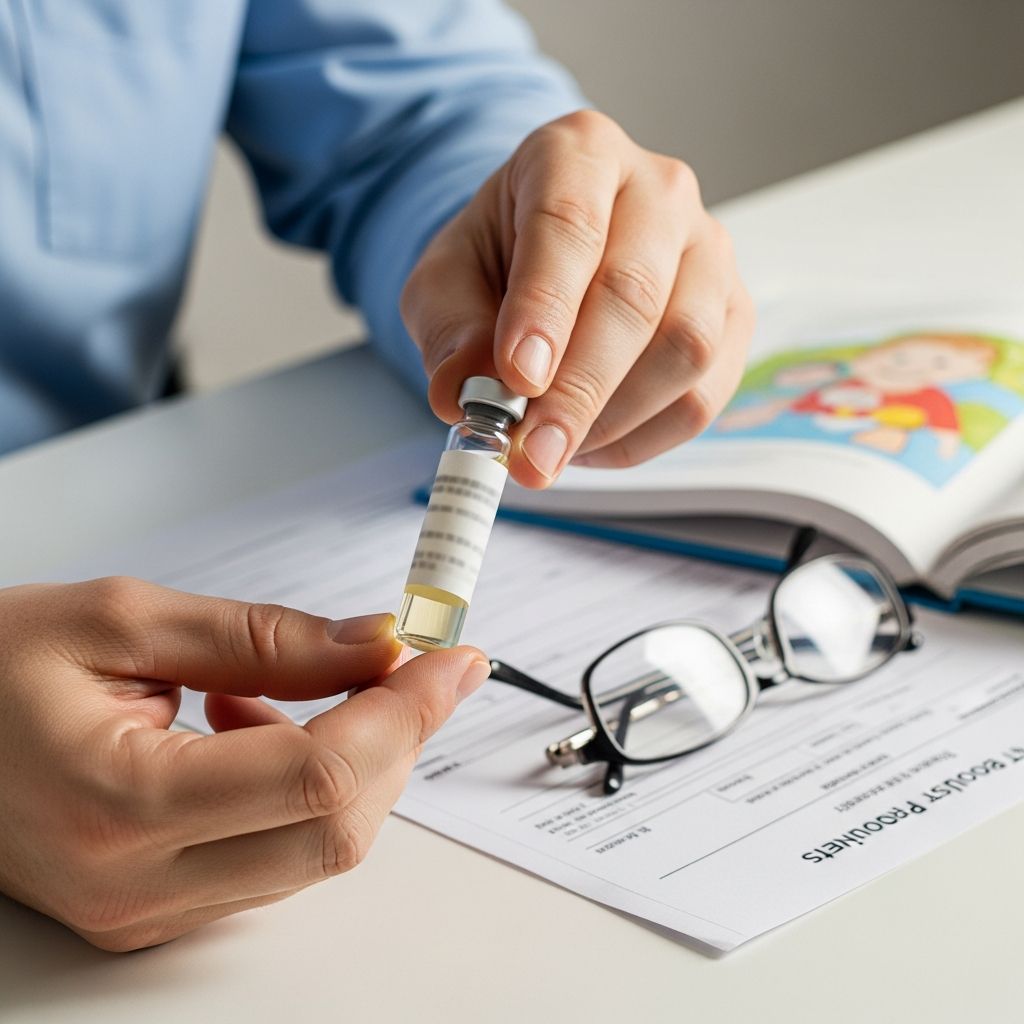
The T4 blood test, also known as the thyroxine test, measures the levels of thyroxine (T4), a primary hormone produced by the thyroid gland, in your child’s bloodstream. This test is crucial for assessing thyroid function, which regulates metabolism, growth, and energy use in growing bodies.
Understanding Thyroxine (T4) and Its Role in Your Child’s Body
Thyroxine, or T4, is one of the main hormones secreted by the thyroid gland, a small butterfly-shaped organ in the neck. T4 contains four iodine atoms and makes up about 80% of the thyroid hormones released, with the rest being T3 (triiodothyronine). While T4 itself is mostly inactive, it serves as a reservoir that the body converts into active T3 in organs like the liver, kidneys, and brain through a process called deiodination.
In children, thyroid hormones are vital for numerous processes:
- Metabolism regulation: Controls how the body converts food into energy, affecting weight, energy levels, and overall growth.
- Brain and bone development: Essential during infancy and childhood for cognitive function and skeletal growth.
- Heart and breathing function: Influences heart rate, respiratory rate, and oxygen delivery to tissues.
- Temperature control: Helps maintain body heat and responds to environmental changes.
- Muscle and nervous system health: Supports muscle strength, alertness, and nerve signaling.
The production of T4 is tightly regulated by a feedback system involving the hypothalamus, pituitary gland, and thyroid. The hypothalamus releases thyroid-releasing hormone (TRH), prompting the pituitary to secrete thyroid-stimulating hormone (TSH), which stimulates the thyroid to produce T4 and T3. Iodine from diet is critical for this synthesis. When T4 levels rise, they signal the pituitary to reduce TSH, maintaining balance.
Why Doctors Order a T4 Test for Children
Pediatricians recommend the T4 test when symptoms or risk factors suggest thyroid imbalance. Common reasons include:
- Signs of **hypothyroidism** (underactive thyroid): fatigue, constipation, poor weight gain, dry skin, cold intolerance, or developmental delays.
- Indicators of **hyperthyroidism** (overactive thyroid): weight loss, rapid heartbeat, anxiety, heat intolerance, or accelerated growth.
- Newborn screening follow-up: Many babies get initial thyroid tests at birth to catch congenital hypothyroidism early.
- Monitoring conditions like autoimmune thyroiditis (Hashimoto’s) or pituitary issues.
- Family history of thyroid disorders or exposure to medications affecting thyroid function.
This test is often paired with TSH and free T4 measurements for a complete picture, as total T4 can be influenced by binding proteins.
Types of T4 Tests: Total vs. Free T4
T4 circulates in blood in two forms:
- Total T4: Includes both free T4 and T4 bound to proteins like thyroxine-binding globulin (TBG), transthyretin, and albumin. Over 99% is bound, making it less precise for active hormone levels.
- Free T4: The unbound, active fraction (about 0.02-0.04%) that directly affects cells. It’s the preferred test as it’s unaffected by protein changes from illness, pregnancy, or medications.
| Test Type | What It Measures | Best Used For |
|---|---|---|
| Total T4 | Bound + unbound T4 | Screening when binding proteins are normal |
| Free T4 | Unbound T4 only | Accurate assessment in complex cases |
Free T4 is especially important in children, where growth and nutrition can alter binding proteins.
Preparing Your Child for the T4 Blood Test
Most children need no special preparation, but inform the doctor about recent illnesses, medications (like steroids or birth control), or supplements, as they can skew results. Fasting is rarely required, though some labs prefer morning samples when hormone levels peak.
For young kids, explain the process simply: “It’s like a quick pinch to check your energy button.” Distraction with toys or videos helps. The draw takes seconds from the arm vein; toddlers might use a heel or finger prick.
The Testing Procedure: Step-by-Step
1. A phlebotomist cleans the arm with alcohol.
2. Applies a tourniquet to make veins visible.
3. Inserts a needle (brief sting) and collects blood in a tube.
4. Applies pressure and a bandage; your child can resume activities immediately.
Risks are minimal: slight bruising or dizziness. Results typically return in 1-2 days.
Normal T4 Levels in Children by Age
Levels vary by age due to growth spurts. Labs use age-specific ranges; examples from reliable sources:
| Age Group | Total T4 (mcg/dL) | Free T4 (ng/dL) |
|---|---|---|
| Newborn (1-3 days) | 7.4-18.7 | 2.2-5.7 |
| 1-5 years | 5.5-12.5 | 0.9-1.7 |
| 6-10 years | 5.0-12.0 | 0.8-1.6 |
| 11-15 years | 4.5-11.5 | 0.8-1.7 |
Note: Exact ranges depend on lab methods; always consult your doctor. TSH helps interpret: high TSH + low T4 suggests hypothyroidism; low TSH + high T4 indicates hyperthyroidism.
Interpreting Abnormal T4 Results
High T4 Levels (Hyperthyroidism): May cause rapid growth, irritability, poor school focus, or eye bulging (Graves’ disease). Treatment includes medications, radioactive iodine, or surgery.
Low T4 Levels (Hypothyroidism): Linked to slow growth, fatigue, constipation. Congenital cases need prompt levothyroxine replacement to prevent intellectual delays.
Other factors like illness (“sick euthyroid syndrome”) can temporarily alter levels without true thyroid disease.
Follow-Up After T4 Testing
Abnormal results prompt further tests (T3, antibodies, ultrasound). Treatment for hypothyroidism involves daily levothyroxine; hyperthyroidism may need antithyroid drugs. Regular monitoring ensures optimal growth.
Preventing Thyroid Issues in Kids
Ensure iodine-rich diet (seafood, dairy, iodized salt). Watch for family history and early screening. Healthy lifestyle supports thyroid function.
Frequently Asked Questions (FAQs)
Is the T4 test painful for babies?
A heel prick is quick; infants cry briefly but comfort them with skin-to-skin contact.
How often should T4 be tested in diagnosed kids?
Every 3-6 months initially, then annually if stable, per endocrinologist guidance.
Can medications affect T4 results?
Yes, biotin, steroids, or amiodarone can; disclose all to your doctor.
What if T4 is normal but TSH is off?
Subclinical thyroid issues; monitor closely as it may progress.
Does diet impact T4 levels?
Iodine deficiency lowers T4; excess (e.g., seaweed) can raise it.
References
- Thyroid Hormone: What It Is & Function — Cleveland Clinic. 2023-10-30. https://my.clevelandclinic.org/health/articles/22391-thyroid-hormone
- Thyroxine T4: Functions, Levels and Medications — Ada Health. 2023. https://ada.com/thyroid/thyroxine-t4/
- Overview of the Thyroid Gland — Merck Manuals. 2023-09-18. https://www.merckmanuals.com/home/hormonal-and-metabolic-disorders/thyroid-gland-disorders/overview-of-the-thyroid-gland
- Free and Bound T4 — UR Medicine / University of Rochester Medical Center. 2023. https://www.urmc.rochester.edu/encyclopedia/content?contenttypeid=167&contentid=t4_free_and_bound_blood
- Physiology, Thyroid Hormone — StatPearls / NCBI Bookshelf. 2023-07-03. https://www.ncbi.nlm.nih.gov/books/NBK500006/
- Thyroid Function Tests — American Thyroid Association. 2023. https://www.thyroid.org/thyroid-function-tests/
- Normal Thyroid Hormone Levels — UCLA Health. 2023. https://www.uclahealth.org/medical-services/surgery/endocrine-surgery/conditions-treated/thyroid/normal-thyroid-hormone-levels