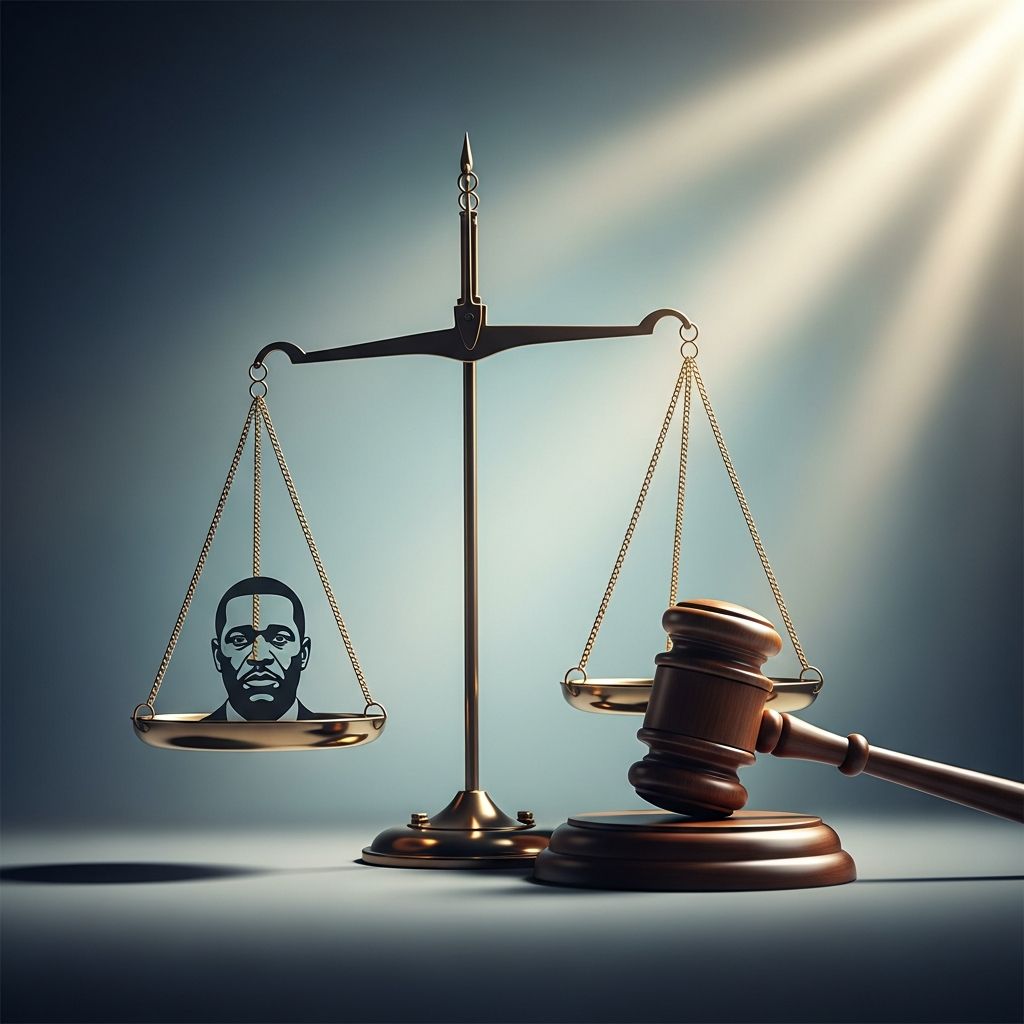
The conviction of former Minneapolis police officer Derek Chauvin on all three counts related to the death of George Floyd represented a pivotal moment in American history. On April 20, 2021, after roughly 10 hours of deliberation, the jury delivered guilty verdicts for second-degree unintentional murder, third-degree murder, and second-degree manslaughter. This outcome, while celebrated by many, underscored ongoing struggles with police accountability and racial equity in the justice system.
Immediate Waves of Relief and Celebration
Outside the Minneapolis courthouse, tension hung heavy as crowds gathered, many clutching cell phones to catch every word of the proceedings. When the foreman announced ‘guilty’ on each count, cheers erupted, slicing through months of built-up anxiety. Demonstrators who had endured a year of protests and fear hugged, cried, and chanted, their relief palpable after witnessing what many called a rare instance of accountability.
In Minneapolis, a city scarred by the unrest following Floyd’s death, church bells rang out, signaling communal catharsis. Reactions poured in nationwide and globally, from Cleveland rallies to international commentary. One observer noted, ‘America got it right for once,’ capturing the sentiment that this verdict broke a pattern of impunity in police-involved deaths.
- Minneapolis streets: Crowds cheered as verdicts were read, with waves of applause replacing the dread of potential acquittal.
- National response: Cities like Cleveland saw rallies at public squares, uniting communities in solidarity.
- Global echo: Media outlets worldwide highlighted the trial as a benchmark for addressing systemic issues.
Why This Trial Broke New Ground
Legal experts pointed to several factors that distinguished the Chauvin trial from prior high-profile police cases, where convictions were scarce, especially against Black victims. Unlike situations invoking self-defense, Chauvin faced no credible claim of imminent threat—Floyd was already subdued, handcuffed, and compliant bystanders urged intervention.
The prosecution presented overwhelming evidence, including video footage showing Chauvin’s knee on Floyd’s neck for over nine minutes, prohibited tactics per police training, and testimony from medical experts confirming asphyxiation as the cause of death. Three fellow officers, charged with aiding and abetting, failed to stop the act, further highlighting departmental failures.
| Typical Police Trials | Chauvin Trial Differences |
|---|---|
| Often rely on ‘fear for life’ defenses | No threat from Floyd; he was restrained |
| Rare convictions for unarmed victims | Guilty on all counts after strong evidence |
| Minimal bystander intervention focus | Officers resisted medical aid attempts |
Ohio State University scholars noted the verdict’s extraordinariness, attributing it to irrefutable proof that convinced a diverse jury—six white and six Black or multiracial jurors.
Inside the Courtroom: The Verdict Reading
As Judge Peter Cahill entered, the room fell silent. The foreman, Juror 19, read the forms methodically: ‘We the jury… find the defendant guilty’ for each charge, dated April 20, 2021. Chauvin stood stoically, hands behind his back, showing no visible reaction—no nod, no flinch—as bailiffs handcuffed him and led him away. Reporters observed the jury’s composure, some glancing around without overt emotion, underscoring the gravity of their duty.
The charges carried severe penalties: up to 40 years for second-degree murder. Minnesota’s Attorney General Keith Ellison emphasized this as ‘accountability,’ not full justice, since no verdict restores a lost life.
Broader Societal Ripples
The verdicts ignited hope for reform while exposing persistent divides. Families of other victims, like Philando Castile and Breonna Taylor, saw it as progress, yet urged sustained action. Protests shifted from rage to resolve, with calls for body cameras, de-escalation training, and independent oversight.
Columbia University faculty reflected that while historic, the outcome doesn’t guarantee future prosecutions. It demands systemic overhaul: ending qualified immunity, funding community policing, and addressing racial disparities in use-of-force data. Statistics from the Mapping Police Violence project (pre-verdict) showed Black Americans 3.5 times more likely to be killed by police than whites, fueling demands for change.
Challenges Ahead for Police Reform
Post-verdict, Minneapolis committed $27 million to Floyd’s family, alongside policy shifts like banning chokeholds. Nationally, the George Floyd Justice in Policing Act stalled in Congress, highlighting political hurdles. Experts warn that without federal mandates, local variations persist, risking backsliding.
- Ban warrior training: Replace aggressive tactics with de-escalation.
- Mandatory reporting: Track all use-of-force incidents transparently.
- Civilian review boards: Empower communities in oversight.
- Mental health response: Divert non-violent calls to professionals.
Personal Stories of Impact
Brandee Floyd, George’s niece, spoke of family healing amid grief. Community leaders in Minneapolis organized vigils blending mourning with activism. In Cleveland, locals rallied, sharing stories of local encounters with overpolicing, viewing the verdict as a catalyst for dialogue.
One mother in attendance outside the courthouse told reporters, ‘I was scared it would be the same story over and over,’ her words echoing parental fears nationwide.
Frequently Asked Questions
What were the exact charges against Derek Chauvin?
Chauvin was convicted of second-degree unintentional murder while committing a felony, third-degree murder via an imminently dangerous act, and second-degree manslaughter due to culpable negligence.
How long did the jury deliberate?
Approximately 10 hours over two days, a relatively swift decision given the case’s weight.
Did Chauvin show any reaction to the verdict?
No visible reaction; he stood silently as handcuffed and removed from court.
What makes this verdict historic?
It’s rare for officers to be convicted on murder charges in unarmed civilian deaths, especially with such compelling evidence.
What reforms followed the verdict?
Local bans on neck restraints, settlements, and pushes for national legislation like the George Floyd Justice in Policing Act.
Looking Forward: A Call to Sustained Action
Five years on, the Chauvin verdicts remain a beacon, yet incidents persist. True progress requires vigilance: electing reform-minded leaders, supporting affected families, and educating on rights. The trial proved juries can deliver accountability when evidence prevails over tradition.
This moment challenges society to build on the relief of April 2021, ensuring no family endures Floyd’s fate again. Grassroots efforts, from bystander training apps to policy advocacy, carry the torch forward.
References
- US And World React To Verdict In Derek Chauvin Trial | TODAY — NBC News (TODAY Show). 2021-04-20. https://www.youtube.com/watch?v=pQI8kmS54eQ
- Why this trial was different: Experts react to guilty verdict for Derek Chauvin — Ohio State University News. 2021-04-20. https://news.osu.edu/why-this-trial-was-different-experts-react-to-guilty-verdict-for-derek-chauvin/
- Video Shows Derek Chauvin’s Reaction To 3 Guilty Verdicts — WCCO – CBS Minnesota. 2021-04-20. https://www.youtube.com/watch?v=KpkcLCJPcZo
- Reaction to the guilty verdict from Minneapolis to Cleveland — WKYC Channel 3. 2021-04-20. https://www.youtube.com/watch?v=FtsgdoO73pE
- Watch Crowd React To Chauvin Verdict Outside Minneapolis Courthouse — NBC News. 2021-04-20. https://www.youtube.com/watch?v=S5XvbAGsmvw
- Reactions to the Chauvin Trial Guilty Verdict — Columbia News. 2021-04-21. https://news.columbia.edu/news/reactions-chauvin-trial-verdict