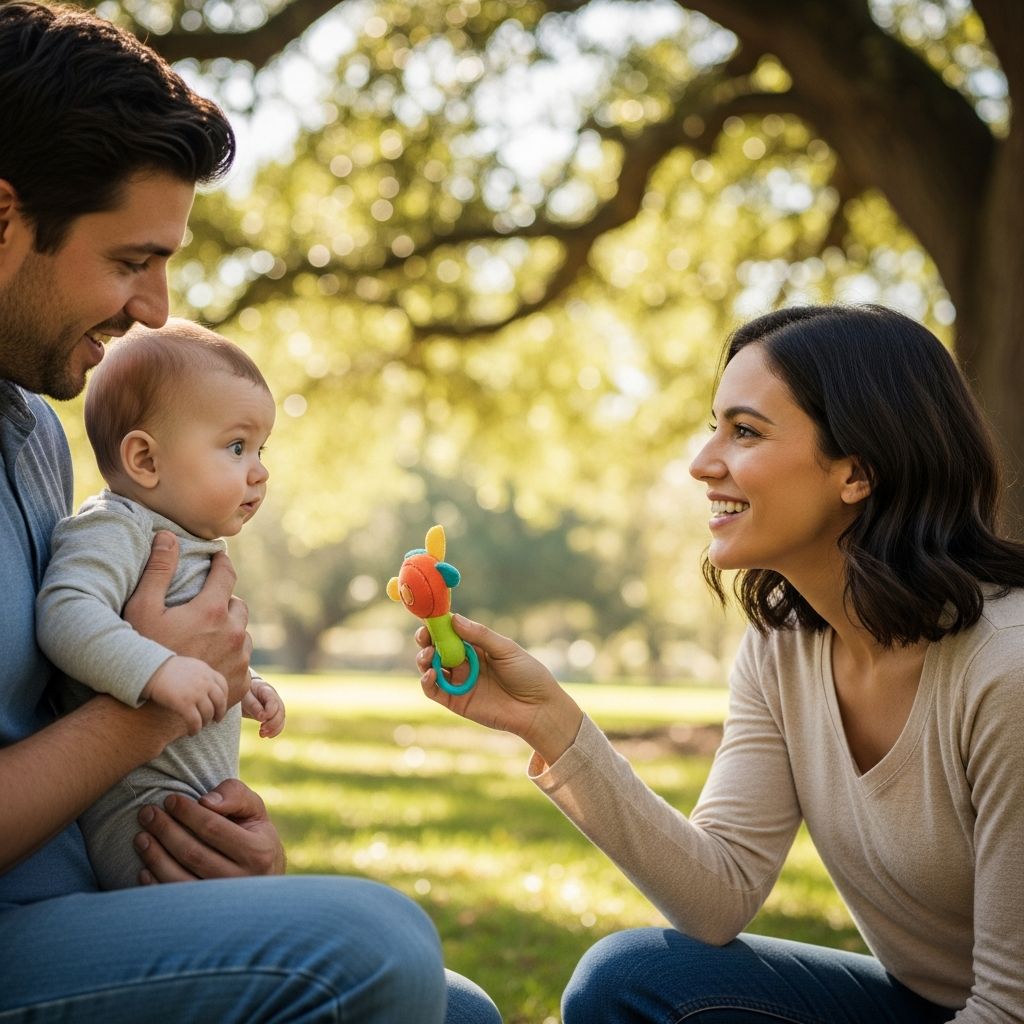
Stranger anxiety represents a key developmental milestone where infants display distress around unfamiliar people, typically emerging between 6 and 9 months of age and fading by age 2. This phase reflects growing cognitive awareness and attachment bonds, helping babies discern safe from unknown figures.
Understanding the Roots of Stranger Anxiety
During early infancy, babies view the world through a lens of familiarity. As object permanence develops—the realization that objects and people exist even when out of sight—infants begin differentiating trusted caregivers from others. This shift, often coinciding with mobility like crawling, heightens wariness toward strangers, serving as an evolutionary safeguard.
Research indicates stranger anxiety arises gradually, with initial caution around 4 months escalating by 8-9 months. Factors like maternal stress can amplify it; mothers reporting high anxiety-related reactivity often have infants with prolonged fear responses. Genetic influences, evidenced by higher concordance in identical twins, also play a role.
Recognizing Common Signs in Your Infant
Babies express stranger anxiety uniquely. Observable behaviors include:
- Sudden silence or wide-eyed staring at newcomers.
- Loud crying, fussing, or clinging tightly to parents.
- Hiding face in caregiver’s shoulder or positioning parent as a barrier.
- Freezing in place with fearful expressions.
These reactions peak between 12-15 months, varying by temperament—some infants recover quickly, others persist longer.
Distinguishing Stranger Anxiety from Separation Anxiety
| Aspect | Stranger Anxiety | Separation Anxiety |
|---|---|---|
| Trigger | Unfamiliar person approaches. | Caregiver leaves the room. |
| Onset | 6-9 months, peaks 12-15 months. | 8 months, peaks 10-18 months. |
| Expression | Crying at strangers even with parent present. | Tantrums, nighttime wakings when separated. |
| Resolution | By age 2 as social skills grow. | By 24 months with object permanence. |
Separation anxiety hinges on absence, while stranger anxiety focuses on presence of unknowns. A baby upset with a familiar grandparent signals separation issues; distress toward a new face indicates stranger fear.
When Stranger Anxiety Becomes Excessive: Stranger Terror
While typical, extreme cases termed ‘stranger terror’ disrupt daily life, linked to reactive attachment disorder. Signs include:
- Fleeing or arching back violently from strangers.
- Prolonged wary silence or screams impeding function.
- Failure to explore beyond caregiver, even at home.
This intensifies post-12 months with advanced memory and attachment. Consult professionals if it hinders development or persists beyond age 2.
Practical Steps to Support Your Baby
Helping babies navigate this phase fosters secure attachments. Key strategies include:
- Stay composed: Your calm demeanor reassures; anxious parental reactions heighten infant fear.
- Introduce gradually: Allow strangers to approach slowly from a distance, engaging you first.
- Model positivity: Smile, chat warmly with visitors to demonstrate safety.
- Maintain routines: Consistency in feeds, naps builds security amid changes.
- Offer comfort freely: Hold and soothe without forcing interaction—progress comes naturally.
Time in new settings with support reduces intensity over weeks.
Role of Parental Behavior and Environment
Mothers exhibiting positive social modeling lessen fear in temperamentally anxious infants. High maternal stress predicts chronic trajectories, underscoring self-care for parents. Create welcoming spaces: soft lighting, familiar toys during visits ease transitions.
Encourage exploration from your lap; praise brave steps to build confidence. Avoid shaming reactions—frame as normal growth.
Developmental Timeline and Expectations
Expect fluctuations:
- 4-6 months: Subtle wariness emerges.
- 8-9 months: Peak distress onset.
- 12-15 months: Heightened with mobility.
- 18-24 months: Decline as language, empathy develop.
By toddlerhood, most engage strangers independently.
Building Long-Term Social Confidence
Beyond basics, expose via playgroups, libraries gradually. Narrate emotions: “That friend looks fun, but it’s okay to watch first.” Responsive parenting enhances regulation, reducing later anxiety risks.
Track progress; celebrate small victories like waving.
Frequently Asked Questions
At what age does stranger anxiety typically start?
It begins around 6-8 months, intensifying by 8-9 months, and resolves by age 2.
Is stranger anxiety a sign of poor parenting?
No, it’s a healthy developmental sign of attachment and discernment.
How long does this phase last?
Usually 3-6 months at peak, fading entirely by 24 months.
Should I force my baby to interact with strangers?
Never; gentle exposure and comfort respect their pace.
Can genetics influence stranger anxiety severity?
Yes, twin studies show heritability, alongside maternal anxiety.
What if it doesn’t improve by age 2?
Seek pediatric advice to rule out attachment issues.
Monitoring Progress and Seeking Help
Journal reactions to spot patterns. If terror-like symptoms appear or accompany developmental delays, pediatric evaluation ensures no underlying concerns. Most cases self-resolve with support.
This phase, though challenging, marks emotional maturation. Patient, empathetic guidance equips babies for broader social worlds.
References
- Stranger anxiety – Wikipedia — Wikipedia. 2023-10-15. https://en.wikipedia.org/wiki/Stranger_anxiety
- Separation Anxiety and Stranger Anxiety – Pediatrics — Merck Manuals. 2024-05-01. https://www.merckmanuals.com/professional/pediatrics/symptoms-in-infants-and-children/separation-anxiety-and-stranger-anxiety
- The Development of Stranger Fear in Infancy and Toddlerhood — NIH/PMC. 2014-08-15. https://pmc.ncbi.nlm.nih.gov/articles/PMC4129944/
- Stranger Anxiety: What It Is and How to Help Your Baby — Healthline. 2023-11-20. https://www.healthline.com/health/baby/stranger-anxiety
- Fear of strangers: babies and young children — Raising Children Network. 2024-02-10. https://raisingchildren.net.au/toddlers/behaviour/common-concerns/fear-of-strangers