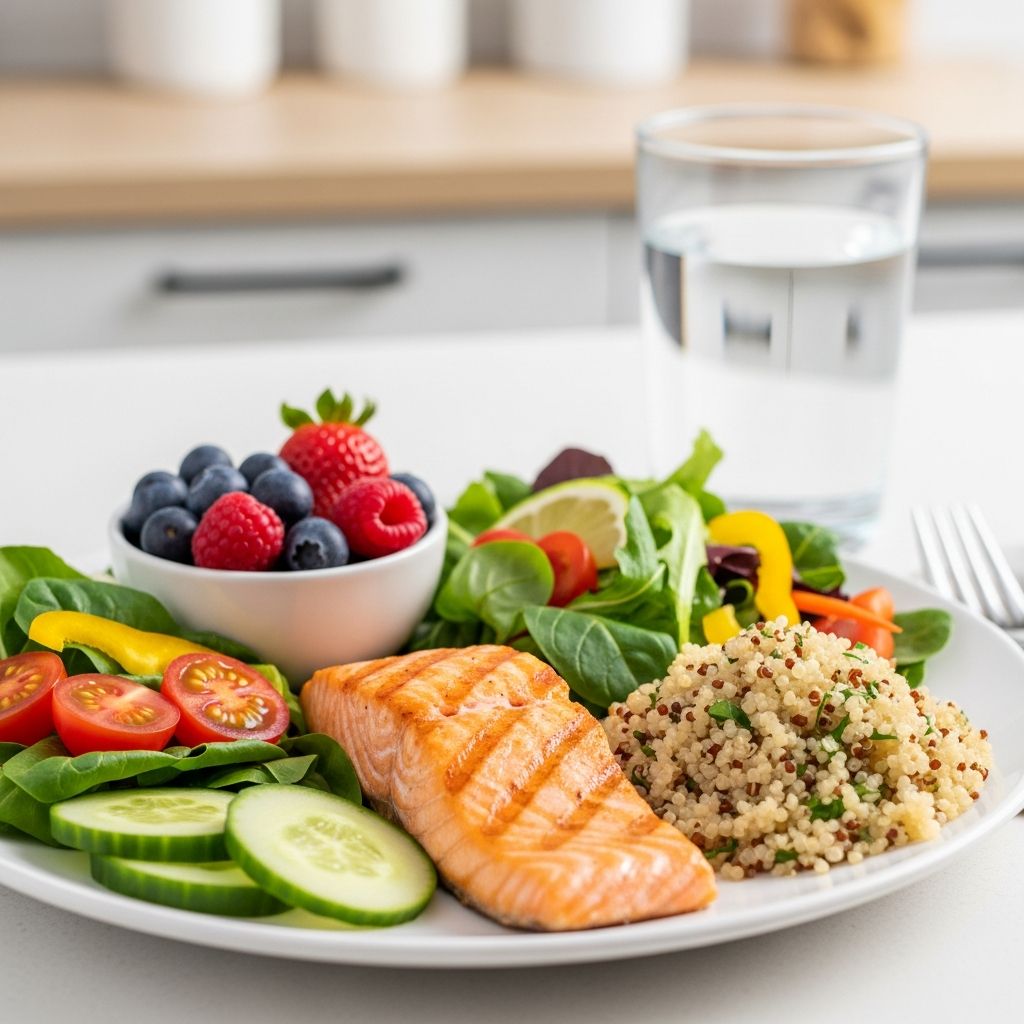
High blood pressure is not just an adult problem. More children and teens than ever are showing early signs of elevated blood pressure, often linked to diet, weight, and inactivity. The DASH eating style offers a flexible, family-friendly way to support a healthy heart without extreme rules or complicated recipes.
This guide explains what the DASH approach is, why it matters for kids, and how busy families can make it work in real life using kid-approved foods and simple routines.
What the DASH Approach Really Is
The DASH approach (Dietary Approaches to Stop Hypertension) is an eating pattern built around whole, minimally processed foods that naturally support healthy blood pressure. It is not a short-term “diet” but a long-term way of eating that can benefit both kids and adults.
Instead of focusing on calories or strict bans, DASH emphasizes balance and variety, encouraging plenty of fruits, vegetables, whole grains, lean proteins, and low-fat dairy, while keeping sodium, added sugars, and unhealthy fats in check.
Why Blood Pressure Matters in Childhood
Blood pressure measures how hard the heart has to work to push blood through the body. When blood pressure is consistently high, it puts extra strain on the heart, blood vessels, kidneys, and other organs, even in children and teenagers.
Early problems often do not cause noticeable symptoms, which is why pediatric checkups usually include blood pressure readings. Supporting a healthy eating pattern from a young age can reduce the risk of heart disease, stroke, and kidney problems later in life.
Core Principles of a DASH-Style Eating Pattern
You do not need special products or complicated rules to follow a DASH-style pattern at home. Think of it as shifting the balance of what appears on the plate most of the time.
- Center meals on vegetables, fruits, and whole grains.
- Choose lean protein sources such as beans, fish, skinless poultry, and lean meats.
- Include low-fat or fat-free dairy products for calcium and protein.
- Limit foods with a lot of added salt, sugar, and saturated fat.
- Encourage water as the main drink instead of sugary beverages.
Key Food Groups and Their Roles
Each major food group contributes something important to blood pressure and heart health. Understanding these roles can make it easier to explain choices to kids and teens in simple terms.
Fruits and Vegetables
Fruits and vegetables are naturally rich in potassium, magnesium, and fiber, nutrients that support healthy blood pressure and overall heart function. They also help kids feel full without adding a lot of calories.
- Offer a fruit or vegetable with every meal and most snacks.
- Use raw veggies with dips, smooth blends in soups, or fruit added to yogurt and cereal.
Whole Grains
Whole grains contain more fiber, vitamins, and minerals than refined grains. Fiber may help with weight management, blood sugar control, and heart health, all of which connect to long-term blood pressure control.
- Look for the word “whole” at the beginning of the grain on ingredient lists.
- Gradually swap white bread, rice, and pasta for whole-grain versions so taste buds can adjust.
Lean Proteins
Protein builds and repairs tissues and helps kids feel full and satisfied. Lean options contribute these benefits without large amounts of saturated fat.
- Include fish, beans, lentils, eggs, tofu, and skinless poultry regularly.
- Use red meat less often and choose lean cuts when served.
Low-Fat Dairy
Dairy products can provide calcium, vitamin D, and protein, which support bone growth and heart function. Low-fat and fat-free versions give these nutrients with less saturated fat.
- Offer low-fat milk or fortified plant-based alternatives if there are allergies or intolerances.
- Choose yogurt and cheese varieties that are lower in sodium and added sugar.
Sodium and Hidden Salt Sources
Sodium (mainly from salt) pulls water into the bloodstream, which can raise blood pressure. Children typically consume far more sodium than they need, often from packaged and restaurant foods rather than the salt shaker.
Teaching kids to enjoy food with less salt is one of the most powerful steps families can take to support healthy blood pressure over time.
Common High-Sodium Foods
- Fast food burgers, fries, and chicken items.
- Packaged snacks like chips, cheese crackers, and flavored popcorn.
- Processed meats such as hot dogs, bacon, deli meats, and sausages.
- Canned soups, noodle cups, and boxed meal mixes.
- Bottled sauces, salad dressings, and seasoning packets.
Simple Ways to Cut Sodium
- Rinse canned beans and vegetables to wash away some of the salt.
- Choose “no salt added” or “low sodium” versions when available.
- Flavor foods with herbs, spices, citrus, garlic, and vinegar instead of extra salt.
- Cook more meals at home so you control how much salt goes into the food.
Balancing Treats and Everyday Foods
A DASH-style pattern does not forbid sweets, fried foods, or salty snacks. Instead, it treats them as occasional extras rather than daily staples. This more relaxed, realistic mindset can prevent kids from feeling deprived or sneaky about food.
Parents can talk about “everyday foods” (fruits, vegetables, whole grains, water, lean proteins) and “sometimes foods” (candies, chips, soda, fried foods) and encourage children to notice how different foods make them feel after eating.
Sample Daily Meal Ideas (Conceptual)
The table below shows sample ideas for a child or teen following a DASH-style pattern. It is not a strict meal plan and should be adjusted for age, activity level, growth, and any medical advice.
| Meal | Example Foods |
|---|---|
| Breakfast | Whole-grain cereal with low-fat milk, sliced fruit, and a small handful of nuts. |
| Morning snack | Carrot sticks and cucumber slices with hummus; water to drink. |
| Lunch | Turkey or bean sandwich on whole-grain bread with lettuce and tomato, side salad or fruit, and low-fat yogurt. |
| Afternoon snack | Plain popcorn seasoned with herbs, or a piece of fresh fruit. |
| Dinner | Baked fish or grilled chicken, brown rice or whole-grain pasta, and a large serving of steamed or roasted vegetables. |
| Occasional dessert | Fruit salad, a small serving of frozen yogurt, or a homemade fruit-based treat. |
Making DASH Work for Real Families
Healthy eating patterns are easier to maintain when the whole family participates instead of singling out one child. Kids are more likely to accept changes when they see adults making similar choices.
- Serve the same basic meal to everyone, adjusting portions for age and appetite.
- Offer two vegetable options so kids can choose the one they prefer.
- Make gradual swaps (for example, half white and half brown rice at first) to ease transitions.
Shopping Strategies on a Budget
Following a DASH-style pattern does not have to be expensive. Many heart-healthy foods are basic pantry items that can be bought in bulk or on sale.
- Buy frozen fruits and vegetables without sauces; they are often cheaper and last longer than fresh.
- Choose store-brand beans, oats, brown rice, and whole-grain pasta.
- Plan meals around weekly sales on lean meats, fish, and dairy products.
- Limit individually packaged snack foods and drinks that add cost but little nutrition.
Getting Kids Involved
Children who help plan, shop, and cook are usually more interested in trying new foods and more invested in the meal. Involvement also teaches life skills and builds confidence.
- Let younger kids wash vegetables, tear lettuce, or stir simple mixtures.
- Ask older children to pick a new fruit or vegetable to try each week.
- Invite teens to search for heart-healthy recipes and prepare a meal for the family.
Beyond Food: Other Lifestyle Factors
While food plays a big role in blood pressure, other daily habits matter too. Encouraging overall healthy routines provides more protection than focusing on any one change.
- Promote regular physical activity, like walking, biking, sports, or dancing.
- Limit screen time so there is more room for movement and sleep.
- Help kids develop stress management skills through play, hobbies, and consistent schedules.
- Work with healthcare providers if there are concerns about weight, sleep apnea, or other conditions.
Frequently Asked Questions About DASH for Kids
Is the DASH approach safe for children?
Yes. A DASH-style pattern is based on foods that nutrition experts already recommend for children: plenty of fruits and vegetables, whole grains, lean proteins, and low-fat dairy, with less added salt and sugar. For kids with medical conditions, it is still wise to check with a healthcare provider or dietitian before making major changes.
Does my child need to cut out all salt?
No. Sodium is an essential nutrient; the goal is not to remove it completely but to avoid excessive amounts. Focusing on cooking at home more often, tasting food before salting it, and choosing lower-sodium options helps shift intake toward a healthier range.
What if my child is a picky eater?
Picky eating is common and can make change feel frustrating. Introduce new foods slowly, offer them alongside familiar favorites, and avoid pressure or bribes. Repeated gentle exposure, positive modeling from adults, and letting kids help in the kitchen often lead to more acceptance over time.
Can a DASH-style pattern help with weight?
Many families find that focusing on nutrient-dense foods and reducing sugary drinks and heavily processed snacks naturally supports a healthier weight. However, weight is only one part of the picture; the primary goal is to improve health markers like blood pressure and energy levels.
How quickly will blood pressure improve?
Every child is different. Some may see changes in blood pressure readings within weeks of consistently following a DASH-style pattern and being more active. For others, improvements may be more gradual and depend on genetics, weight, sleep, stress, and other medical issues.
Do we need special DASH-branded foods or supplements?
No special products are required. The approach is built on everyday foods you can find in any grocery store. Supplements should only be used if recommended by a healthcare provider for a specific reason.
Practical Takeaways for Parents
Supporting healthy blood pressure in children does not mean perfection. Small, consistent changes can add up over time and often feel more manageable for busy families.
- Stock your kitchen with fruits, vegetables, whole grains, beans, and low-fat dairy.
- Limit highly salty snacks and fast foods to special occasions instead of everyday choices.
- Encourage water over sugary drinks at meals and snacks.
- Make changes as a family so no one feels singled out.
- Work with your child’s healthcare provider to track blood pressure and adjust the plan when needed.
By embracing a DASH-style eating pattern and a heart-healthy lifestyle, families can give children a strong foundation for lifelong health, one meal and one small choice at a time.