Children are naturally active explorers, and minor cuts and scrapes are inevitable parts of growing up. Knowing how to properly care for these injuries at home can prevent complications and speed up recovery. This guide provides parents with practical steps for assessment, treatment, and monitoring, drawing from established pediatric health practices.
Understanding Common Childhood Injuries
Minor skin injuries like cuts, scrapes, and punctures occur frequently during play, sports, or daily activities. A **cut** is a clean break in the skin caused by sharp objects, while a **scrape** or abrasion involves the top layers of skin rubbed away by friction. Punctures happen when pointed items penetrate the skin deeply. Most heal within a week without issues, but proper care is crucial to avoid infection.
Children’s skin is thinner and more delicate than adults’, making them prone to bleeding more profusely from small wounds. Factors like location—such as knees, elbows, or palms—increase risk due to constant movement and dirt exposure. Early intervention minimizes scarring and promotes faster tissue repair.
Initial Assessment of the Injury
Stay calm to reassure your child. First, wash your hands thoroughly or use sanitizer. Examine the wound under good lighting:
- Size and depth: Superficial wounds affect only the outer skin; deeper ones may expose fat, muscle, or bone.
- Bleeding level: Mild oozing is normal; steady spurting or pooling indicates possible artery involvement.
- Foreign objects: Check for gravel, glass, or splinters.
- Location: Face, genitals, or joints warrant extra caution due to infection risk or impaired function.
If the cut is longer than half an inch on the face or one inch elsewhere, or if edges won’t close naturally, professional evaluation may be needed. Assess your child’s overall condition: paleness, dizziness, or excessive pain could signal more serious trauma.
Step-by-Step First Aid Process
Follow these sequential steps for effective wound management:
- Stop the bleeding: Apply firm, direct pressure with a clean cloth or sterile gauze for 5-10 minutes without peeking. Elevate the area above heart level if possible.
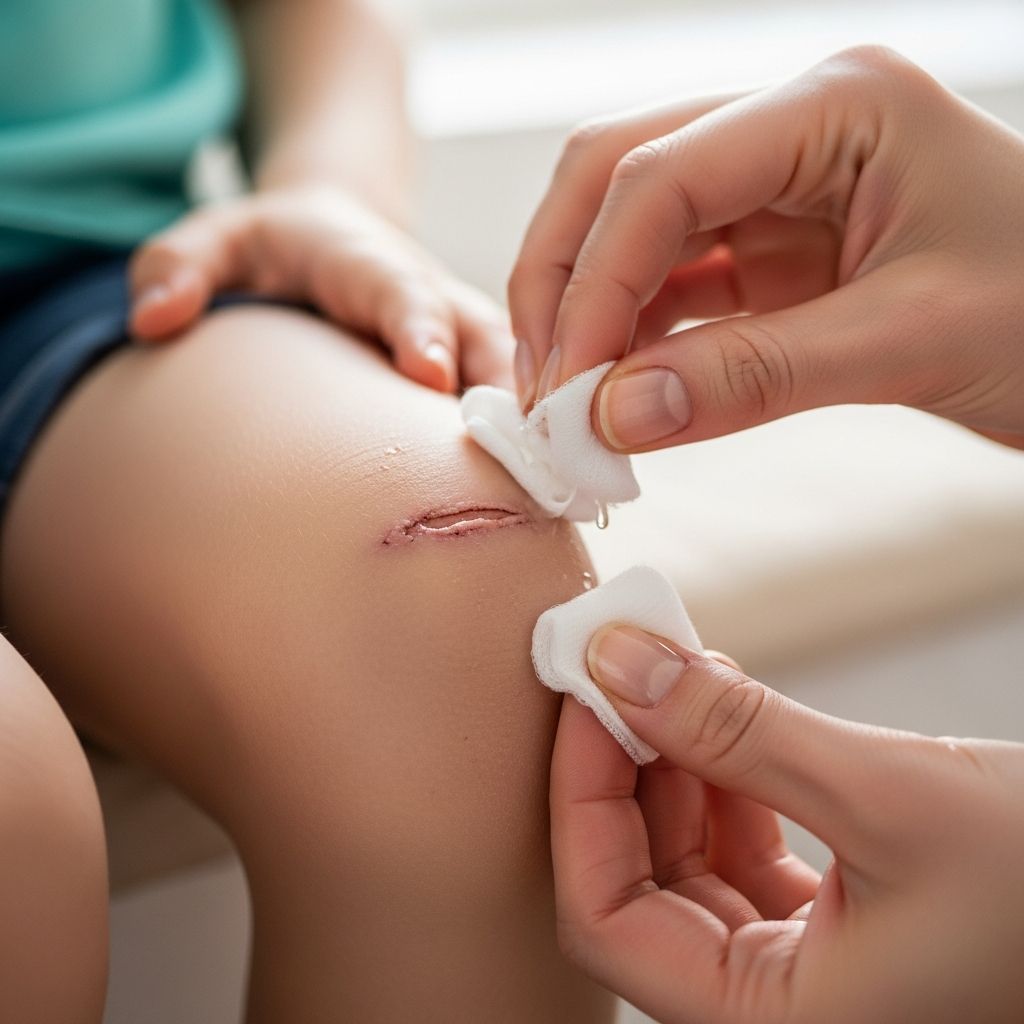
- Clean the wound: Rinse under cool running water for 5 minutes to flush debris. Use mild soap around the edges, avoiding direct contact with the wound. Pat dry gently.
- Remove debris: Tweezers sterilized with alcohol can extract visible particles. For embedded objects, seek medical help.
- Apply antibiotic ointment: A thin layer of over-the-counter ointment like bacitracin prevents bacterial growth.
- Bandage appropriately: Use non-stick gauze and tape for moist healing. Change daily or if wet/dirty.
| Wound Type | Best Cleaning Method | Bandaging Tip |
|---|---|---|
| Cut | Gentle irrigation | Butterfly closures for edges |
| Scrape | Long water rinse | Loose wrap to allow airflow |
| Puncture | Minimal probing; soak | Light covering; monitor closely |
Pain Management and Comfort for Kids
Children experience amplified pain from injuries. Offer age-appropriate comfort:
- Distraction techniques like storytelling or toys.
- Over-the-counter pain relievers such as acetaminophen or ibuprofen, dosed by weight (consult pediatrician for guidelines).
- Cool compresses to reduce swelling.
Explain each step simply to reduce fear: “This water will wash away the ouchies.” Cuddles and praise post-treatment build resilience.
Recognizing Signs of Infection
Monitor daily for these red flags, typically appearing 1-3 days post-injury:
- Increasing redness, warmth, or swelling around the wound.
- Pus, yellow/green drainage, or foul odor.
- Red streaks extending outward.
- Fever over 100.4°F (38°C) or chills.
- Child’s worsening pain or irritability.
Infections stem from bacteria like Staphylococcus entering unclean wounds. Prompt antibiotics may be required if these develop.
When to Seek Immediate Medical Attention
Not all wounds heal at home. Head to a doctor or ER if:
- Bleeding doesn’t stop after 10 minutes of pressure.
- Wound is deep, gaping, or caused by animal/human bite, rusty object, or dirty item.
- Involves face, eyes, mouth, hands, feet, or genitals.
- Child hasn’t had tetanus booster in 5 years (dirty wounds) or 10 years otherwise.
- Signs of numbness, weakness, or foreign body retained.
Stitches might be needed for cosmetic or functional reasons, ideally within 6-8 hours for optimal closure.
Special Considerations for Different Wounds
Bites and Punctures
Animal bites carry rabies or bacteria risk; human bites transmit oral pathogens. Clean vigorously and get evaluated always. Punctures trap bacteria due to no oxygen exposure—irrigate deeply if possible.
Burns with Cuts
Cool burns immediately but avoid ice. Cover loosely; blisters indicate second-degree damage needing professional care.
Head Injuries Accompanying Cuts
Scalp cuts bleed heavily due to vascularity. Watch for concussion symptoms like vomiting or confusion alongside wound care.
Long-Term Wound Care and Scar Prevention
Keep wounds moist with ointment for 3-5 days to optimize healing. Once scabbed, expose to air sparingly. After 1-2 weeks:
- Massage with vitamin E or silicone gel to soften scars.
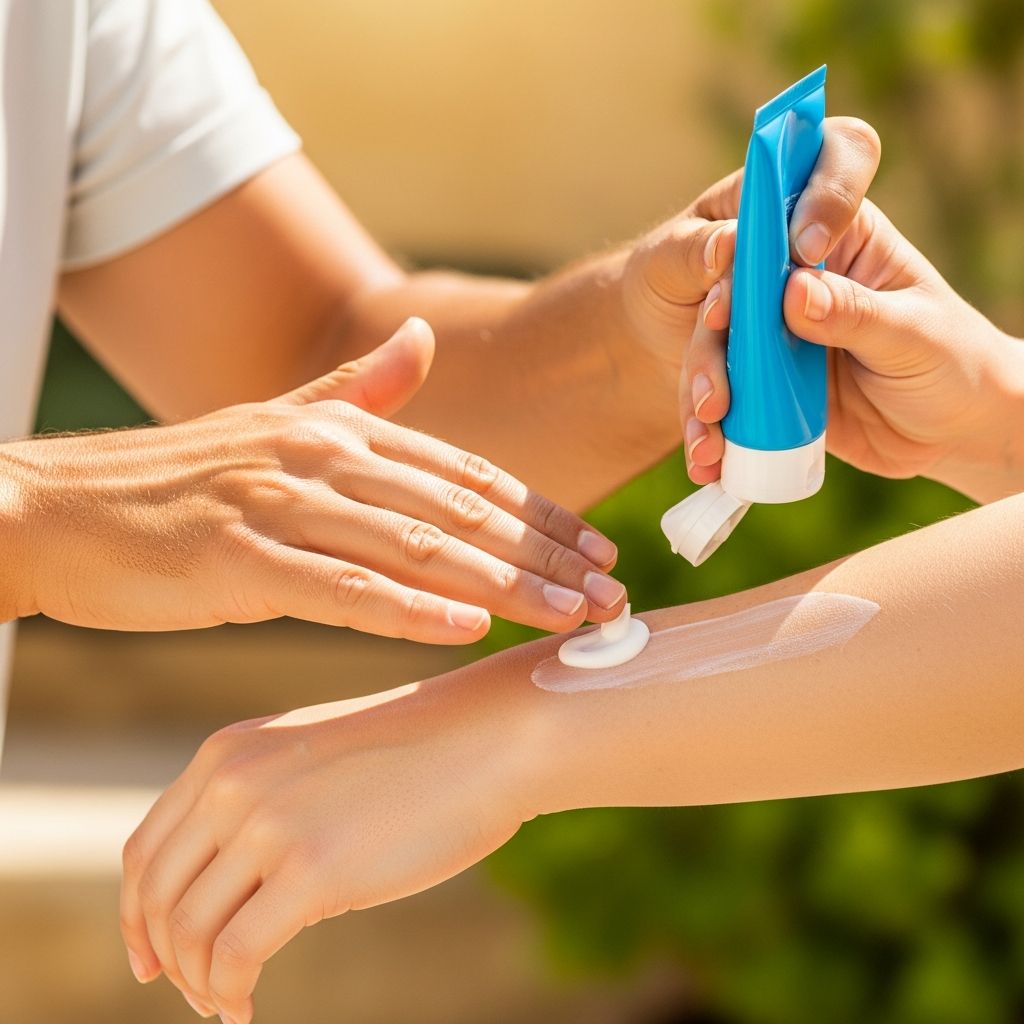
- Use sunscreen on new skin to prevent hyperpigmentation.
- Silicone sheets reduce raised scars in prone children.
Proper nutrition aids repair: protein, vitamin C (citrus), zinc (nuts). Hydration supports skin regeneration.
Preventing Cuts and Scrapes in Active Kids
Proactive steps minimize incidents:
- Supervise play near hazards like streets or water.
- Enforce protective gear: helmets, knee pads for biking/skating.
- Teach safe tool use and garden/playground rules.
- Dress in long pants/sleeves for rough activities.
- First aid kit stocked: gloves, antiseptics, bandages.
Home safety audits cover sharp corners, secure rugs, and childproofing.
Building Resilience Through Injury Care
Viewing injuries as learning opportunities fosters independence. Involve older kids in cleaning/bandaging to empower them. Discuss germ basics and hygiene naturally.
Most parents master this with experience, reducing anxiety over time. Pediatric resources reinforce confidence in home management.
Frequently Asked Questions (FAQs)
Should I use hydrogen peroxide on cuts?
No, it damages healthy cells. Stick to water and soap for cleaning.
How long before a scab forms?
Usually 1-3 days; keep it moist initially to prevent thick scabs.
Can I remove a child’s stitches at home?
Never; always return to provider for safe removal.
What if my toddler picks at the bandage?
Use fun, waterproof ones and distract; reapply promptly.
Is petroleum jelly enough instead of antibiotic ointment?
Yes for low-risk clean cuts, but antibiotics better prevent infection.
References
- Wound Care After an Injury — American Academy of Pediatrics. 2023-10-15. https://www.healthychildren.org/English/health-issues/injuries-emergencies/Pages/Wound-Care-FAQs.aspx
- Cuts and Wounds of the Face — Centers for Disease Control and Prevention. 2024-05-22. https://www.cdc.gov/hygiene/about/wound-care.html
- Treating Cuts and Scrapes in Children — Mayo Clinic. 2025-01-10. https://www.mayoclinic.org/first-aid/first-aid-cuts/basics/art-20056711
- Guidelines for Wound Management — World Health Organization. 2023-08-01. https://www.who.int/publications/i/item/9789240071859
- Pediatric Wound Care Recommendations — American Academy of Family Physicians. 2024-11-20. https://www.aafp.org/pubs/afp/issues/2024/1100/pediatric-wound-care.html