Intergenerational relationships between grandparents and grandchildren create profound, lasting impacts on family dynamics. These connections offer unique opportunities for emotional nurturing, knowledge sharing, and mutual health enhancements that strengthen family units across ages.
Physical Vitality Through Active Engagement
Spending time with grandchildren naturally encourages grandparents to increase their daily movement. Activities like playing in parks, chasing toddlers, or assisting with childcare lead to more steps, exercise, and overall physical exertion. Geriatric experts note that older adults involved in such interactions tend to maintain higher activity levels, which supports cardiovascular health and mobility.
This boost in physical activity combats sedentary lifestyles common in later years. For instance, lifting a child, walking to playgrounds, or participating in games promotes muscle strength and balance, reducing fall risks. Grandchildren, in turn, gain from outdoor play that fosters their motor skills development.
- Daily walks with grandkids can add thousands of steps.
- Play sessions improve flexibility and endurance.
- Consistent involvement links to lower chronic disease rates.
Mental Sharpness and Cognitive Benefits
Grandparenting stimulates brain function through engaging, unpredictable interactions. Reading stories, solving puzzles, or teaching games challenges memory and problem-solving skills. Research indicates that periodic caregiving for grandchildren positively affects cognition in older adults, helping preserve mental acuity.
Studies show women who babysit one day a week perform better on cognitive assessments, suggesting moderated grandparenting routines enhance brain health without overload. This mental exercise mirrors protective factors against dementia, keeping neural pathways active.
| Activity | Cognitive Benefit |
|---|---|
| Storytelling | Boosts memory recall |
| Puzzle play | Enhances problem-solving |
| Teaching skills | Strengthens executive function |
Combating Isolation and Emotional Well-Being
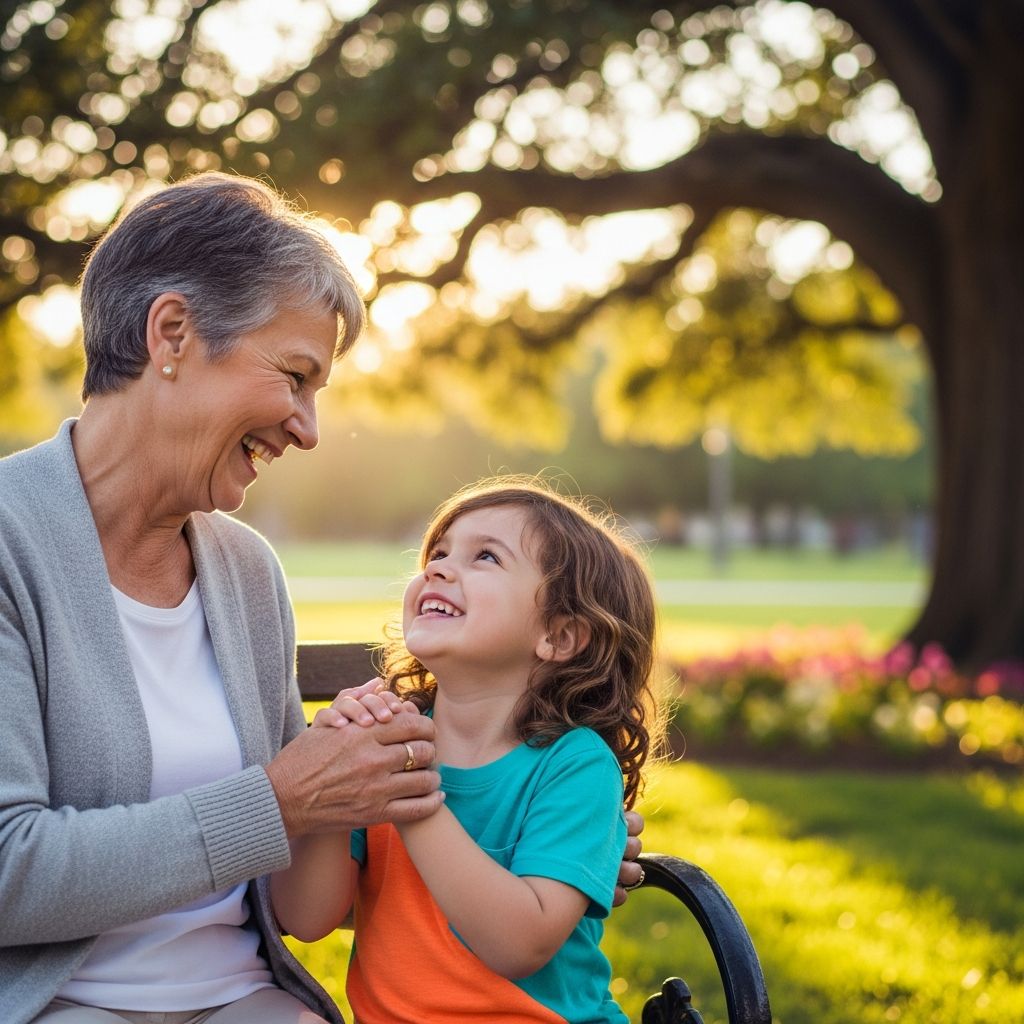
Loneliness affects many seniors, but grandchild visits provide vital social connections. Emotionally close ties reduce depression symptoms for both generations, as evidenced by longitudinal studies. Grandparents feel valued, while children receive non-judgmental support.
The release of oxytocin from hugs and cuddles lowers stress hormones like cortisol, promoting calm and bonding. This reciprocity builds resilience, with grandparents offering stability amid modern life’s pressures, and grandchildren injecting joy and vitality.
Fostering Purpose and Longevity
A clear sense of purpose correlates with extended lifespans, and grandparenting delivers this abundantly. Caring for grandchildren gives seniors meaningful roles, akin to findings from longevity studies where purposeful living predicts better health outcomes.
European research reveals grandparents providing regular, non-primary care live up to five years longer with reduced mortality risks. This ‘grandmother effect’ underscores evolutionary advantages of intergenerational help, benefiting family survival and individual health.
Rediscovering Playfulness and Mindfulness
Grandkids invite grandparents to embrace play, reigniting childlike wonder. Building forts, imaginative games, or simple outdoor adventures shift focus to the present moment, curbing ‘monkey mind’ and enhancing mindfulness naturally.
This playfulness elevates mood via dopamine surges and counters adult routine’s monotony. For grandchildren, it models creativity and emotional expression, creating joyful shared memories that deepen bonds.
Immune Support and Stress Reduction
Physical affection from grandchildren triggers oxytocin release, bolstering immune responses and mitigating age-related declines. Hugs and hand-holding foster relaxation, indirectly supporting healthier aging by managing inflammation and stress.
Balanced involvement prevents burnout, ensuring benefits like stronger immunity without excessive strain. Children absorb nurturing touch, aiding their socio-emotional growth.
Cultural Wisdom and Value Transmission
Grandparents serve as living archives of family history, traditions, and life lessons. Sharing stories imparts resilience, ethics, and cultural identity, filling gaps parents may overlook. This guidance shapes grandchildren’s worldviews uniquely.
Less authority than parents allows gentle influence, making children receptive. Reciprocally, grandkids’ fresh perspectives challenge and refresh elders’ views.
Unconditional Support Networks
In turbulent times, grandparents provide steadfast emotional anchors. Their patience and empathy offer safe spaces for grandchildren to vent, building self-esteem and coping skills. This cheering squad effect buffers life’s hardships.
Mutual admiration thrives: grandparents celebrate milestones, gaining pride; kids cherish undivided attention, fostering security.
Practical Tips for Meaningful Interactions
To maximize benefits, prioritize quality over quantity. Schedule regular visits or calls, engage in shared hobbies, and respect parental boundaries.
- Plan age-appropriate activities like crafts or baking.
- Use technology for virtual storytimes.
- Encourage questions to spark curiosity.
Moderation key: avoid primary caregiving to sustain energy. Communicate openly with parents for harmony.
Frequently Asked Questions (FAQs)
Q: How often should grandparents spend time with grandchildren for health benefits?
A: Research suggests periodic care, like one day a week, optimizes cognitive and emotional gains without exhaustion.
Q: Can virtual interactions provide similar benefits?
A: Yes, video calls maintain emotional closeness, reducing loneliness, though in-person play adds physical perks.
Q: What if distance separates families?
A: Send care packages, letters, or schedule trips; consistent contact preserves bonds and purpose.
Q: Does grandparenting help with senior depression?
A: Absolutely; close relationships correlate with fewer symptoms for both generations.
Q: How to start if relationships are new?
A: Begin with short, fun visits focused on child’s interests to build trust organically.
Navigating Modern Grandparenting Challenges
Today’s families face schedules, distances, and pandemics, yet adaptability sustains ties. Hybrid approaches blending visits, tech, and letters work well. Parental involvement ensures alignment on discipline and routines.
Health-conscious grandparenting includes safety: updated vaccines, hygiene, and age-suited activities protect all. Financial aid or respite care from grandparents eases burdens, deepening gratitude.
Long-Term Legacy Building
Beyond immediate joys, these bonds craft enduring legacies. Grandchildren internalize values, repeating cycles of care. Seniors reflect on impacts, finding fulfillment in shaped lives.
Communities promoting intergenerational programs amplify effects, proving societal value in family connections.
References
- 6 Benefits of Spending Time with Grandchildren — Blue Zones. 2024-08. https://www.bluezones.com/2024/08/6-benefits-of-spending-time-with-grandchildren/
- 5 Health-Enhancing and Life-Lengthening Benefits of Grandparenting — Dr. Frank Lipman. N/A. https://www.drfranklipman.com/post/5-health-enhancing-and-life-lengthening-benefits-of-grandparenting
- The Importance of Grandparents in the Lives of Their Grandchildren — Alden. N/A. https://www.alden.com/the-importance-of-grandparents-in-the-lives-of-their-grandchildren/
- Grandparenting: Magical Connections & Very Real Benefits — Grandkids Matter. N/A. https://grandkidsmatter.org/hot-topics/grandchildren/grandparenting-magical-connections-very-real-benefits/
- Honoring the Bond of Grandparents — First Things First. N/A. https://www.firstthingsfirst.org/first-things/honoring-the-bond-of-grandparents/