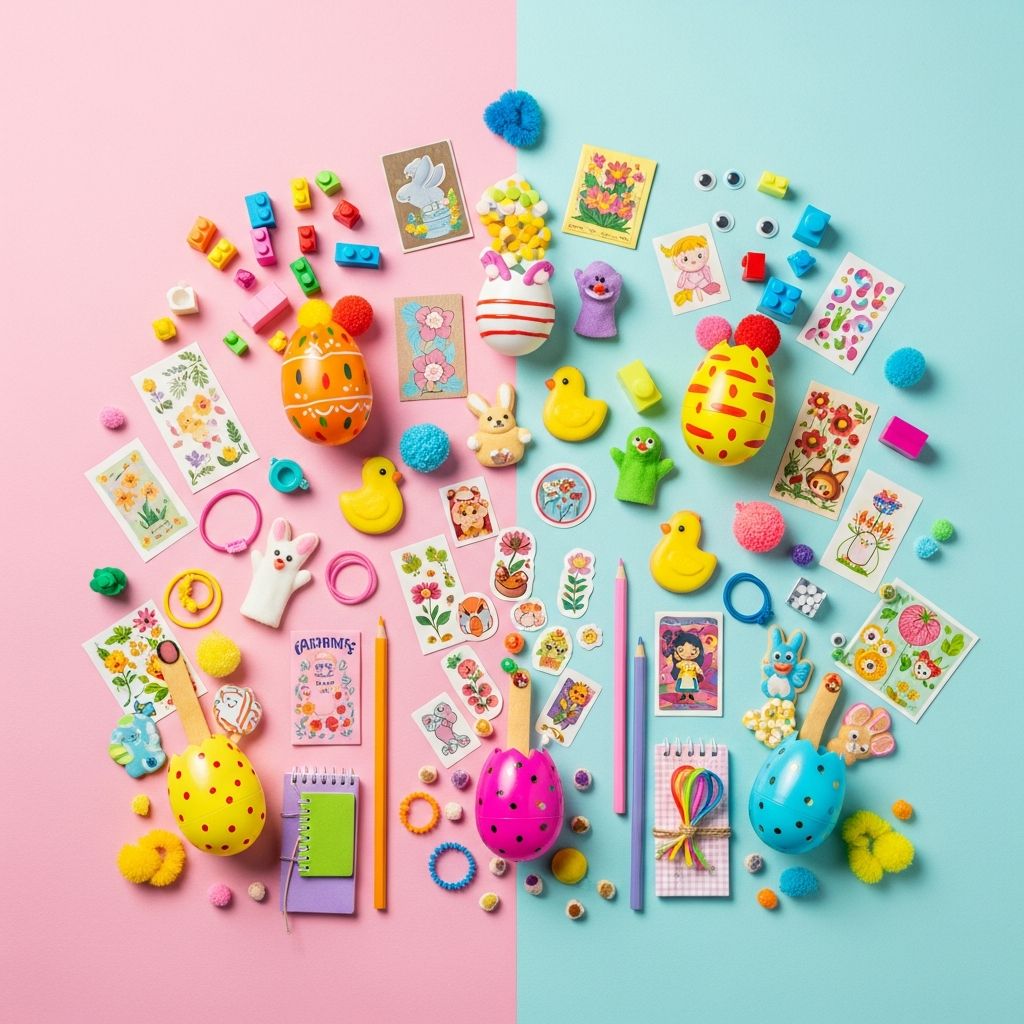
Easter eggs do not have to be overflowing with sugar to feel magical. Thoughtful, tiny surprises can turn your egg hunt into an experience kids remember long after the chocolate bunnies are gone. With a little planning, every plastic egg can hold something that sparks curiosity, invites play, or makes everyday routines more fun.
This guide walks through creative Easter egg stuffers for different ages, budgets, and family values. You will find practical categories, ideas that stretch past the usual trinkets, and tips to keep your hunt fun, safe, and sane.
Rethinking What Goes Inside an Easter Egg
When people think about Easter eggs, they usually picture candy first. There is nothing wrong with a few treats, but relying only on sweets can lead to sugar crashes, dental worries, and a sense that Easter equals candy and little else. By widening what “counts” as an egg stuffer, you create variety and give kids more to look forward to than just wrappers.
Start by thinking about how your child actually plays. Do they build, draw, dress up, collect, or explore outside? Use their real interests as your guide and let the egg be a tiny delivery system for things they will genuinely use, not just dig out and forget.
Age-Appropriate Egg Stuffers at a Glance
Different ages handle small items, flavors, and novelty in very different ways. Babies mostly enjoy shaking eggs and watching parents open them, while older kids might appreciate a gift card or a clue to a bigger surprise. Choosing fillers with age in mind keeps the hunt both fun and safe.
| Age group | Main focus | Best stuffer styles |
|---|---|---|
| Toddlers (1–3) | Sensory play and big, easy-to-hold items | Soft snacks, chunky toys, bath items, stickers |
| Preschoolers (3–5) | Imagination and simple games | Mini figures, play dough, crayons, simple accessories |
| Early elementary (6–8) | Collecting, reading, and crafts | Puzzle pieces, small craft kits, joke cards, coupons |
| Tweens (9–12) | Independence and personal style | Tech accessories, self-care items, experiences, vouchers |
Use this overview as a starting point, then adapt to your child’s maturity, interests, and any allergies or sensory needs in your home.
Smart Snacking: Treats That Go Beyond Candy
Candy is easy, but it is not the only way to make eggs feel special. Savory snacks and small portions of better-for-you treats can deliver the same excitement without overloading tiny bodies with sugar. For very young children, keeping foods simple and familiar also helps avoid upset stomachs in the middle of the festivities.
- Use small containers or snack bags to portion out crackers, puffs, or dry cereal.
- Mix a few chocolate pieces with nuts or dried fruit for older kids who like a little of everything.
- Consider one or two eggs with a “golden ticket” coupon redeemable for a larger snack later in the day.
When you do offer candy, decide on a total number of sweets in advance. This makes it easier to set clear boundaries around how much gets eaten during the hunt and what will be saved for later.
Non-Candy Fillers Toddlers Can Safely Enjoy
Toddlers explore the world with their mouths, which makes egg stuffers a safety puzzle. Focus on items that are too large to swallow, not brittle, and easy to clean. Think of the egg as a container for something they already love, just presented in a more exciting way.
- Large foam or rubber bath toys that squeak or pour water.
- Chunky animal figures from a set you can divide across several eggs.
- Pairs of fun socks rolled tightly and tucked into big plastic eggs.
- Simple board-book style picture cards with bright, high-contrast images.
- A single jumbo crayon or triangular crayon that will not roll away easily.
Always supervise toddlers closely during egg hunts, and remove any small pieces immediately if siblings are opening eggs nearby.
Preschool Magic: Tiny Toys That Spark Imagination
Preschoolers love little worlds. They build elaborate stories around miniature characters, vehicles, and props. Instead of filling every egg with the same type of toy, choose a theme and let each egg deliver another piece of that story universe.
- Mini animals, fairies, or superheroes that can share a dollhouse or play mat later.
- Small vehicles like race cars, tractors, or rescue trucks.
- Plastic food pieces that work with a toy kitchen or grocery setup.
- Mix-and-match figure parts (hats, tools, pets) that encourage kids to blend sets.
- Simple costume items like clip-on tails, plastic bracelets, or toy crowns.
After the hunt, set aside some time to sit on the floor and help your child weave all these little pieces into a larger game. That shared play is often more memorable than the eggs themselves.
School-Age Fun: Stuffers That Build Skills
Once kids are reading and doing simple math, you can sneak a little learning into the fun without making anything feel like homework. Small “project” fillers turn the egg into the starting point for an activity that might last all afternoon.
- Jigsaw puzzle pieces, divided across several eggs, that assemble into one shared picture.
- Letter tiles or word cards that can later be arranged into silly phrases.
- Dice for simple math games or board games you already own.
- Tiny notebooks, sticky tabs, or pens in favorite colors for secret codes and lists.
- Mini science items like a magnifying glass, a few smooth rocks, or simple experiment instructions.
If your child enjoys a particular subject, such as space, animals, or history, fill eggs with themed facts and small objects that connect to that interest.
Tween-Friendly Eggs: Experiences, Style, and Small Tech
Tweens often feel “too old” for traditional egg hunts but still appreciate feeling included in the family ritual. Instead of plastic trinkets, focus on items that respect their growing independence and personal style. Experiences can be especially meaningful at this age.
- Handwritten coupons for things like a movie night pick, extra screen time, or choosing dinner.
- Inexpensive earbuds, phone grips, charging cables, or cord organizers.
- Mini nail polish, lip balm, or face masks in playful but age-appropriate varieties.
- Small-denomination gift cards to a favorite bookstore, game shop, or ice cream place.
- Notes that act as clues leading to a single larger gift hidden elsewhere.
Present the hunt as a challenge rather than a scramble: fewer eggs, but trickier hiding places and more meaningful contents.
Low-Cost Egg Stuffers From Around the House
Filling dozens of eggs does not have to mean a big shopping trip. Many homes already contain tiny treasures that can be cleaned, repurposed, or separated into sets. This approach is especially helpful if you are watching your budget or prefer not to bring in extra clutter.
- Loose LEGO bricks or building pieces grouped by color or theme.
- Pieces from board games that have lost their box but still make good pretend play items.
- Printed photos of family members, pets, or favorite memories folded into eggs.
- Stickers you already own, cut into small strips so one sheet fills many eggs.
- Fabric scraps tied into tiny capes, blankets, or costumes for dolls and action figures.
If you worry that reused items will look less exciting, focus on presentation: wrap them in tissue, add a small note, or connect them to a story you tell during the hunt.
Eco-Conscious Ideas: Less Plastic, More Meaning
Traditional plastic eggs and throwaway toys can add up quickly. If environmental impact matters to your family, there are plenty of ways to honor the holiday without a trail of items headed straight for the trash. The key is choosing fillers that are reusable, consumable, or compostable.
- Seeds for herbs, flowers, or vegetables with a promise to plant them together.
- Wooden or metal tokens that can be exchanged later for an activity or privilege.
- Reusable cloth bags or tiny tins used instead of single-use plastic eggs.
- Beeswax crayons, natural modeling dough, or other art supplies that get used up over time.
- Notes promising future outings: a hike, picnic, library trip, or nature scavenger hunt.
You can also commit to storing your plastic eggs after each holiday and reusing them year after year, which reduces both cost and waste.
Making Candy Work: If You Choose to Include It
Candy can still have a place at Easter when handled intentionally. The goal is balance, not perfection. Decide ahead of time where candy fits into the bigger picture of your celebration so you are not making rushed decisions in the middle of the fun.
- Set a clear limit on how many candy-filled eggs each child can keep.
- Offer a “trade-in” basket where extra sweets can be swapped for a small toy or privilege.
- Spread candy consumption over several days rather than allowing a single binge.
- Include a mix of chocolate, chewy treats, and maybe one or two extra-special favorites instead of a mountain of basic candies.
Talking ahead of time about the plan helps children know what to expect and can reduce arguments once the hunt is over.
Planning Your Egg Mix and Hiding Strategy
Before you start stuffing, decide how many eggs you actually need. It is easy to get carried away and create more eggs than kids can reasonably enjoy. A thoughtful mix of “wow” items and simpler fillers can make the hunt feel full without overwhelming anyone.
- Estimate 8–15 eggs per child, depending on age and attention span.
- Choose a small portion of eggs for premium surprises and the rest for simple fillers.
- Color-code eggs by difficulty or age group so younger children do not compete with older siblings for the hardest finds.
- Hide a few eggs in obvious spots to guarantee quick wins and confidence boosts.
Keep a written count of how many eggs you hide and in which general areas to avoid forgotten, melted, or spoiled surprises later.
Safety and Allergy Considerations
A delightful hunt is one where everyone finishes with smiles, not emergencies. As you brainstorm stuffers, consider choking hazards, food allergies, sensory sensitivities, and any household pets who might discover unfound eggs before you do.
- Avoid very small items for young children or anyone who still mouths objects.
- Label or separate eggs containing potential allergen foods so there are no surprises.
- Skip fragile glass or sharp metal pieces that might break during outdoor hunts.
- Check lawns and public spaces ahead of time for hazards before hiding eggs.
If you invite guests, ask about allergies in advance and consider dedicating one set of clearly marked eggs just for them.
Simple Ways to Make the Hunt Feel Special
Even with incredible egg stuffers, the experience matters more than the objects. Small touches can transform a basic backyard search into a family tradition kids beg to repeat every year. The best part is that many of these extras cost nothing but a bit of imagination.
- Create a short story about the Easter Bunny’s journey and how the eggs ended up in your yard or home.
- Play a themed playlist quietly in the background to set the mood.
- Take a quick photo of each child with their favorite find and save the pictures in a yearly album.
- End the hunt with a shared activity, like reading a spring-themed book or planting a small flower together.
When kids look back, they are likely to remember laughter, sunshine, and family traditions just as much as anything they discovered inside a plastic shell.
Frequently Asked Questions About Easter Egg Stuffers
How many eggs should I plan per child?
For most families, 8–15 eggs per child is plenty. Very young children may be thrilled with just a handful, while older kids can handle more, especially if some eggs contain puzzle pieces or clues instead of individual prizes. Quality of the fillers matters more than hitting a large number.
Do all the eggs need to have the same type of filler?
Not at all. Mixing filler types often makes the hunt more exciting. You might have a few eggs with premium surprises, some with small toys or art supplies, and others with snack portions or coupons. Variety gives kids something to talk about and trade once the hunt is over.
What if my kids have different ages and needs?
Color-coding is your friend. Assign each child a color or pattern of egg, and only hide age-appropriate items in those eggs. This allows you to tailor stuffers individually while still letting everyone search in the same space without worrying about younger siblings finding unsafe items.
How can I keep costs down and still make it special?
Focus on experiences and reusable items rather than one-time trinkets. Use items from around your house, split larger sets between many eggs, and embrace handwritten coupons or notes. Children often respond just as enthusiastically to a promise of extra storytime or a picnic in the park as they do to a store-bought toy.
Is it okay to skip candy altogether?
Absolutely. There is no rule saying Easter must involve sugar. A hunt filled with toys, crafts, coupons, and experiences can be just as thrilling. If you do skip candy, you might want to mention it ahead of time so kids know what kind of surprises to expect and do not spend the whole hunt wondering where the chocolate is hiding.