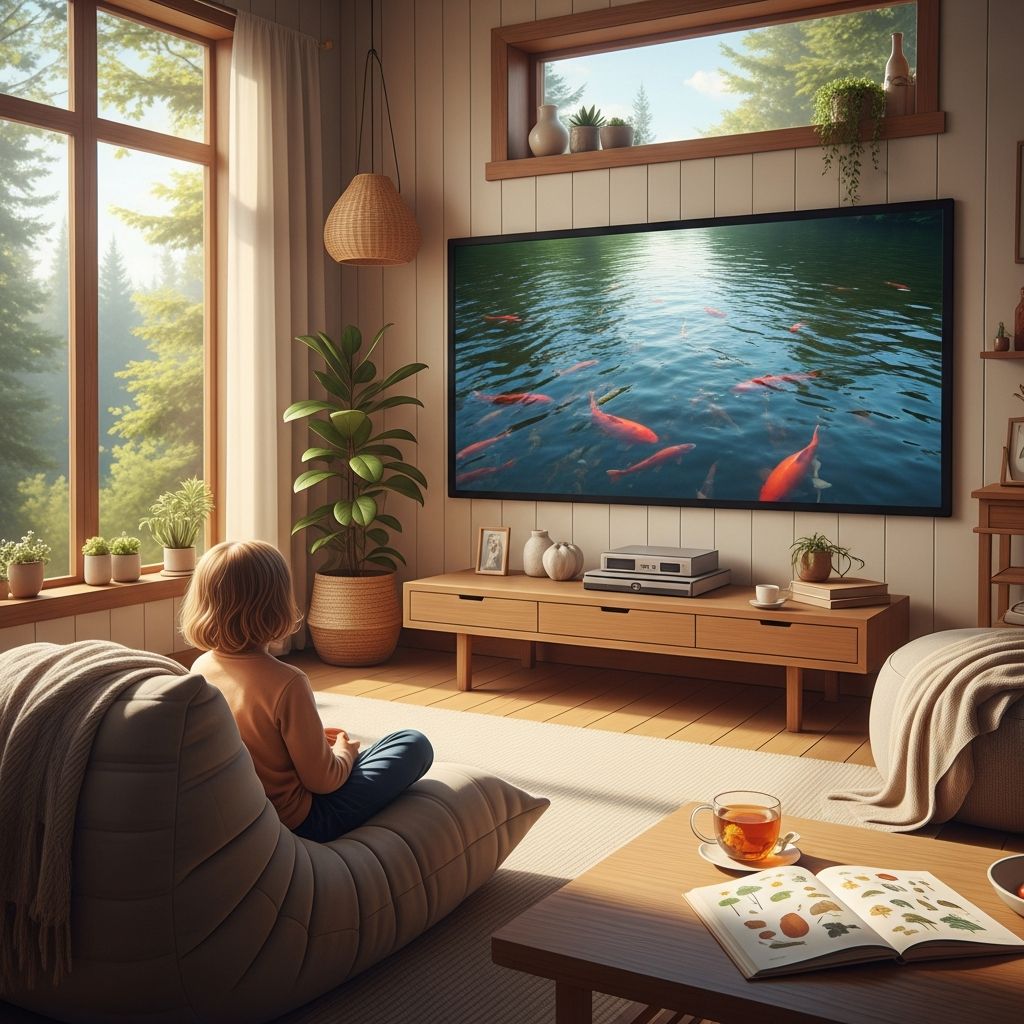
In an era dominated by flashing lights, rapid edits, and high-energy content, parents are seeking alternatives to traditional children’s programming. Slow TV, characterized by its unhurried pace, natural visuals, and minimal narrative drive, offers a refreshing counterpoint. Originating from Norwegian broadcasts like real-time train journeys, this format has evolved into a tool for family wellness, particularly for young viewers. By presenting everyday scenes—such as serene landscapes or gentle crafts—in real time, slow TV helps children engage without the frenzy of modern media.
Understanding the Slow TV Phenomenon
Slow TV strips away the frenetic elements of conventional television. Instead of quick cuts every few seconds, it unfolds at a natural rhythm, often with no script or plot, allowing viewers to absorb details organically. This approach mirrors real-life observation, promoting a state of mindful presence. For children, whose brains are wired for exploration but vulnerable to sensory overload, slow TV provides a gentle entry into visual storytelling.
Unlike high-stimulation shows that change scenes 163 times in 30 minutes, slow TV averages just a handful of transitions per episode, creating a stable viewing experience. This pacing aligns with how toddlers and preschoolers process information, supporting sustained attention rather than constant novelty-seeking.
Why Children’s Brains Need Slower Pacing
Young children’s developing nervous systems struggle with the barrage of stimuli in fast-paced media. Rapid scene shifts, loud effects, and vibrant colors can elevate cortisol levels, leading to irritability and poor self-regulation. Child psychiatrist Dr. Zabina Bhasin notes that such content overwhelms immature brains, resulting in shorter attention spans and impulsive behaviors post-viewing.
Research highlights the contrast: after high-stimulation exposure, kids exhibit reduced self-control and focus in subsequent activities. In opposition, low-stimulation formats encourage emotional stability by fostering a sense of security, lowering stress hormones and aiding transitions to play or sleep.
| Media Type | Scene Changes (30 min) | Effects on Kids |
|---|---|---|
| High-Stimulation | 163+ | Hyperactivity, anxiety, poor focus |
| Slow TV/Low-Stimulation | 3-5 | Calm, better regulation, sustained attention |
This table illustrates the stark differences, underscoring why experts advocate for gentler options during screen time.
Key Benefits for Young Viewers
- Enhanced Emotional Regulation: Gentle pacing helps children self-soothe, reducing meltdowns and promoting balance. Parents report less aggression and easier bedtimes after slow TV sessions.
- Improved Attention and Focus: Without constant hooks, kids learn to sustain interest, countering the ‘boredom’ from real-life activities that fast media induces.
- Mindfulness and Stress Relief: The format invites presence, akin to meditation, easing pandemic-era anxieties and cabin fever by simulating travel safely.
- Boosted Creativity: Open-ended visuals spark imagination, as children project stories onto simple scenes, enhancing cognitive flexibility.
- Educational Value: Exposure to nature, cultures, and processes builds vocabulary and curiosity without overt teaching.
These advantages extend to families, offering shared calm amid busy schedules. For children with sensory sensitivities or those homeschooled, slow TV becomes a virtual window to the world, minus travel risks.
How Slow TV Supports Developmental Milestones
Cognitive growth thrives on appropriate stimulation. The American Academy of Pediatrics emphasizes quality over quantity in media, and slow TV exemplifies this by modeling patience and observation. Toddlers watching knitting journeys or forest walks develop language through descriptive narration, while preschoolers grasp concepts like time and change via unedited progression.
Neurologically, visual processing strengthens as children track slow movements, refining hand-eye coordination indirectly. This contrasts with passive high-energy viewing, where brains chase novelty instead of building neural pathways for reflection.
Real Parent Experiences and Expert Insights
Moms like Hazel Tsukano have transformed routines by swapping flashy shows for classics. Her toddler’s hyperactivity and sleep issues vanished with slower options, restoring harmony. Similarly, during lockdowns, slow TV provided safe escapism, keeping minds active without physical outings.
Experts like Dr. Zee affirm: calmer programming fosters safety, crucial for emotional foundations. Norway’s pioneers prove its global appeal, blending tech with tranquility for modern mindfulness.
Top Slow TV and Low-Stimulation Recommendations
Curate screen time with these vetted picks, available on streaming platforms:
- Winnie the Pooh: Soft adventures in the Hundred Acre Wood emphasize friendship and simple joys.
- Bluey: Playful family tales with measured pacing and heartfelt lessons.
- PBS Nature Series: Real-time animal behaviors and habitats, free and educational.
- Norwegian Train Journeys (NRK): Hypnotic rides through fjords, ideal for virtual travel.
- Rugrats (Classic Episodes): Gentle 90s animation with fewer cuts than reboots.
Start with 15-20 minute sessions to gauge responses, pairing with discussions to amplify learning.
Implementing Slow TV in Daily Routines
Balance is key—limit total screen time per AAP guidelines (1 hour/day for ages 2-5). Use slow TV as a wind-down tool before naps or a reward for calm play. Co-viewing enhances bonds: narrate observations to build connections.
For transitions, set expectations: “After the train arrives, we’ll build blocks.” This mirrors the format’s predictability, easing overstimulation recovery.
Potential Drawbacks and Best Practices
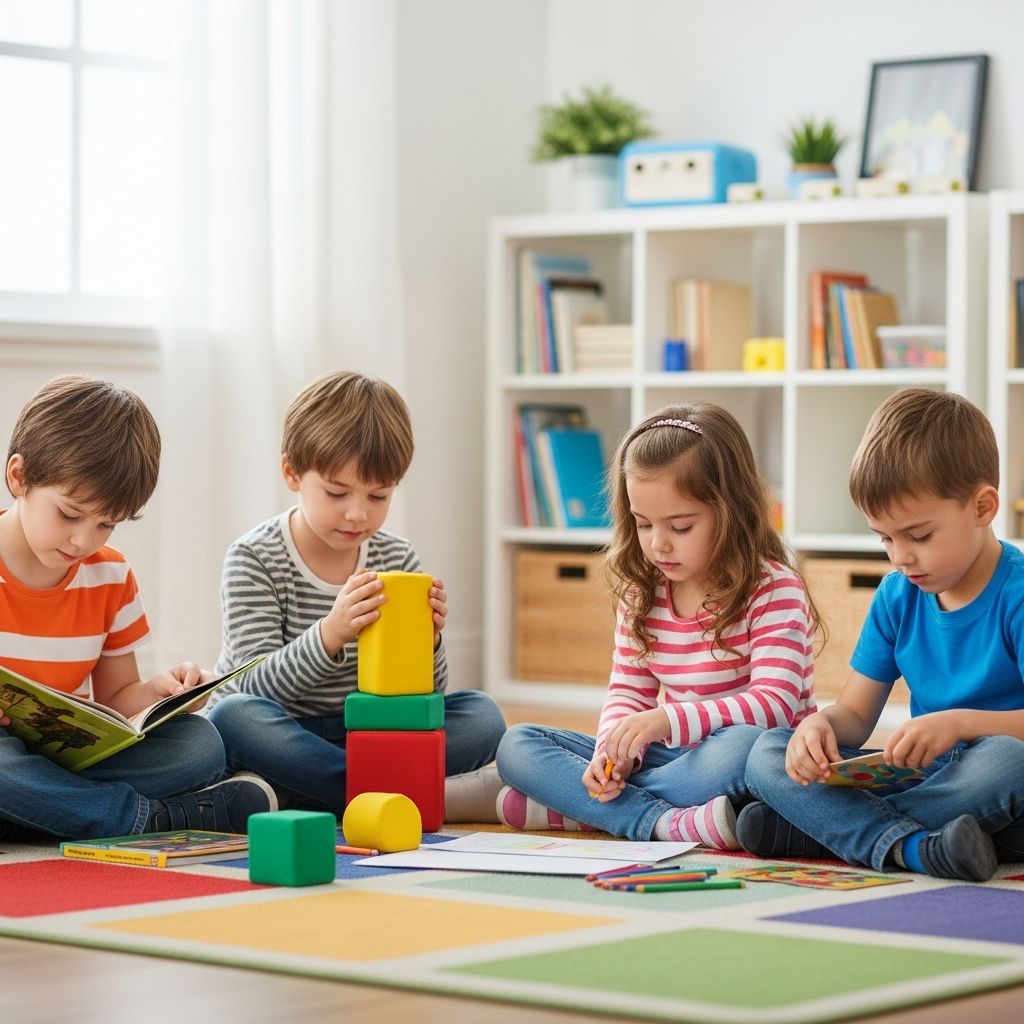
Not all content suits every child; monitor for disinterest. Avoid using TV as a babysitter—active engagement maximizes benefits. Combine with outdoor time for holistic development.
Frequently Asked Questions
Is slow TV suitable for all ages?
Yes, especially toddlers and preschoolers. Adjust based on attention span; older kids may enjoy for relaxation.
Does slow TV replace active play?
No, it’s a supplement. Use sparingly alongside physical and social activities.
Where can I find slow TV content?
Platforms like PBS, Netflix classics, YouTube (NRK archives), and apps like Minno offer options.
Can it help with ADHD symptoms?
It may aid focus and calm, but consult professionals for tailored advice.
How much screen time is ideal with slow TV?
Follow AAP: under 18 months none; 2-5 years max 1 hour of high-quality content.
Future of Gentle Media for Kids
As awareness grows, expect more slow TV tailored for youth, integrating education with calm. This shift promises healthier digital habits, proving screen time can nurture rather than numb.
References
- Health Benefits of watching slow TV — Grimmster. 2020. https://www.grimmster.com/blogs/health/health-benefits-of-watching-slow-tv
- The ‘Slow TV’ movement: Why parents are turning back the clock — ABC News. 2024-10-01. https://abcnews.go.com/GMA/Family/slow-tv-movement/story?id=118533593
- Slow Down With Norway’s Slow TV — Scandinavia Standard. 2014-12-01. https://www.scandinaviastandard.com/slow-down-with-norways-slow-tv/
- Low Stimulation Shows for Kids: The Science and Benefits — GoMinno. 2023. https://gominno.com/blog/low-stimulation-shows-for-kids-the-science-and-benefits-of-gentle-screen-time/
- Best Low Stimulation Shows for Toddlers and Preschoolers — Treehouse Schoolhouse. 2023. https://treehouseschoolhouse.com/blog/best-low-stimulation-shows-toddler-preschooler