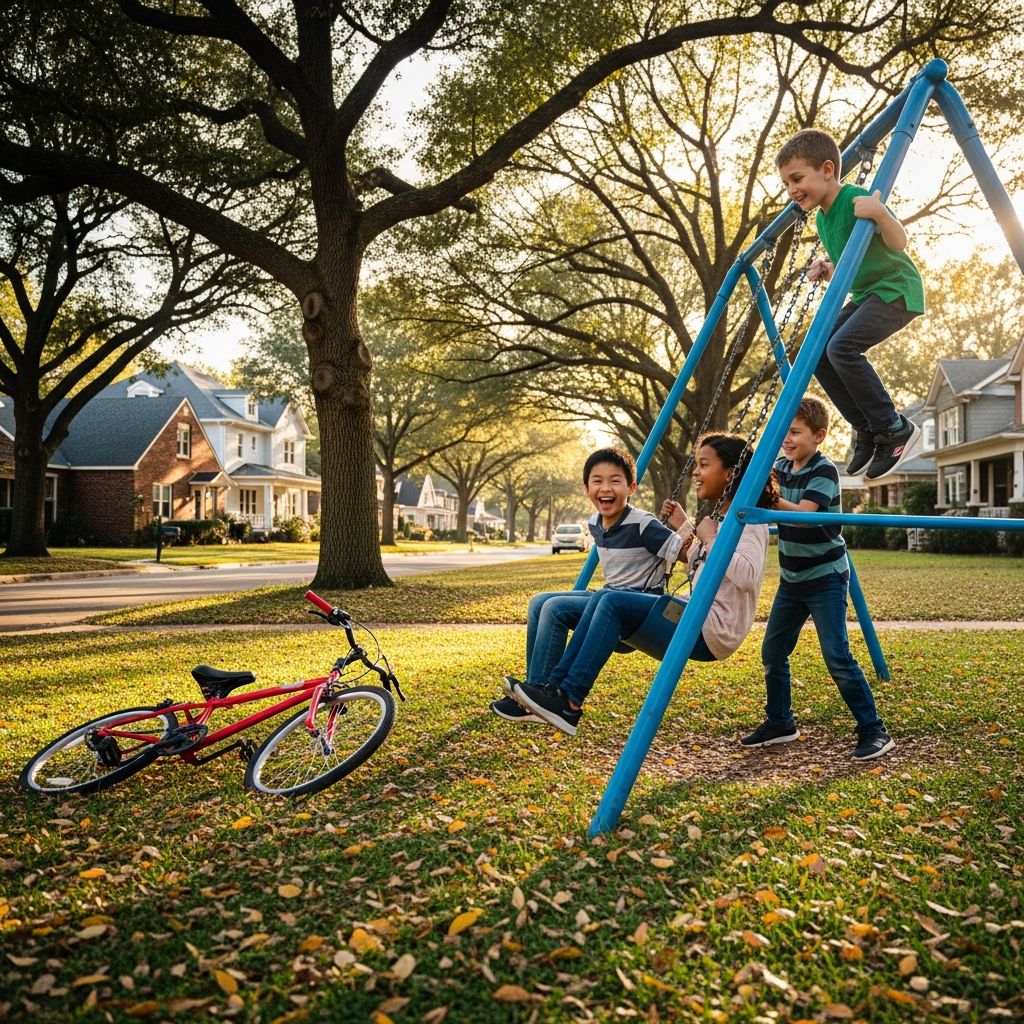
Summer offers endless opportunities for children to explore new interests, build friendships, and create lasting memories. However, high costs can make traditional camps seem out of reach for many families. Fortunately, numerous low-cost or free programs across communities provide high-quality activities tailored to various ages and interests. These options emphasize safety, skill-building, and fun, often at public facilities or through nonprofits, ensuring every child can thrive during vacation months.
Why Choose Budget-Friendly Summer Programs?
Opting for affordable summer activities delivers more than just entertainment. These programs foster independence, social skills, and physical health while accommodating diverse family budgets. Local government initiatives and organizations like the YMCA prioritize accessibility, offering sliding-scale fees, scholarships, and multi-child discounts. Parents report high satisfaction, with children gaining confidence through structured play, team challenges, and outdoor adventures.
- Cost Savings: Weekly fees often range from $50-$200, far below private camps, with options for partial payments or financial aid.
- Convenience: Many include before/after care, meals, and transportation to field trips.
- Diversity: Programs cater to ages 3-17, from toddlers to teens, with themes like arts, sports, STEM, and nature.
- Safety Focus: Trained counselors maintain low camper-to-staff ratios and health protocols.
Local Government Camps: Reliable and Themed Adventures
County parks and recreation departments lead in providing economical full-day camps. For instance, programs in areas like Prince William County feature weekly themes such as space exploration, superheroes, or ocean worlds, blending traditional play with specialty sessions in arts, sports, and STEM. These operate at multiple locations, serving ages 3-17 with field trips, swimming, and on-site experts. Registration typically opens early spring, with online previews available months in advance.
Key perks include:
- Extended care from 7am-6pm for an extra $30-$60 weekly.
- Swim tests for safe pool access, with life vests provided as needed.
- Flexible weeks—no full-summer commitment required.
- Multi-child discounts and waitlist notifications via email.
YMCA Day Camps: Building Character Through Play
YMCA programs stand out for their inclusive approach, welcoming kids of all abilities with themed weeks in creative arts, team sports, and nature challenges. Aimed at ages 5-12, these camps emphasize resilience, friendship, and skill development in safe environments. Nationwide, YMCAs hosted over 364,910 campers in day and resident programs recently, proving their scale and reliability.
Expect daily activities like crafts, basketball, and group games, plus options for specialty focuses such as STEM or outdoor survival. Many locations offer meals, field trips, and scholarships to ensure broad access. Former campers often credit these experiences with inspiring lifelong passions, from leadership to athletics.
Arts and Creative Enrichment on a Dime
Visual and performing arts programs spark imagination without high fees. Community centers host workshops in painting, theater, dance, and music, often partnering with local academies. These half-day or weekly sessions encourage self-expression and collaboration, ideal for budding artists ages 5-14. Look for free or low-cost trials through public libraries or recreation departments.
| Program Type | Age Range | Typical Cost/Week | Highlights |
|---|---|---|---|
| Arts Workshops | 5-14 | $40-$100 | Drawing, pottery, drama performances |
| Music Camps | 6-12 | $50-$120 | Instruments, singing, group bands |
| Theater Days | 7-15 | $30-$90 | Improv, skits, stagecraft |
Sports and Outdoor Programs for Active Kids
Physical activity is central to summer wellness, and budget sports camps deliver coaching in soccer, basketball, swimming, and more. County programs often include multi-sport rotations with tournaments and skill drills. Outdoor options like hiking clubs or nature quests promote fitness amid scenic trails, fostering environmental awareness.
Benefits extend beyond athletics:
- Teamwork and discipline through coached games.
- Adaptive options for varying skill levels.
- Weekly tournaments or scrimmages for excitement.
Educational and Virtual Learning Boosts
For academic-minded families, summer sessions in core subjects, languages, or tech keep skills sharp. Online platforms offer flexible enrollment for grades 6-12, with courses in math, science, and world languages. These are perfect for credit recovery or advancement, often at reduced summer rates. Homeschoolers can integrate them seamlessly.
Planning Your Child’s Summer: Step-by-Step Guide
- Assess Interests and Needs: Discuss with your child their top activities—sports, arts, or learning.
- Check Deadlines: Registration for popular spots fills fast; create wishlists early.
- Budget Check: Factor in deposits, extended care, and discounts for siblings.
- Visit Open Houses: Tour sites to meet staff and see facilities.
- Prepare Documents: Health forms, swim tests, and payments due weeks ahead.
Common Challenges and Solutions
Families often worry about waitlists or transportation. Most programs notify via email if spots open, and carpool networks form among parents. For meals, many provide options or nutrition guidelines. Inclusion programs support children with disabilities, ensuring everyone participates fully.
Frequently Asked Questions
Can I register for just one week of camp?
Yes, most programs allow single-week sign-ups without requiring a full summer commitment.
What does extended care cover?
Before/after care typically runs 7-9am and 5-6pm, with supervised activities for $30-$60 extra per week.
Are field trips included?
Full-day camps often feature weekly outings, detailed in newsletters.
Do camps accommodate special needs?
Many offer inclusion services; check the Parent Handbook or disability pages for details.
How are meals handled?
Some provide lunch; others suggest packing with guidelines for healthy choices.
What’s the swim policy?
All campers take a swim test to determine pool access; life vests available.
Making Memories Without Overspending
Affordable summer programs prove that enriching experiences don’t require premium prices. From county camps’ themed weeks to YMCA’s character-building days and arts explorations, options abound for every child. Start planning now—registration for 2026 sessions opens soon, securing spots for a summer of growth and joy.
References
- Summer Camps – Prince William County — Prince William County Department of Parks & Recreation. 2026-02-24. https://www.pwcva.gov/department/childrens-programs/summer-camps
- Richmond Family Magazine Summer Camp Directory — Richmond Family Magazine. Accessed 2026. https://richmondfamilymagazine.com/camps/
- 2026 Richmond Summer Camps — Richmond Summer Camps. Accessed 2026. https://richmondsummercamps.org
- Day, Overnight and Summer Camp Programs – YMCA — YMCA of the USA. Accessed 2026. https://www.ymca.org/what-we-do/youth-development/camp
- Virtual Virginia – Summer Session 2026 — Virtual Virginia. Accessed 2026. https://virtualvirginia.org
- Summer Day Camps in Lynchburg – YMCA of Central Virginia — YMCA of Central Virginia. Accessed 2026. https://ymcacva.org/programs/youth-development/summer-programs/summer-day-camps/