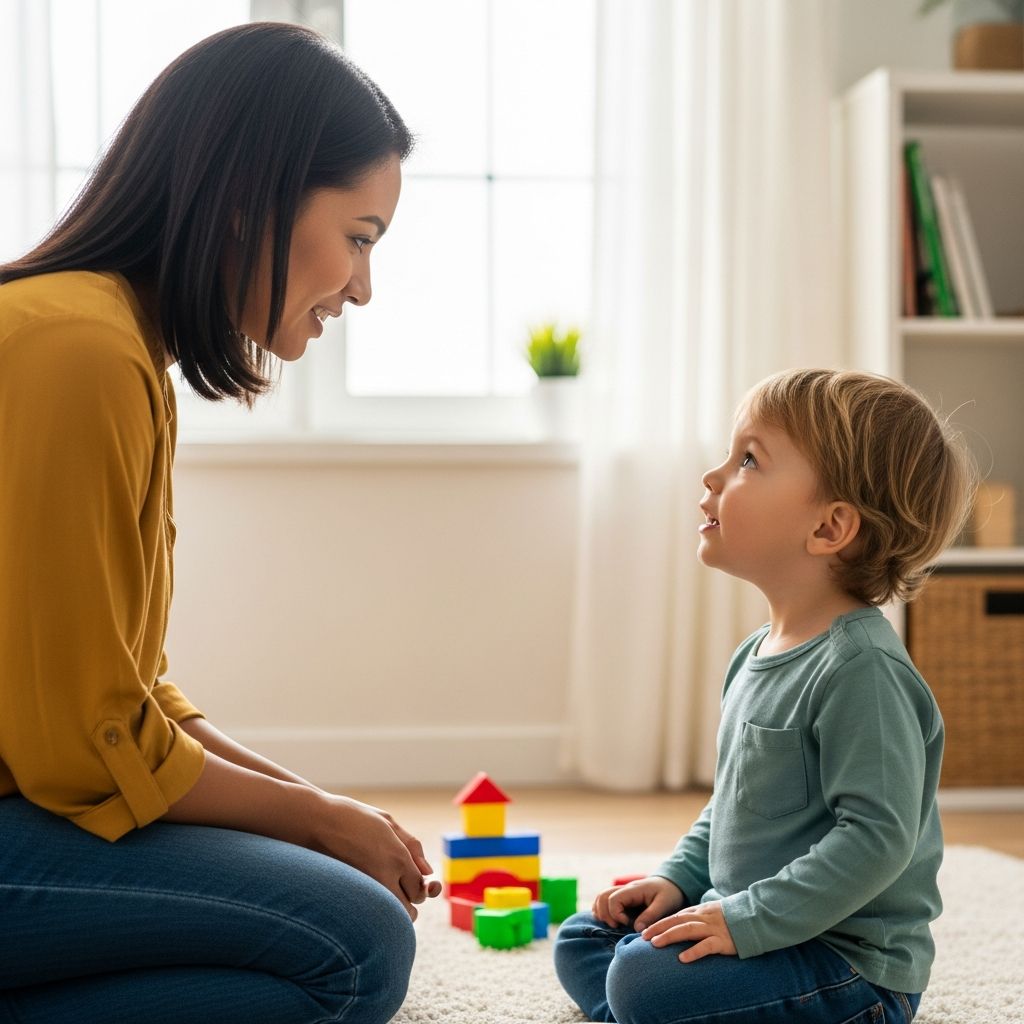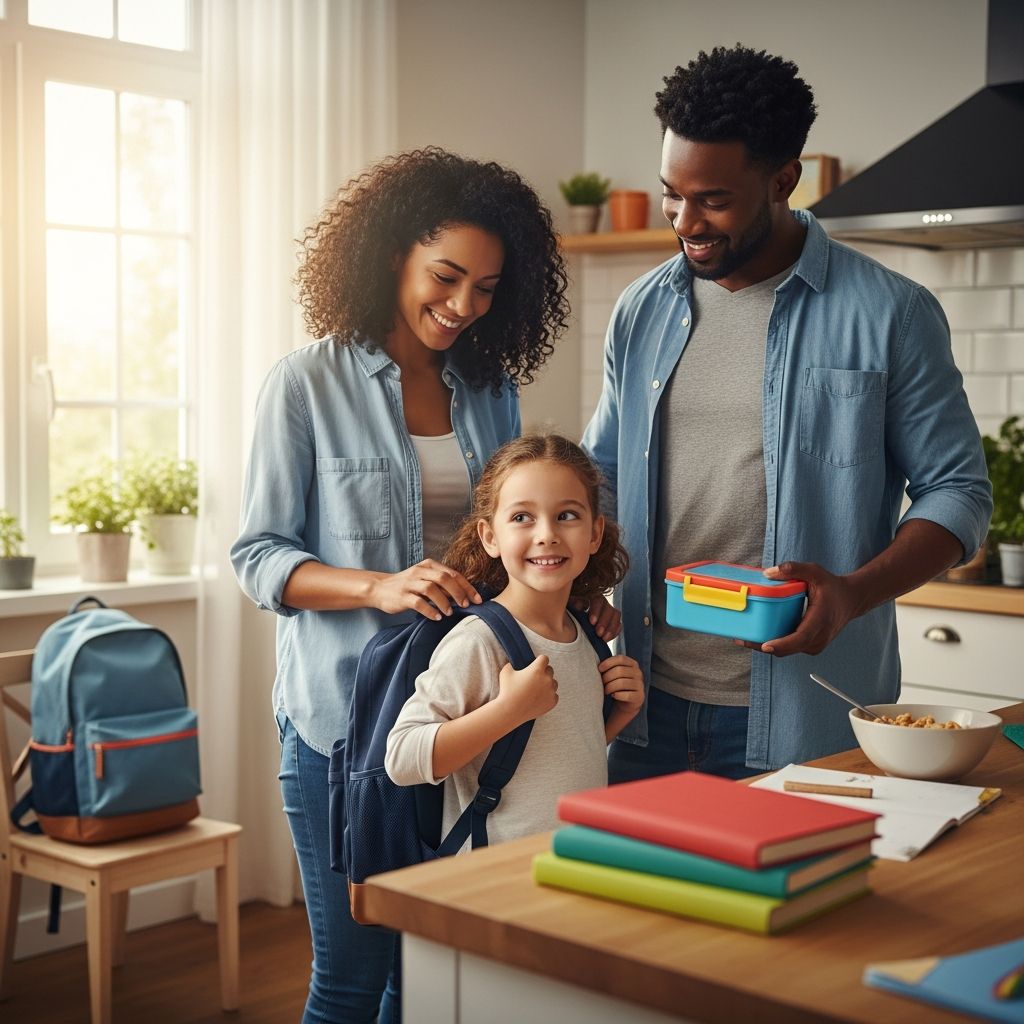
Children encounter a variety of emotional challenges daily, from school pressures to social interactions and unexpected changes. Equipping them with effective coping skills not only helps them manage these moments but also lays the foundation for lifelong emotional resilience. Research shows that kids who learn to self-regulate emotions early on experience lower levels of anxiety and depression, perform better academically, and form stronger relationships.
Understanding Emotional Challenges in Childhood
Young minds process feelings differently than adults. Preschoolers might throw tantrums, while school-aged children internalize stress as anxiety or withdrawal. Without tools, these emotions can lead to behavioral issues or hinder development. Adaptive coping strategies, such as problem-solving and cognitive reappraisal, significantly reduce internalized symptoms like depression and external issues like aggression, according to Vanderbilt University research.
Parents and caregivers play a pivotal role by modeling calm responses and creating supportive environments. Children who see adults using healthy strategies are more likely to adopt them themselves.
Core Foundations of Coping: Recognizing and Naming Feelings
The first step in building coping skills is helping children identify and articulate their emotions. Labeling feelings reduces their intensity and prevents overwhelm. Encourage phrases like “I feel frustrated because…” to foster ownership without blame.
- Use emotion charts with faces depicting joy, anger, sadness, and more during calm times.
- Read books featuring characters expressing emotions, prompting discussions on how they feel and why.
- Validate all emotions: “It’s okay to feel mad; let’s find a way to handle it.”
This practice enhances emotional awareness, a key coping category that promotes clarity and self-understanding.
Breathing and Relaxation Techniques for Instant Calm
Deep breathing activates the body’s relaxation response, slowing the heart rate and easing tension. Simple exercises like inhaling for a count of four (imagining smelling a flower) and exhaling for four (blowing out a candle) are accessible for kids of all ages.
Introduce progressive muscle relaxation: tense and release muscle groups from toes to head, paired with guided imagery where children visualize peaceful scenes like a beach or forest.
| Technique | How to Practice | Best For |
|---|---|---|
| Deep Belly Breathing | Lie down, hand on belly, breathe so it rises. Inhale nose, exhale mouth. | Quick anxiety relief |
| 4-7-8 Breathing | Inhale 4 counts, hold 7, exhale 8. Repeat 4 times. | Before bed or tests |
| Guided Imagery | Close eyes, picture a safe place. Describe sights, sounds, smells. | Overwhelm or fear |
Practice these daily, not just in crisis, to build habits. Make it fun with apps or timers shaped like animals.
Harnessing Positive Self-Talk to Build Confidence
The inner voice shapes a child’s self-perception. Shift negative thoughts like “I can’t do this” to empowering ones: “I am capable, and I’ve succeeded before.” This cognitive reappraisal reframes situations positively, proven effective in reducing stress impacts.
- Create affirmation cards: “I am strong,” “I can figure this out.”
- Role-play scenarios, practicing responses aloud.
- Praise efforts: “You tried hard—that’s what matters.”
Consistent use strengthens resilience, helping kids view challenges as opportunities rather than threats.
Problem-Solving Frameworks: Turning Challenges into Solutions
When emotions subside, teach structured problem-solving. Break it down: Identify the issue, brainstorm options, pick one, try it, review results. This adaptive strategy outperforms avoidance or suppression.
- Stop and Think: Pause to assess.
- Options List: Write or draw 3+ ideas.
- Test and Adjust: Act, then evaluate.
For visual learners, coping plan posters work wonders—personalized lists of strategies for different scenarios, updated as needed.
Physical Movement and Sensory Tools for Emotional Release
Movement discharges pent-up energy. Jumping jacks, running, or squeezing a stress ball provide immediate relief. Sensory activities like playing with playdough or listening to music distract and soothe.
- Grounding Technique: Name 5 things seen, 4 touched, 3 heard, 2 smelled, 1 tasted.
- Opposite Action: Feel sad? Dance to upbeat music; angry? Do yoga stretches.
Incorporate into routines: post-school shake-outs or pre-homework wiggles.
Leveraging Support Networks and Social Coping
No one copes alone. Teach kids to seek trusted adults or friends: “Who can I talk to?” Role-model open communication and empathy.
Encourage pro-social play: Group games build negotiation skills and mutual support. In classrooms, “turtle time”—stop, breathe, state feelings—fosters collective calm.
Creating Personalized Coping Toolkits
Every child is unique; one-size-fits-all fails. Help them assemble a toolkit: favorite fidget toys, playlists, journal prompts. For teens, frame as “stress busters” lists.
Review regularly: What worked? What to add? This ownership boosts confidence and adaptability.
Long-Term Benefits: Resilience for Life
Mastering these skills yields profound outcomes: better mental health, academic success, stable relationships, and empathy. Early emotional regulation predicts kindergarten readiness and sustained well-being. It’s a gradual journey—patience and consistency are key.
Start small, celebrate progress, and normalize setbacks. Your guidance shapes emotionally intelligent adults.
Frequently Asked Questions
What age should I start teaching coping skills?
Begin in toddlerhood with simple naming and breathing; expand as language develops. It’s beneficial for all ages.
How do I know if a coping strategy is working?
Track reduced meltdowns, quicker recovery, or positive self-reports. Adjust based on feedback.
What if my child refuses to try?
Model first, make it playful, practice when calm. Persistence pays off without pressure.
Can coping skills help with anxiety or ADHD?
Yes, they support emotional regulation across conditions, complementing therapy.
How often should we practice?
Daily integration into routines builds automaticity, like brushing teeth.
References
- 6 Essential Coping Skills for Children — Lumiere Children’s Therapy. 2023. https://www.lumierechild.com/blog/6-coping-skills-for-children/
- New research identifies best coping strategies for kids — Vanderbilt University News. 2017-12-21. https://news.vanderbilt.edu/2017/12/21/new-research-identifies-best-coping-strategies-for-kids-2/
- Healthy Coping Strategies for Kids and Teens — Strong4Life. Accessed 2026. https://www.strong4life.com/en/emotional-wellness/coping/healthy-coping-strategies-for-kids
- The ABCs of Coping Skills for Kids (and Parents) — Lehigh Valley Health Network. Accessed 2026. https://www.lvhn.org/news/abcs-coping-skills-kids-and-parents
- Promoting Coping Skills — Penn State Extension Better Kid Care. Accessed 2026. https://extension.psu.edu/programs/betterkidcare/news/promoting-coping-skills
- Helping Kids Cope with Strong Emotions — Kids Mental Health Foundation. Accessed 2026. https://www.kidsmentalhealthfoundation.org/mental-health-resources/behaviors-and-emotions/coping-with-strong-emotions
- Pediatric Coping Skills — Children’s Hospital Colorado. Accessed 2026. https://www.childrenscolorado.org/doctors-and-departments/departments/psych/mental-health-professional-resources/primary-care-articles/pediatric-coping-skills/