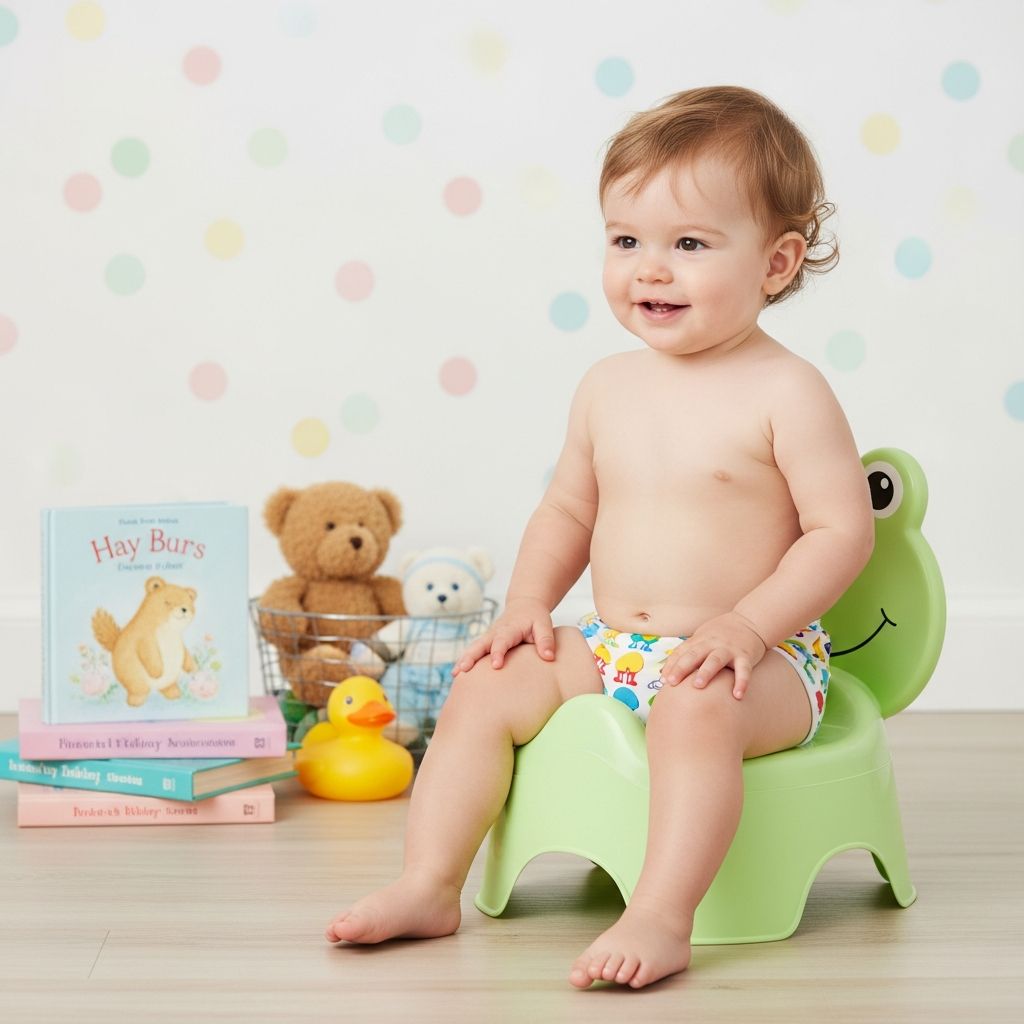
Potty training is one of those parenting milestones that feels exciting, intimidating, and messy all at once. This guide walks you through how to approach toilet learning in a way that fits your child’s unique personality, your family’s schedule, and evidence-based recommendations from pediatric experts.
Why Timing and Temperament Matter More Than Speed
There is no single “right” age or method that works for every child. Research shows that effective toilet training depends more on your child’s developmental readiness and your approach than on a magic age or specific technique. Starting too early or pushing too hard can lead to power struggles, avoidance, or constipation.
- No universal age: Many children show readiness between 18–36 months, but some are ready earlier or later.
- Development is gradual: Bladder and bowel control, body awareness, and communication skills develop over time.
- Stress-free training is healthier: Gentle, supportive approaches are linked with good long-term outcomes.
The goal is not to win a race to underwear, but to help your child gain a new life skill with confidence.
Understanding Potty Readiness: Signs to Watch For
Before you put away diapers, look for signs that your toddler is ready to learn. Professional guidelines recommend focusing on behavior and physical readiness rather than age alone.
Common Physical and Developmental Signs
- Stays dry for at least two hours or wakes from naps with a dry diaper.
- Has regular, fairly predictable bowel movements.
- Can walk to and from the bathroom and sit down and get up from a potty or toilet with minimal help.
- Can follow simple one-step directions like “Come here” or “Sit down.”
Behavioral and Emotional Signs
- Shows interest in the bathroom, toilet, or others’ bathroom habits.
- Uses words, gestures, or facial expressions to show they are about to pee or poop.
- Dislikes being in a wet or dirty diaper and may ask to be changed.
- Can stay seated on a potty for a few minutes, even with some fidgeting.
- Shows at least some desire to “do it myself” or help with dressing and undressing.
If several of these signs are present, your child is probably ready to begin some form of potty learning.
Matching Potty Training Style to Your Child’s Personality
Some toddlers love structure and clear rules; others resist anything that feels like pressure. Tailoring your approach to temperament can lower frustration for everyone.
| Personality Type | Helpful Strategies | What to Avoid |
|---|---|---|
| The Planner Likes routine and predictability |
|
|
| The Free Spirit Easily distracted, active |
|
|
| The Sensitive Soul Big feelings, easily discouraged |
|
|
| The Independent Strong-willed, wants control |
|
|
Choosing a Potty Training Approach
Experts describe several broad categories of toilet training, each with its own pace and structure.
1. Child-Led or Gradual Training
This approach follows your child’s cues and moves at a gentle pace. It often begins when the child shows early interest in the bathroom.
- Introduce a potty chair and let your child explore it fully clothed.
- Start using simple words like “pee,” “poop,” and “potty” in everyday conversation.
- Invite your child to sit on the potty before bath or after meals, without pressure.
- Gradually shift from diapers to training pants or underwear when they are consistently using the potty.
This style is a good match for sensitive or cautious children and families who prefer a low-stress, long-term process.
2. Structured, Short-Term Training (Weekend or Multi-Day Focus)
Some families prefer a concentrated “potty training weekend” when schedules are clear and everyone can stay home. In these approaches, the basics are introduced over a few focused days.
- Plan 2–3 days at home with very few commitments.
- Switch from diapers to training pants or underwear while awake, keeping diapers for sleep as needed.
- Offer extra fluids so your child has many chances to practice using the potty.
- Prompt them to sit on the potty regularly, such as every 20–30 minutes, especially at first.
These methods can be effective when your child is clearly ready and you can give them near-constant attention during the intensive days.
3. Combination Approaches
Many families blend gradual and structured methods: starting with a gentle, child-led introduction and then choosing a more focused period to help things “click.” Research suggests that both child-led and more guided methods can lead to healthy long-term outcomes when done calmly and without harsh punishment.
Essential Tools and Set-Up for Success
Setting up the environment thoughtfully can make potty training feel safer and more predictable for your child.
Practical Supplies
- Pottie chair or seat insert: A child-sized potty can feel less intimidating; a seat insert on the regular toilet saves space. Many families use both.
- Step stool: Helps your child reach the toilet and sink and provides stable foot support, which can make pooping easier.
- Easy-off clothing: Elastic waistbands and dresses are easier than overalls or multiple layers.
- Training pants or pull-on diapers: Useful during the transition stage and for outings.
- Cleaning supplies: Wipes, extra underwear, and spare clothes in a small basket or bag.
Creating a Kid-Friendly Bathroom
- Keep the potty in a place your child can easily see and reach.
- Store a few favorite books or small toys nearby for short potty sits.
- Use simple, neutral language to normalize what happens in the bathroom.
- Give them little jobs: flushing, putting toilet paper in, or washing hands with soap.
A Step-by-Step Daily Potty Training Rhythm
Here is an example of a daily rhythm you can adjust to your child and method. Think of it as a template, not a rigid schedule.
Morning
- Greet your child and offer a chance to sit on the potty after they wake up.
- Change out of night diaper into underwear or training pants if you’re actively training.
- Offer breakfast and a drink; invite them to the potty again 15–30 minutes later.
Throughout the Day
- Offer opportunities to use the potty at natural transition points:
- Before going outside or leaving the house.
- Before naps and after naps.
- After meals and snacks.
- Watch for body cues: pausing play, hiding, squatting, grabbing at pants, or making faces.
- Use gentle prompts like “Let’s try the potty before we read our book.”
- Respond calmly to accidents and invite a quick change of clothes.
Evening
- Include a potty visit in the bedtime routine (before bath and again before stories or sleep).
- Put on a night diaper or training pants if your child is not yet dry overnight, which is developmentally normal for many years.
Supporting Your Child Emotionally
How you respond to accidents and attempts matters as much as the method itself. Encouraging, non-shaming reactions help children feel safe as they learn.
Use Positive, Specific Feedback
- Notice effort: “You stopped playing and went to the potty. That helped keep your pants dry.”
- Stay calm if they resist. You might say, “We’ll try again later. Your body will tell you when it’s time.”
- Use small, consistent rewards if they motivate your child (stickers, high-fives, an extra story), but avoid making the reward so big that it becomes stressful.
Handling Accidents
- Expect many accidents at first; they are part of learning, not a failure.
- Use neutral statements: “Pee goes in the potty. Let’s get you some dry clothes.”
- Involve your child lightly in cleanup, if they’re willing (putting wet clothes in the laundry basket), without scolding.
Common Challenges and Gentle Solutions
Most toddlers hit at least one bump in the road. Many challenges are temporary and can be improved with small adjustments. If problems are persistent or accompanied by pain, talk with a healthcare provider.
Refusing to Sit on the Potty
- Go back a step: allow them to sit fully clothed while reading a book.
- Offer choices: which potty, which book, or which song.
- Keep sessions short and end on a positive note instead of requiring them to stay.
Holding Bowel Movements
- Some children become anxious about pooping on the potty. Make sure stools are soft and easy to pass by offering water, fruits, and fiber-rich foods; consult your pediatrician if constipation is a concern.
- Allow diapers for bowel movements temporarily while still practicing pee in the potty.
- Normalize the process with calm talk: “Your poop is leaving your body and going into the toilet. That’s what bodies do.”
Nighttime Wetting
- Night dryness usually comes later than daytime control and may not be complete until school age for some children.
- Use absorbent night diapers or training pants while you wait for consistent dry mornings.
- Offer a pre-bedtime potty visit and limit large drinks right before sleep, but avoid restricting fluids in an unhealthy way.
When to Pause or Seek Extra Help
Sometimes the kindest choice is to take a break from training and return later. Consider pausing if:
- Your child is consistently upset, crying, or fighting every potty attempt.
- There have been major recent changes (new sibling, move, new childcare, illness).
- They begin holding pee or poop for long periods or show signs of constipation or discomfort.
Talk with your pediatrician or a continence specialist if you notice:
- Pain, blood, or significant distress during peeing or pooping.
- Frequent urinary accidents after months of dryness.
- Hard, painful stools or bowel movements less often than every few days.
Frequently Asked Questions (FAQs)
What is the best age to start potty training?
Many children are ready between 18 and 36 months, but readiness signs are more important than age. Look for physical, behavioral, and communication cues that your child is ready to learn.
Should I use rewards like candy or stickers?
Small, consistent rewards can motivate some toddlers, but they are not required. Focus primarily on praise for effort and progress. If you use rewards, keep them simple and avoid making your child feel pressured to perform for the prize.
Are training pants or pull-on diapers necessary?
Training pants can be a helpful bridge between diapers and underwear because they’re easier to pull up and down. Some families move straight to underwear, especially during the day, and reserve training pants for naps, nights, or outings.
What if my child regresses after being potty trained?
Temporary setbacks are common, especially during stress or big life changes. Stay calm, return to basics (frequent reminders, easy access to the potty), and avoid punishment. Most children regain their skills with time and support.
Can starting too early cause problems?
Beginning before your child is developmentally ready, or using harsh, coercive techniques, may increase conflict and can contribute to issues like withholding stool. Gentle, responsive methods that respect your child’s cues are recommended by pediatric experts.
References
- Potty training: How to get the job done — Mayo Clinic Staff. 2023-03-18. https://www.mayoclinic.org/healthy-lifestyle/infant-and-toddler-health/in-depth/potty-training/art-20045230
- Potty training techniques and methods — Gwen Dewar, Parenting Science. 2023-01-10. https://parentingscience.com/potty-training-techniques/
- Potty training methods: Which is best for your child? — Huckleberry Care. 2022-08-09. https://huckleberrycare.com/blog/potty-training-methods-which-is-best-for-your-child
- Potty training methods: Which Is Best for Your Child? — Healthline Editorial Team. 2020-05-14. https://www.healthline.com/health/childrens-health/potty-training-methods
- Potty training — ERIC (The Children’s Bowel & Bladder Charity). 2022-11-01. https://eric.org.uk/potty-training/