When a child suffers a concussion, the immediate concerns often center on symptom management and gradual return to normal activities. However, one of the most frequently overlooked yet critical aspects of recovery involves sleep quality and the ability to maintain healthy sleep patterns. Research indicates that between 30 to 70 percent of children who experience a concussion develop measurable sleep disturbances in the weeks following injury. These disruptions extend beyond simple tiredness and can significantly influence how quickly a child recovers from their concussion. Understanding the connection between head injuries and sleep dysfunction enables parents to take proactive steps in supporting their child’s neurological healing.
The Neurological Basis for Sleep Problems After Head Injury
A concussion represents a form of mild traumatic brain injury that triggers complex changes throughout the brain. When the head experiences impact, it creates inflammation and chemical imbalances within neural tissue that extend far beyond the initial point of contact. These physiological responses directly interfere with the brain’s capacity to regulate the sleep-wake cycle, also known as the circadian rhythm.
The brain regions responsible for producing and managing sleep-regulating hormones suffer disruption following concussive injury. Specifically, the hypothalamus, which contains cells that produce hypocretin—a neurotransmitter essential for maintaining wakefulness—can sustain damage. When hypocretin levels decrease due to this injury, children often experience overwhelming daytime sleepiness combined with an inability to achieve restorative sleep at night. This creates a paradoxical situation where children feel exhausted but struggle to sleep effectively.
Additionally, the neuroinflammation that follows a concussion affects the brain’s internal clock mechanisms. This disruption makes it difficult for children to fall asleep at appropriate times, maintain continuous sleep throughout the night, or feel refreshed upon waking despite adequate sleep duration. The cascade of biochemical changes essentially desynchronizes the brain’s regulatory systems.
Prevalence and Severity of Sleep Disturbances in Concussed Children
The statistics surrounding concussion-related sleep problems are striking. Almost 60 percent of concussion patients experience chronic sleep difficulties, making sleep disturbances approximately three times more common in this population compared to children without head injuries. Beyond this baseline prevalence, specific sleep disorders manifest at concerning rates: insomnia affects 40 to 65 percent of concussed children, while fatigue symptoms occur in 43 to 73 percent of cases.
The severity of sleep disruption can vary considerably among children. Some experience acute, temporary disturbances lasting several weeks, while others develop chronic sleep problems persisting for months. Age plays an important role in vulnerability, as adolescents demonstrate heightened susceptibility to insomnia following concussion due to the combination of physiological changes occurring during puberty and increased academic and social pressures.
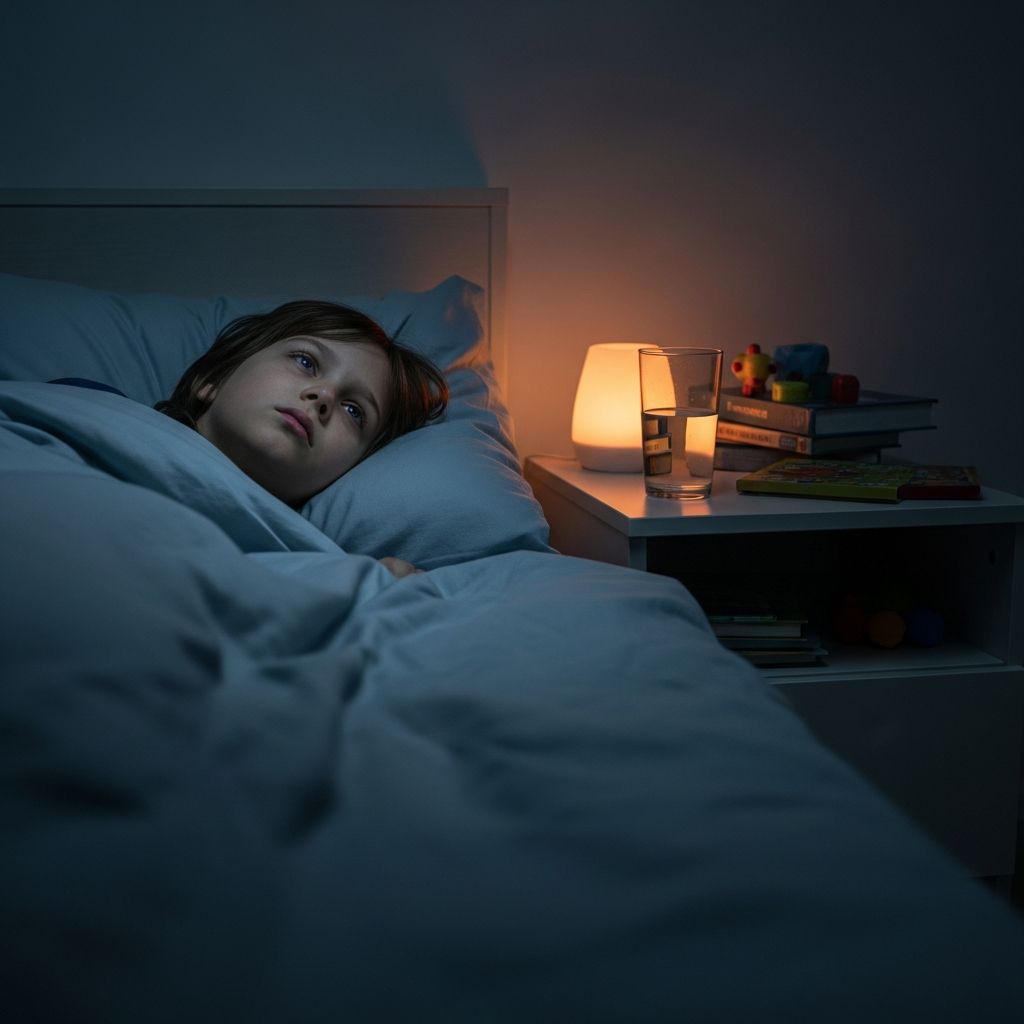
Children may exhibit different sleep patterns following concussion. Some sleep excessively and experience persistent daytime drowsiness, while others struggle to initiate or maintain sleep despite fatigue. A subset of children develops restless sleep characterized by frequent tossing and turning, loud snoring, and nighttime agitation. In some cases, periodic leg movement disorder or restless legs syndrome emerges, causing involuntary leg movements that further fragment sleep architecture.
How Sleep Quality Impacts Concussion Recovery Duration
One of the most important relationships to understand involves the direct correlation between sleep quality and recovery speed. Research examining adolescent concussion patients found that children experiencing longer wake times during the night and reduced sleep efficiency showed significantly extended recovery periods. The findings were profound: poorer post-concussion sleep quality consistently correlated with lengthened symptom resolution timelines.
A retrospective analysis spanning seven years at a specialized concussion clinic revealed even more dramatic findings. Among 417 adolescent patients, those reporting sleep disturbance experienced a three to four-fold increase in recovery time compared to those maintaining adequate sleep. This means a child who might typically recover within two to three weeks could require two to three months if sleep disruption persists untreated.
The mechanism behind this connection lies in fundamental neurobiology. During sleep, the brain engages in essential restoration processes including clearing metabolic waste, consolidating memories, and repairing damaged neural connections. Following a concussion, these restorative processes become even more critical as the brain attempts to heal from injury. When sleep is fragmented or insufficient, the brain cannot execute these vital recovery mechanisms effectively, creating a frustrating cycle where poor sleep delays healing, and incomplete healing perpetuates sleep problems.
Common Sleep Disturbance Patterns in Pediatric Concussion
Understanding the specific types of sleep problems helps parents identify which interventions might prove most beneficial for their child’s particular situation.
Insomnia Presentation
Insomnia following concussion manifests as difficulty falling asleep, frequent nighttime awakenings, or waking before sufficient sleep has occurred despite having adequate opportunity to rest. Affected children often experience daytime fatigue, impaired concentration, mood disturbances, and reduced overall quality of life. The insomnia may persist for only a few nights or extend for weeks or months. Adolescents face particular vulnerability to post-concussion insomnia due to concurrent physiological changes and increased societal demands.
Hypersomnia and Excessive Daytime Sleepiness
In contrast to insomnia, some children develop hypersomnia—a condition characterized by sleeping significantly more than normal combined with persistent daytime sleepiness. This excessive sleep represents the brain’s attempt to dedicate maximum resources to recovery from injury. The trauma disrupts neural networks controlling sleep regulation, potentially lowering hypocretin levels and creating overwhelming fatigue.
Nightmares and Sleep Fragmentation
Many children experience vivid or disturbing dreams that interrupt sleep and prevent restorative rest. Additionally, frequent awakenings without nightmares—termed fragmented sleep—create poor sleep architecture that fails to provide genuine restoration despite extended time in bed.
Circadian Rhythm Sleep-Wake Disorders
Some concussed children develop circadian rhythm disruptions affecting their ability to synchronize sleep with environmental light-dark cycles. Delayed sleep-wake phase syndrome causes children to fall asleep much later than desired, making it difficult to maintain consistent sleep schedules necessary for recovery and daily functioning. Advanced sleep-wake phase syndrome creates the opposite problem, causing earlier-than-normal sleep onset and wakefulness that leads to daytime sleepiness and impaired cognitive function during critical recovery periods.
Movement Disorders and Associated Sleep Problems
Beyond primary sleep disorders, concussion can trigger movement-related sleep disturbances. Periodic leg movement disorder causes repetitive, involuntary leg movements during sleep that fragment the sleep cycle and prevent deep, restorative sleep. Restless legs syndrome creates uncomfortable sensations and an irresistible urge to move legs, primarily occurring when attempting to fall asleep. Both conditions significantly disrupt sleep quality and often result in insomnia or persistent daytime sleepiness.
Risk Factors for Prolonged Sleep Disturbance
Certain factors increase the likelihood that a child will experience extended sleep problems following concussion. Adolescents face greater risk than younger children due to developmental changes. Children with repeated concussions show elevated risk and severity of insomnia compared to those with single injuries. Pre-existing anxiety, stress related to return-to-activity timelines, and social pressure to resume normal functioning can exacerbate sleep problems in concussed children.
Interestingly, insomnia appears more frequently following concussions than following moderate or severe traumatic brain injuries. This pattern may reflect the elevated pressure placed on concussed individuals to return to normal functioning quickly, which can inadvertently increase stress levels and perpetuate sleep disturbance.
Assessment Tools for Measuring Post-Concussion Sleep Quality
When evaluating a child’s sleep following concussion, healthcare providers may employ standardized assessment tools. The Pittsburgh Sleep Quality Index measures sleep quality, patterns, and disturbances over time, helping physicians distinguish between children who have experienced concussions and those who have not based on sleep quality effects. This tool provides valuable longitudinal data enabling more informed medical decisions regarding concussion treatment and recovery strategies.
Interventions to Improve Sleep After Pediatric Concussion
Behavioral and Environmental Strategies
- Establish consistent sleep and wake times, maintaining the same schedule even on weekends to reinforce circadian rhythm regulation
- Create a dark, quiet sleeping environment free from electronic devices that emit blue light
- Avoid stimulating activities, screen time, and caffeinated beverages in the hours before bedtime
- Implement relaxation techniques such as deep breathing, progressive muscle relaxation, or guided imagery
- Maintain appropriate room temperature between 60 and 67 degrees Fahrenheit
- Limit daytime napping to brief periods (20-30 minutes) early in the afternoon if needed
Therapeutic Approaches
Cognitive behavioral therapy for insomnia has demonstrated effectiveness in treating post-concussion sleep disturbance. This evidence-based approach helps children identify and modify thoughts and behaviors perpetuating sleep problems. Blue-light therapy can assist children with circadian rhythm disruptions by helping reset their internal clocks through controlled light exposure.
When to Seek Professional Sleep Medicine Evaluation
Parents should consider consulting a sleep medicine specialist if sleep disturbances persist beyond three to four weeks post-concussion, significantly interfere with daily functioning and recovery participation, or if the child exhibits signs of sleep apnea including loud snoring, gasping for air during sleep, or morning headaches. A sleep specialist can perform comprehensive evaluation and recommend targeted interventions appropriate for the specific sleep disorder affecting the individual child.
Frequently Asked Questions About Concussion and Sleep
Is it safe to let my child sleep after a concussion?
Yes, sleep is actually essential for concussion recovery and should be prioritized. The concern about “letting them sleep” may stem from older misconceptions. Quality sleep supports the brain’s healing processes and typically speeds recovery.
How long do sleep problems typically last after a concussion?
Sleep disturbances can range from a few weeks to several months depending on injury severity and individual factors. Most children show improvement within 4-6 weeks with appropriate management, though some experience prolonged difficulties.
Can sleep problems predict how long concussion recovery will take?A: Yes, research shows that poor sleep quality correlates strongly with extended recovery periods. Children with sleep disruption often require significantly longer time to symptom resolution compared to those maintaining good sleep quality.
Q: Should my child nap during the day after a concussion?
Brief, early afternoon naps (20-30 minutes) may be helpful if daytime sleepiness is severe, but extended daytime sleep can interfere with nighttime sleep quality. Work with your healthcare provider to determine appropriate napping schedules for your child.
Does blue light from screens affect concussion recovery?
Yes, blue light from electronic devices can interfere with melatonin production and disrupt sleep-wake cycles, particularly important to manage during concussion recovery. Limit screen exposure especially in evening hours.
Are sleep medications appropriate for children with post-concussion insomnia?
Sleep medications should generally be considered only after behavioral interventions have been attempted and should only be prescribed under careful medical supervision. Cognitive behavioral therapy and environmental modifications typically represent first-line approaches.
Supporting Your Child’s Recovery Through Sleep Optimization
Sleep represents one of the most powerful tools available for facilitating concussion recovery. By recognizing that sleep disturbance is not merely an inconvenient symptom but rather a critical factor affecting healing speed and completeness, parents can prioritize sleep optimization as central to their child’s recovery plan. Working collaboratively with healthcare providers to identify the specific sleep disturbance affecting their child and implementing targeted interventions—whether behavioral, environmental, or therapeutic—can meaningfully reduce recovery time and improve overall outcomes. The investment in supporting quality sleep during the post-concussion period pays dividends in faster symptom resolution and more complete neurological healing.
References
- The Hidden Sleep Consequences of Concussions: What Every Patient Should Know — Clinic for Serenity and Medical Advancement (CSMA). 2024. https://www.csma.clinic/post/sleep-consequences-of-concussions
- Concussion History is Associated with Poor Sleep Quality — Journal of Clinical Sleep Medicine. 2024. https://jcsm.aasm.org/doi/10.5664/jcsm.11356
- Sleep and Sleep Problems — Concussion Alliance. 2024. https://www.concussionalliance.org/sleep-and-sleep-problems
- Why Can’t You Sleep After A Concussion? Key Insights For Patients and Providers — Creyos. 2024. https://creyos.com/blog/why-cant-you-sleep-after-concussion
- How a Concussion Might Affect Your Child’s Sleep — THINK Neurology for Kids. 2024. https://www.thinkkids.com/post/how-a-concussion-might-affect-your-childs-sleep
- Dealing with Insomnia After a Concussion — Healthline Media. 2024. https://www.healthline.com/health/insomnia/concussion-insomnia