The journey to pregnancy begins with a deep understanding of the menstrual cycle and the precise biological events that lead to conception. This natural process involves hormonal orchestration, egg release, sperm navigation, and embryo attachment, all synchronized within a roughly 28-day window. By grasping these mechanisms, individuals trying to conceive can optimize their timing and increase success rates.
The Foundations of the Menstrual Cycle
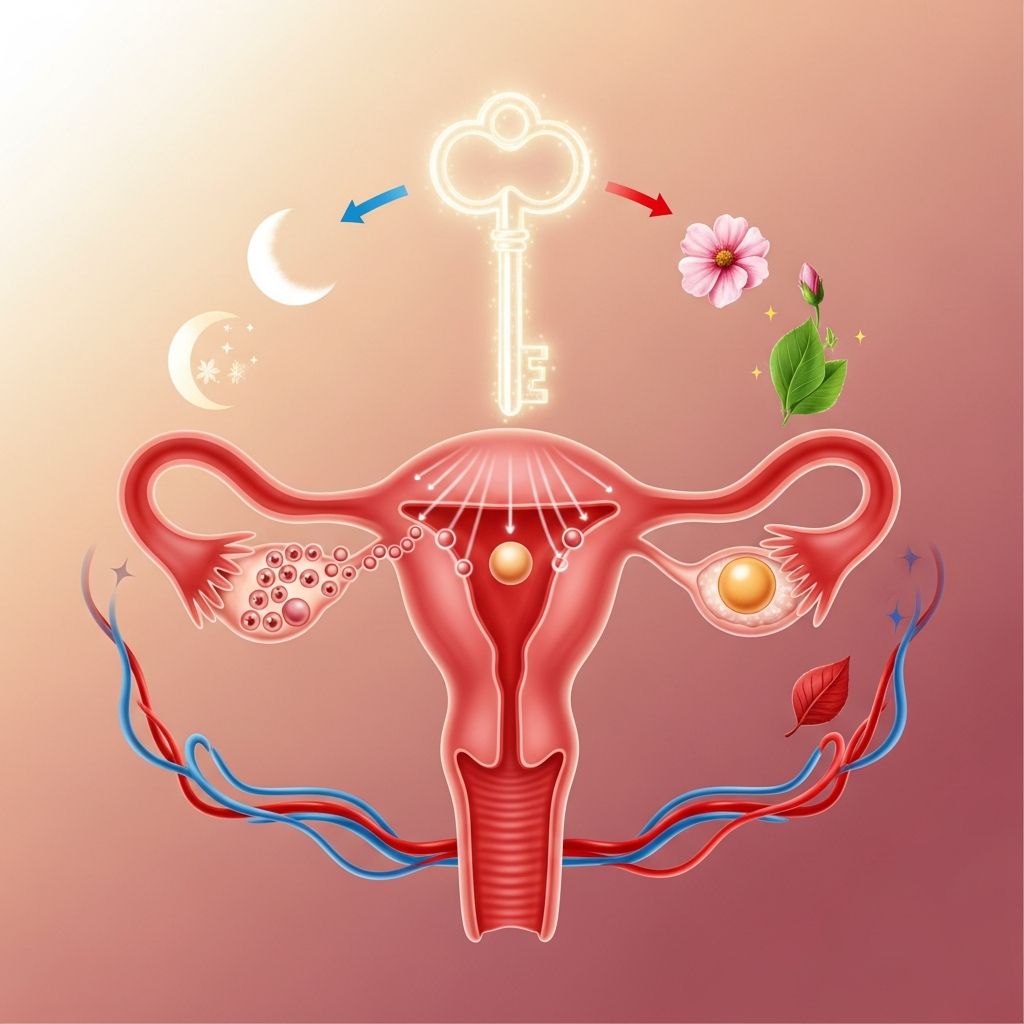
The menstrual cycle prepares the female body monthly for potential pregnancy. It typically spans 21 to 35 days, averaging 28, divided into key phases: menstrual, follicular, ovulation, and luteal. During the menstrual phase, the uterine lining sheds if no pregnancy occurs, lasting 3-7 days. The follicular phase follows, where follicles in the ovaries mature under follicle-stimulating hormone (FSH) influence.
Estrogen rises, thickening the endometrium for implantation readiness. Around day 14 in a standard cycle, a luteinizing hormone (LH) surge triggers ovulation, releasing a mature egg from the dominant follicle. The egg, viable for 12-24 hours, enters the fallopian tube. The luteal phase then ensues, with the ruptured follicle forming the corpus luteum, producing progesterone to maintain the uterine lining.
If fertilization fails, the corpus luteum degrades, hormone levels drop, and menstruation restarts. This cyclic renewal highlights the body’s efficiency in pregnancy preparation.
Decoding Ovulation: The Gateway to Fertility
Ovulation is pivotal, marking the fertile window’s peak. The process starts with follicle growth; one dominant follicle emerges by cycle day 7, fueled by rising estrogen. This hormone signals the pituitary gland, prompting an LH surge that causes the follicle to rupture, expelling the egg into the abdominal cavity. Fimbriae—finger-like projections at the fallopian tube’s end—sweep the egg inside.
The egg travels via tubal muscle contractions toward the uterus, surviving only 12-24 hours without fertilization. Sperm, however, can live 3-5 days in fertile cervical mucus, extending the fertile window to about 6 days ending on ovulation day. Tracking ovulation via basal body temperature (BBT), cervical mucus changes (from sticky to egg-white slippery), or ovulation predictor kits (OPKs) detecting LH surges empowers precise timing for intercourse.
- Clear, stretchy mucus: Indicates peak fertility, aiding sperm survival.
- BBT rise: 0.5-1°F post-ovulation confirms the event.
- OPKs: Predict LH surge 24-36 hours prior.
Sperm’s Epic Journey to Fertilization
Conception requires millions of sperm from ejaculation navigating to meet the egg. Only about 200 reach the fallopian tubes, facing acidic vaginal barriers and immune responses. Fertile cervical mucus neutralizes acidity and provides a sperm highway. In the ampullar-isthmic junction, capacitation activates sperm, enabling hypermotility and acrosome reaction—enzyme release to penetrate the egg’s zona pellucida.
One sperm fuses with the egg’s membrane, forming a zygote. The egg’s surface instantly hardens, blocking polyspermy. This union, completing in 24 hours, blends 23 chromosomes each into a 46-chromosome diploid cell. Odds are slim: of 200 million sperm, one succeeds, underscoring conception’s miracle.
| Stage | Description | Duration |
|---|---|---|
| Sperm Transport | Vagina to fallopian tubes | Hours to days |
| Capacitation | Motility enhancement | Hours |
| Acrosome Reaction | Enzyme penetration | Minutes |
| Fusion | Zygote formation | ~24 hours |
From Zygote to Blastocyst: Early Embryo Development
Post-fertilization, the zygote undergoes cleavage divisions while traversing the fallopian tube over 3-4 days, becoming a morula—a 16-cell solid ball. By day 5-6, it hollows into a blastocyst with an inner cell mass (future embryo) and trophoblast (placenta precursor). This journey relies on tubal cilia and contractions.
The blastocyst hatches from the zona pellucida, priming for implantation. Progesterone from the corpus luteum sustains the endometrium, rich in blood vessels and nutrients. Without fertilization, the egg disintegrates, and the cycle resets.
Implantation: Securing Pregnancy
Implantation occurs 6-10 days post-ovulation as the blastocyst embeds into the endometrium. Trophoblast cells invade, forming the placenta and releasing human chorionic gonadotropin (hCG), detectable in blood by day 11 and urine shortly after. Successful implantation halts menstruation, signaling pregnancy.
Failure leads to shedding. Factors like thin endometrium or immune mismatches can hinder this, emphasizing health optimization via balanced diet, stress reduction, and avoiding toxins.
Mapping Your Fertile Window for Conception
The fertile window spans 5 days before ovulation plus ovulation day. Intercourse every 1-2 days then maximizes chances, as sperm viability exceeds egg lifespan. Apps, calendars, or sympto-thermal methods combine signs for 99% accuracy. Lifestyle boosts include BMI maintenance (18.5-24.9), folic acid (400mcg daily), and limiting caffeine/alcohol.
Age impacts fertility: peak in 20s, declining post-35 due to egg quantity/quality drops. Male factors like sperm count matter equally.
Common Myths and Misconceptions About Conception
- Myth: Lift legs post-sex aids conception. Gravity doesn’t hinder sperm; millions propel upstream.
- Myth: Cycle length predicts ovulation exactly. Variability common; track individually.
- Myth: Stress alone prevents pregnancy. Indirect via disruptions, but not direct cause.
- Myth: Frequent sex reduces sperm count. Daily ejaculation fine; quality over quantity.
When to Seek Fertility Support
After 12 months (6 months if over 35) of trying, consult a specialist. Tests assess ovulation, sperm analysis, tube patency. IVF replicates nature: ovarian stimulation yields multiple eggs, lab fertilization forms embryos, transfer to uterus. Success rates: 40-50% under 35 per cycle.
Frequently Asked Questions (FAQs)
What is the most fertile time in my cycle?
The 5 days leading to ovulation plus ovulation day, when slippery cervical mucus appears.
How long does conception take after intercourse?
Fertilization within 24 hours; implantation 6-10 days later.
Can I feel ovulation or conception?
Some note mittelschmerz (ovulation pain) or twinges, but conception is asymptomatic.
How soon can pregnancy be detected?
hCG in blood ~11 days post-conception; urine tests from missed period.
Does position during sex matter for conception?
No; sperm swim independently of gravity.
Optimizing Health for Conception Success
Prenatal vitamins with folate prevent neural tube defects. Exercise moderately, sleep 7-9 hours, manage weight. Partners: antioxidants like vitamin C/E boost sperm motility. Quit smoking/vaping, as they halve fertility odds. Hydration supports mucus quality.
Mental wellness via yoga/meditation reduces cortisol, aiding hormonal balance. Couples counseling addresses relational stress. Patience key: 85% conceive within a year naturally.
References
- What is Conception? Fertilization & Implantation Explained — Natural Cycles. 2023. https://www.naturalcycles.com/cyclematters/what-is-conception
- Conception: How It Works — UCSF Health. 2024-01-17. https://www.ucsfhealth.org/education/conception-how-it-works
- Conception: Fertilization, Process & When It Happens — Cleveland Clinic. 2024. https://my.clevelandclinic.org/health/articles/11585-conception
- The Process of IVF | Step By Step Through An IVF Cycle — Monash IVF. 2023. https://monashivf.com/services/fertility-treatment-options/the-ivf-process/
- Ovulation and conception — The Royal Women’s Hospital. 2024. https://www.thewomens.org.au/health-information/fertility-information/getting-pregnant/ovulation-and-conception
- Embryology, Fertilization — NCBI Bookshelf. 2023-08-28. https://www.ncbi.nlm.nih.gov/books/NBK542186/
- Conception: From Egg to Embryo Slideshow — WebMD. 2023. https://www.webmd.com/baby/ss/slideshow-conception