Creating a Secure Environment for Your Growing Child
Preparing your home for a baby requires a thoughtful, systematic approach to safety. As children develop from newborns into mobile toddlers, their ability to explore their surroundings increases dramatically, and the hazards they might encounter evolve. Understanding these developmental stages and how to address safety concerns at each phase helps parents create an environment where children can grow and learn with reduced risk of injury. Many parents focus only on obvious dangers while overlooking subtle hazards that can cause serious harm. This guide addresses safety from multiple angles, covering each room of your home and providing actionable steps tailored to your child’s developmental stage.
Understanding Your Child’s Development and Safety Needs
Before implementing safety measures, it’s important to recognize how your child’s capabilities change over time. Newborns and very young infants have minimal mobility, but their needs shift rapidly. In the first months, the focus should be on sleep safety, secure car transportation, and bathing arrangements. Within the first six months, as babies become increasingly mobile—rolling, crawling, and eventually pulling themselves upright—the scope of necessary precautions expands significantly. By the time toddlers reach eighteen months and beyond, their curiosity knows few bounds, and they can open doors, climb furniture, and reach items previously considered safely out of reach.
Recognizing these developmental milestones helps you time your safety preparations appropriately. Installing outlet covers before your baby learns to walk may seem premature, but having them in place by six months ensures protection as mobility increases. This staged approach prevents parents from becoming overwhelmed while ensuring nothing is overlooked.
Sleep Safety: The Foundation of Infant Protection
Creating a safe sleep environment is perhaps the most critical safety measure you can implement. Before your baby arrives, establish a dedicated sleeping space—whether a crib, bassinet, or play yard—that meets current safety standards. The sleeping surface should feature a firm, flat mattress covered only with a fitted sheet. Many parents instinctively want to make the space cozy with pillows, blankets, and stuffed animals, but these items pose serious risks.
Keep the crib clear of additional bedding, pillows, bumper pads, and toys. These objects can cause entrapment or contribute to unsafe sleep positions. Position the crib away from windows, blind cords, and any hanging objects that could pose strangulation hazards. Additionally, ensure that heavy furniture like dressers or bookshelves near the sleep area are securely anchored to walls, preventing the risk of tip-over accidents if your child attempts to climb.
Install a smoke alarm both inside and outside your child’s bedroom, checking batteries regularly. Many families use New Year’s Day as a reminder to test and replace smoke alarm batteries, creating a simple annual habit that could save lives.
Transportation Safety: Proper Car Seat Installation
Before your baby leaves the hospital, ensure you have an appropriate car seat securely installed in your vehicle. Many parents underestimate the importance of proper installation—studies show that incorrect installation is common and reduces the protective benefits of the seat. Take time to understand your specific car seat model’s requirements, and consider having it inspected by a certified technician if you’re unsure about correct installation. This foundational step protects your baby during every car trip from birth onward.
Kitchen Hazards and Prevention Strategies
The kitchen presents numerous hazards for young children, from hot surfaces and sharp utensils to toxic substances and small objects. Kitchen injuries affect thousands of young children annually, making this room a priority for comprehensive safety measures.
Appliance and Cooking Safety: Install covers on stove knobs to prevent children from turning burners on or adjusting heat levels. When cooking, use rear burners whenever possible, keeping pots and pans toward the back of the stove where tiny hands cannot reach them. Avoid hanging towels from oven handles, as children might grab them while pulling themselves up. Consider installing appliance locks on ovens, refrigerators, and dishwashers to prevent access to hot surfaces and dangerous contents.
Storage and Chemical Safety: Lock all cabinets and drawers containing cleaning supplies, detergents, dishwasher pods, and laundry pods—these substances are particularly dangerous if ingested. Store knives, breakable dishes, and other sharp items on high shelves well out of reach. Remove small magnets from refrigerators, as children can swallow them and experience serious internal injuries. Keep small appliance cords out of reach, and secure any loose cords from electronics with cord covers or by routing them safely along walls.
Food Safety Considerations: Avoid keeping plastic bags, trash bags, and aluminum foil within reach—these pose choking and suffocation hazards. Lock vitamin bottles and medications in secured cabinets rather than leaving them on countertops.
bathroom Dangers and Protective Measures
Bathrooms contain multiple hazard categories that require specific attention. Water temperature, toxic substances, and drowning risks all demand careful management in this space.
Water Temperature and Bathing: Adjust your water heater to 120°F to prevent scalding injuries. Even at this temperature, test bath water with your elbow or a reliable thermometer before placing your baby in the tub. Use a baby bathtub appropriate for your child’s developmental stage, and never leave a baby or young toddler unattended during bathtime—maintain arm’s reach supervision at all times. Apply non-slip mats to the tub floor and bathroom floor to prevent slipping injuries.
Hazardous Substances: Lock medicine cabinets and secure all medications, vitamins, and supplements out of reach. Do not store toilet cleaners next to the toilet where children might access them; instead, keep all cleaning supplies in locked cabinets. Keep razors, toothpaste, and soap on high shelves. Check screws and screw-covers at the base of toilets to ensure they cannot be removed by curious hands.
Additional Bathroom Safety: Install toilet lid locks to prevent drowning hazards. Use doorknob covers to restrict access to the bathroom when unsupervised. Avoid using infant neck floats, which create entrapment and drowning risks.
Nursery Design: Creating a Safe Sleep and Play Space
The nursery should be a refuge of safety where your child can sleep soundly and explore safely during playtime. This room requires attention to several specific hazard categories.
Window and Cord Safety: Replace corded window blinds and curtains with cordless versions, or securely secure any cords well out of reach using cord shorteners or cleats. Windows should not open more than four inches to prevent falls, and window guards provide an additional safety layer. Move furniture away from windows to prevent children from climbing to hazardous heights.
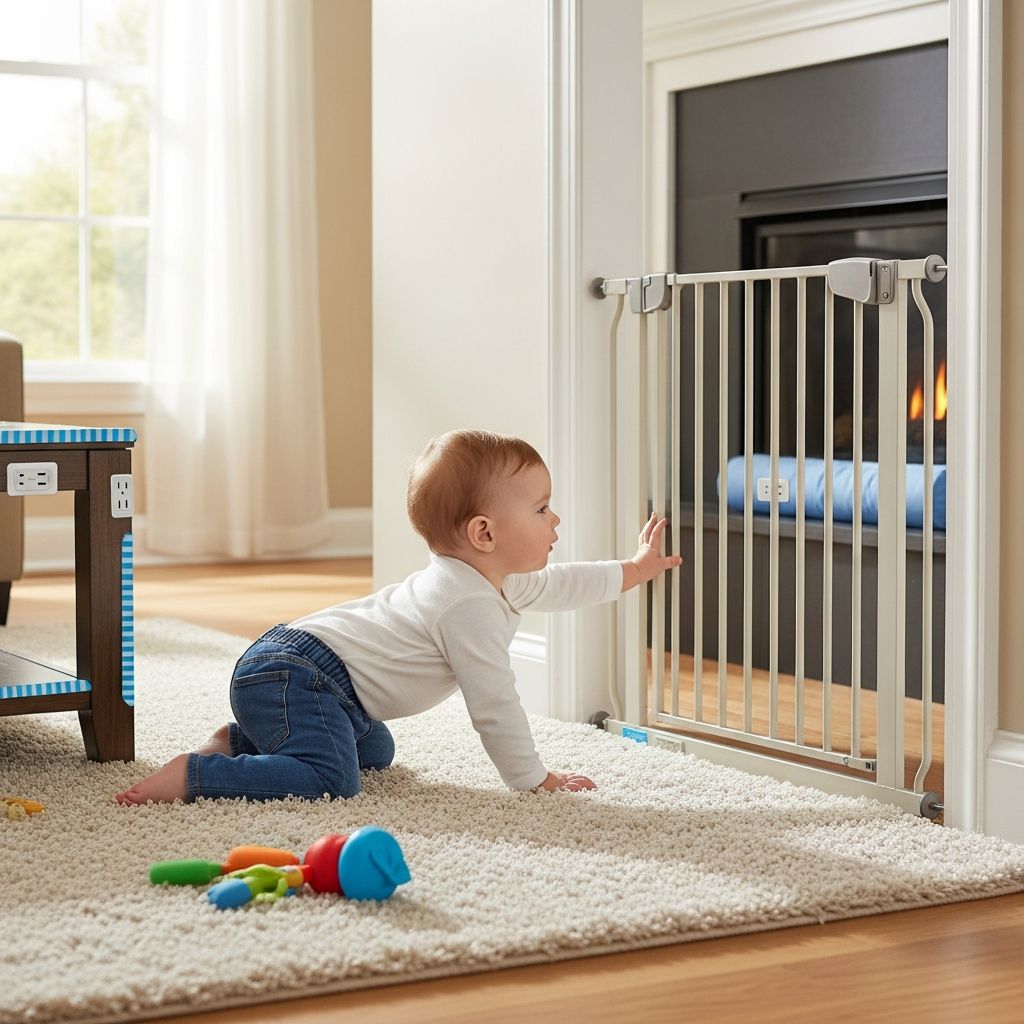
Electrical and Device Safety: Cover all accessible electrical outlets with safety covers or outlet plugs. Secure cords from baby monitors, white noise machines, nightlights, lamps, and other devices so they cannot be pulled or reached. Ensure that baby mobiles hang securely and are positioned well out of reach of little arms and climbing attempts.
Furniture Anchoring: All large furniture pieces—dressers, changing tables, bookshelves, and entertainment centers—must be securely anchored to wall studs or secured with heavy-duty drywall anchors. Furniture tip-over accidents cause serious injuries and deaths; preventing this risk is non-negotiable. Regularly inspect anchors to ensure they remain secure.
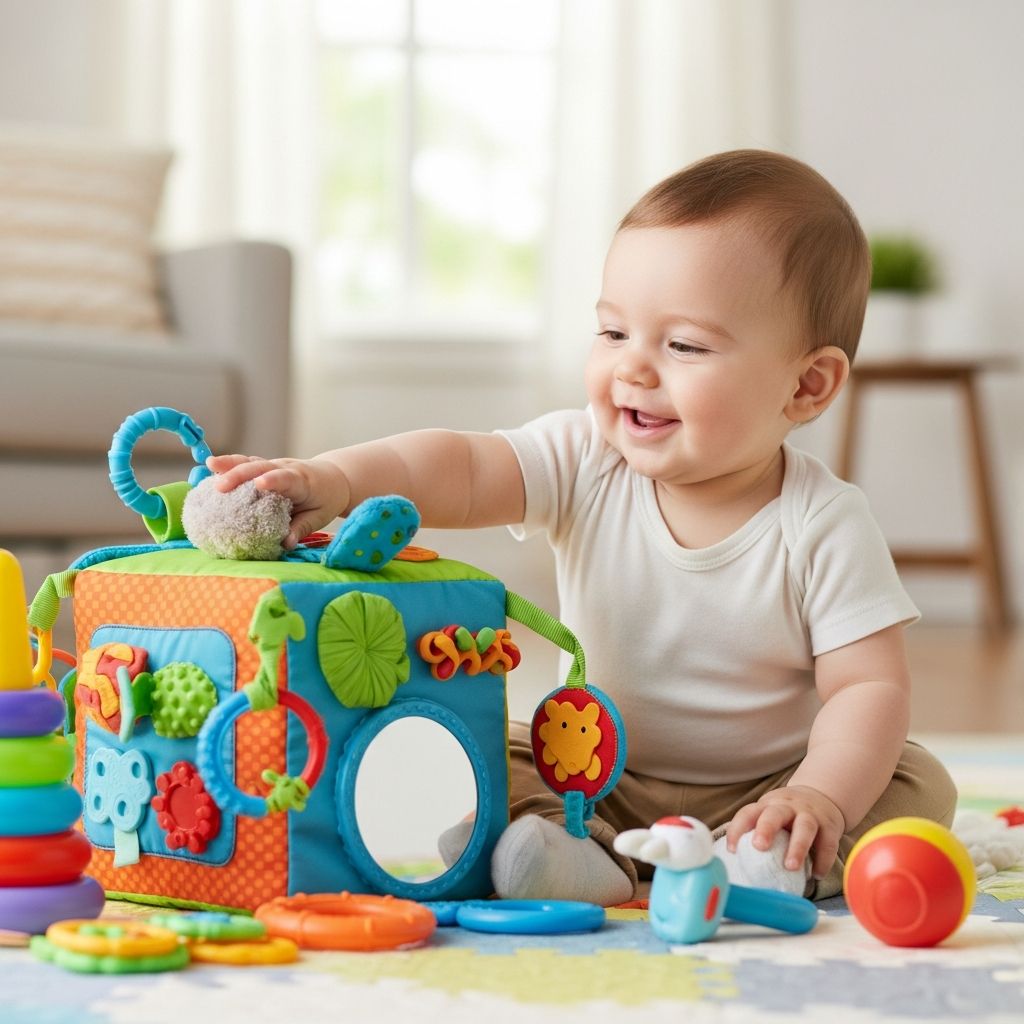
Toys and Choking Hazards: Regularly inspect all toys for broken pieces, loose parts, or button batteries that could pose choking hazards. Store toys on shelves positioned so children cannot climb up to reach them, and avoid placing shelves directly above the crib or changing table.
Air Quality: Install and maintain smoke and carbon monoxide detectors in or outside the nursery, checking batteries regularly.
Living Spaces: Managing Common Areas
Living rooms and family gathering spaces present their own set of challenges, particularly furniture tip-over risks and electrical hazards.
Furniture Stability: Anchor large pieces including cabinets, hutches, bookshelves, credenzas, and freestanding televisions to wall studs. Secure wobbly furniture with safety straps, and consider removing or storing pieces that cannot be safely anchored or have sharp corners that cannot be covered with guards. This is especially important as children learn to pull themselves upright using furniture for balance.
Cord Management and Electrical Safety: Secure all loose cords from electronics, televisions, and lamps so children cannot pull on them or become entangled. Use outlet covers for accessible outlets, and store electronic devices with batteries—including remote controls—well out of reach.
Window Treatments: Replace corded blinds and curtains with cordless alternatives, or securely shorten and secure any cords so they pose no strangulation risk.
Sharp Corners and Edges: Install corner guards and edge protectors on low tables, fireplaces, window sills, and other sharp surfaces where children might bump their heads during falls.
Master Bedroom Precautions
Even bedrooms where children spend limited time during the day require safety measures, particularly if toddlers have access or siblings share the space.
Install doorknob covers to restrict unsupervised access and prevent children from becoming trapped. Secure all electrical outlets and cords from electronics, phones, or other devices. Replace corded window blinds with cordless versions, or safely secure cords out of reach. Anchor large furniture pieces including dressers, cabinets, bookshelves, and televisions to walls.
Preventing Falls and Furniture-Related Injuries
As children develop climbing abilities, preventing falls becomes increasingly important. Install safety gates at the top and bottom of stairs to restrict access to areas where falls pose serious risks. Choose gates appropriate for your staircase design and your child’s size. Test gates regularly to ensure they remain properly installed and secure.
Corner guards and edge protectors cushion accidental impacts when children bump into furniture or fall against table edges. While these products cannot prevent all injuries, they significantly reduce the severity of impacts. Apply these protections to any low tables, sharp furniture corners, or protruding edges at child height.
Outdoor and Additional Hazards
Safety concerns extend beyond the indoor environment. Keep pools, hot tubs, and jacuzzis covered and securely locked when not in use. Some homes contain hazards that require specific attention: store guns separately from ammunition in locked cabinets, keep house plants out of reach (as some varieties are toxic), and check for chipping paint that might contain lead-based paint in older homes.
Install window guards to prevent falls from windows, and ensure windows are limited in how far they can open. Lock away batteries, particularly button batteries, which can cause serious internal injuries if swallowed. Keep liquor cabinets locked, and avoid games or toys with small pieces that pose choking hazards.
Check radiators and heating vents, covering them to prevent burn injuries. Use door pinch guards on all doors to prevent finger crush injuries.
Products That Make a Difference
Quality babyproofing products are essential to implementing your safety plan. Consumer safety organizations have tested numerous products including doorknob covers, cabinet locks, corner guards, edge protectors, stove knob covers, and safety gates to identify the most durable and effective options. Select products built to withstand regular use and repeated contact with determined toddlers.
Creating Your Personalized Safety Plan
While this guide addresses typical hazards, every home is unique. Assess your specific living situation by getting down on your hands and knees to view your home from your child’s perspective, identifying hazards you might otherwise miss. Consider the specific layout of your rooms, the furniture you own, and any unique hazards particular to your situation. Some recommendations may not apply to your home, while other hazards specific to your circumstances might require creative solutions not covered here.
Frequently Asked Questions
Q: When should I start babyproofing my home?
A: Begin before your baby arrives by establishing safe sleep spaces, ensuring proper car seat installation, and preparing bathing facilities. Complete additional measures like securing furniture and covering outlets by six months, before your baby becomes highly mobile.
Q: What are the most critical babyproofing measures?
A: Sleep safety, car seat installation, preventing furniture tip-overs, securing toxic substances, managing electrical hazards, and water temperature control are among the highest-priority measures that prevent the most serious injuries and deaths.
Q: How do I test whether my babyproofing is effective?
A: Regularly inspect installed safety devices to ensure they remain secure and functional. Test cabinet locks, outlet covers, and gates periodically. As your child grows, reassess hazards, as older toddlers develop new abilities to bypass safety measures.
Q: Are there safety concerns specific to certain rooms?
A: Yes. Kitchens present hazards from hot surfaces and toxic substances. Bathrooms require attention to water temperature and drowning prevention. Bedrooms need furniture anchoring and cord safety. Living spaces require furniture stability measures. Every room has specific priority concerns.
Q: What should I do about stairs?
A: Install safety gates at both the top and bottom of stairs to prevent falls. Ensure gates are securely installed and appropriate for your specific staircase. Supervise closely when children are near stairs.
References
- Babyproofing at Home: Your Baby Safety Checklist — Consumer Reports. 2024. https://www.consumerreports.org/babyproofing/babyproofing-checklist-baby-safety-guide-a3304634900/
- How to Babyproof Your Home — LoadUp. 2024. https://goloadup.com/blog/guides/how-to-babyproof-your-home/
- An ER Doctor’s Childproofing Checklist — Babylist. 2024. https://www.babylist.com/hello-baby/doctor-childproofing-checklist
- The Ultimate Baby-Proofing Guide — Tiny Hearts. 2024. https://tinyhearts.com/en-us/blogs/safety/the-ultimate-baby-proofing-guide
- Childproofing Your Home — Safety Devices to Help Protect — U.S. Consumer Product Safety Commission. 2024. https://www.cpsc.gov/safety-education/safety-guides/kids-and-babies/Childproofing-Your-Home