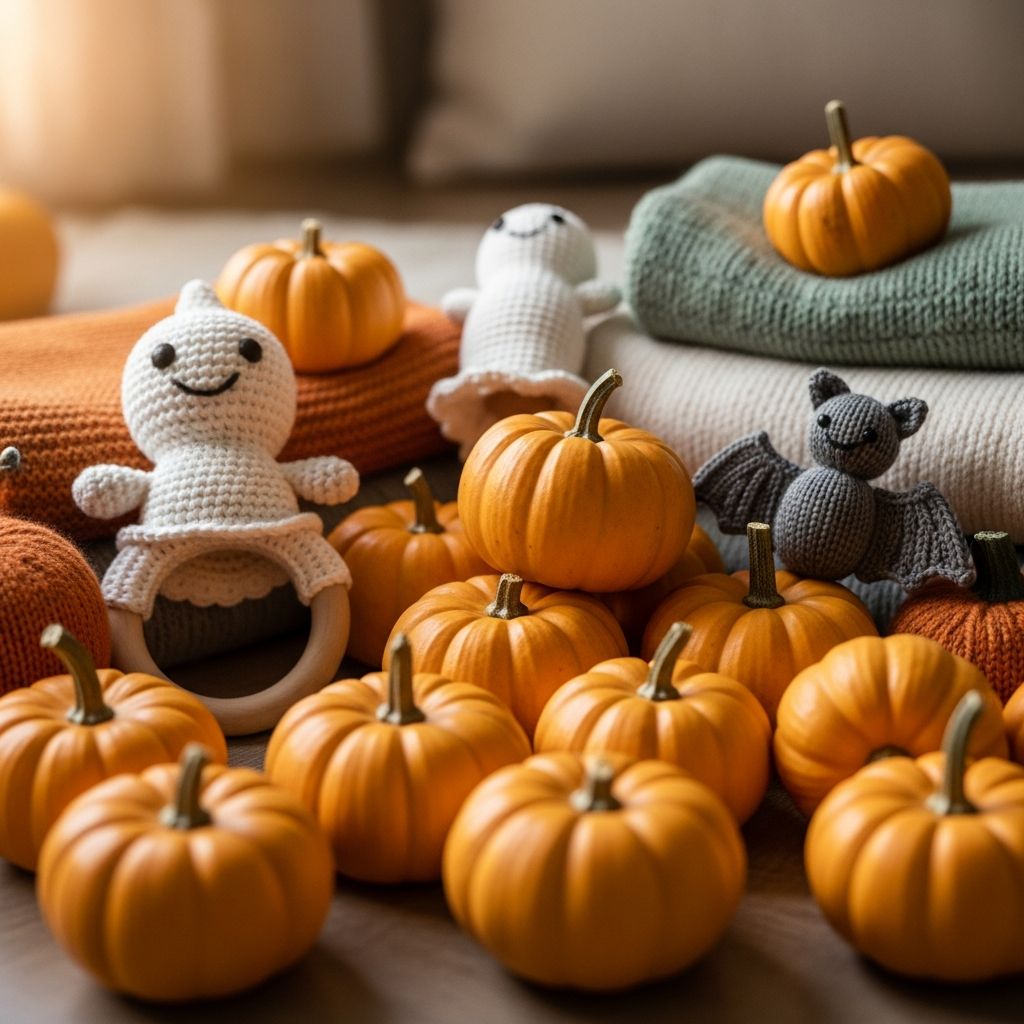
Halloween changes completely once there is a baby in the house. The noisy streets, late-night doorbells, and sugar overload that once felt exciting can suddenly seem overwhelming when you are feeding every few hours and still trying to remember where you put the wipes. This guide offers calm, baby-friendly ways to enjoy the season without traditional trick-or-treating, so the whole family can relax and still feel festive.
Why Halloween Feels Different With a Baby
For new parents, the first Halloween with a baby often brings mixed emotions. On one hand, there is the pressure to “do something special”; on the other, there is the reality of nap schedules, feeding routines, and a tiny person who might be startled by every doorbell chime. It helps to remember that your baby will not measure this holiday by how many events you pack in but by how safe, calm, and connected they feel.
Rather than squeezing a newborn into a complicated costume and rushing through crowded sidewalks, this can be the year to redefine the holiday around your growing family’s actual needs. A slower pace, soft lights, and a focus on simple experiences can make the night more enjoyable for everyone, including you.
Setting Realistic Expectations for Baby’s First Halloween
Babies under two do not understand spooky themes or candy traditions, but they are very sensitive to noise, bright lights, and changes in routine. Keep expectations low and flexible. If your only accomplishment is snapping one photo and cuddling on the couch, you have still created a memory worth keeping.
Before committing to any plan, ask a few questions:
- What time does my baby usually start to get fussy in the evening?
- Do loud knocks, doorbells, or barking dogs easily upset my baby?
- Am I personally craving a quiet night, a small gathering, or a full neighborhood event?
Use the answers as your starting point. There is no “right” way to do Halloween with a baby; there is only what works for your household this year.
Creating a Calm Halloween Atmosphere at Home
Your home environment can turn Halloween from chaotic to cozy. Instead of eerie soundtracks and strobe lights, think in terms of soft, autumn-inspired comfort. Dim lamps, warm blankets, and a clear floor space for rolling or crawling go much further than elaborate props when your audience is under two feet tall.
Consider these low-key touches:
- Switch from harsh overhead lighting to lamps or string lights for a gentler glow.
- Choose friendly decorations (smiling pumpkins, soft ghosts, autumn leaves) over frightening masks or gory imagery.
- Lower the volume if you enjoy Halloween movies or music so sudden sounds do not startle the baby.
Baby-Friendly Costume Ideas and Comfort Tips
Costumes for babies are mostly for the adults’ enjoyment and photographs, so comfort should always win over cleverness. Anything that interferes with breathing, feeding, or diaper changes will turn cute into stressful very quickly.
When choosing an outfit, keep this checklist in mind:
- Pick soft, breathable fabrics that feel like pajamas rather than scratchy dress-up clothes.
- Avoid loose strings, sequins, or tiny buttons that could become choking hazards.
- Make sure hats and hoods do not cover the baby’s face or block their nose and mouth.
- Plan how you will change diapers without removing 15 layers of costume.
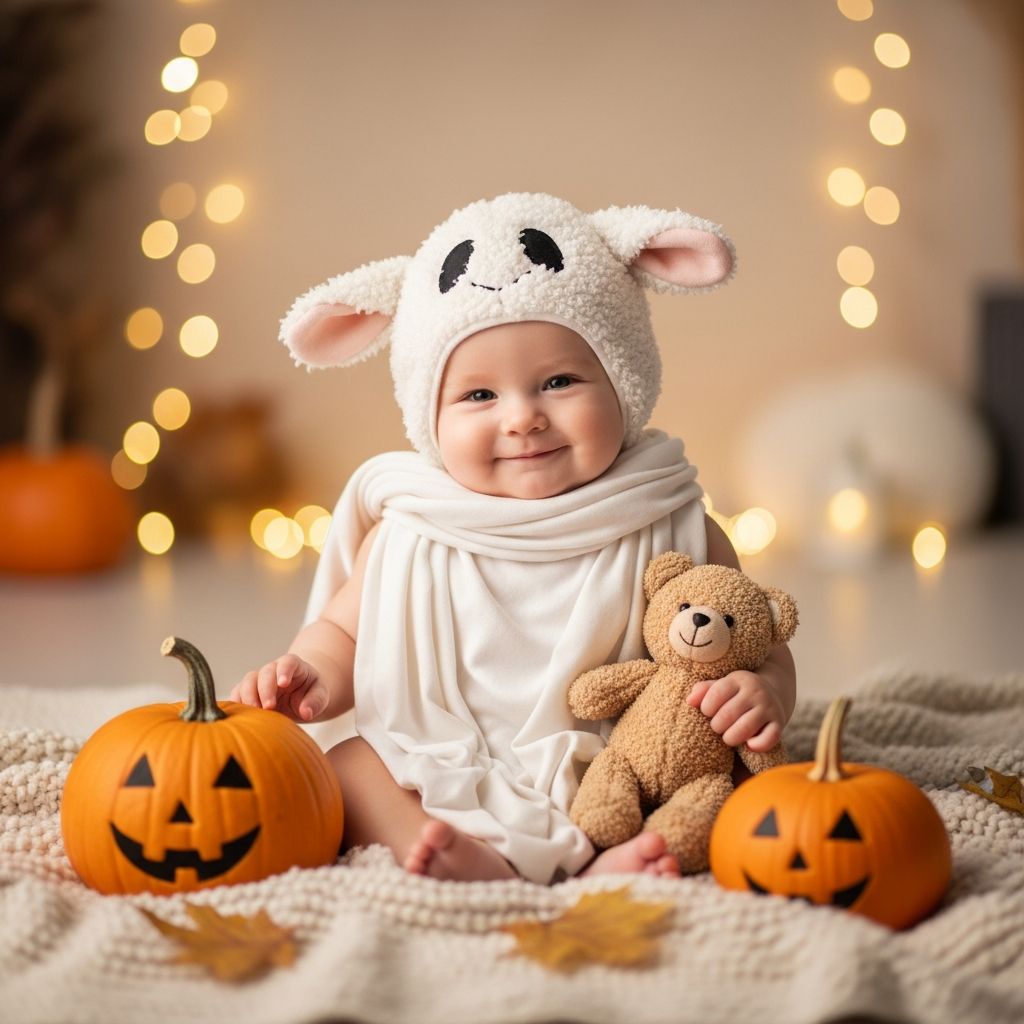
Sometimes the simplest option—a themed onesie, a pumpkin-colored sleeper, or a gentle animal hood—is all you need for adorable photos and a happy baby.
Gentle Halloween Activities for Non-Walking Babies
If your baby is not yet mobile, activities will center on senses: sight, sound, touch, and smell. Short, calm experiences are best, and you can spread them throughout the day instead of cramming everything into the evening.
Soft Sensory Play for Little Hands
Instead of handing your baby fragile decorations, build a small “autumn exploration” tray from safe items you already own. Always stay within arm’s reach and avoid anything that can fit through a cardboard toilet paper tube, which indicates a choking risk.
- Fabric squares in Halloween colors (orange, black, purple) for crinkling and waving.
- Large, smooth mini pumpkins or gourds for supervised touching and smelling.
- Textured baby-safe books with fall themes for turning pages together.
Cozy Storytime and Gentle Songs
Babies love rhythm and repetition more than complex plots. Choose simple board books with friendly characters and bold pictures, then read in a calm voice. You can also adapt familiar nursery rhymes with seasonal words if that feels fun, or hum a gentle tune while rocking your baby among the decorations.
Simple Halloween Fun for Crawlers and New Walkers
Once babies begin to crawl or toddle, Halloween becomes a chance to explore space and movement. They still do not need jump scares or dense crowds, but they may enjoy simple games that let them practice their new skills in a festive setting.
Movement Games on a Small Scale
Keep activities short and straightforward, and stop as soon as your child shows signs of tiredness or overstimulation. A few ideas:
- Pumpkin path: Place soft plush pumpkins (or rolled-up orange socks) around the room and encourage your child to crawl or walk from one to the next.
- Leaf shuffle: Scatter paper leaves on the floor for little feet to crunch and slide over, watching how they move.
- Gentle balloon play: Use one or two orange balloons, tied securely, for slow rolling and tapping while you supervise closely.
At-Home “Trick-or-Treat” Alternatives
Traditional door-to-door trick-or-treating is often too late, too cold, and too stimulating for very young children. You can still enjoy the spirit of the ritual by simplifying it and keeping it indoors or within a small circle of trusted adults.
Indoor Treat Walk for Baby
Set up a few “stations” around your home—a basket in the living room, a favorite chair, a decorated corner of the hallway. At each stop, instead of candy, place a small surprise your baby can safely enjoy.
- Crinkly board book with a cheerful ghost or pumpkin.
- New pacifier, teething toy, or soft rattle.
- Pair of cozy Halloween socks or a themed bib.
Carry your baby from station to station, narrating what you see and offering plenty of smiles and cuddles. Older siblings can help hand out the surprises, turning the evening into an act of giving rather than collecting sweets.
Food Ideas for Babies Who Eat Solids
If your child has already started solids and cleared basic allergens, you can serve a themed dinner or snack that looks festive without relying on candy. Focus on familiar foods that are easy to chew and not overly salty or sugary.
- Soft orange fruits and vegetables such as steamed carrots or mashed sweet potato arranged in pumpkin shapes.
- Whole-milk yogurt or oatmeal tinted with a small amount of pureed pumpkin.
- Banana slices with simple smiley faces drawn using a tiny dab of nut butter (if safe for your baby) or mashed berries.
Deciding Whether to Hand Out Candy This Year
Many new parents find that the constant ringing of the doorbell disturbs bedtime, triggers barking from pets, or interrupts feeding. It is perfectly acceptable to decide that this year, your house will not be part of the neighborhood candy circuit, especially if your baby is struggling with sleep or if you are exhausted.
If you still want to participate in a limited way, consider:
- Placing a bowl of treats outside with a friendly sign so visitors do not knock.
- Turning off the porch light and drawing curtains once your baby has gone down, signaling that your home is resting.
- Asking a friend or relative without small children to hand out candy from your doorstep while you stay inside.
Balancing Your Needs and the Baby’s Needs
Parents’ feelings absolutely matter in holiday planning. If Halloween has always been important to you, it can be disappointing to scale back. Acknowledging that grief is part of creating new traditions, not a sign that you are ungrateful for your baby or doing anything wrong.
Consider gentle ways to weave your old traditions into a new rhythm:
- Watch a favorite non-scary Halloween movie earlier in the day while the baby naps nearby.
- Invite one or two close friends or grandparents over for a brief costume visit rather than hosting a full party.
- Save long, late-night events for future years when your child will remember them and participate more actively.
Overstimulation and Safety: What to Watch For
Babies can become overwhelmed quickly by flashing lights, loud noises, and crowds. Signs of overstimulation can include turning away, frantic arm or leg movements, stiffening, arching their back, increased crying, or difficulty settling to sleep after events. If you notice these signals, it may help to step into a quiet room, dim the lights, and offer a simple comfort like feeding, rocking, or holding.
General safety pointers for baby-centered Halloween evenings include:
- Avoiding candles within reach; opt for battery-operated tea lights or glow sticks that are too large to swallow.
- Checking decorations for loose pieces that could be mouthed or pulled down.
- Being cautious with face paints and glitter, which can irritate delicate skin or end up in eyes and mouths.
Sample Evenings for Different Baby Ages
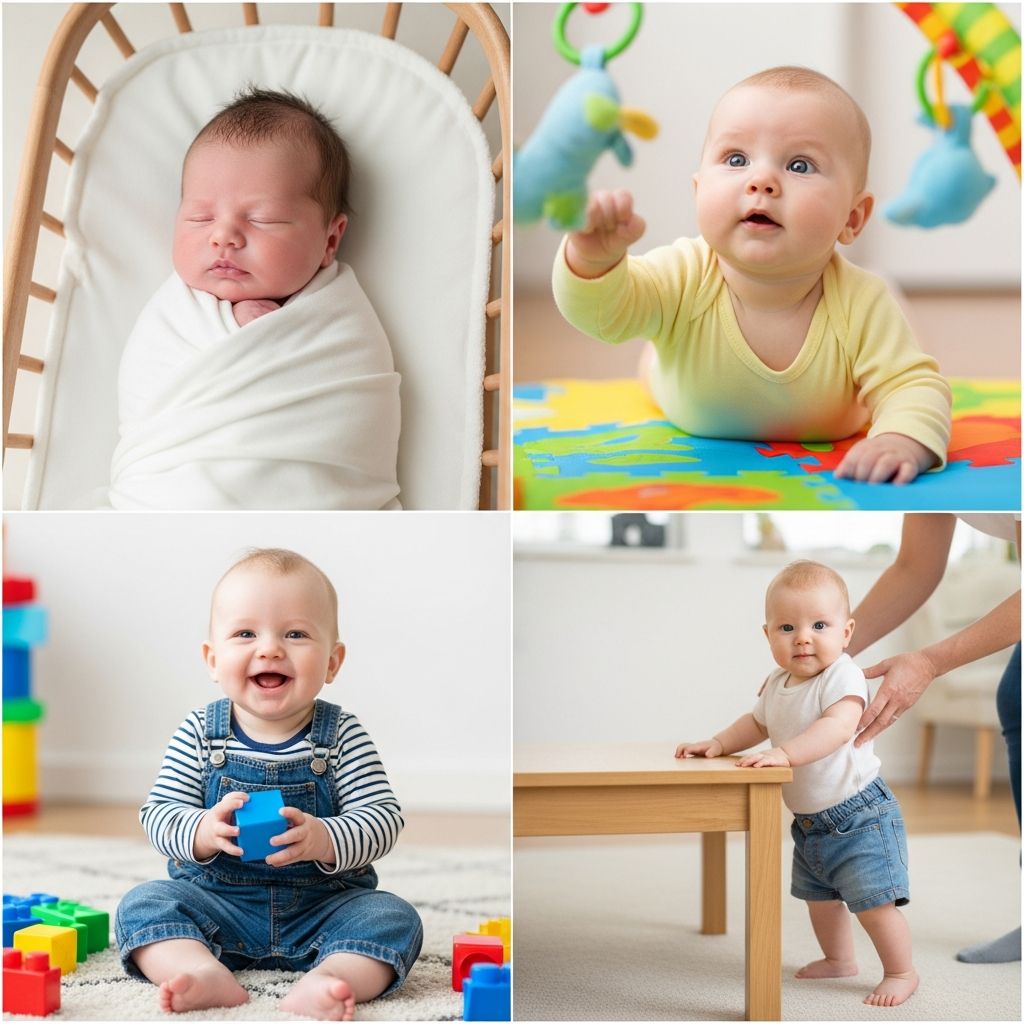
To help visualize what a low-key Halloween might look like, here is a simple overview of possible plans for different developmental stages. These are only examples; adjust times and activities to match your child’s unique temperament.
| Baby’s Stage | Approximate Wake Window | Possible Activities |
|---|---|---|
| Newborn (0–3 months) | 45–90 minutes | One quick photo in a soft themed outfit, a short cuddle under string lights, then regular feeding and bedtime. |
| Young infant (4–7 months) | 1.5–2 hours | Cozy storytime with a fall board book, supervised sensory tray with fabrics and a small pumpkin, early night. |
| Older infant (8–12 months) | 2–3 hours | Indoor mini “treat” walk with small toys or books, simple themed snack if on solids, brief video call with relatives to show the costume. |
| Toddler (13–24 months) | 3–4 hours | Short neighborhood stroll before dark to look at decorations, simple movement game at home, one or two visitors stopping by. |
Capturing Memories Without Adding Pressure
Photos and keepsakes from a baby’s first holidays often feel important, but elaborate photo shoots can quickly become more stress than they are worth. Instead, aim for a small number of candid photos that reflect what actually happened: a sleepy yawn in a pumpkin outfit, a slightly crooked headband, a parent’s tired smile.
To keep it simple:
- Choose one spot in your home with decent natural or lamp light for a quick picture session.
- Take photos early in the day when your baby is usually happiest.
- Print one favorite image or add it to a yearly holiday album so your efforts do not disappear into your camera roll.
Frequently Asked Questions About Halloween With Babies
Does my baby need a costume to “celebrate” Halloween?
No. A special onesie, a patterned sleeper, or even just a cozy outfit in autumn colors can feel just as festive. The holiday is about the memory, not the level of decoration.
Is it okay to skip Halloween completely this year?
Yes. If you are recovering from birth, managing health issues, or simply too tired, it is completely fine to treat October 31 like any other night. There will be many future Halloweens when your child is old enough to participate fully.
Can I take my baby trick-or-treating in a carrier?
It depends on your baby’s temperament and your neighborhood. If you try it, go early before it is dark and crowded, keep the outing short, and watch closely for signs of fatigue or discomfort. Remember that any candy collected will be for adults or older siblings, not for the baby.
What about loud decorations in other yards?
If you choose to walk around the block, you can steer clear of homes with intense sound effects or strobe lights. If surprise noises occur, calmly narrate what is happening and head back home if your baby seems distressed.
How do I handle older siblings who want a big celebration?
Try separating the experiences: give the older child a more traditional outing with another adult or trusted friend while one caregiver stays home with the baby. Later, share stories and photos together so everyone feels included in the night in a way that suits their age.
Making Your Own Traditions
The most meaningful family traditions usually begin quietly, almost by accident: a certain soup you always eat before sunset, a song you hum while dressing the baby, a particular photo you take in the same corner of the house each year. Let this first season with your little one set the tone for celebrations that are gentle, flexible, and truly yours.
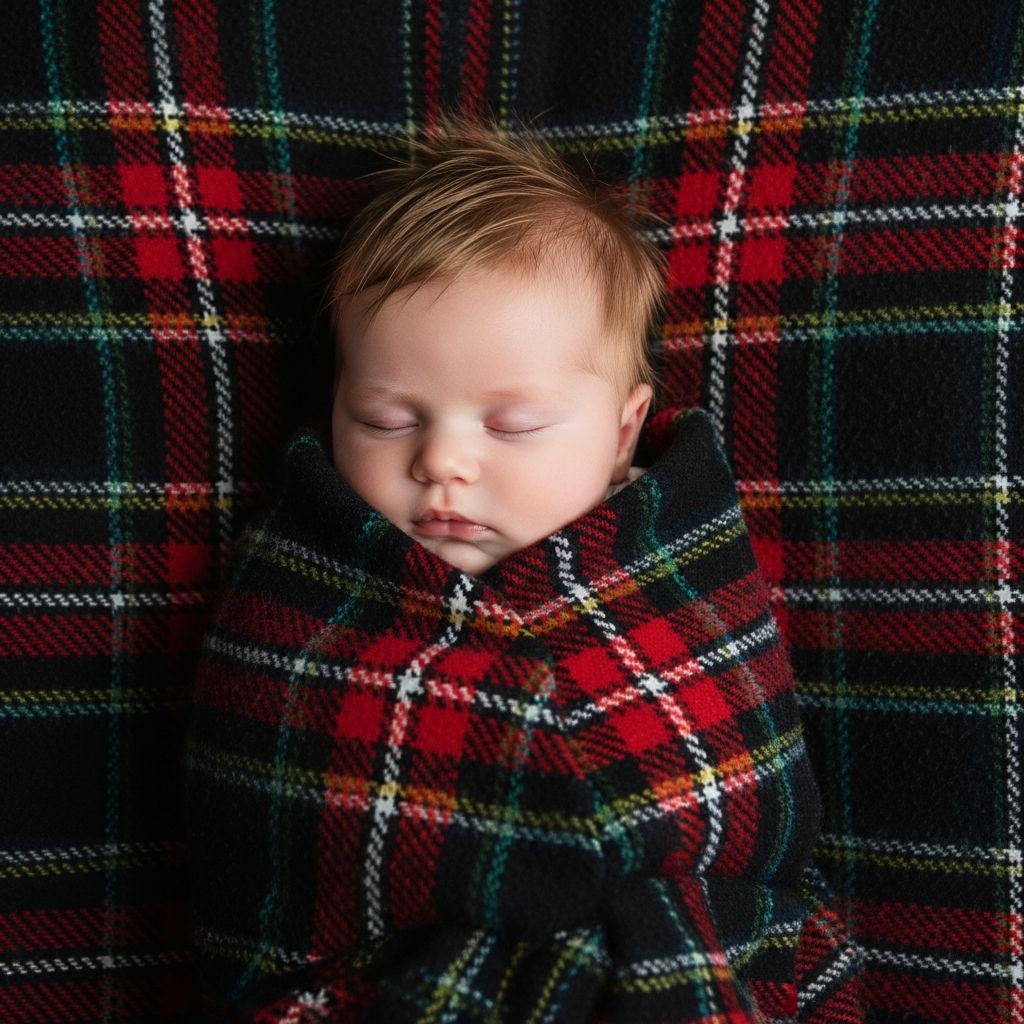
Whether you end up with a full evening of baby-friendly activities or simply a few extra cuddles in a pumpkin-colored blanket, you are already building the story your child will grow up in—a story grounded not in jump scares and sugar, but in safety, warmth, and connection.