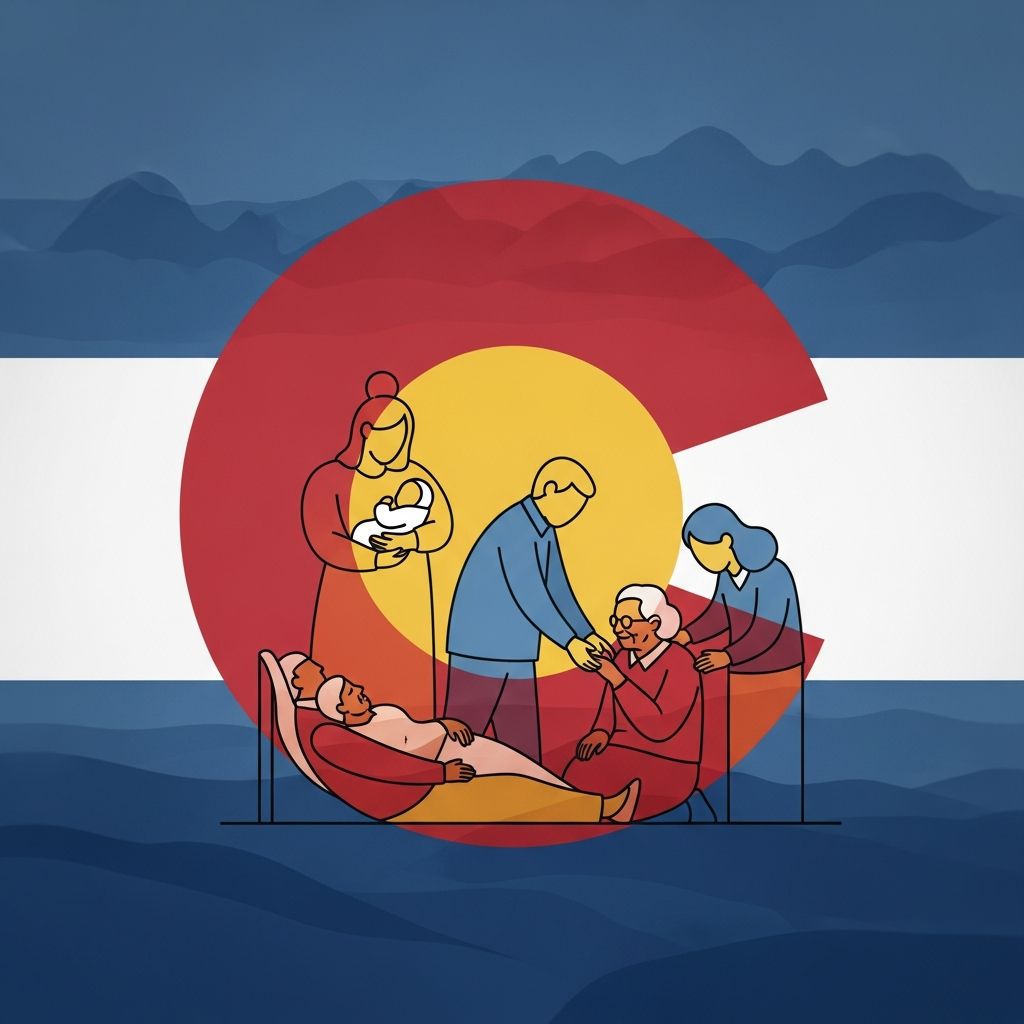
Colorado made history in 2020 by becoming the first state to approve a comprehensive paid family and medical leave program through a direct voter ballot initiative known as Proposition 118. This landmark decision established the Family and Medical Leave Insurance (FAMLI) program, providing workers with essential financial support during life’s most critical moments. Unlike traditional legislative paths, voters directly enacted this policy, reflecting widespread public demand for better family protections. Benefits rolled out in 2024 after premiums began collecting in 2023, offering wage replacement for medical needs, family caregiving, and bonding with new children.
Origins and Voter Approval of Proposition 118
The push for paid leave in Colorado stemmed from years of failed legislative efforts, culminating in Proposition 118 on the November 2020 ballot. Voters approved it decisively, creating a state-administered insurance fund to deliver paid benefits. This voter-driven approach set Colorado apart, joining a handful of states with similar programs but pioneering the ballot method. The initiative addressed gaps where millions of workers lacked paid time off for serious health issues or family care, promoting economic stability and family well-being.
Proposition 118 funds the program through payroll premiums totaling 0.9% of wages initially, split equally between employers and employees unless employers opt out by providing equivalent private plans. Small businesses with fewer than 10 employees pay only the employee portion, easing burdens on local enterprises. This structure ensures broad coverage for about 85% of the workforce while capping premiums at 1.2% to control costs.
Core Benefits Under the FAMLI Program
The FAMLI program delivers up to 12 weeks of paid leave annually, extendable to 16 weeks for pregnancy-related conditions. Wage replacement reaches 90% of earnings up to half the state average weekly wage (currently $767.47), then 50% thereafter, capped at 90% of the state average ($1,381.45 weekly). This tiered system prioritizes lower earners, ensuring substantial support without bankrupting the fund.
- Medical Leave: For personal serious health conditions, including pregnancy and recovery.
- Family Caregiving: To support loved ones with serious illnesses.
- Parental Bonding: Time to connect with newborns, adopted, or foster children.
- Safe Leave: Addressing domestic or sexual violence impacts.
- Military Deployment: For family needs tied to service member deployments.
Employers must remit premiums quarterly, with options for private plans matching FAMLI benefits. Nearly all private sector employers participate if they meet size or wage thresholds.
Historic Expansion for NICU Families
In a significant 2025 update signed by Governor Polis, Colorado expanded FAMLI to provide an additional 12 weeks of paid leave specifically for parents whose infants require neonatal intensive care unit (NICU) treatment. Effective January 1, 2026, this allows up to 24 weeks total—12 for NICU care plus 12 for standard parental leave—per infant. This addresses the unique challenges of premature or critically ill newborns, where parents often face extended hospital stays and recovery periods.
Prior to this, parents could access 12-16 weeks, but NICU cases demanded more flexibility. The amendment recognizes that NICU infants need ongoing parental involvement for bonding and health monitoring, reducing long-term developmental risks. This makes Colorado a leader in tailoring leave to modern family medical realities.
Funding Mechanism and Recent Adjustments
FAMLI operates as an insurance pool, with premiums adjusted annually by the Division Director, starting at 0.88% of wages in 2026 (down from 0.9%). Employers cover half, deductible from pay, with caps preventing excessive hikes. Critics note potential cost escalations, projecting General Fund impacts of $10.9 million in FY24 due to state employee coverage and administrative needs.
| Year | Premium Rate | Employer Share | Employee Share | Max Cap |
|---|---|---|---|---|
| 2023-2025 | 0.9% | 0.45% | 0.45% | 1.2% |
| 2026 | 0.88% | 0.44% | 0.44% | 1.2% |
| 2027+ | Variable (set annually) | 50% | 50% | 1.2% |
Small employers gain relief by avoiding matching contributions. Private plans allow opt-outs if they provide equal or better benefits, preserving business flexibility.
Eligibility Criteria and Application Process
Most Colorado workers qualify after earning at least $2,500 in the highest quarter of the base period. Benefits accrue based on prior earnings, claimable via the state FAMLI Division online portal. Employees notify employers 30 days in advance when possible, or sooner for emergencies. Job protection applies, with employers holding positions for returnees.
Exclusions cover federal employees and certain self-employed opt-ins. The program integrates with existing leaves like FMLA but exceeds unpaid federal standards with pay.
Economic Impacts and Business Considerations
Proponents highlight reduced turnover and improved recruitment, as paid leave retains talent during family transitions. Studies show such programs boost workforce participation, especially for women. However, analyses warn of premium hikes beyond initial rates due to utilization, potentially straining small businesses and state budgets.
State agencies face direct costs covering their workforce shares, offset somewhat by reduced ad-hoc leave expenses. Overall, FAMLI aims for solvency through actuarial modeling, though long-term projections vary.
National Context and Colorado’s Leadership
Colorado joins nine states plus D.C. with paid leave, with four more launching by 2026. As the ballot pioneer, it exemplifies grassroots policy success. Expansions like NICU leave position it ahead, influencing national discussions on family supports amid evolving demographics.
Recent IRS guidance (Rev. Rul. 2025-4) clarifies tax treatment, aiding employer compliance on premium reporting.
Frequently Asked Questions
When did Colorado FAMLI benefits begin?
Premiums started in 2023, with benefits available from January 1, 2024.
What is the maximum weekly benefit?
Up to $1,381.45, or 90% of the state average weekly wage.
Do small businesses pay premiums?
Employers under 10 employees pay only the employee share (half).
Can I get more than 12 weeks of leave?
Yes, up to 16 for pregnancy issues, and 24 total with NICU expansion starting 2026.
Is job protection guaranteed?
Yes, employers must reinstate eligible workers post-leave.
Future Outlook for FAMLI
As implementation progresses, monitoring premium stability and uptake will be key. Expansions demonstrate adaptability to family needs, potentially inspiring federal action. Colorado’s model balances worker rights with economic viability, fostering healthier families and stronger communities.
References
- Proposition 118: At What Cost? — Common Sense Institute. 2020. https://www.commonsenseinstituteus.org/colorado/research/healthcare/proposition-118-a-statewide-paid-family-and-medical-leave-program-for-colorado-but-at-what-cost
- Colorado Exemplifies How to Build Upon Paid Leave Progress — A Better Balance. 2025-05-30. https://www.abetterbalance.org/colorado-exemplifies-how-to-build-upon-paid-leave-progress-to-meet-families-evolving-needs/
- Parental Leave Expanded Under Colorado Paid Family and Medical Leave — Workforce Software. 2025. https://workforcesoftware.com/blog/parental-leave-expanded-under-colorado-paid-family-and-medical-leave/
- Colorado Adjusts Rules for Paid Family and Medical Leave — Ogletree Deakins. 2025. https://ogletree.com/insights-resources/blog-posts/colorado-adjusts-rules-for-paid-family-and-medical-leave/
- Fast Facts About Paid Leave in Colorado — Center for American Progress. 2023-12-29. https://www.americanprogress.org/article/fast-facts-about-paid-leave-in-colorado/
- Colorado FAMLI: New Changes in the New Year — Jackson Lewis. 2025. https://www.jacksonlewis.com/insights/colorado-famli-new-changes-new-year-impact-process-duration-more
- Paid Family and Medical Leave Insurance Act — Colorado Secretary of State. 2020. https://www.sos.state.co.us/pubs/elections/Initiatives/titleBoard/filings/2019-2020/283Final.pdf