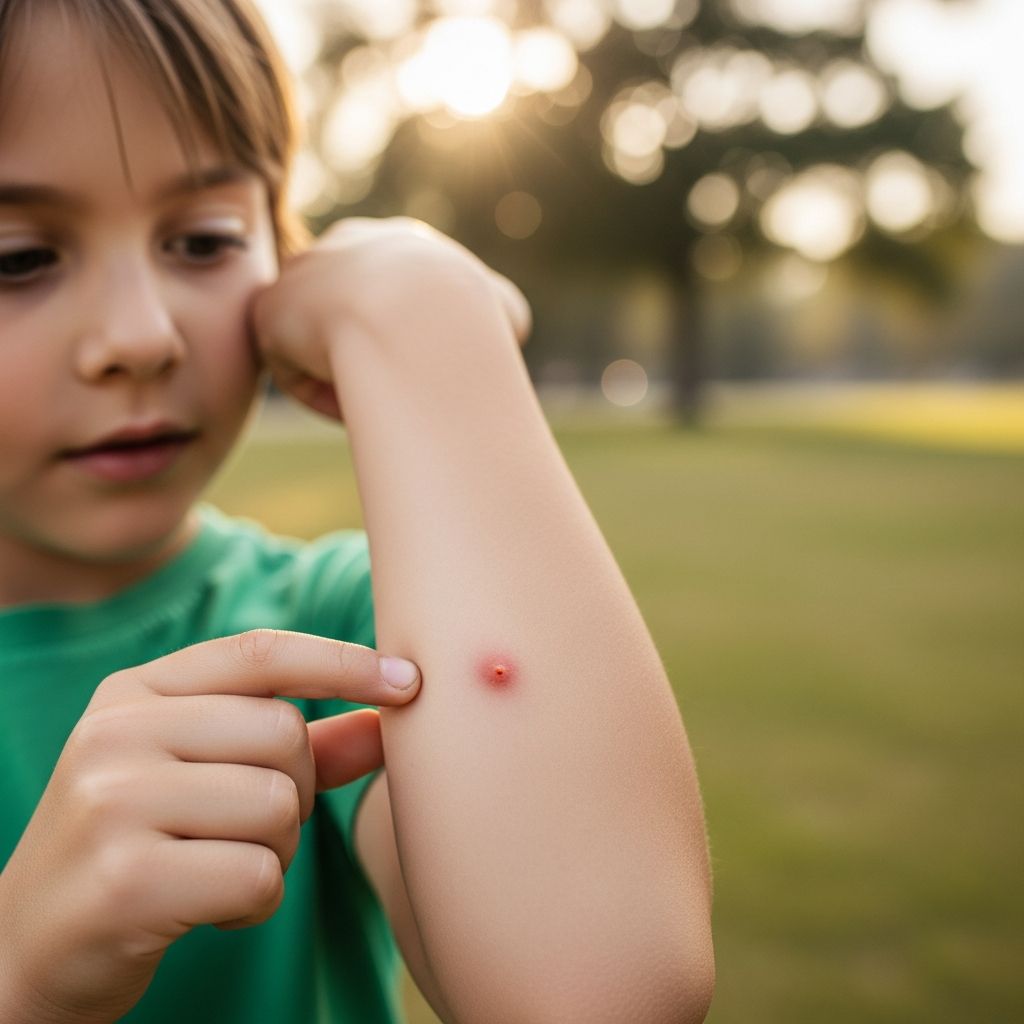
Lyme disease ranks among the most common tick-transmitted illnesses affecting children in certain regions, caused by the bacterium Borrelia burgdorferi spread through bites from infected blacklegged ticks. Early recognition of its distinctive signs can lead to straightforward antibiotic treatment, preventing more serious complications like joint inflammation or neurological issues. This guide breaks down everything parents and kids need to know about spotting, treating, and avoiding Lyme disease.
What Causes Lyme Disease and How Does It Spread?
The culprit behind Lyme disease is a spiral-shaped bacterium called Borrelia burgdorferi, primarily carried by tiny blacklegged ticks, also known as deer ticks. These ticks thrive in wooded, grassy areas across the northeastern, mid-Atlantic, and north-central United States, though cases appear in other regions too. Kids often pick up ticks during outdoor play in forests, tall grass, or leaf piles, especially from late spring through fall when ticks are most active.
Ticks must latch onto skin for 36 to 48 hours to transmit the bacteria effectively. Not every tick bite leads to Lyme—only those carrying the infected bacteria pose a risk. Animals like deer and mice serve as hosts, helping ticks spread in nature. Understanding this cycle empowers families to take preventive steps during hikes or backyard adventures.
Recognizing the First Signs: The Expanding Rash
About 3 to 30 days after a tick bite, the hallmark of early Lyme disease emerges: a red, expanding rash known as erythema migrans (EM). This “bull’s-eye” rash starts small at the bite site, growing up to 12 inches wide over days or weeks. It may feature a clear or pink center with a red outer ring, feel warm, and occasionally itch, though many kids report no discomfort.
- Not all rashes form the classic bull’s-eye; some appear solid red or blotchy.
- Upwards of 70-80% of infected children develop this rash, making it the top clue.
- It can pop up anywhere ticks bite, like behind knees, armpits, or scalps.
Flu-like symptoms often tag along: fever, chills, headache, fatigue, muscle aches, and swollen lymph nodes. These mimic a summer cold but without cough or runny nose. Promptly noting the rash boosts treatment success.
When Lyme Spreads: Watch for Widespread Effects
If untreated, the bacteria can disseminate through the bloodstream weeks after the bite, triggering diverse symptoms. Multiple rashes may appear on distant body parts, signaling spread.
Neurological issues affect about 10-15% of cases, including:
- Facial palsy (Bell’s palsy), causing droop on one or both face sides.
- Severe headaches, neck stiffness from meningitis.
- Numbness, tingling, or shooting pains in limbs.
Heart involvement (Lyme carditis) brings irregular heartbeat, dizziness, or shortness of breath, though rare in kids. Joint pains, especially in knees, signal early arthritis. Fatigue and mood shifts can disrupt school and play.
Late-Stage Challenges: Long-Term Joint and Nerve Issues
Months later, untreated Lyme leads to late disseminated disease, dominated by arthritis in large joints like knees, causing painful swelling and stiffness. Episodes last weeks, recurring over months.
Less common in children but possible: persistent fatigue, memory fog, poor concentration, mimicking other conditions. Early intervention rarely allows progression this far.
| Stage | Timing After Bite | Key Symptoms |
|---|---|---|
| Early Localized | 3-30 days | Bull’s-eye rash, fever, aches, fatigue |
| Early Disseminated | Weeks 2-10 | Multiple rashes, facial palsy, heart issues, meningitis |
| Late Disseminated | Months later | Joint arthritis, nerve pain, cognitive changes |
How Doctors Diagnose Lyme in Young Patients
Diagnosis hinges on history of tick exposure in endemic areas plus symptoms, especially the EM rash, which alone warrants treatment without lab tests. Blood tests detect antibodies but may miss early infections or yield false positives.
Clinicians use two-tier testing: ELISA screening followed by Western blot confirmation. PCR tests on rash biopsies help early cases. Kids’ symptoms like fever and joint pain guide differential diagnosis from flu or other tick illnesses.
Effective Treatments: Antibiotics Clear It Up
Most kids recover fully with a 10-21 day course of oral antibiotics like doxycycline (for ages 8+), amoxicillin, or cefuroxime. Early treatment cures over 95% of cases. IV antibiotics treat severe heart or brain involvement.
- Mild cases: 14-21 days oral meds.
- Arthritis: Extended oral course.
- Hospitalization rare, for complications.
Symptoms may linger weeks post-treatment (post-treatment Lyme disease syndrome), managed with rest and symptom relief.
Prevention Strategies: Keep Ticks at Bay
Avoiding ticks is key:
- Wear light-colored long sleeves, pants tucked into socks on outings.
- Use DEET (20-30%) or permethrin on clothes.
- Stick to trails; avoid brush.
- Shower post-outdoors; tumble dry clothes hot.
- Check skin daily, focusing on hidden spots.
Remove ticks promptly with fine tweezers, grasping close to skin, pulling steadily. Clean and monitor for 30 days. Vaccines are in development; none approved for kids currently.
Tick Removal: Step-by-Step Guide
- Use pointed tweezers or tick key.
- Grasp tick mouthparts flush with skin.
- Pull upward steadily, no twisting.
- Avoid crushing; dispose in alcohol or tape.
- Disinfect bite; save tick for ID if possible.
Common Myths About Lyme Disease Busted
- Myth: All tick bites cause Lyme. Fact: Only infected blacklegged ticks do.
- Myth: Rash always looks like a bull’s-eye. Fact: Variations common.
- Myth: Antibiotics alone don’t suffice long-term. Fact: Short courses work for most.
Frequently Asked Questions (FAQs)
What if my child has a rash after outdoors—could it be Lyme?
Yes, especially expanding red rings in tick-prone areas. See a doctor promptly for evaluation.
Can Lyme be asymptomatic in kids?
Rarely; most show rash or flu symptoms, but some progress silently.
Is Lyme contagious person-to-person?
No, only via infected ticks.
How soon after bite do symptoms start?
3-30 days typically.
What areas have highest Lyme risk?
Northeast, Midwest US; check CDC maps.
Arming yourself with knowledge about Lyme disease ensures quick action. Teach kids tick safety habits for lifelong protection.
References
- Lyme Disease | Nemours KidsHealth — Nemours Children’s Health. 2023. https://kidshealth.org/en/parents/lyme.html
- Clinical Manifestations of Tick-Borne Infections in Children — PMC / National Library of Medicine. 2000-10-01. https://pmc.ncbi.nlm.nih.gov/articles/PMC95907/
- Lyme Disease in Children — Children’s Hospital of Philadelphia. 2024. https://www.chop.edu/conditions-diseases/lyme-disease-children
- Lyme Disease Symptoms — Johns Hopkins Lyme Disease Research Center. 2024. https://www.hopkinslyme.org/lyme-disease/lyme-disease-signs-symptoms/
- Lyme Disease — Riley Children’s Health. 2024. https://www.rileychildrens.org/health-info/lyme-disease
- Lyme disease – Symptoms and causes — Mayo Clinic. 2024-05-02. https://www.mayoclinic.org/diseases-conditions/lyme-disease/symptoms-causes/syc-20374651