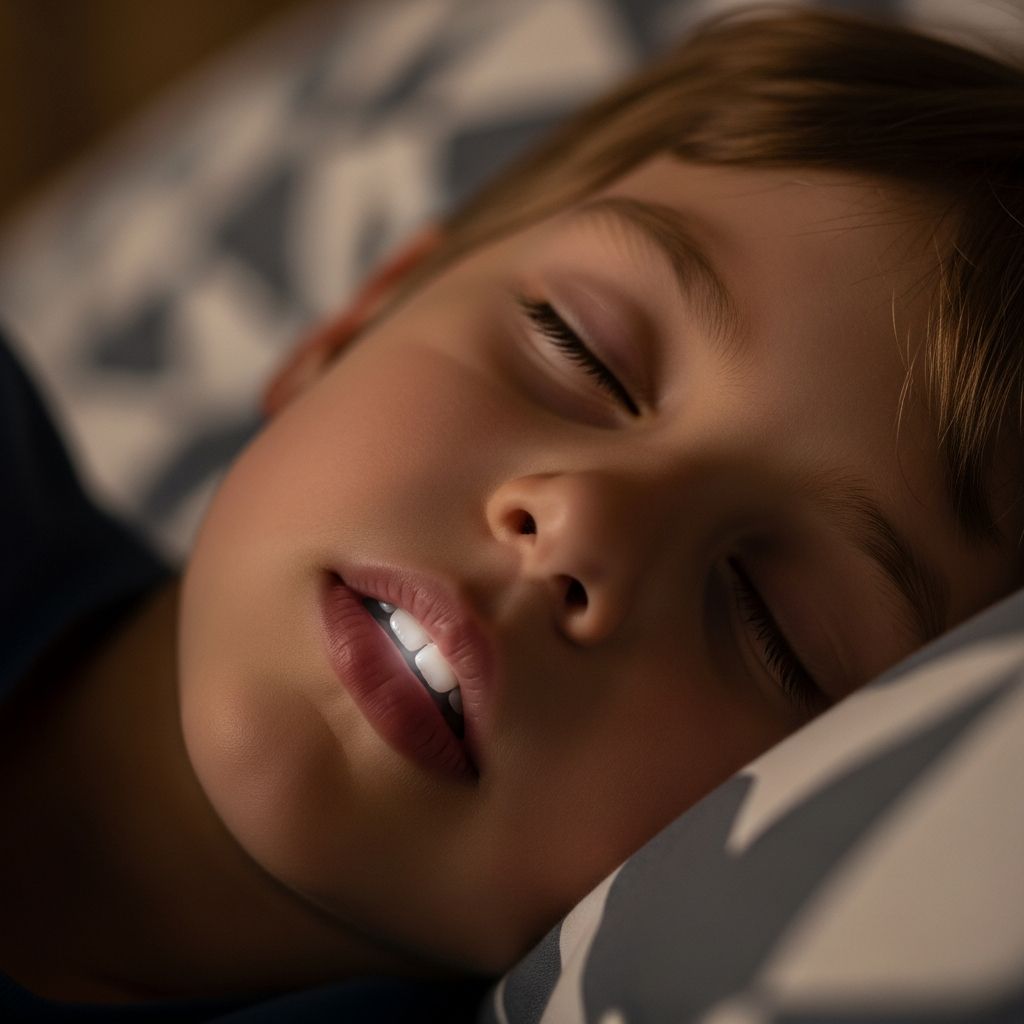
Many children grind or clench their teeth at some point, especially during sleep. This habit is called bruxism, and while it can sound alarming, it is often temporary and manageable with the right information and support.
What Is Bruxism in Children?
Bruxism is the medical term for involuntary teeth grinding, clenching, or jaw tensing. In children, it most commonly happens at night while they sleep, but some kids also clench during the day when they are concentrating or stressed.
Short, occasional grinding episodes usually do not cause lasting harm. Problems are more likely if the grinding is frequent, forceful, or continues for many months without improvement.
Why Do Kids Grind Their Teeth?
There is no single cause of bruxism. Instead, several physical, emotional, and developmental factors can work together. Understanding these possible triggers can help parents and healthcare providers choose the most helpful strategies.
- Stress and emotions: Worries about school, friendships, or family changes can show up as nighttime grinding rather than spoken concerns.
- Jaw and bite changes: As baby teeth fall out and permanent teeth come in, the upper and lower teeth may not fit together smoothly, which can lead to grinding.
- Sleep-related issues: Snoring, mouth breathing, or brief pauses in breathing may be linked with teeth grinding during sleep.
- Discomfort or pain: Earaches, teething, or allergies that affect breathing can all make grinding more likely as a child reacts to the discomfort.
- Certain conditions or medications: Some neurological or developmental conditions and some medicines can increase the tendency to clench or grind.
Common Signs Parents May Notice
Because children often grind their teeth while asleep, many parents learn about the problem only when they hear it or a dentist points it out. Paying attention to early clues makes it easier to step in before damage occurs.
- A grinding or squeaking sound during the night that may come and go through sleep.
- Complaints of a tired or sore jaw in the morning, especially when chewing breakfast.
- Headaches, particularly around the temples or forehead, soon after waking.
- Chipped, flattened, or worn-looking teeth that the dentist notices at checkups.
- Tooth sensitivity to hot or cold drinks because the outer surface of the tooth has been worn down.
- Difficulty opening the mouth fully or pain around the cheeks and jaw joints.
Some children are completely unaware that they are grinding and may show only subtle signs, so routine dental exams are an important part of catching bruxism early.
Is Teeth Grinding Always a Problem?
Teeth grinding in young children is very common and often improves on its own as their jaw grows and permanent teeth replace baby teeth. In these cases, careful observation may be enough, and no treatment is needed.
However, bruxism should not be ignored if it causes pain, visible damage, sleep disruption, or daytime behavior changes. In those situations, a dentist or doctor can help decide whether active treatment is appropriate.
Potential Effects on Teeth and Health
Most mild bruxism does not cause serious harm. When grinding is intense or long-lasting, it can affect both oral health and overall comfort. Parents should know what to look for so they can act early.
- Tooth wear and fractures: Constant grinding can thin the enamel, flatten the biting surfaces, or cause small cracks and chips.
- Jaw muscle strain: Overworked jaw muscles can feel stiff, painful, or tired, especially in the morning.
- Jaw joint problems: The joint in front of the ear that opens and closes the mouth can become irritated, leading to clicking, popping, or pain.
- Sleep disruption: Grinding noises can disturb family members, and the child’s own sleep may be lighter or more restless.
- Increased dental needs: Over time, heavy wear can make fillings, crowns, or orthodontic care more complicated.
Daytime vs. Nighttime Grinding
Children may grind when they are awake, asleep, or both. Knowing which pattern fits your child helps guide the response.
| Type | When It Happens | Typical Triggers | What Parents Notice |
|---|---|---|---|
| Daytime grinding or clenching | During schoolwork, screen time, homework, or stressful moments | Concentration, frustration, anxiety, or habit | Teeth pressed tightly together, jaw muscles tense, child may stop when reminded |
| Nighttime grinding (sleep bruxism) | During light stages of sleep or around brief awakenings | Sleep disturbances, jaw development changes, stress, or medical factors | Grinding sounds heard by others, morning jaw soreness, dental wear over time |
How Dentists Check for Bruxism
Pediatric dentists are trained to spot signs of teeth grinding and to ask questions that uncover possible causes. An evaluation usually starts with a detailed history, followed by a careful exam of the teeth, jaw, and bite.
- Reviewing symptoms such as pain, headaches, sleep quality, and stress at home or school.
- Examining the teeth for wear patterns, chips, fractures, or changes in how the upper and lower teeth meet.
- Feeling the jaw muscles and joints to see whether they are tender, tight, or making unusual sounds.
- Checking for signs of mouth breathing, enlarged tonsils, or other issues that could affect sleep.
In most children, a clinical exam and history are enough to confirm that bruxism is present and to decide on a plan. Only rarely are special sleep studies or imaging tests needed.
Treatment Options for Children Who Grind
Treatment depends on the child’s age, how severe the grinding is, and whether it is causing problems. Many children simply need monitoring and simple home strategies, while a smaller number benefit from dental devices or support for emotional or sleep-related issues.
Watchful waiting and reassurance
For young children with baby teeth, mild grinding without pain or damage often requires nothing more than routine dental visits and reassurance. Parents can keep track of any changes in grinding sounds, jaw comfort, and behavior.
Dental protection
If grinding is strong or has started to wear down teeth, a dentist may recommend a custom-made night guard for older children and teens. This thin, removable device fits over the teeth to create a protective barrier during sleep.
- Night guards help absorb some of the force of grinding and reduce enamel wear.
- They are usually worn only at night and adjusted regularly as the child grows.
- Over-the-counter guards often do not fit children well, so professional guidance is important.
Addressing bite or alignment issues
When the way the teeth fit together contributes to grinding, the dentist may recommend orthodontic evaluation. Braces or other orthodontic appliances, when appropriate, can help improve the bite and reduce strain on the jaw.
Supporting emotional well-being
Because stress and strong emotions often play a role, some families find that counseling, school support, or stress-management coaching reduces grinding as the child learns healthier ways to cope. Calm routines and open communication at home are valuable parts of this approach.
Home Strategies to Ease Teeth Grinding
Parents can often make simple changes at home that support better sleep and relax tense jaw muscles. These habits benefit the whole family and can be combined with professional care when needed.
- Create a calming bedtime routine: Aim for a predictable schedule that includes quiet activities such as reading, gentle music, or deep-breathing exercises.
- Limit screens before bed: Turning off TVs, tablets, and phones at least an hour before bedtime can help the brain and body wind down.
- Use gentle jaw relaxation: A warm washcloth on the cheeks or a brief, light jaw massage can relax tight muscles before sleep.
- Encourage daytime stress relief: Physical activity, hobbies, and chances to talk about worries provide outlets for tension that might otherwise show up at night.
- Offer softer foods during flare-ups: If the jaw is sore, choosing softer meals and avoiding chewing gum or very chewy snacks can reduce strain.
When to Call the Dentist or Doctor
Occasional, quiet grinding in a child who feels fine is usually not urgent. However, there are times when professional advice is important so that small issues do not become bigger problems.
- Your child complains of ongoing jaw, face, or ear pain, especially in the morning.
- You notice chipped, worn, or loose teeth that were not present before.
- The grinding sounds are loud, frequent, or worsening over several weeks.
- Your child has headaches, difficulty chewing, or trouble opening the mouth fully.
- You observe snoring, gasping, or pauses in breathing during sleep.
- Grinding occurs along with behavioral or school changes that might signal high stress.
In these situations, start with your child’s dentist and pediatrician. They can coordinate care, rule out underlying concerns, and refer to specialists such as sleep doctors, psychologists, or ear, nose, and throat (ENT) doctors if needed.
Helping Your Child Cope
Bruxism can worry parents, especially when the sounds are loud or the child wakes up uncomfortable. Children may also feel upset if they become aware that something is wrong with their teeth or sleep.
- Reassure your child that many kids grind their teeth and that, with help, it usually gets better.
- Avoid scolding or blaming. Grinding is not something a child chooses to do and often happens without them realizing it.
- Invite your child to share any worries about school, friendships, or family events, and listen carefully without rushing to fix everything at once.
- Involve children in their care by letting them help track symptoms or choose calming activities for bedtime.
Frequently Asked Questions About Bruxism in Kids
Is teeth grinding normal in toddlers and preschoolers?
Teeth grinding is very common in younger children as their first and then second sets of teeth come in. Most toddlers and preschoolers who grind eventually stop as their bite changes and they grow, without long-term problems.
Can my child’s teeth be permanently damaged?
Severe or long-lasting grinding can wear down tooth enamel, increase sensitivity, or even lead to chips or fractures. Regular dental visits and early treatment, when necessary, greatly lower the chance of permanent damage.
Will my child need a night guard?
Not every child who grinds needs a night guard. Dentists are more likely to recommend one for older children and teens who have permanent teeth and show signs of wear, pain, or ongoing grinding.
Do kids outgrow bruxism?
Many children do outgrow teeth grinding as they move through growth spurts, lose baby teeth, and learn new ways to handle stress. Some may continue into the teen years, which is why keeping up with dental and medical checkups remains important.
Can I do anything to stop the grinding immediately?
There is no instant way to switch off grinding because it often happens unconsciously. However, a combination of good sleep habits, stress reduction, dental care, and medical support when needed can significantly decrease how often and how strongly a child grinds.
Key Takeaways for Parents
- Teeth grinding in children is common and often temporary, especially during times of rapid growth and tooth changes.
- Noticing early signs such as grinding sounds, morning jaw pain, or tooth wear helps you seek help before serious problems develop.
- A team approach that includes parents, dentists, and pediatricians provides the best support for a child with bruxism.
- Simple home strategies that reduce stress and improve sleep can make a real difference in your child’s comfort and oral health.
If you are concerned about your child’s teeth grinding, reach out to a pediatric dentist or healthcare provider. Prompt guidance can protect your child’s smile and help the whole family rest easier.