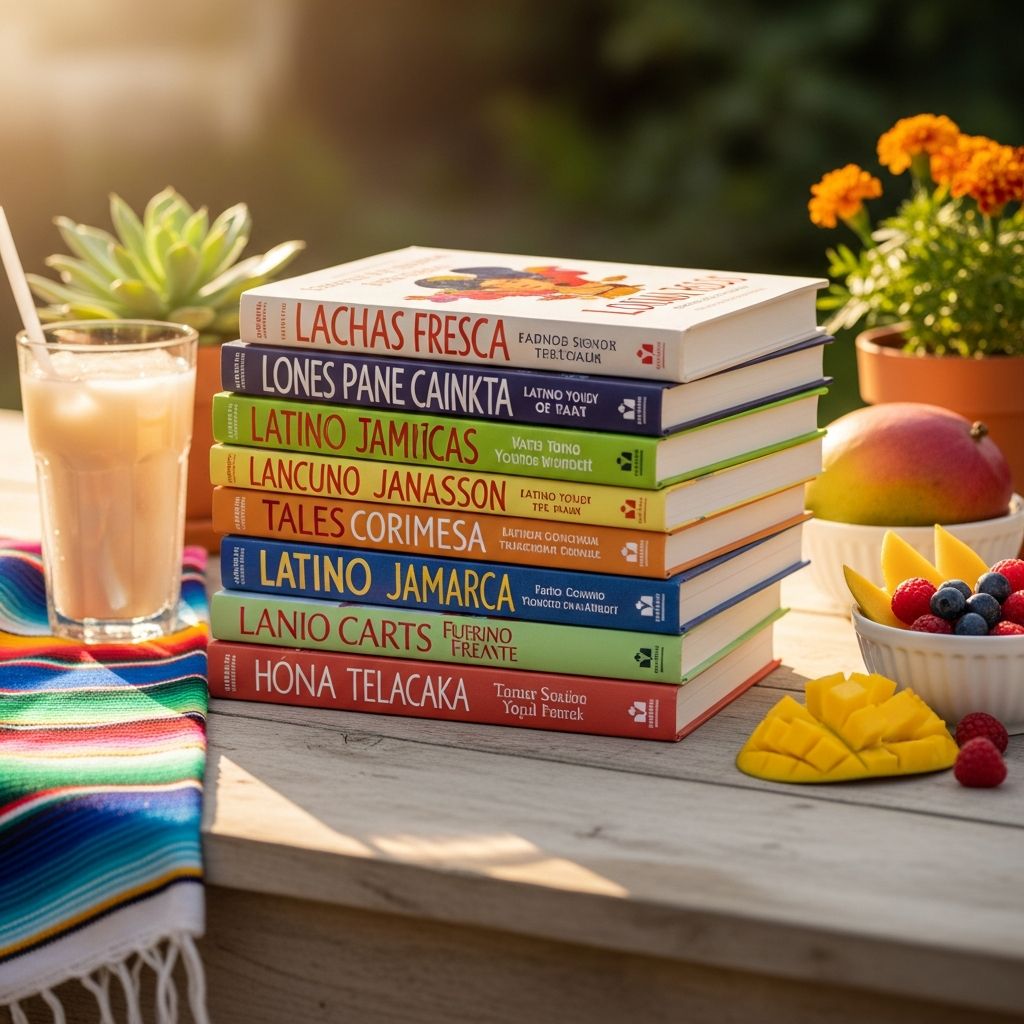
Summer offers the perfect opportunity for children to dive into stories that reflect their heritage, spark curiosity, and build lasting connections to their roots. For Latino families, selecting books authored by or centered on Latinx experiences can nurture identity, language skills, and a love for reading. This guide presents a fresh assortment of titles spanning picture books to chapter books, drawing from celebrated works that highlight resilience, family bonds, and magical realism. These selections encourage young readers to explore Latino cultures from Mexico to the Andes, promoting empathy and joy during vacation months.
Why Latino Literature Enriches Summer Learning
Exposure to diverse narratives during summer prevents learning loss while reinforcing cultural pride. Books like these introduce bilingual elements, historical contexts, and folklore, helping kids aged 3-12 develop vocabulary and emotional intelligence. Research from educational libraries underscores how such reading boosts comprehension and self-esteem in Latinx youth. Parents can integrate these into family routines, like beach reads or bedtime stories, creating memorable traditions.
Picture Books That Capture Family and Nature
Picture books serve as gateways for younger children, blending vivid illustrations with simple yet profound tales. They often weave in elements of Latino daily life, from bustling markets to serene landscapes.
- Where Wonder Grows by Xelena González: Grandmothers share ancestral wisdom through rocks and shells, teaching two sisters about the earth’s ancient stories. This title celebrates Indigenous knowledge with backmatter on cultural ceremonies, ideal for ages 3+.
- Benita and the Night Creatures by Mariana Llanos: A girl engrossed in reading ignores mythical beings until she shares her book’s magic. Featuring South American folklore, it includes creature facts, perfect for bedtime, ages 4+.
- Papá’s Magical Water-Jug Clock by Jesús Trejo: A boy aids his father’s gardening with a whimsical jug that marks time through water. Humorous and heartfelt, it portrays Latino work ethic playfully, ages 4+.
- The Mango Tree: La Mata De Mango by Edel Rodriguez: A wordless tale of Cuban childhood memories amid immigration, using a mango tree as a symbol of enduring friendship. Stunning visuals suit all ages.
These stories emphasize intergenerational ties and environmental awareness, encouraging discussions on nature’s role in Latino traditions.
Adventurous Chapter Books for Emerging Readers
For kids transitioning to longer narratives (ages 8-12), chapter books offer suspense, mythology, and personal growth. Many draw from Mayan lore or migration journeys, Lexile levels around 600-850 make them accessible.
| Title | Author | Ages/Lexile | Key Themes |
|---|---|---|---|
| Land of the Cranes | Aida Salazar | 8-12 / N/A | Hope in detention centers, verse format |
| Mañanaland | Pam Muñoz Ryan | 8-12 / 650 | Family legends, fútbol dreams |
| The Total Eclipse of Nestor Lopez | Adrianna Cuevas | 8-12 / 740 | Mystery, animal communication |
| The Storm Runner | J.C. Cervantes | 8-12 / 600 | Mayan mythology, volcano quests |
These Pura Belpré honorees immerse readers in Latinx worlds, from New Mexico volcanoes to mythical gatekeepers, fostering resilience themes.
Bilingual Gems and Poetry Collections
Bilingual books bridge languages, aiding Spanish-English learners. Poetry adds rhythm and cultural depth.
- Yum! MmMm! ¡Qué Rico! by Pat Mora: Poems celebrate Latino foods like plantains and empanadas, with vibrant art. Ages 4-9, Lexile 970.
- HaiCuba/HaiKuba by Maritere Rodríguez Bellas: Haiku verses depict Cuba’s landscapes bilingually. Ages 4+.
- Letters in Charcoal by an unnamed author: A Colombian girl learns to read letters via charcoal sketches. Ages 5+.
Such titles enhance phonetic skills and introduce regional dialects, vital for heritage preservation.
Books Spotlighting Folklore and Fantasy
Latino folklore infuses magic into everyday life, captivating imaginations.
- Strange Birds by Celia C. Pérez: Girls form a secret troop in a mansion adventure. Ages 8-10.
- How Tía Lola Saved the Summer by Julia Alvarez: A lively aunt turns a boyhood summer around. Ages 8-12, Lexile 850.
- Battle of the Bad-Breath Bats by David Bowles: Cousins battle beasts in a hidden world. Ages 8+.
These blend humor, sisterhood, and supernatural elements, echoing tales like La Cucaracha Martina.
Real-Life Inspirations and Histories
Stories grounded in reality highlight activism and migration.
- Along the Tapajós by Fernando Vilela: Siblings rescue a tortoise amid Amazon floods.
- Mango, Abuela, and Me by Meg Medina: A girl teaches her abuela English via a parrot.
- Kusikiy, A Child from Taquile, Peru: A boy revives rain in lyrical prose.
They prompt talks on environmental justice and family adaptation.
Creating a Summer Reading Routine
To maximize engagement, set goals like one picture book weekly or a chapter book monthly. Use library guides for availability. Incorporate activities: draw folklore creatures or cook from food poems. Track progress in a journal with cultural reflections. For classrooms or groups, theme weeks around regions like the Andes or Caribbean.
Frequently Asked Questions
What ages are these books best for?
Selections range from 3+ for picture books to 12 for chapter books, with Lexile measures guiding skill levels.
Where can I find these titles?
Check school libraries like Stanford’s Cubberley, NYPL, or Scholastic lists for digital/print copies.
Are there award-winning picks?
Yes, many are Pura Belpré winners/honors, like Land of the Cranes and The Storm Runner.
How do these support bilingualism?
Bilingual texts and glossaries aid language retention, crucial for heritage speakers.
Can they fit into homeschooling?
Absolutely, pairing with history or science units on Latino contributions.
Extending the Joy Beyond Summer
These reads build lifelong literacy habits. During Hispanic Heritage Month, revisit favorites or explore series. Encourage kids to author their stories, perpetuating oral traditions. By choosing authentic voices, parents empower the next generation with pride and perspective.
References
- Elementary–3rd to 5th – Children’s books by or about Latinx — Stanford University Libraries. 2024. https://guides.library.stanford.edu/childrenslatinx/elementary_3rdto5
- 86 #OwnVoices Children’s Books for Latinx Heritage Month — Pragmatic Mom. 2024-04. https://www.pragmaticmom.com/2024/04/ownvoices-latinx-heritage-month/
- Picture Books by Latinx Authors and Illustrators — Wild Rumpus Books. N/A. https://wildrumpusbooks.com/latinxpicture
- Celebrating Latinx Authors: Kids Titles in English — New York Public Library. N/A. https://www.nypl.org/spotlight/national-hispanic-heritage-month/book-list/en