Understanding Your Child’s Developing Eyes
Children’s eyes are continuously developing and changing, particularly during the early years of life. Unlike adult eyes that have reached their full development, a child’s visual system undergoes significant transformations from infancy through adolescence. This dynamic growth phase means that the decisions you make today regarding your child’s eye care can have lasting impacts on their vision quality throughout life.
The delicate structures of a child’s eyes require special attention and protection. Children’s pupils are naturally larger than those of adults, and their eye lenses are clearer, which means more ultraviolet light reaches the sensitive retina at the back of the eye. Additionally, the protective tissues surrounding the eyes are thinner and more vulnerable to damage. Understanding these developmental differences helps parents make informed choices about protecting their children’s visual health.
The Foundation: Regular Professional Eye Examinations
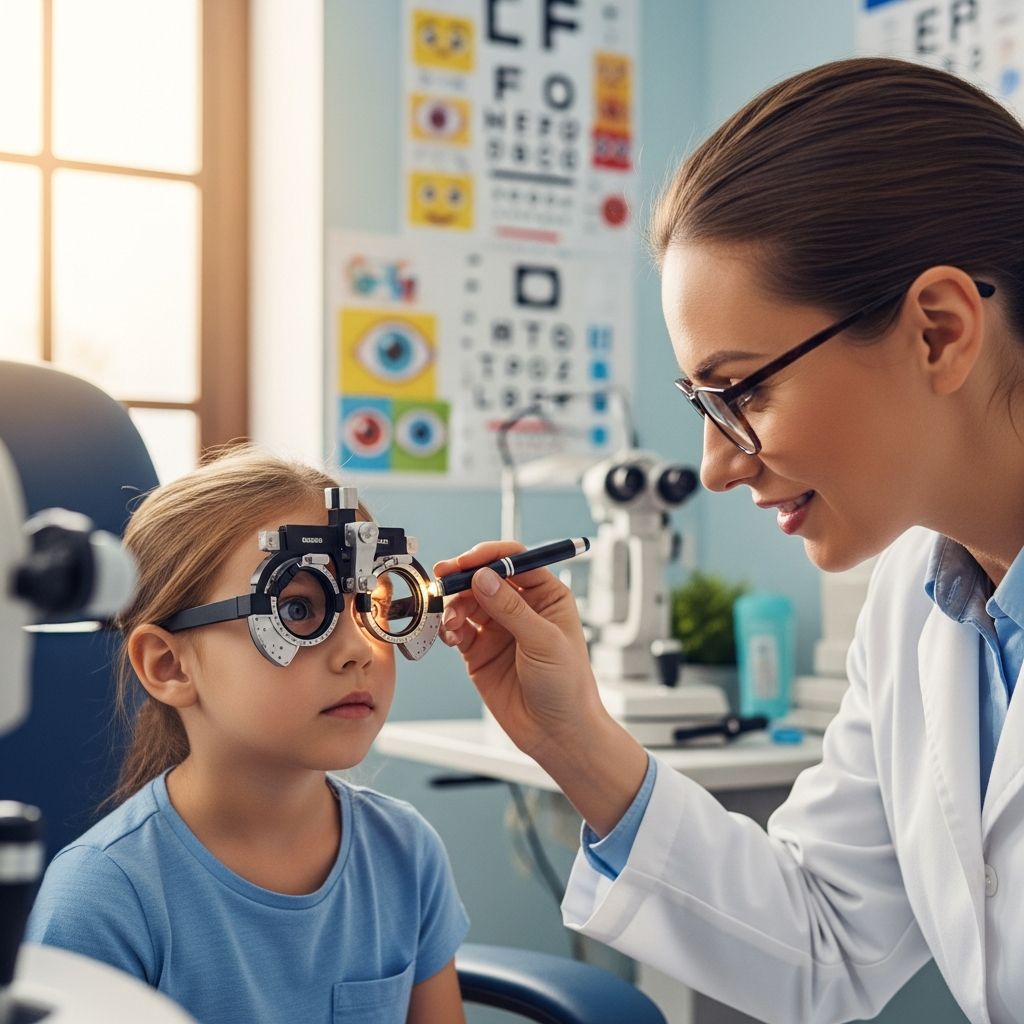
Professional eye care forms the cornerstone of maintaining healthy vision in children. The American Optometric Association recommends a structured schedule of eye examinations beginning in infancy. A child’s first comprehensive eye exam should occur at around 6 months of age, with follow-up examinations at age 3 and before starting school. Once children enter school, they should receive eye exams every two years if no vision correction is needed, or annually if they require glasses or contact lenses.
During a comprehensive eye examination, an eye care professional evaluates multiple aspects of visual function. These assessments include measuring the child’s ability to focus at various distances, examining eye alignment and coordination, testing color vision perception, and performing a detailed examination of the internal and external eye structures. The entire process typically takes one to two hours depending on the specific tests required. When scheduling these appointments, parents should choose times that avoid conflicts with meal times or naps to ensure children remain comfortable and cooperative throughout the examination.
Early detection through routine examinations allows professionals to identify potential problems before they impact a child’s learning and development. Vision problems that go undetected can contribute to difficulties in school, affecting reading ability, classroom participation, and academic performance. Regular check-ups provide peace of mind and ensure that any emerging issues receive prompt attention.
Protecting Eyes from Environmental Hazards
Sun Exposure and Ultraviolet Protection
One of the most frequently overlooked aspects of children’s eye care involves protection from the sun’s harmful rays. Cumulative exposure to ultraviolet radiation throughout childhood increases the risk of developing serious eye conditions later in life, including cataracts and age-related macular degeneration. The stakes are particularly high during childhood because the damage accumulates over time, and children typically spend more hours outdoors than adults.
To provide adequate sun protection, parents should ensure their children wear sunglasses that block 100% of both UVA and UVB rays during outdoor activities. A wide-brimmed hat offers additional protection by shading the eyes and surrounding facial areas. Seeking shade during peak sun hours, typically between 10 a.m. and 4 p.m., provides another layer of defense against harmful radiation.
Sports-Related Eye Injuries
Participation in sports and recreational activities enriches children’s lives but also introduces risks of eye injury. More than 30,000 sports-related eye injuries receive treatment in the United States annually, many of which could be prevented through appropriate protective equipment. Contact sports like basketball and baseball, as well as racquet sports such as tennis and squash, pose particular risks to unprotected eyes.
Safety-rated protective eyewear specifically designed for sports provides essential defense against impact injuries. These specialized glasses and goggles are constructed from impact-resistant materials and feature designs that prevent objects from reaching the eye during play. Parents should ensure that their child’s protective eyewear meets appropriate safety standards and fits properly to maintain effectiveness during active play.
Managing Digital Eye Strain in the Modern World
Contemporary children spend unprecedented amounts of time looking at digital screens through smartphones, tablets, computers, and televisions. This increased screen exposure contributes to digital eye strain, a condition characterized by discomfort, blurred vision, and tired eyes after prolonged close-up viewing. Beyond immediate discomfort, excessive screen time also interferes with healthy sleep cycles through exposure to blue light emitted by these devices.
The 20-20-20 rule provides a simple yet effective strategy for reducing digital eye strain. According to this principle, every 20 minutes of screen viewing, children should look away and focus on an object at least 20 feet away for a minimum of 20 seconds. This practice allows the eye’s focusing muscles to relax and reduces the strain associated with sustained near vision activities.
Beyond the 20-20-20 rule, parents can implement several additional strategies. Limiting overall screen time helps reduce cumulative strain on developing eyes. Blue light filtering software and glasses designed to block blue light may help minimize sleep disruption. Ensuring that screens are positioned at an appropriate distance and height, with adequate ambient lighting, also reduces eye strain during device use.
Nutrition’s Critical Role in Eye Development
The foods children consume directly influence the health and function of their eyes. Specific nutrients support visual development, protect against oxidative damage, and maintain the structures necessary for clear vision. Parents who prioritize nutritious eye-healthy foods provide their children with biological building blocks for optimal visual function.
Leafy green vegetables including spinach and kale contain high concentrations of lutein and zeaxanthin, powerful antioxidants that shield the eyes against harmful light exposure and age-related degeneration. Orange-colored vegetables such as carrots and sweet potatoes supply beta-carotene, which the body converts to vitamin A, an essential nutrient for maintaining night vision and overall eye health. Fatty fish including salmon and tuna provide omega-3 fatty acids that support retinal health and may reduce the risk of dry eye syndrome.
Citrus fruits and berries contribute vitamin C, which protects eye tissues from damage caused by free radicals. Nuts and seeds deliver vitamin E and other protective compounds. Incorporating a diverse array of these nutrient-rich foods into your child’s diet creates a nutritional foundation for lifelong eye health.
The Outdoor Activity Solution for Vision Health
Natural outdoor time offers remarkable benefits for children’s visual development and long-term eye health. Research consistently demonstrates that children who spend more time outdoors demonstrate lower rates of myopia, or nearsightedness, compared to their indoor-focused peers. The protective effect appears strongest when children engage in outdoor activities for at least one to two hours daily.
Outdoor exposure benefits vision through multiple mechanisms. Natural light stimulates the production of dopamine in the retina, a neurotransmitter that may inhibit the eye elongation associated with myopia development. The constant need to focus on objects at varying distances during outdoor play exercises the eye’s focusing system and reduces the strain associated with sustained close-up activities like reading or screen viewing.
Encouraging outdoor play need not mean structured activities. Simply exploring nature, playing sports, riding bicycles, or engaging in unstructured play provides sufficient eye benefit. The key is ensuring children spend substantial time outdoors regularly, allowing their visual systems to function in the way they evolved to operate.
Recognizing Signs of Vision Problems
Parents play a crucial role in identifying potential vision issues before they significantly impact their child’s functioning. Certain behavioral and physical signs may indicate that a child is struggling to see clearly and requires professional evaluation.
Common indicators include frequent squinting, which suggests the child is trying to sharpen focus on distant objects. Excessive eye rubbing may indicate discomfort, fatigue, or difficulty focusing. Frequent headaches, particularly those occurring during or after school or reading activities, often relate to undetected vision problems. Behavioral signs include sitting unusually close to the television, holding books very near to the face, or tilting the head to one side to see better. Some children may cover one eye or position their head to rely primarily on one eye, suggesting possible vision imbalance.
In school settings, teachers may notice signs including difficulty reading from the board, short attention spans during visually-focused tasks, or struggles with reading and writing that seem inconsistent with the child’s other academic abilities. Any combination of these signs warrants a comprehensive eye examination by a qualified eye care professional.
Common Childhood Eye Conditions
Several vision conditions frequently develop during childhood. Understanding these conditions helps parents recognize when professional evaluation is necessary.
Myopia (nearsightedness) affects the child’s ability to see distant objects clearly while maintaining adequate near vision. Myopia is becoming increasingly common in children worldwide, with concerning rates of progression at younger ages. Higher levels of myopia in childhood correlate with increased risk of serious eye diseases in adulthood, making early detection and management critical.
Hyperopia (farsightedness) represents the opposite condition, where distant vision is relatively clear but close-up vision appears blurry. This condition often corrects naturally as the eye grows, but sometimes requires intervention.
Astigmatism occurs when the cornea or lens has an irregular shape, causing blurred vision at all distances. This condition frequently coexists with myopia or hyperopia.
Amblyopia (lazy eye) develops when one eye has reduced vision due to abnormal visual development, often occurring alongside misalignment or significant refractive differences between eyes. Early detection and treatment are essential for preventing permanent vision loss in the affected eye.
Strabismus involves misalignment of the eyes, where they point in different directions rather than working together as a coordinated pair. This condition affects depth perception and may lead to amblyopia if untreated.
Establishing Healthy Eye Hygiene Practices
School environments expose children to numerous germs and potential sources of eye infection. Teaching children proper eye hygiene habits protects their vision and prevents the spread of common infections like conjunctivitis, commonly known as pink eye.
Children should learn to wash their hands thoroughly and frequently, particularly before touching their eyes. The habit of avoiding eye rubbing deserves special emphasis, as this behavior easily transfers bacteria and irritants directly to the eye. Ensuring children use clean towels and washcloths at home and at school prevents cross-contamination. Children who wear glasses require instruction in proper lens cleaning and care to maintain clear vision and prevent bacterial growth on the lenses.
Myopia Management in Modern Childhood
The rising prevalence of myopia in children represents a significant global health concern, with current trends suggesting that more than half the world’s population will experience myopia by 2050. The condition typically progresses during childhood and adolescence, with the rate of progression varying among individuals. Children with family histories of myopia face elevated risk, as do those spending extensive time on near-vision activities.
Modern myopia management combines corrective interventions with lifestyle modifications. Special corrective glasses and contact lenses designed specifically for myopia management can slow progression rates. Simultaneously, implementing behavioral changes such as increased outdoor time and reduced screen hours addresses underlying factors contributing to myopia development. This comprehensive approach offers the best opportunity for minimizing progression and reducing the associated increased risks of serious eye diseases in adulthood.
Creating an Eye-Healthy Environment at Home and School
The physical environments where children spend their time significantly influence eye health and comfort. Proper lighting during reading and other close-up activities reduces eye strain and supports healthy visual development. Work surfaces should be positioned at appropriate heights and distances to promote good posture and reduce neck and eye strain.
At school, children benefit from classroom environments with adequate natural light, appropriate screen positioning, and regular movement breaks. Communication between parents and teachers about any observed vision concerns ensures that children receive consistent support across different settings.
Frequently Asked Questions About Children’s Eye Health
Q: At what age should my child have their first eye examination?
A: The American Optometric Association recommends a child’s first comprehensive eye examination at approximately 6 months of age, with follow-up exams at age 3 and before starting school. After school entry, children should receive exams every two years if no correction is needed, or annually if wearing corrective lenses.
Q: How can I tell if my child might have a vision problem?
A: Watch for signs including frequent squinting, excessive eye rubbing, complaints of headaches, sitting too close to screens, holding books very close to the face, or tilting the head to see. Academic difficulties despite adequate intelligence may also suggest vision problems.
Q: How much outdoor time does my child need for eye health?
A: Research suggests that one to two hours of outdoor time daily helps prevent or slow myopia development. This can include any outdoor activities such as playing sports, riding bikes, or simply exploring outdoors.
Q: What protective eyewear should my child wear during sports?
A: Children participating in sports should wear safety-rated protective eyewear specifically designed for their sport. These glasses or goggles must be constructed from impact-resistant materials and meet appropriate safety standards.
Q: Is blue light from screens harmful to children’s eyes?
A: While research on direct structural damage from blue light remains inconclusive, blue light definitely impairs healthy sleep cycles and contributes to digital eye strain. Implementing the 20-20-20 rule and using blue light filtering options can help mitigate these effects.
References
- Guidelines for Children’s Vision Health — Prevent Blindness. 2024. https://www.preventblindness.org/guidelines-for-childrens-vision-health/
- Guide to Holistic Eye Care for Children — American Optometric Association. 2024. https://www.optometrists.org/childrens-vision/healthy-eyes-for-life-8-ideas-to-teach-children/guide-to-holistic-eye-care-for-children/
- Keep an Eye on Your Child’s Vision — Centers for Disease Control and Prevention. 2024. https://www.cdc.gov/vision-health/prevention/youth-vision-problems.html
- Nurturing Your Child’s Vision: A Guide to Eye Health — New England College of Optometry. 2024. https://www.neco.edu/news/nurturing-your-childs-vision-a-guide-to-eye-health/
- My Kids Vision: Myopia Management Guide — My Kids Vision. 2024. https://www.mykidsvision.org