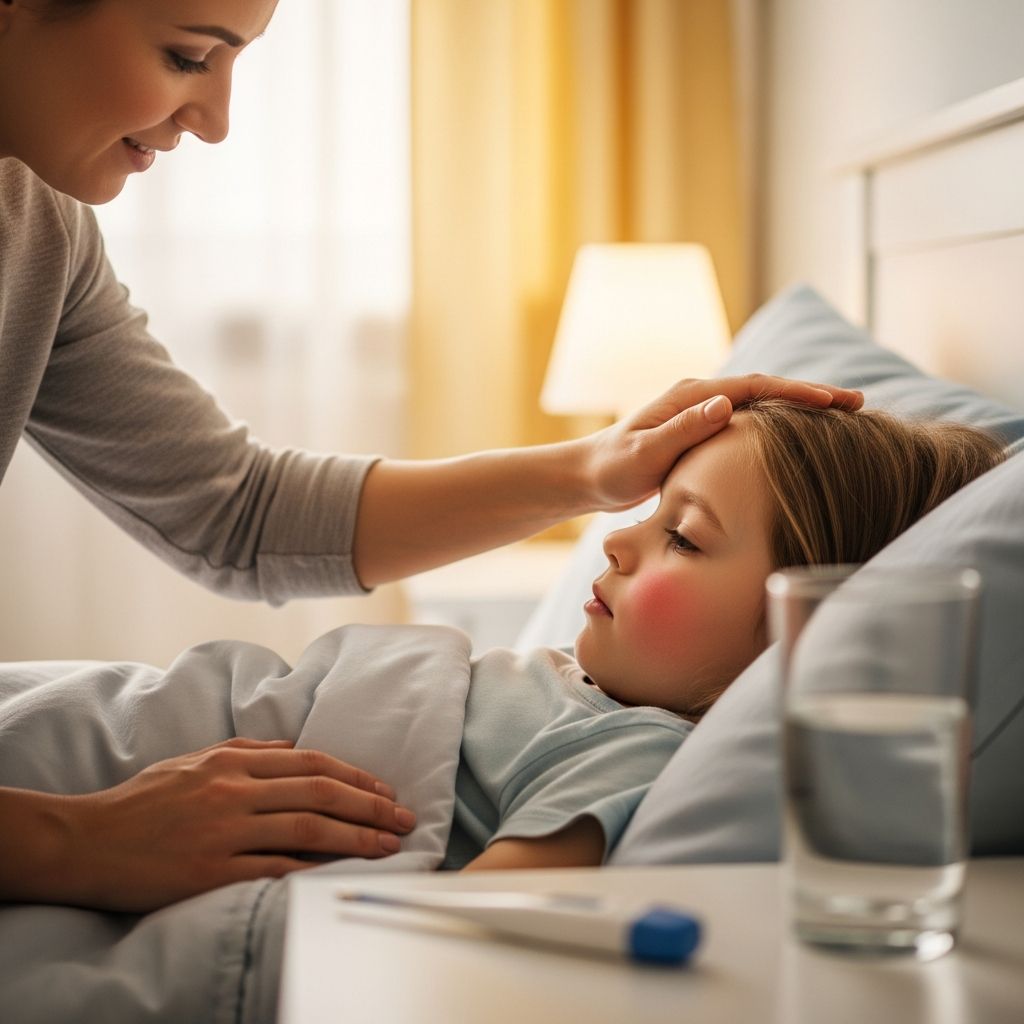
Fevers are one of the most frequent reasons parents seek medical advice for their children. While alarming, a fever is typically the body’s natural defense mechanism against infections, helping to combat viruses and bacteria by raising internal temperature. This guide equips parents with knowledge on what constitutes a fever, common triggers, effective home management strategies, appropriate medication use, and critical warning signs that demand professional evaluation. By understanding these elements, caregivers can respond confidently, ensuring their child’s comfort and timely recovery.
Understanding What a Fever Represents
A fever occurs when a child’s body temperature exceeds the normal range, generally considered above 100.4°F (38°C) when measured rectally in infants. It signals the immune system’s activation, often turning up the body’s internal thermostat to create an environment less hospitable for pathogens. Children, especially younger ones, experience fevers more often due to frequent exposure to germs through play, daycare, or mouthing objects, which strengthens their developing immunity over time.
Common physical signs include flushed skin, sweating, chills, increased heart and breathing rates, muscle aches, headaches, and reduced appetite. These symptoms arise because the elevated temperature accelerates metabolic processes, prompting the body to work harder. Importantly, the height of the fever does not always correlate with illness severity; a child with a mild infection might have a high fever, while a serious one could present with a lower temperature.
Primary Causes Behind Childhood Fevers
Most fevers stem from infections, with viruses responsible for the vast majority—about ten times more common than bacterial ones. Everyday viral culprits include colds, influenza, and respiratory illnesses that spread easily in group settings. Bacterial infections, though less frequent, can involve the ears, throat (like strep), sinuses, bladder (especially in girls), or lungs (pneumonia). Sinus issues often reemerge as fever after an initial resolution, accompanied by facial pain.
- Viral origins: Colds, flu, gastroenteritis—self-limiting and resolve without antibiotics.
- Bacterial triggers: Strep throat, urinary tract infections, pneumonia—may require antibiotics if confirmed.
- Non-infectious factors: Overheating from excessive clothing or hot environments, intense exercise, or recent vaccinations like DTaP or pneumococcal shots.
Rarely, prolonged or recurrent fevers might indicate underlying conditions such as autoimmune disorders or malignancies, warranting thorough investigation if persisting beyond a week. Teething does not cause true fevers, debunking a persistent myth.
Accurate Temperature Measurement Techniques
Reliable fever assessment starts with proper thermometer use. Rectal readings remain the gold standard for infants under 3 months, providing the most precise core temperature. For older children, axillary (underarm), oral, tympanic (ear), or temporal artery (forehead) methods suffice, though they may vary slightly in accuracy.
| Method | Age Suitability | Fever Threshold | Pros | Cons |
|---|---|---|---|---|
| Rectal | 0-3 months (all ages possible) | 100.4°F (38°C) | Most accurate | Invasive for older kids |
| Oral | 4+ years | 100°F (37.8°C) | Easy for cooperators | Affected by eating/drinking |
| Axillary | All ages | 99°F (37.2°C) | Non-invasive | Least accurate |
| Tympanic | 6 months+ | 100.4°F (38°C) | Quick | Earwax interference |
| Temporal | All ages | 100.4°F (38°C) | Fast, gentle | Costly device |
Always clean thermometers thoroughly and follow device instructions. Avoid glass mercury models due to breakage risks.
Safe and Effective Home Care Strategies
The primary goals of fever management are comfort, hydration, and monitoring—not necessarily normalizing temperature. Fevers below 102°F (38.9°C) in comfortable children often need no intervention, as they aid immune function.
Hydration: The Cornerstone of Recovery
Fevers increase fluid loss through sweating and faster breathing, heightening dehydration risk. Encourage frequent sips of water, electrolyte solutions, or cold fluids. Breastmilk or formula for infants under 6 months. Aim for wet diapers or urination every 6-8 hours; reduced output signals a need for medical review.
Comfort Measures Without Medication
- Dress in lightweight, single-layer clothing to facilitate heat dissipation; add a blanket only if shivering.
- Maintain room temperature at 68-72°F (20-22°C); avoid bundling.
- Promote rest in a calm environment.
- Use lukewarm sponge baths if tolerated, but skip alcohol rubs or ice packs.
Medication Options: When and How to Use
For fevers above 102°F (38.9°C) or significant discomfort, antipyretics like acetaminophen (Tylenol) or ibuprofen (Motrin/Advil) are safe from 3-6 months onward, dosed by weight—not age. Acetaminophen every 4-6 hours, ibuprofen every 6-8 hours; alternating is common but consult a doctor first. These lower temperature by 2-3°F (1-1.5°C), taking 1-2 hours to work.
Medications ease symptoms like aches and improve sleep/fluid intake but do not shorten infection duration or prevent complications like febrile seizures.
Recognizing When to Contact a Healthcare Provider
Focus on behavior over numbers. Seek immediate care for:
- Infants under 3 months with any fever ≥100.4°F (38°C).
- 3-6 months with fever ≥102°F (38.9°C) or distress.
- Any age with fever ≥104°F (40°C), lasting >3 days, or recurring after absence.
- Signs of dehydration: dry mouth, no tears, sunken eyes/fontanelle, scant urine.
- Severe symptoms: lethargy, inconsolable crying, breathing difficulty, rash, stiff neck, focal pain/swelling, seizures.
Children with chronic conditions, immunosuppression, or recent hot exposure (e.g., car) need prompt evaluation. Trust parental instincts—if something feels off, call your provider.
Debunking Common Fever Myths
Myth 1: High fevers cause brain damage. Reality: Fevers rarely exceed 108°F (42°C) naturally and do not harm healthy brains.
Myth 2: Untreated fevers rise indefinitely. False: The body self-regulates.
Myth 3: Dressing warmly fights fever. Incorrect: Light clothing aids cooling.
Myth 4: Antibiotics cure all fevers. No: Ineffective against viruses.
Preventing Fevers and Promoting Resilience
Boost immunity via vaccinations, handwashing, balanced nutrition, sleep, and limiting germ exposure without over-isolating. Probiotics and vitamin D may support, but evidence varies. Teach older kids hygiene to curb spread.
Frequently Asked Questions (FAQs)
Q: Can I bathe my child during a fever?
A: Lukewarm baths are fine if comforting; avoid cold water which may trigger shivering and raise temperature.
Q: Is alternating Tylenol and Motrin safe?
A: Often used for persistent fevers but confirm with your pediatrician to prevent dosing errors.
Q: What if my child has a febrile seizure?
A: Common in 2-5% of kids aged 6 months-5 years; place on side, time it (usually <5 min), seek ER if prolonged or recurrent.
Q: Does fever mean a serious illness?
A: Rarely; most are benign viral processes resolving in days.
Q: How long should I monitor a fever at home?
A: Up to 3 days for healthy kids if improving; sooner if concerning symptoms arise.
This comprehensive approach empowers parents to handle fevers adeptly, prioritizing child well-being with evidence-based practices.
References
- Fever (1 and Older) – Children’s Hospital Colorado — Children’s Hospital Colorado. 2023. https://www.childrenscolorado.org/conditions-and-advice/conditions-and-symptoms/symptoms/fever/
- Pediatrician tips on fevers in children – UC Davis Health — UC Davis Health. 2023. https://health.ucdavis.edu/children/patient-education/fevers-in-children
- Fever in Healthy Children | Children’s Hospital of Philadelphia — Children’s Hospital of Philadelphia. 2024-01-10. https://www.chop.edu/conditions-diseases/fever-children
- Fever – Safety and Wellness – Seattle Children’s Hospital — Seattle Children’s Hospital. 2023. https://www.seattlechildrens.org/health-safety/illness/fever/
- Fever – Symptoms & causes – Mayo Clinic — Mayo Clinic. 2023-11-25. https://www.mayoclinic.org/diseases-conditions/fever/symptoms-causes/syc-20352759
- Fever in Children – Stanford Medicine Children’s Health — Stanford Medicine Children’s Health. 2023. https://www.stanfordchildrens.org/en/topic/default?id=fever-in-children-90-P02512