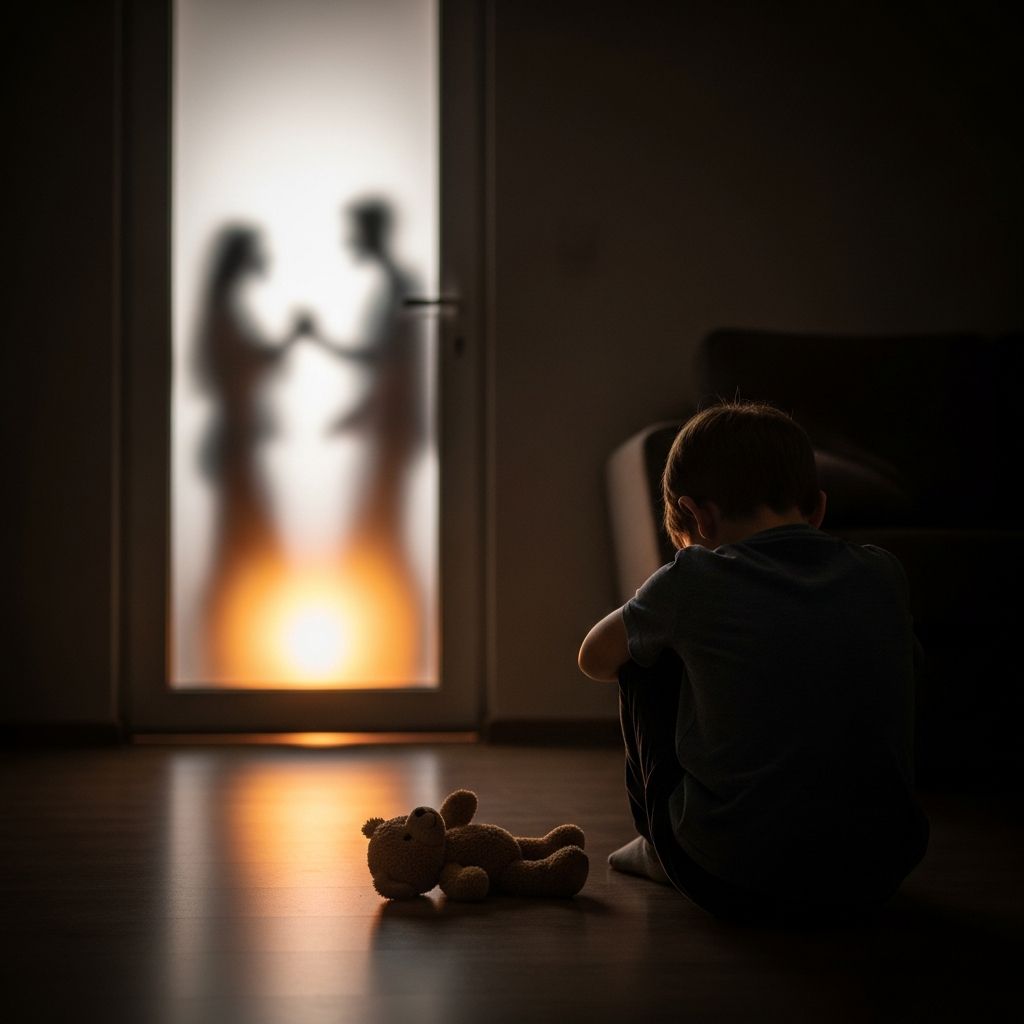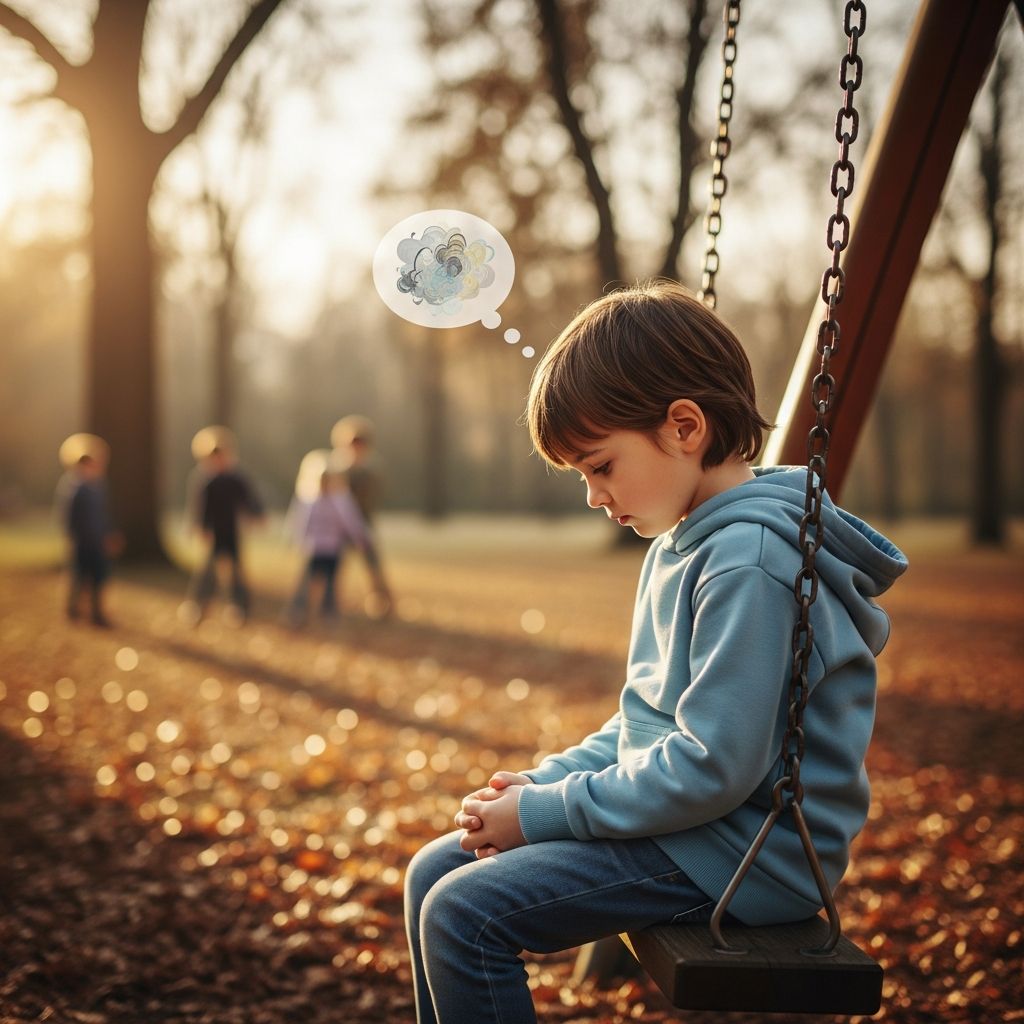
Feeling worried or afraid is part of growing up, but for some children anxiety becomes so strong that it interferes with sleep, school, friendships, and everyday life. Understanding what anxiety looks like in kids, and how to respond, helps parents protect their child’s well-being and build resilience over time.
Everyday Worries vs. Problem Anxiety
All children feel nervous sometimes: the first day of school, a big test, or sleeping at a friend’s house can trigger butterflies in the stomach. These feelings usually pass once the situation is over or the child adjusts.
Anxiety becomes a concern when fears are:
- Very intense compared with what is happening
- Hard to calm, even with comfort and reassurance
- Long-lasting, often present for many weeks or months
- Interfering with life at home, school, or with friends
Health organizations describe an anxiety disorder as ongoing worry or fear that significantly affects a child’s ability to function, typically lasting for months if untreated.
Why Children Feel Anxious
Anxiety is the body’s built-in alarm system. When the brain thinks there might be danger, it prepares the body to protect itself. This is helpful when a child truly faces a threat, but not when that alarm goes off too often or too strongly.
Common Triggers for Anxiety in Kids
- Developmental changes such as starting school or puberty
- Major life events like moving, divorce, or a new sibling
- Health concerns in the child or a family member
- School difficulties (learning struggles, bullying, social issues)
- Trauma or frightening experiences, such as accidents, violence, or disasters
- Family stress around finances, work, or conflict at home
Biology and Temperament
Research shows that some children are more sensitive to stress because of their biology and temperament. A family history of anxiety or depression, differences in brain chemistry, and a naturally cautious or shy personality can all increase risk.
| Factor | How It May Affect Anxiety |
|---|---|
| Family history of anxiety | May make a child more prone to worry and fear |
| Stressful environment | Ongoing conflict, violence, or instability increases risk |
| Serious illness or trauma | Can lead to strong, lasting fear responses |
| Temperament (shy, cautious) | Child may experience new situations as more threatening |
How Anxiety Shows Up: Signs to Watch For
Children often struggle to say, “I feel anxious.” Instead, anxiety may show up as clinginess, anger, or physical complaints. Parents are usually the first to notice that something seems off.
Emotional and Thought Signs
- Frequent worries about safety, school, or family
- Strong fear of separation from parents or caregivers
- Intense fear of specific situations, such as social events, tests, or sleeping alone
- Need for constant reassurance (“Will you be there?” “Are you sure I’ll be OK?”)
- Difficulty stopping worry, even when nothing bad is happening
Physical Signs
- Stomachaches, headaches, or nausea with no clear medical cause
- Racing heart, sweating, shaking, or feeling dizzy
- Trouble falling or staying asleep
- Muscle tension or restlessness (“can’t sit still” because of unease)
Behavior Changes
- Refusing to go to school or activities they once enjoyed
- Clinging to parents, especially during transitions
- Tantrums or meltdowns when faced with feared situations
- Spending more time alone or avoiding friends
- Perfectionism or extreme distress over small mistakes
Types of Anxiety Common in Childhood
Clinicians group anxiety into different categories to guide treatment. A child may fit more than one type at the same time.
- Separation anxiety: intense fear when away from parents or home
- Generalized anxiety: constant, wide-ranging worry about many things
- Social anxiety: strong fear of being judged, embarrassed, or rejected
- Specific phobias: extreme fear of particular objects or situations (dogs, storms, shots, flying)
- Panic attacks: sudden waves of intense fear with strong physical symptoms
What Parents Can Do in the Moment
When a child is anxious, how adults respond can either calm the nervous system or accidentally keep the anxiety going. The goal is to show warmth and support while also encouraging brave behavior.
Step 1: Stay Calm and Grounded
- Take a slow breath before responding.
- Use a steady, gentle voice.
- Avoid rushing, scolding, or saying “There’s nothing to be afraid of.”
Children often “borrow” their parent’s sense of safety. A calm adult nervous system sends the message, “We can handle this together.”
Step 2: Validate, Then Guide
Validation means acknowledging how your child feels, even if the fear seems unreasonable to you.
Helpful phrases include:
- “I can see this feels really scary for you.”
- “Your body is reacting like there is danger, even though we are safe.”
- “I’m here with you. Let’s get through this together.”
Step 3: Teach Simple Coping Skills
Coping tools help children calm their bodies and minds. Many of these strategies are used in cognitive behavioral therapy (CBT), the most researched treatment for childhood anxiety.
- Slow breathing: Inhale through the nose for a count of 4, exhale through the mouth for 6–8 counts.
- Grounding with the senses: Notice 5 things you can see, 4 you can touch, 3 you can hear, 2 you can smell, 1 you can taste.
- Helpful thoughts: Replace “Something bad will happen” with “I’ve done hard things before and got through them.”
- Small brave steps: Break scary tasks into tiny, manageable actions.
Building an Anxiety-Smart Home Environment
Daily routines and habits can either increase or reduce anxiety. A predictable, supportive environment gives anxious kids a stronger sense of control.
Use Routines and Predictability
- Keep regular times for waking up, meals, homework, and bedtime.
- Prepare your child for changes in advance (visitors, appointments, trips).
- Use simple visual schedules for younger children.
Balance Support and Independence
It is natural to want to protect an anxious child, but doing too much for them can unintentionally keep anxiety going.
- Offer comfort, but avoid long-term avoidance of feared situations.
- Practice “coaching from the side” rather than stepping in to fix everything.
- Praise brave behavior and small efforts, not just outcomes.
Model Healthy Coping
- Talk about your own worries in age-appropriate ways, and show how you calm yourself.
- Use coping tools together—breathing exercises, walks, or stretching.
- Limit exposure to intense news or frightening media.
When to Seek Professional Help
Parents do not have to handle anxiety alone. Professional guidance can deeply improve a child’s quality of life, especially when anxiety is strong or long-lasting.
Signs Your Child May Need an Evaluation
- Refusing school or activities for days or weeks because of fear
- Regular panic-like episodes with chest tightness, shaking, or trouble breathing
- Very disturbed sleep or frequent nightmares that do not improve
- Development of rituals or repetitive behaviors linked to anxiety
- Anxiety lasting for several months and not improving with home strategies
Pediatricians, child psychologists, child psychiatrists, and licensed therapists can assess anxiety, rule out medical issues, and recommend treatment.
Evidence-Based Treatments
Research highlights several effective options for children with anxiety:
- Cognitive behavioral therapy (CBT): helps children change unhelpful thoughts and gradually face fears in a safe, structured way.
- Behavioral and family-based therapies: include parents in sessions to practice skills at home and adjust family responses to anxiety.
- Medication: for moderate to severe cases, doctors may prescribe medications such as selective serotonin reuptake inhibitors (SSRIs), often together with CBT.
Guidelines from pediatric and psychiatric organizations recommend starting with CBT for many children and considering medication when symptoms are more severe or when therapy alone is not enough.
Working with Your Child’s School
Because children spend much of their day at school, partnering with teachers and school counselors can make a big difference.
- Let the school know about your child’s anxiety and what triggers it.
- Share strategies that help calm your child.
- Ask about available supports, such as counseling, quiet spaces, or gradual return plans.
- Keep regular communication with teachers to track progress and challenges.
Practical Coping Tools for Kids
Many parents find it useful to create a simple “toolkit” of skills children can use when they start to feel worried.
Ideas for a Child’s Anxiety Toolkit
- A small card with breathing steps written or drawn
- A list of three calming activities (reading, drawing, music)
- Positive coping statements such as “Feelings come and go” or “I can do hard things”
- A comfort object for younger children (photo, small toy) approved by school if needed
- A plan of tiny brave steps for specific fears (for example, saying hello to one classmate)
Looking After Yourself as a Parent
Caring for an anxious child can be draining. Parents cope better—and support their children more effectively—when they care for their own mental health.
- Talk to trusted friends, family, or a counselor about your own stress.
- Protect time for sleep, exercise, and activities you enjoy.
- Consider parenting groups or classes focused on supporting anxious kids.
Programs that coach parents on how to respond to anxiety, such as parent-focused interventions, have been shown to reduce children’s anxiety symptoms and improve family functioning.
Frequently Asked Questions (FAQs)
Does anxiety mean my child will always struggle with mental health?A: Not necessarily. Anxiety disorders are common in childhood, and many children improve greatly with the right support, coping skills, and professional treatment when needed. Learning to manage anxiety can even strengthen resilience in the long term.
Q: Is my child’s anxiety my fault?
Anxiety usually arises from a mix of biology, environment, and experiences—not from a single person’s actions. What matters most is not blame, but how you respond now: staying connected, seeking help, and practicing skills together.
Will avoiding stressful situations make my child less anxious?
Avoidance may bring short-term relief, but over time it usually makes anxiety stronger because the child never learns that they can handle the situation. Gradual, supported exposure—taking very small brave steps—is a key part of effective treatment.
Can young children benefit from therapy?
Yes. Even preschool and early elementary children can benefit from play-based and family-focused approaches where parents are heavily involved. Therapists adjust techniques to match the child’s age and stage of development.
How long does treatment usually take?
It varies. Many structured CBT programs for childhood anxiety run for about 12–20 weekly sessions, sometimes with follow-up booster visits. Some children improve more quickly, while others need longer-term support, especially if anxiety has been present for many years or is combined with other conditions.
References
- Anxiety in Children — Cleveland Clinic. 2023-03-21. https://my.clevelandclinic.org/health/diseases/anxiety-in-children
- Anxiety and Depression in Children — Centers for Disease Control and Prevention (CDC). 2022-03-22. https://www.cdc.gov/children-mental-health/about/about-anxiety-and-depression-in-children.html
- Anxiety Disorders in Children and Adolescents — American Academy of Family Physicians (AAFP). 2022-12-01. https://www.aafp.org/pubs/afp/issues/2022/1200/anxiety-disorders-children-adolescents.html
- Childhood Stress and Anxiety — Yale Medicine. 2021-08-03. https://www.yalemedicine.org/conditions/childhood-stress-and-anxiety
- Anxiety — Children’s Hospital of Philadelphia. 2023-04-10. https://www.chop.edu/conditions-diseases/anxiety-in-children
- Anxiety Disorders in Children — NHS. 2023-07-18. https://www.nhs.uk/mental-health/children-and-young-adults/advice-for-parents/anxiety-disorders-in-children/
- Anxiety Disorders: Symptoms and Causes — Mayo Clinic. 2023-02-24. https://www.mayoclinic.org/diseases-conditions/anxiety/symptoms-causes/syc-20350961