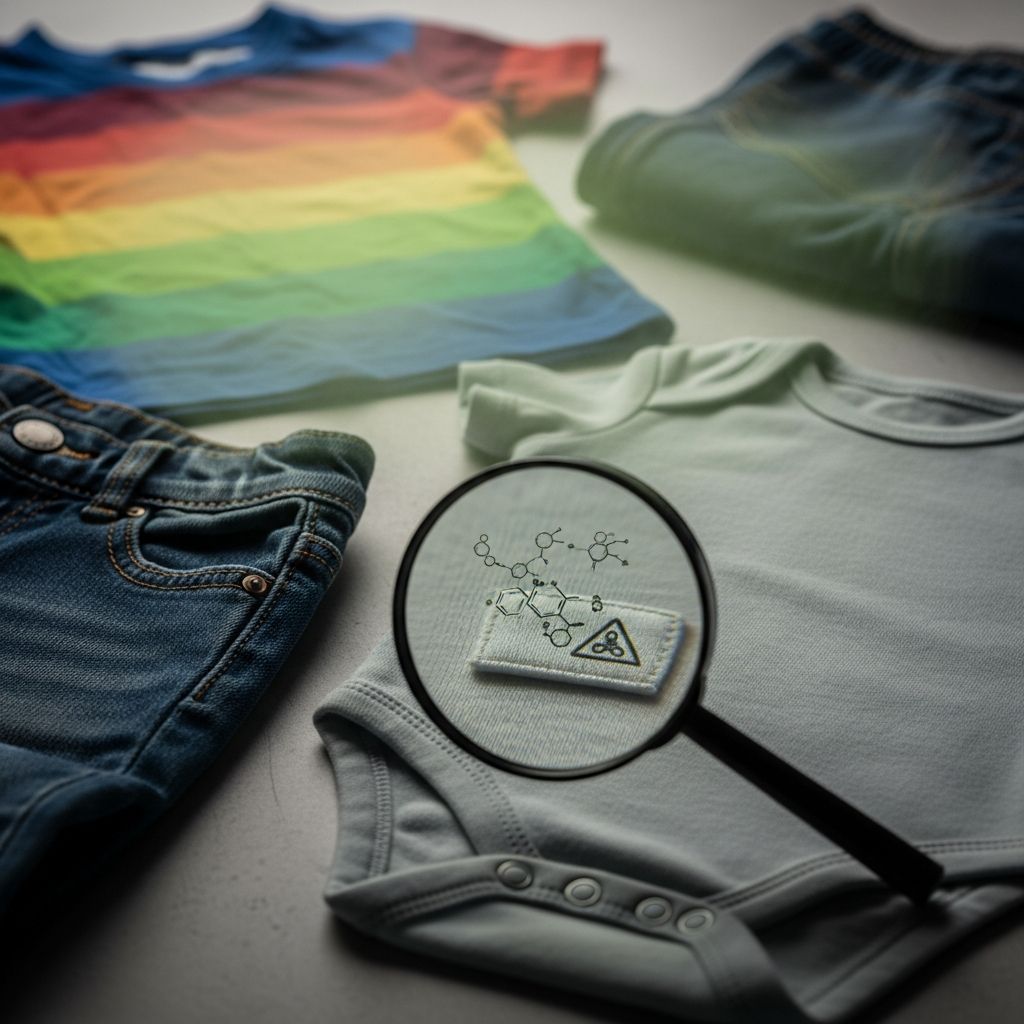
Children’s clothing should provide comfort and protection, yet many garments contain harmful chemicals that pose serious health risks. These substances, used for durability, stain resistance, and appearance, can leach into young skin, especially since kids have thinner skin and often mouth their clothes. Recent studies reveal widespread contamination, urging parents to rethink their purchasing habits.
Common Culprits: Toxic Substances in Everyday Apparel
Modern textiles rely on thousands of chemicals during production, from dyes to finishes. Among the most troubling are per- and polyfluoroalkyl substances (PFAS), known as “forever chemicals” for their persistence in the body and environment. A global investigation tested 72 items of outdoor clothing, swimsuits, and t-shirts, finding PFAS in 64% of samples, including many marketed for children. PFOA, a banned PFAS under the Stockholm Convention, appeared frequently in coats, highlighting enforcement failures.
Phthalates, plasticizers that make fabrics flexible, are another concern. They act as endocrine disruptors, interfering with hormone systems crucial for child development. Research shows children carry higher phthalate levels than adults, partly from clothing absorption, linked to neurodevelopmental issues like autism spectrum disorders. Flame retardants, such as tributyl phosphate (TBP), add fire resistance but irritate skin and lungs upon inhalation.
Heavy metals like lead, chromium, and cobalt in dyes cause allergies, organ damage, and cancer risks. A comprehensive screen of 43 infant garments detected 303 chemicals, including pesticides, biocides, pharmaceuticals, UV stabilizers, and banned carcinogens like Michler’s ketone. Even surprising finds like antidepressants (venlafaxine) and opioids appeared, suggesting contamination from manufacturing or wastewater.
- PFAS: Water/stain repellents; linked to immune disruption, developmental delays.
- Phthalates: Softeners; hormone interference, reproductive harm.
- NPEs: Dye aids; toxic to aquatic life, fetal health risks.
- Heavy Metals: Colorants; skin irritation, cancer.
- Flame Retardants: Fire safety; respiratory issues, bioaccumulation.
Why Children Face Greater Vulnerability
Infants and toddlers absorb more through skin contact due to their higher surface-area-to-body-weight ratio. They spend hours in direct fabric touch, sucking thumbs or clothes, leading to ingestion. Low-level exposures during critical growth windows can trigger long-term effects like infertility, endometriosis, or cancer. Endocrine disruptors in polyester—phthalates, bisphenols, flame retardants—mimic hormones, stunting development.
PFAS in water-resistant jackets exemplify risks: a UK children’s padded jacket contained 765.1 ng/g of 8:2 FTOH, degrading to banned PFOA. Children’s thinner skin barrier amplifies absorption, while behaviors like crawling increase contact. Studies confirm measurable leaching even after washing, emphasizing daily wear as a exposure pathway.
Regulatory Hurdles and Global Disparities
Regulations lag behind chemical innovation. The U.S. Consumer Product Safety Commission (CPSC) focuses on flammability and lead, missing broader toxins. Washington’s Children’s Safe Products Act flags formaldehyde and others in apparel, but enforcement varies. The EU imposes stricter rules, yet a study found banned PFAS in 48% of European outdoor gear.
Global supply chains complicate oversight: fabrics from countries with lax standards enter markets worldwide. Flame-retardant pajamas recently recalled by CPSC violated sleepwear standards, risking burns—not chemical hazards. This patchwork leaves parents navigating uneven protections, with bioaccumulative chemicals like PFAS persisting despite bans.
| Chemical | Common Use | Health Risk | Regulation Status |
|---|---|---|---|
| PFAS (e.g., PFOA) | Water resistance | Immune, developmental harm | Banned in many regions, still detected |
| Phthalates | Flexibility | Endocrine disruption | Limited in toys, not textiles |
| Heavy Metals | Dyes/finishes | Cancer, allergies | Partial lead rules |
| Flame Retardants (TBP) | Fire safety | Respiratory irritation | Flammability focus only |
Safeguarding Your Family: Practical Protection Strategies
Parents can’t eliminate risks entirely, but targeted actions reduce exposure. Start with pre-wear washing: launder new clothes 1-2 times in hot water with vinegar or baking soda to leach chemicals. Opt for natural fibers like organic cotton, wool, linen, or hemp, avoiding synthetics like polyester, nylon, rayon, acrylic, and acetate that harbor toxins.
Seek certifications: GOTS (Global Organic Textile Standard) ensures no harmful chemicals from farm to finish. Oeko-Tex Standard 100 tests for residues. Avoid “wrinkle-free” or “stain-guard” labels signaling formaldehyde or PFAS. For outerwear, choose PFAS-free alternatives, proven viable as some brands already transition.
Shop mindfully: Prioritize companies scoring high on transparency, like those reducing phthalates, PFAS, PVC. Air out garments before use to off-gas volatiles. For sleepwear, select snug, flame-retardant-free cotton over treated synthetics to meet safety without toxins.
- Wash new items multiple times before first wear.
- Choose organic/natural fibers over synthetics.
- Verify labels for GOTS/Oeko-Tex.
- Steer clear of water/stain-resistant treatments.
- Support brands committed to chemical reduction.
Industry Shifts and Hopeful Horizons
Progress emerges: Advocacy pressures manufacturers toward safer chemistries. Studies show PFAS-free outdoor clothing performs comparably, proving non-essentiality. Brands phasing out phthalates and PFAS respond to consumer demand and scorecards evaluating commitments.
Researchers advocate comprehensive screening, as one study identified unexpected pharmaceuticals in baby clothes, underscoring blind spots. Policymakers push for expanded reporting, like Washington’s laws on high-concern chemicals. Informed parents drive change—choosing transparency accelerates a toxin-free future for kids’ wardrobes.
Frequently Asked Questions About Toxins in Children’s Clothing
Are PFAS really in my child’s jacket?
Yes, testing across 13 countries found PFAS in 64% of kids’ outdoor items, including banned PFOA precursors. Opt for PFAS-free certified gear.
Can washing remove all chemicals from new clothes?
Washing reduces many, like pesticides and biocides, but persistent ones like PFAS may linger. Multiple hot washes help most.
What fabrics are safest for babies?
Organic cotton, bamboo, or merino wool minimize risks. Avoid polyester blends heavy with phthalates and flame retardants.
Do organic clothes cost more, and are they worth it?
They often do, but certifications ensure no toxins, protecting long-term health—especially for infants’ sensitive skin.
How do I spot flame retardant chemicals?
Look for “fire-resistant” or synthetic sleepwear; choose untreated 100% cotton fitted pajamas compliant with standards.
By understanding these threats and adopting safer habits, parents empower healthier choices. Stay vigilant—your child’s skin is their largest organ, absorbing what touches it daily.
References
- New study finds banned “forever chemicals” being used in children’s clothing — CHEM Trust. 2023. https://chemtrust.org/pfas-childrens-clothing/
- Are your baby’s clothes toxic? New study finds harmful chemicals — U.S. Right to Know. 2024-10-05. https://usrtk.org/healthwire/toxic-chemicals-in-baby-clothes/
- Toxic Clothing? Every Parent Should Read This — Orbasics. 2023. https://orbasics.com/blogs/stories/toxic-clothing
- The Dirty Dozen of Kids Clothing: Why Organic Matters — Q for Quinn. 2023. https://www.qforquinn.com/blogs/news/the-dirty-dozen-of-kids-clothing-why-buying-organic-kids-clothes-matters
- Kids’ Fashion Scorecard Uncovers Concerns — Defend Our Health. 2023. https://defendourhealth.org/news/kids-fashion-scorecard-uncovers-concerns-around-back-to-school-clothes-shopping/
- Do Your Child’s Clothing, Bedding and Mattress Have Toxic Chemicals — University Hospitals. 2025-06. https://www.uhhospitals.org/blog/articles/2025/06/do-your-childs-clothing-bedding-and-mattress-have-toxic-chemicals
- Morgan Lane Recalls Children’s Pajama Sets — U.S. Consumer Product Safety Commission. 2026. https://www.cpsc.gov/Recalls/2026/Morgan-Lane-Recalls-Childrens-Pajama-Sets-Due-to-Risk-of-Serious-Injury-or-Death-from-Burn-Hazard-Violate-Mandatory-Flammability-Standards-for-Childrens-Sleepwear