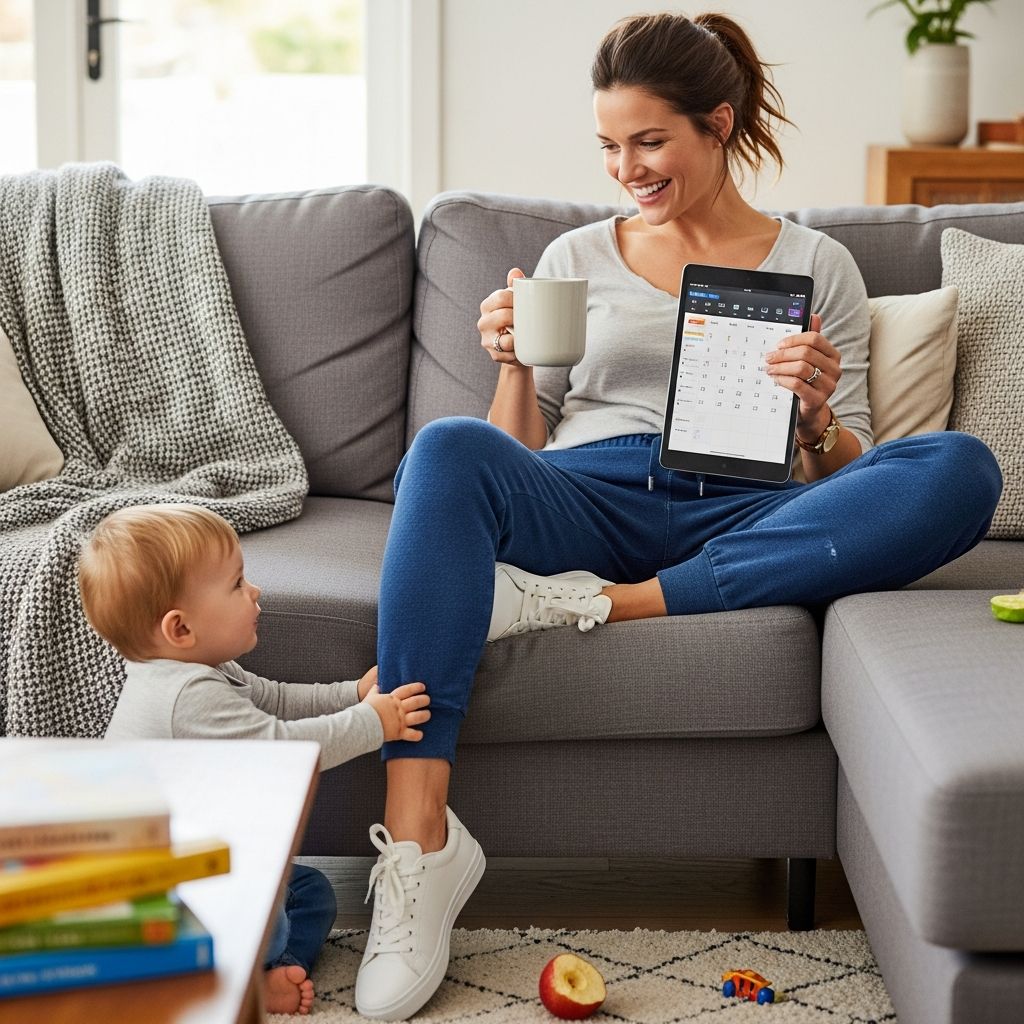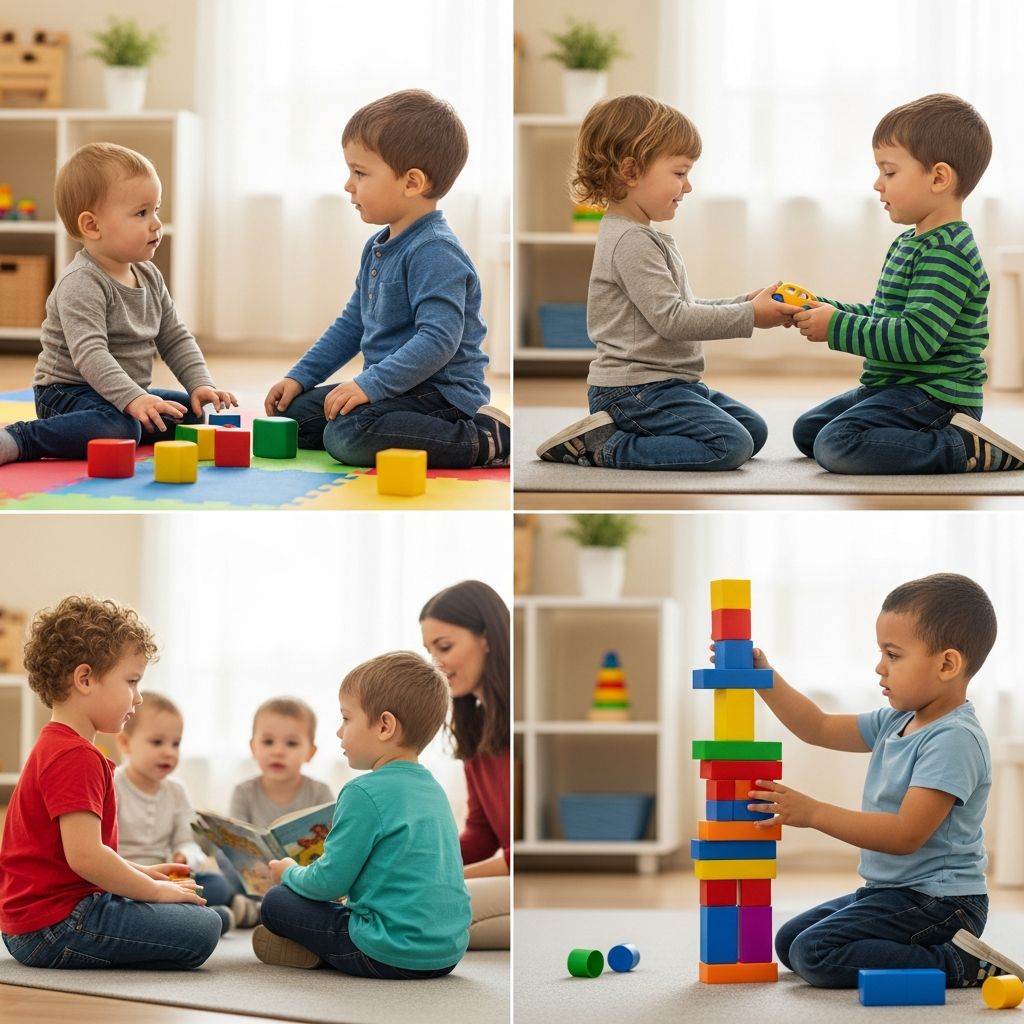
Between ages 1 and 4, children transform from solitary explorers into budding social beings capable of forming bonds, expressing feelings, and navigating group dynamics. This period lays the foundation for lifelong interpersonal skills, self-awareness, and emotional resilience. Parents play a pivotal role by observing these milestones and providing nurturing environments that encourage positive interactions.
Foundations of Social Awareness in the Second Year
At around 12 to 24 months, toddlers shift from egocentric play to noticing others, marking the onset of social curiosity. They begin imitating simple actions observed in adults or peers, such as clapping hands or stacking blocks, which helps them understand cause-and-effect in relationships.
- Shows interest in other children by watching them play from a distance.
- Engages in parallel play, where kids occupy the same space but interact minimally with toys side-by-side.
- Imitates familiar adults, like pretending to talk on a phone or stirring a pot.
- Displays affection selectively, such as hugging parents or stuffed animals.
During this stage, children look to caregivers’ faces for cues on how to react in unfamiliar situations, building emotional security. They may pause or mimic sad expressions when seeing someone upset, an early sign of empathy emergence. By 24 months, most notice distress in others and attempt basic comforting, like patting a crying peer.
Expanding Interactions: The 2-Year-Old’s World
As children approach age 2, social play evolves. They start simple pretend activities, such as feeding a doll or animal, and copy friends more deliberately. Independence grows, with toddlers handing over toys when prompted and following basic routines like cleanup time.
| Milestone | Examples | Parental Support Tips |
|---|---|---|
| Parallel to Cooperative Play | Plays next to peers; occasionally shares toys | Model turn-taking with toys during playdates |
| Emotional Expression | Says ‘look at me!’ to show achievements | Name emotions: ‘You seem happy about that tower!’ |
| Routine Following | Helps pick up toys on cue | Use consistent signals for transitions |
Two-year-olds show concern for upset friends and calm quicker after separations, like drop-offs, often within 10 minutes. They engage in back-and-forth exchanges, laying groundwork for conversations. Challenges include frustration from routine changes, but positive modeling helps regulate these.
Emotional Intelligence Blooms at Age 3
Three-year-olds enter a phase of vivid imagination and peer engagement. They join group activities, play make-believe with dolls or friends, and show unprompted affection. A wide emotional range emerges, with better self-calming and rule-following in games.
- Notices and joins other children in play without hesitation.
- Shows concern for a crying friend, offering hugs or words.
- Plays simple group games like ring-around-the-rosy.
- Identifies basic emotions in self and others: happy, sad, angry.
Self-awareness strengthens; they can state their name, age, and gender, boosting confidence. Independence shines in chores like setting the table or dressing themselves. Socially, they comfort peers and follow multiplayer rules, though conflicts arise over sharing.
Building Empathy and Cooperation
Empathy deepens as 3-year-olds comment on others’ feelings and assist in distress, like wiping spilled milk. They clap for peers’ successes, fostering group harmony. Pretend play in home areas hones caregiving skills. Parents can enhance this by reading stories highlighting characters’ emotions, prompting discussions.
Preschool Mastery: Age 4 Social Skills
By age 4, children seek peer approval, mimic friends’ styles, and excel in turn-taking during games. They distinguish reality from fantasy, perform chores independently, and negotiate rules. Friendships solidify, with named ‘best friends’ and mutual recognition.
| Key Age 4 Advances | Behaviors Observed | Developmental Impact |
|---|---|---|
| Peer Leadership | Explains game rules to others | Builds confidence and communication |
| Emotional Regulation | Uses words like ‘I’m mad’ effectively | Reduces tantrums, improves conflict resolution |
| Group Participation | Joins circle time eagerly; suggests activities | Enhances belonging and creativity |
They greet peers by name, share attention with adults, and use polite phrases naturally. Problem-solving involves seeking adult help descriptively: ‘He took my truck, and I’m sad.’ This stage emphasizes positive self-description and goal-setting.
Parental Strategies for Fostering Social Growth
Support begins with modeling: demonstrate sharing, empathy, and politeness daily. Create play opportunities with peers in safe spaces, guiding conflicts calmly. Use mirrors for self-recognition games and family activities to reinforce bonds.
- Read emotion-focused books; ask, ‘How does the character feel?’
- Practice transitions with timers or songs to ease changes.
- Encourage leadership by letting kids direct simple games.
- Praise efforts: ‘You shared so nicely—that made your friend smile!’
For challenges like hitting from frustration, teach alternatives: ‘Use words to say you’re angry.’ Consistent routines build security, while diverse interactions expose kids to varied social cues.
Recognizing Developmental Variations
While milestones guide expectations, children progress uniquely influenced by temperament and experiences. If a child avoids peers, struggles intensely with separation, or shows no empathy by age 3, consult professionals. Early intervention ensures timely support. Track progress with checklists from reliable tools like CDC milestones.
Frequently Asked Questions
What if my 2-year-old doesn’t play near other kids?
Some toddlers prefer solo play initially; gradually introduce small groups. Watch for imitation signs, and model interaction. Persistent isolation warrants a pediatric check.
How can I teach sharing at age 3?
Use timers for turns and narrate: ‘Now it’s friend’s turn.’ Praise cooperation to reinforce. Avoid forcing; guide gently.
Is pretend play essential for social skills?
Yes, it builds empathy and role understanding. Encourage with props like costumes or kitchen sets.
When should friendships form?
Around 3-4, children name friends and play cooperatively. Earlier parallel play is normal.
How to handle preschooler conflicts?
Stay neutral, help express feelings, and brainstorm solutions together. Model apologies.
References
- Preschool Milestones Personal and Social Development — The Clifton School. 2023-04-01. https://thecliftonschool.org/wp-content/uploads/2023/04/Preschool-Milestones-Personal-and-Social-Development.pdf
- Social-Emotional Development: Preschool Children — Virtual Lab School. Accessed 2026. https://www.virtuallabschool.org/preschool/social-and-emotional-development/lesson-2
- Social-Emotional Milestones — Early Stages DC. Accessed 2026. https://www.earlystagesdc.org/page/social-emotional-milestones
- Social Development in Preschoolers — American Academy of Pediatrics (healthychildren.org). Accessed 2026. https://www.healthychildren.org/English/ages-stages/preschool/Pages/Social-Development-in-Preschoolers.aspx
- 24-36 Months: Social-Emotional Development — ZERO TO THREE. Accessed 2026. https://www.zerotothree.org/resource/24-36-months-social-emotional-development/
- Social-Emotional Development Guide — Ages & Stages Questionnaires (ASQ). 2021-05-01. https://agesandstages.com/wp-content/uploads/2021/05/ASQSE2-Social-Emotional-Development-Guides.pdf
- Milestones by 3 Years — Centers for Disease Control and Prevention (CDC). Accessed 2026. https://www.cdc.gov/act-early/milestones/3-years.html