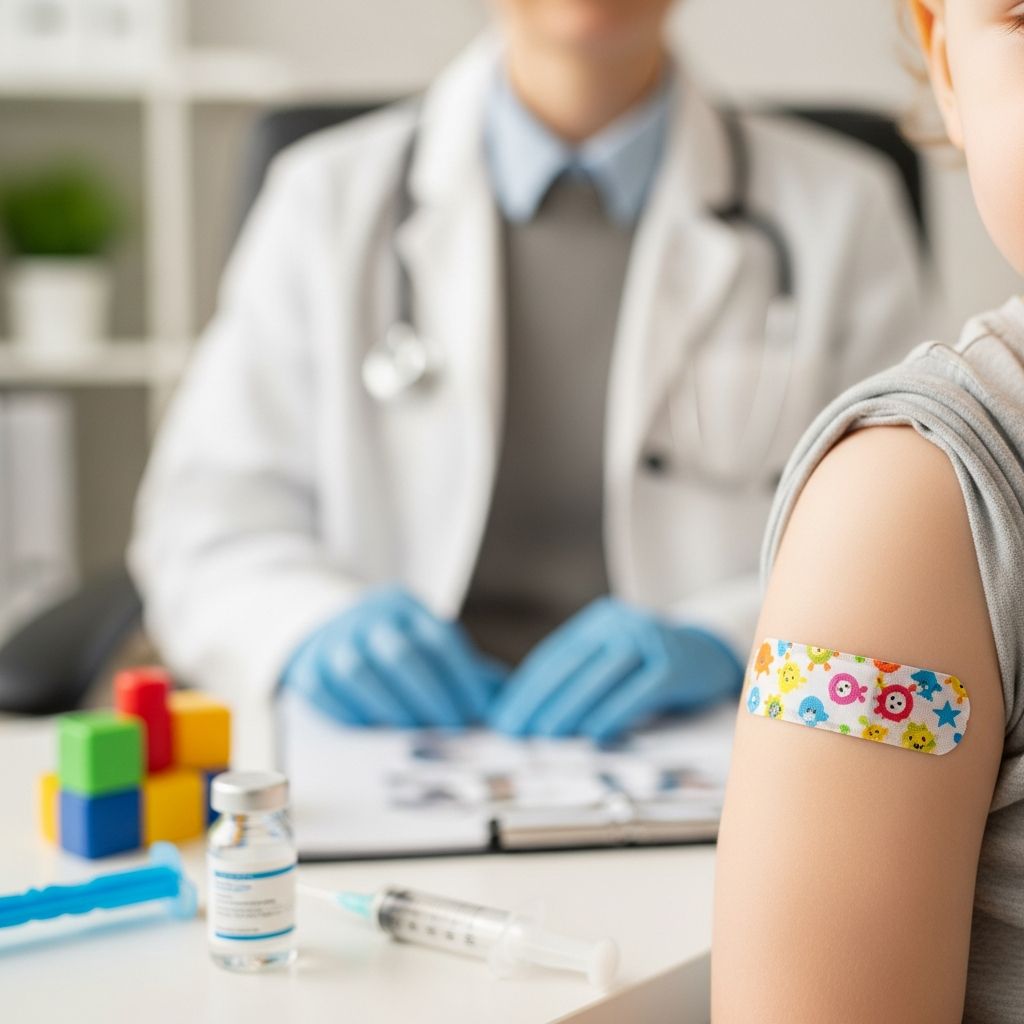
The chickenpox (varicella) vaccine is a routine childhood immunization that helps protect children from a highly contagious and uncomfortable illness. This guide is designed to help parents understand what the vaccine is, why it is recommended, how it is given, and what to expect before and after vaccination.
What Is Chickenpox and Why Does It Matter?
Chickenpox is a viral infection that causes an itchy blister-like rash, fever, and fatigue. Before vaccination was widely available, most children caught it, and although many recovered without problems, some developed serious complications such as lung infections, skin infections, or brain inflammation.
The virus that causes chickenpox is called varicella-zoster virus. After someone has chickenpox, the virus can remain inactive in the body and reactivate years later as shingles, which often causes painful, localized rashes. Because of this, preventing the initial infection can help reduce the chance of these later problems.
How the Varicella Vaccine Protects Your Child
The varicella vaccine contains a weakened form of the chickenpox virus. This weakened virus is strong enough to stimulate the immune system to respond, but not strong enough to cause full-blown chickenpox in healthy people. As a result, the body learns to recognize the virus and can fight it off quickly if exposure occurs later.
After vaccination, the immune system creates memory cells that “remember” the virus. These cells usually provide long-lasting protection, meaning vaccinated children are far less likely to get chickenpox, and if they do, the illness is usually milder and shorter.
Who Should Receive the Chickenpox Vaccine?
Most healthy children, teens, and adults who have never had chickenpox or been vaccinated are candidates for the varicella vaccine. It is often part of the routine childhood immunization schedule and may be given as a combination shot with measles, mumps, and rubella in some countries.
- Young children: Usually receive two doses as part of the standard schedule.
- Older children and teens: If they missed earlier doses, they can still catch up with two doses at least several weeks apart.
- Adults without immunity: Adults who never had chickenpox and were never vaccinated may also be advised to get vaccinated, particularly if they work around children or in healthcare.
Your child’s regular health provider can confirm whether your child is considered immune and help plan any catch-up doses that may be needed.
Who Should Not Get the Vaccine or May Need to Wait?
While the chickenpox vaccine is safe for most people, there are some situations where it is not recommended or should be delayed. Because it uses a live, weakened virus, it may not be suitable for certain individuals with specific medical conditions.
- People with severely weakened immune systems, such as those undergoing certain cancer treatments or taking strong immune-suppressing medications.
- Individuals with a known severe allergy to any component of the vaccine (such as gelatin or certain antibiotics used in the vaccine formulation).
- Pregnant individuals, who are generally advised to wait until after pregnancy to receive the varicella vaccine.
If a child or adult has a moderate or severe illness with fever, the healthcare provider may recommend waiting until recovery before giving the vaccine so the immune response is as strong and clear as possible.
Recommended Timing and Doses
The timing of the chickenpox vaccine can vary slightly between countries, but most childhood immunization schedules follow a two-dose approach. Giving two doses provides stronger and more durable protection than a single dose.
| Age Group | Dose | Notes |
|---|---|---|
| 12–15 months | First dose | Often given at the same visit as other routine childhood vaccines. |
| 4–6 years | Second dose | Boosts protection and lowers the chance of breakthrough infections. |
| Older children & teens (no prior doses) | Two doses | Doses are generally spaced at least 4 weeks apart. |
| Adults without immunity | Two doses | Timing is similar to older children, with the schedule set by a clinician. |
Parents should always review their child’s vaccination record with a healthcare provider to confirm which vaccines are needed and when.
Benefits of the Chickenpox Vaccine
The benefits of protecting your child against chickenpox go beyond avoiding a week or two of itchy rash. Immunization also helps prevent serious complications and has wider benefits for families and communities.
- Prevents most cases of chickenpox: Vaccinated children are much less likely to get the disease, and if they do, it is usually very mild.
- Reduces complications: Hospitalizations and severe outcomes from chickenpox are far less common in vaccinated populations.
- Protects vulnerable people: When most children are immune, it becomes harder for the virus to reach newborns, pregnant individuals, and people with weak immune systems, who can become very ill from chickenpox.
- Less disruption to family life: Vaccination reduces time away from school and work due to illness or quarantine requirements.
Possible Side Effects: What Parents Should Expect
Like all vaccines, the varicella vaccine can cause side effects. In most cases, these are mild and short-lived, and serious reactions are rare. Understanding what is typical can help parents feel more prepared and less anxious.
- Common, mild side effects:
- Soreness, redness, or swelling where the shot was given.
- Low-grade fever lasting a day or two.
- Mild rash with a few small spots that may resemble chickenpox.
- Less common or rare side effects:
- Higher fever or more noticeable rash.
- Allergic reactions, which may involve hives, trouble breathing, or swelling of the face (a medical emergency).
Most children tolerate the vaccine very well. If you notice anything that worries you, contact your child’s healthcare provider for guidance, especially if symptoms are severe or do not improve.
How Effective Is the Varicella Vaccine?
The chickenpox vaccine significantly lowers the chance of catching chickenpox. A single dose provides strong protection, and the second dose boosts this protection even further, decreasing the risk of both infection and severe disease.
Breakthrough cases—where a vaccinated person develops chickenpox—can still occur, but these infections are generally milder. Children in this situation often have fewer spots, lower fevers, and recover more quickly than those who were never vaccinated.
Before the Appointment: Preparing Your Child
Good preparation can make a vaccination visit smoother and less stressful for you and your child. Talking openly and calmly about what will happen can reduce fear and build trust.
- Explain that the vaccine is a quick shot that helps keep them from getting sick in the future.
- Avoid surprising older children with the shot; instead, give age-appropriate information beforehand.
- Bring a favorite toy, blanket, or book to comfort younger children.
- Dress your child in clothing that allows easy access to the upper arm or thigh.
During and After the Shot: Comfort and Care
Many children feel nervous about shots, but small comfort measures can make a big difference. Staying calm and supportive helps your child feel safer during the process.
- Hold your child, if allowed, or sit close, and offer reassurance.
- Use distraction, such as talking, singing, or giving them something to squeeze.
- After the shot, praise your child for being brave, regardless of whether they cried.
At home, you can place a cool, clean cloth on the injection site to reduce soreness. Encourage your child to drink fluids and rest if they feel tired. Follow any dosage instructions from your healthcare provider before giving pain relief medicines.
Chickenpox Vaccine vs. Natural Infection
Some parents wonder whether getting chickenpox naturally is better than vaccination. While natural infection does usually lead to long-term immunity, it comes with the risk of complications that cannot be predicted in advance, even in healthy children.
| Aspect | Natural Chickenpox | Varicella Vaccine |
|---|---|---|
| Immune protection | Strong, but gained through illness and discomfort. | Strong, gained without full-blown illness. |
| Risk of complications | Includes pneumonia, skin infections, and in rare cases, serious brain or blood problems. | Serious complications are very rare. |
| Impact on family | Time off school and work, caring for an ill child, risk of spreading infection to others. | Usually limited to a brief clinic visit and minor side effects, if any. |
| Risk to vulnerable people | Higher, as infected children can spread the virus widely. | Lower, as vaccinated children are much less likely to catch and spread the virus. |
From a public health standpoint, vaccination reduces both individual and community risk, making outbreaks less frequent and milder when they do occur.
Questions to Ask Your Child’s Healthcare Provider
Having an open conversation with your child’s clinician is an important part of making an informed decision. Bringing questions to the appointment can help you feel more confident about your choices.
- Is my child up to date on all doses of the chickenpox vaccine?
- Are there any medical reasons my child should delay or avoid this vaccine?
- What side effects should I watch for after the shot?
- What should I do if my child develops a rash or fever following vaccination?
- Can this vaccine be given at the same visit as other routine vaccines?
Frequently Asked Questions (FAQs)
1. Can my child still get chickenpox after being vaccinated?
Yes, a small number of vaccinated children may still get chickenpox, often called “breakthrough” infections. These cases are usually much milder, with fewer spots and quicker recovery than infections in unvaccinated children.
2. What if my child has already had chickenpox?
If your child has had a typical case of chickenpox confirmed by a healthcare provider, they are usually considered immune and may not need the varicella vaccine. However, in uncertain cases or in children with very mild past rashes, a clinician might recommend vaccination to be sure they are protected.
3. Is it safe for my child to be around others after getting the vaccine?
Yes, children who receive the vaccine can usually go to school and daycare as normal. In rare instances, if a child develops a rash after vaccination, a healthcare provider may recommend extra precautions around people with very weak immune systems or during certain medical treatments.
4. Does the vaccine increase the risk of shingles later?
The virus that causes shingles is related to the chickenpox virus that stays in the body after infection. Evidence so far suggests that vaccinated children have a lower risk of shingles in childhood compared with those who had natural chickenpox, and ongoing research continues to monitor long-term effects.
5. Can my child receive the varicella vaccine at the same time as other shots?
In many immunization schedules, the chickenpox vaccine is given at the same visit as other routine vaccines. Healthcare providers are trained to follow recommended timing and spacing so that the immune system can respond appropriately and safely to each vaccine.
6. What should I do if I miss a scheduled dose?
If a dose is missed, it is usually not necessary to start the series over. Instead, the missed dose can often be given at a later appointment. Bring your child’s vaccination record to the visit so the provider can plan the best catch-up schedule.
Key Takeaways for Parents
The chickenpox (varicella) vaccine is an important tool for protecting children from a common but sometimes serious illness. It offers strong protection, has a good safety record, and helps reduce the spread of disease in the community.
By learning how the vaccine works, what to expect at the appointment, and how to respond to side effects, parents can approach this part of their child’s health care with clarity and confidence. For personalized advice, including questions about timing or medical conditions, always consult your child’s healthcare provider.