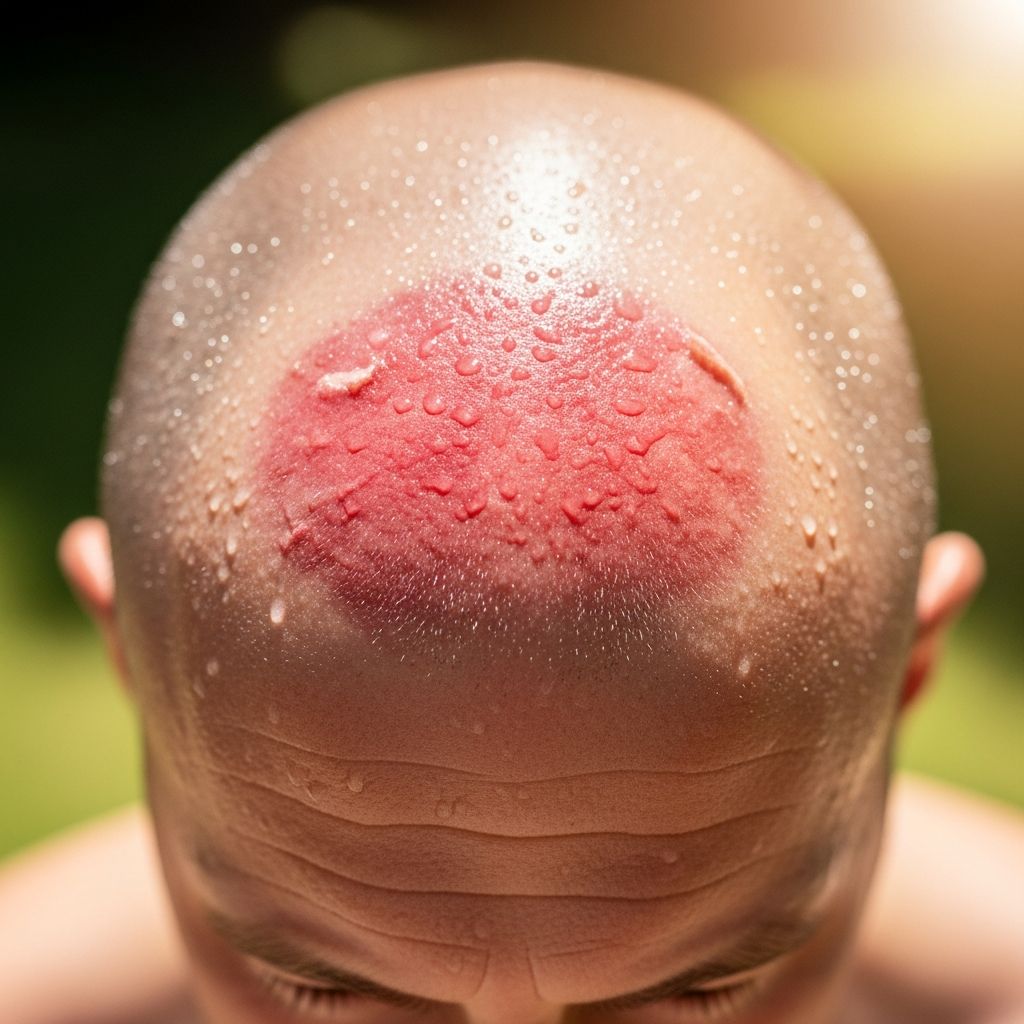
Childhood allergies and asthma affect millions of families, often occurring together and impacting daily life. These conditions arise when a child’s immune system or airways react strongly to common environmental factors, leading to discomfort or breathing difficulties. Parents play a crucial role in early detection, effective management, and long-term prevention to ensure children thrive.
Recognizing Signs of Allergies in Young Children
Allergies happen when the body mistakenly treats harmless substances as threats, triggering immune responses. In kids, this overreaction commonly targets pollen from trees or grasses, microscopic dust mites in bedding, proteins in pet dander, specific foods like nuts or dairy, and venom from insect stings. Symptoms vary but often start mildly: frequent sneezing or a persistent runny nose mimicking a cold, red and itchy eyes that water excessively, or red bumpy rashes and hives on the skin. Food-related reactions might cause tummy aches, vomiting, or diarrhea. In rare but critical cases, anaphylaxis brings swelling, severe breathing issues, and a drop in blood pressure, demanding immediate action.
Infants show subtler cues, such as excessive fussiness or poor feeding due to nasal congestion. Observing patterns helps distinguish allergies from infections—symptoms recur seasonally or with exposures rather than resolving quickly.
Key Indicators of Asthma in Kids
Asthma involves chronic inflammation and tightening of the lung airways, making breathing labored. Triggers mirror allergy culprits but extend to colds, physical activity, chilly weather, tobacco smoke, or pungent scents. Children may wheeze—a high-pitched whistle during exhales—cough relentlessly, especially overnight, feel chest pressure, or gasp for air during play.
Babies present uniquely: rapid shallow breaths, nostril flaring, belly sucking in with each breath, or a bluish skin tint signal distress. A family history of asthma, coupled with eczema or wheezing beyond colds, raises likelihood. Frequent respiratory woes in toddlers often point to this condition over temporary illnesses.
Strategies for Controlling Allergic Reactions
Managing allergies begins with pinpointing culprits via skin prick tests or blood analysis ordered by a pediatrician. Avoidance forms the foundation: encase mattresses in allergen-proof covers, wash linens weekly in hot water, vacuum with HEPA filters, and ban indoor smoking. For pets, confine them from bedrooms and groom regularly. During high-pollen seasons, keep windows shut and shower post-outdoors.
Medications ease symptoms: antihistamines block itch and sneezes, corticosteroid nasal sprays reduce inflammation, eye drops soothe irritation. For persistent cases, immunotherapy—gradual allergen exposure via shots or tablets—builds tolerance over years. Severe food allergies necessitate EpiPens; train all caregivers in their use and maintain two at school and home.
Effective Asthma Control Techniques
A tailored asthma action plan, co-created with a doctor, uses a traffic-light system for clarity. In the green zone, all is well—stick to daily preventer inhalers like corticosteroids that curb airway swelling. Yellow zone signals caution with mild coughs or activity limits—deploy quick-relief bronchodilators like albuterol promptly and monitor. Red zone emergencies feature intense wheezing or exhaustion—administer rescue meds, seek urgent care if no improvement in minutes.
Track peak flows with a handheld meter for objective readings. Teach proper spacer-inhaler technique: deep breaths, hold, exhale slowly. Promote activity while preempting exercise-induced flares with pre-treatment.
Navigating the Link Between Allergies and Asthma
Allergic asthma, where allergens spark 80% of childhood cases, demands dual management. Controlling allergies via testing, environmental tweaks, and shots often stabilizes breathing. Integrated plans address both, reducing flare frequency. Home humidity control below 50% combats mites and mold, while air purifiers filter particles.
| Aspect | Allergies | Asthma |
|---|---|---|
| Main Triggers | Pollen, dust, foods, pets | Allergens, exercise, infections, irritants |
| Core Symptoms | Sneezing, itchy eyes, rashes | Wheezing, cough, shortness of breath |
| Treatment Focus | Avoidance, antihistamines, immunotherapy | Inhalers, action plans, trigger avoidance |
| Emergency Tool | Epinephrine auto-injector | Rescue inhaler, emergency services |
Building a Comprehensive Home Management Plan
- Daily Routines: Consistent medication adherence, symptom journaling.
- Trigger Mapping: List personal irritants like dust or cats, implement mitigations.
- Emergency Kit: Stock inhalers, EpiPens, doctor contacts.
- Follow-Ups: Quarterly reviews to adjust plans.
Hygiene bolsters efforts: frequent handwashing curbs germ spread that worsens asthma, avoiding face-touching limits allergen transfer.
Preparing for School and Extracurriculars
Back-to-school demands proactive steps. Update allergy and asthma action plans yearly, supplying copies to nurses, teachers, coaches. Provide duplicate meds: spare inhalers with spacers, dual EpiPens in unlocked but secure spots. Educate kids age-appropriately—names/doses of drugs, symptom self-reporting, proper administration.
Notify school of triggers like nut-free zones or pet-free policies. For field trips, ensure staff carry meds. Collaborate on hygiene: sanitizer stations, no-scent days.
Empowering Children Through Education
Age-tailored talks demystify conditions: preschoolers learn “allergy tummy ouchies,” older kids grasp triggers and self-advocacy. Role-play inhaler use or EpiPen jabs on trainers. Foster confidence to tell adults, “My chest hurts—I need my puffer.”
FAQs
What if my baby wheezes during colds?
Monitor for patterns beyond infections; family history or eczema warrants doctor evaluation for asthma.
How do I know if it’s allergies or a cold?
Allergies persist over weeks, lack fever, recur with exposures; colds resolve in days.
Can kids with asthma play sports?
Yes, with controller meds and warm-ups; most excel post-management.
What’s the first step in anaphylaxis?
Inject epinephrine thigh-held 3 seconds, call 911, second dose if no improvement in 5 minutes.
How often to update school plans?
Annually or with changes in meds/triggers.
Long-Term Outlook and Support
With vigilant care, most kids outgrow mild allergies/asthma or achieve control. Annual checkups refine strategies. Support groups connect families. Research advances offer biologics for severe cases, promising better futures. Parents’ knowledge turns challenges into manageable routines, letting kids focus on growth and joy.
(Word count: 1678)
References
- Managing Childhood Allergies and Asthma: A Parent’s Guide — HealthPark Pediatrics. 2023. https://www.healthparkpediatrics.com/managing-childhood-allergies-and-asthma/
- Asthma in Babies and Children — Allergy Asthma Network. 2024. https://allergyasthmanetwork.org/what-is-asthma/asthma-in-babies-and-children/
- For Parents of Children with Asthma — American Lung Association. 2025-01-10. https://www.lung.org/lung-health-diseases/lung-disease-lookup/asthma/managing-asthma/children-and-asthma
- Asthma and Allergy Resources for Schools and Care Centers — Asthma and Allergy Foundation of America (AAFA). 2024. https://aafa.org/asthma/living-with-asthma/managing-asthma-and-allergies-at-school/school-teacher-staff-nurse-resources-for-children-with-asthma-allergies/
- Complete Parents’ Guide To Pediatric Asthma Action Plan — Cure Allergy Clinic. 2023. https://cureallergyclinic.com/complete-parents-guide-to-pediatric-asthma-action-plan/