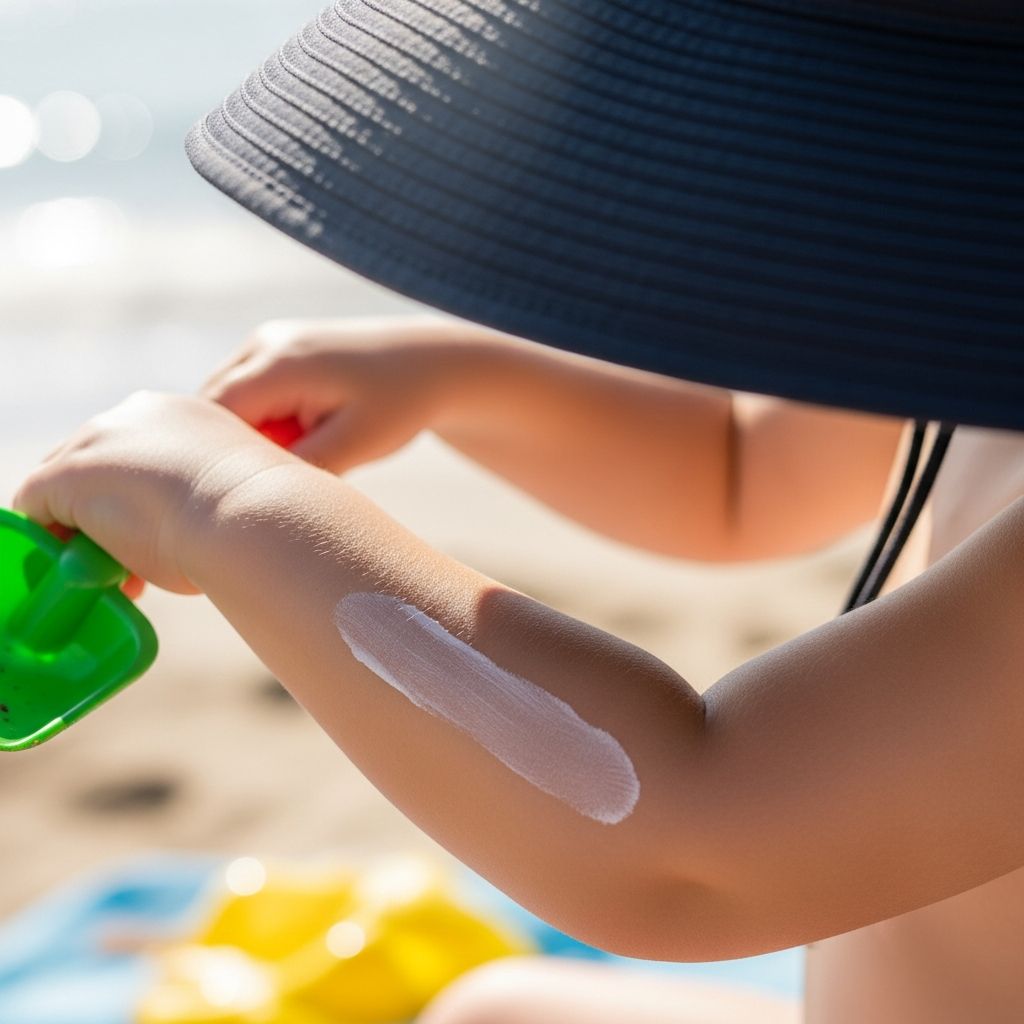
Children’s skin is remarkably delicate, thinner and more vulnerable than adults’, making it prone to damage from sun exposure, dryness, and irritants. Proper care from infancy builds a foundation for lifelong skin health, reducing risks of burns, rashes, and premature aging.
Understanding the Fragility of Pediatric Skin
Infant and toddler skin possesses fewer protective layers, lower melanin levels for UV defense, and underdeveloped sweat glands, heightening susceptibility to overheating and irritation. This vulnerability extends through childhood, where active lifestyles amplify exposure to environmental stressors. Daily routines focusing on cleansing, moisturizing, and shielding can prevent common issues like eczema flares or sunburns.
Establishing habits early promotes resilience. For instance, consistent hydration locks in moisture post-bath, while strategic sun avoidance during peak hours minimizes long-term damage.
Mastering Sun Defense for Every Age Group
Sun protection is paramount, as UV rays penetrate young skin easily, elevating skin cancer risks later in life. Tailor approaches by age for optimal safety.
Newborns Under 6 Months: Prioritize Avoidance
For babies under 6 months, direct sunlight should be avoided entirely due to immature skin barriers. Keep them in shade, use stroller canopies, and opt for lightweight covers during outings. Wide-brimmed hats and UV-blocking fabrics provide essential coverage without chemical sunscreens.
6 Months to Toddlers: Introducing Safe Sunscreens
Broad-spectrum mineral sunscreens with SPF 30+ become suitable here. Zinc oxide or titanium dioxide formulations sit atop the skin, reflecting rays without absorption risks ideal for sensitive types. Apply generously 30 minutes before exposure, covering ears, feet, and necks often missed spots.
- Choose water-resistant lotions over sprays for even coverage.
- Reapply every 2 hours or after water play.
- Test patches to avoid allergies.
School-Age Kids and Beyond: Building Habits
Older children need routine applications tied to morning prep. Encourage UPF-rated clothing, like rash guards (UPF 50+ blocks 98% rays), long sleeves, and brimmed hats. Limit midday outings when UV peaks (10 a.m.-4 p.m.).
| Age Group | Primary Method | SPF Recommendation | Additional Gear |
|---|---|---|---|
| 0-6 months | Shade & clothing | None | Hats, canopies |
| 6-24 months | Mineral sunscreen + cover | 30+ | UPF swimwear |
| 2+ years | Sunscreen + habits | 30-50 | Sunglasses, long sleeves |
Daily Cleansing Routines Without Stripping Moisture
Gentle washing prevents buildup while preserving natural oils. Use lukewarm water and fragrance-free soaps; teach handwashing with thorough scrubbing before meals and post-play. Bathe daily in summer but limit to 3-4 times weekly otherwise to avoid dryness.
For faces, twice-daily mild cleansers combat oil in tweens. Always pat dry gently no rubbing.
Hydration Essentials: Moisturizing for Resilience
Post-bath moisturizing traps water in skin. Opt for hypoallergenic, paraben-free creams thicker than lotions for eczema-prone kids. Apply to arms, legs, body daily; skip hands in infants to prevent ingestion.
Lips demand SPF balms to fend off cracks and burns. In dry climates or post-swim, increase frequency for barrier repair.
Combating Summer-Specific Skin Threats
Heat Rash Prevention
Breathable cotton outfits, cool environments, and daily lukewarm baths mitigate prickly heat. Avoid occlusive products; use fans for air circulation.
Pool and Beach Protection
Chlorine and salt desiccate skin rinse immediately post-swim, then moisturize. Water amplifies UV, so reapply sunscreen liberally. Swim diapers aid hygiene for babies.
Clothing and Accessories as First-Line Defense
UPF fabrics, long sleeves, and pants offer chemical-free shielding. Hats protect scalps and faces; UV sunglasses safeguard eyes. Tight weaves maximize block; check labels for UPF 30+.
Hydration from Within: Supporting Skin Health
Ample fluids prevent dehydration-related dryness. Offer water frequently during play, especially heat. Balanced diets with fruits bolster internal moisture.
Recognizing and Addressing Common Issues
Watch for redness, itching, or scaliness consult pediatricians for persistent rashes. Cold sores around lips warrant medical advice. Early intervention averts complications.
Frequently Asked Questions (FAQs)
What SPF is safe for babies over 6 months?
Broad-spectrum SPF 30+ mineral-based products with zinc oxide or titanium dioxide are recommended.
Can I use adult sunscreen on kids?
No; select pediatric formulas to minimize irritation risks.
How often to reapply sunscreen?
Every 2 hours, or sooner after swimming/sweating.
Is sunscreen needed on cloudy days?
Yes, UVA/UVB penetrate clouds.
What if my child hates sunscreen?
Combine with UPF clothing, hats, and shade for full coverage.
Long-Term Benefits of Proactive Skin Care
Consistent protection curbs photoaging, boosts confidence, and lowers melanoma odds. Educate kids on self-application for independence.
References
- The Best Ways to Protect Your Child’s Skin from Sun Damage — Epiphany Dermatology. 2023-06-15. https://www.epiphanydermatology.com/blog/3-easy-ways-protect-childs-skin-sun-damage/
- Tips for Taking Care of Your Children’s Skin — Front Range Dermatology. 2024-03-10. https://www.frontrangedermatology.net/child-skincare-tips/
- Summer Skincare Tips for Babies and Toddlers — Kidsville Pediatrics. 2024-05-20. https://www.kidsvillepeds.com/blog/1307597-pediatric-skin-care-safe-summer-tips-by-mckinney-pediatricians/
- Sun Safety for Kids and Ways to Protect Their Delicate Skin — Weecare Pediatrics. 2023-11-08. https://weecarepediatrics.com/sun-safety-for-kids-and-ways-to-protect-their-delicate-skin/
- Sun Safety for Children and Babies — UCSF Benioff Children’s Hospitals. 2024-01-12. https://www.ucsfbenioffchildrens.org/education/sun-safety-for-children-and-babies
- Sunscreen and Sun Protection — Nationwide Children’s Hospital. 2023-07-22. https://www.nationwidechildrens.org/family-resources-education/health-wellness-and-safety-resources/helping-hands/sunscreen-and-sun-protection