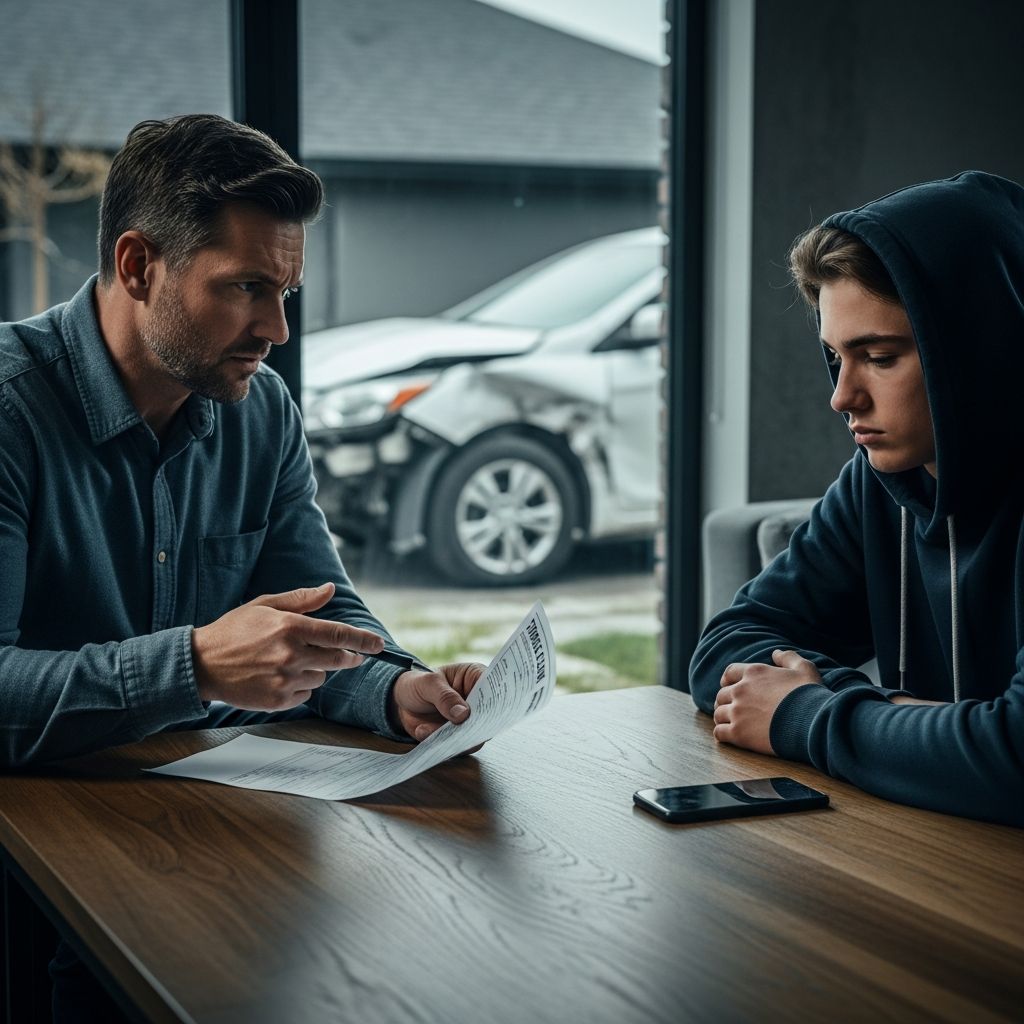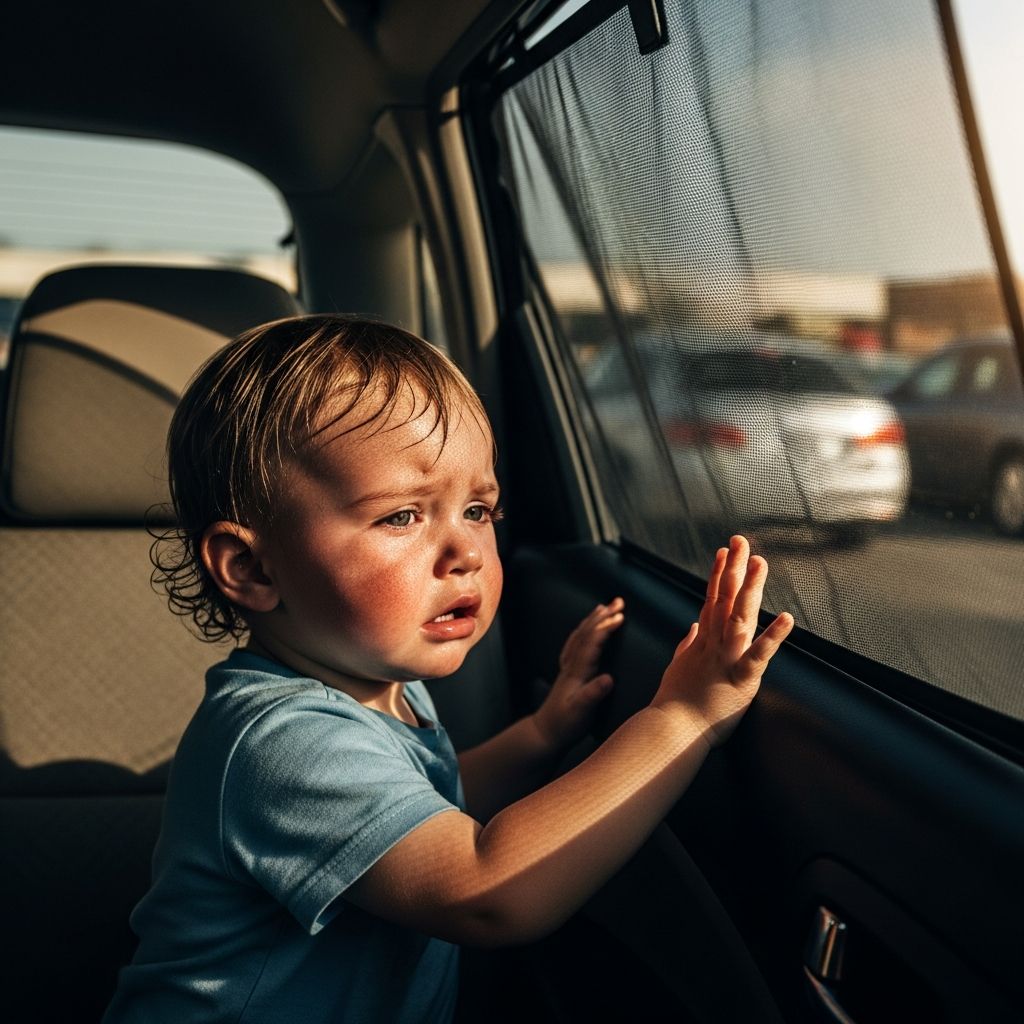
Parked vehicles represent hidden dangers for young children, from rapid interior heat buildup leading to heatstroke to unexpected access by curious kids. Every year, tragedies occur when children are forgotten inside or wander into cars unsupervised. This guide outlines proactive measures, drawing from established safety protocols to help parents and caregivers eliminate these risks.
Understanding the Silent Threats of Stationary Vehicles
Even on moderate days, car interiors can surge to lethal temperatures within minutes due to the greenhouse effect, where sunlight trapped through glass amplifies heat. Children’s bodies overheat three to five times faster than adults because of less efficient temperature regulation and higher metabolic rates. Beyond heat, young explorers may climb into unlocked cars, shift gears, or tamper with controls, risking injury or unintended movement.
In parking areas and home driveways, additional perils arise. “Backover” incidents, where vehicles reverse over hidden children, claim dozens of young lives annually. Distractions like phone use or routine changes compound these issues, making vigilance essential.
Strategies to Prevent Forgetting Children in Vehicles
Accidental abandonment often stems from disrupted routines, fatigue, or multitasking. To counter this, adopt these layered defenses:
- Back-Seat Anchors: Place indispensable items like your phone, wallet, or work bag next to the child. This forces a rear check upon arrival.
- Visual Cues: Move a large toy from the child’s seat to the front dashboard when buckling them in, serving as a stark reminder.
- Tech Alerts: Program phone alarms with distinct sounds labeled with the child’s name for drop-off times. Enable vehicle rear-seat reminders if equipped.
- Accountability Checks: Coordinate calls with spouses, daycare staff, or caregivers to confirm arrivals. Avoid solo reliance on memory during hectic days.
During drives, engage verbally with the child through songs or conversation to maintain awareness. Program GPS for childcare destinations to reinforce the itinerary, and resist non-essential distractions like calls.
Establishing Secure Habits Around Parked Cars
Children view cars as playgrounds, drawn by toys or mimicry. Prevent unsupervised access with these routines:
- Lock doors and trunks immediately after parking, keeping keys inaccessible. Instruct guests to follow suit.
- Forbid key fobs as playthings and educate kids that vehicles are off-limits without adults.
- Teach escape skills: Honk the horn repeatedly if trapped inside.
- When a child goes missing, search vehicles first, including trunks.
Resist the temptation of brief errands; never leave kids unattended, even for seconds.
Driveway and Parking Lot Vigilance Protocols
Home driveways and commercial lots amplify risks due to low visibility zones. Implement the “Circle of Safety”: Before entering or backing out, walk 360 degrees around the vehicle, scanning for children.
Supervise rigorously:
- Carry toddlers or use strollers in lots; hold older kids’ hands tightly.
- Ban play in driveways, cul-de-sacs, or lots—opt for fenced yards.
- Install top-door locks to prevent unsupervised backyard exits.
Watch for movement cues like running engines or lit brake lights, signaling imminent motion. Newer cars feature backup cameras and pedestrian detection, but these aren’t foolproof for small children—human checks remain paramount.
Recognizing and Countering Heat-Related Emergencies
Heatstroke symptoms in kids include hot skin, rapid breathing, lethargy, or unconsciousness. If spotting a lone child in a vehicle:
- Call emergency services immediately and alert nearby staff to page the driver.
- If unlocked, ventilate by opening doors; cool the child with misted water in shade.
- For locked cars with distressed children, break entry if necessary—many regions shield Good Samaritans legally.
Act swiftly: Survival odds plummet after 30 minutes in extreme heat.
Table: Key Prevention Tactics by Scenario
| Scenario | Primary Risk | Action Steps |
|---|---|---|
| Daily Drop-Offs | Forgetting Child | Back-seat items, alarms, confirmation calls |
| Errands/Parking | Unsupervised Access | Lock vehicles, no kids alone, horn training |
| Driveway Activity | Backover Incidents | Circle of Safety walk, supervision habits |
| Hot Weather | Heatstroke | Never leave alone, rapid rescue protocols |
Empowering Kids with Age-Appropriate Awareness
Tailor lessons to developmental stages. Toddlers learn through repetition: “Cars are for riding with grown-ups only.” School-age children grasp more: Explain blind spots, why drivers can’t always see them, and to avoid chasing balls near vehicles. Never depend solely on their judgment—adult oversight is non-negotiable.
Reinforce with visuals like parking lot safety magnets or family pledges, fostering collective responsibility.
Vehicle Technologies: Allies, Not Substitutes
Post-2018 vehicles mandate backup cameras; advanced systems like pedestrian automatic emergency braking (PAEB) detect obstacles. Rear occupant alerts chime if back doors opened pre-drive. Yet, limitations persist—small children evade sensors, and older cars lack them. Pair tech with habits for comprehensive protection.
Frequently Asked Questions
What if my routine changes unexpectedly?
Double down on cues like stuffed animals or alarms, and communicate with co-parents or caregivers for backup checks.
Are brief stops ever okay?
No—seconds suffice for heat buildup or access. Always take kids inside.
How do I teach parking lot safety?
Use the S.T.A.R. method: Stop at edges, Turn to look, Ask permission, Run to safety. Practice hand-holding.
What about trunks?
Lock them; kids hide during games, risking entrapment. Check if missing.
Can apps help?
Yes—child-tracking wearables or reminder apps, but verify reliability and battery life.
Building a Family Safety Culture
Integrate these practices into daily life through consistent modeling. Review incidents seasonally, especially summer, and share knowledge with relatives. Programs like Head Start emphasize locked vehicles and reminders, underscoring universal applicability. Statistics reveal parking areas injure 50 children weekly via backovers, yet simple habits avert most.
By prioritizing these steps, families transform potential tragedies into preventable non-events, ensuring every vehicle interaction ends safely.
References
- Preventing Kids From Getting Trapped in Parked Cars — KidsHealth.org. 2023. https://kidshealth.org/en/parents/parked-car-safety.html
- Driveway and Parking Lot Safety — KidsAndCars.org. 2024-01-15. https://www.kidsandcars.org/driveway-and-parking-lot-safety
- Keeping Children Safe in and Around Cars — HeadStart.gov. 2023-06-12. https://headstart.gov/transportation/article/keeping-children-safe-around-cars
- Parking Lot Safety — Connecting for Kids. 2024. https://www.connectingforkids.org/ParkingSafety
- In And Around Cars Safety Tips — Safe Kids Worldwide. 2023. https://www.safekids.org/safetytips/field_risks/and-around-cars/field_type/tip