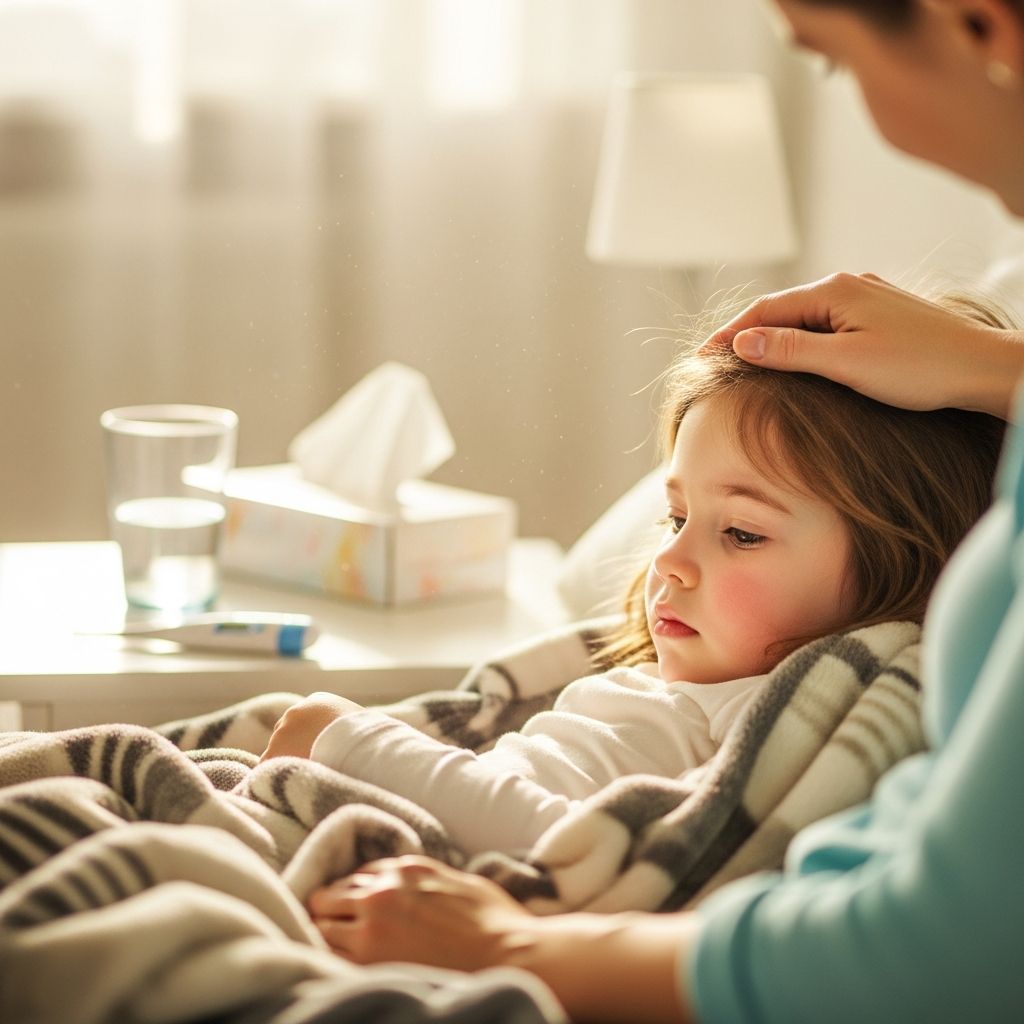
Naptime can be far more than a quick break in the day. With a bit of intention, it can become a daily ritual that supports your child’s brain, body, and emotions while also nourishing the bond between kids, pets, and parents.
Why Naptime Still Matters (Even When Life Is Busy)
In many homes, naps are treated as something to squeeze in when convenient. Yet a regular naptime rhythm can shape how peacefully the entire day unfolds. Short, predictable rest periods help children reset their nervous systems, regulate emotions, and better handle the constant flood of new experiences.
For parents and caregivers, a solid naptime routine is not just a break. It is an anchor—a small daily window to exhale, regroup, and approach the rest of the day with more patience and presence.
- Children who nap consistently are often more flexible, less irritable, and more able to focus on play and learning.
- Parents who can count on a regular quiet time are more likely to maintain calm, consistent boundaries in other parts of the day.
The Science of Rest: How Naps Support Growing Brains
During sleep, a child’s brain organizes the flood of experiences gathered through play, exploration, and interaction. Even short naps give the brain time to sort, file, and store memories so that new information can be processed later without overload.
Physically, naps support growth, immune function, and energy balance. Emotionally, they offer a pause from stimulation, lowering the chance of late-day meltdowns and helping children return to their activities feeling refreshed instead of overwhelmed.
| Age Range | Number of Naps | Approx. Daytime Sleep |
|---|---|---|
| 6–12 months | 2–3 naps | 3–4 hours total |
| 1–2 years | 1–2 naps | 2–3 hours total |
| 3–5 years | 0–1 nap | 0–2 hours total |
| 6+ years | Occasional rest | Quiet time instead of routine nap |
These ranges are guidelines, not rules. Some children need more rest, others less. What matters most is how your child behaves before and after naps—signs of chronic overtiredness often show up as hyperactivity, clinginess, or difficulty focusing.
Shared Naps: When Kids and Pets Snooze Together
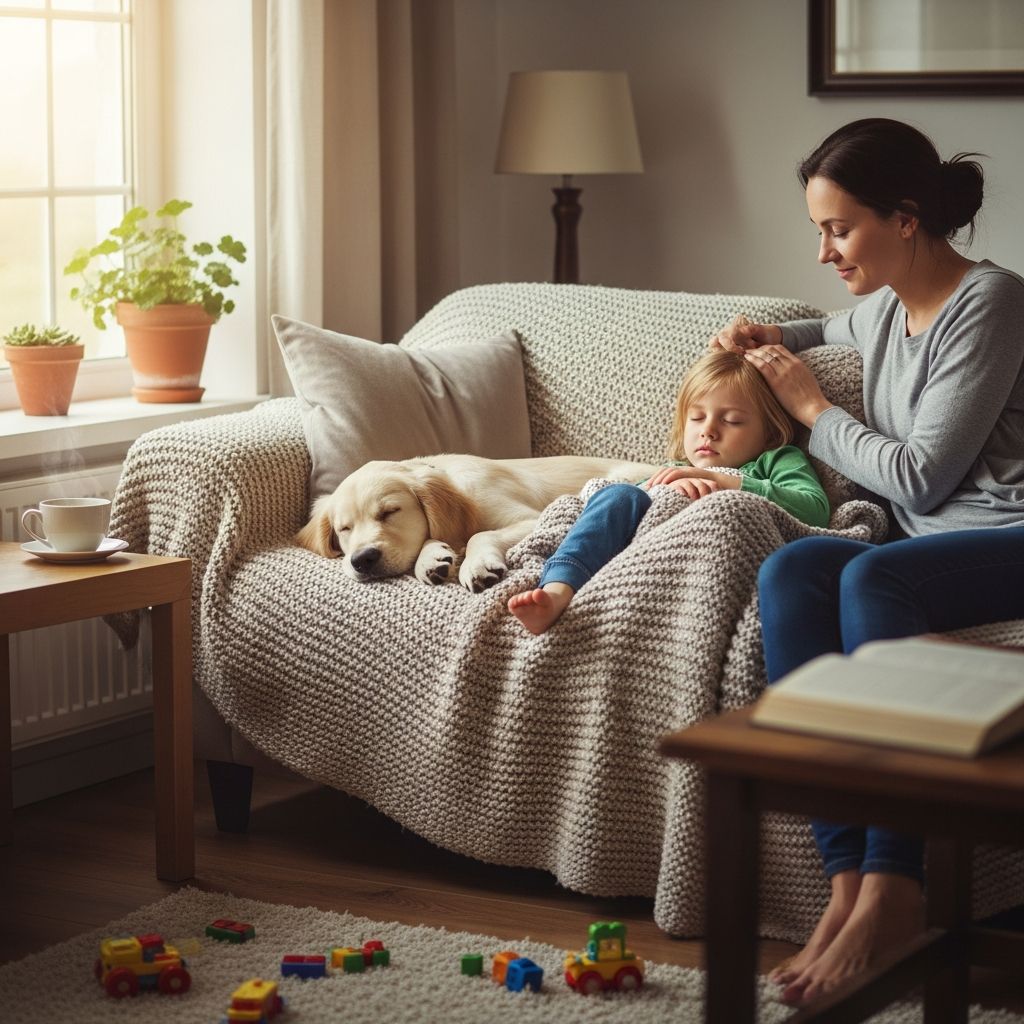
One of the sweetest sights in family life is a child and a pet peacefully napping side by side. These shared moments can become treasured memories and even help children feel more secure, loved, and grounded in their daily routines.
When handled thoughtfully and safely, resting near a calm pet can teach children empathy, gentleness, and awareness of another living being’s needs. It can also soften transitions into sleep for kids who might feel anxious about separating from parents.
Emotional Benefits of Kid-and-Pet Rest Time
- Comfort and security: A familiar furry companion can make a quiet room feel less lonely and more inviting.
- Stress relief: Gentle petting and the rhythmic sound of an animal’s breathing can calm an over-stimulated child.
- Connection ritual: Sharing a nap space can turn into a small, daily act of companionship that deepens the bond between child and pet.
Safety First: Setting Boundaries for Shared Rest
As heart-melting as shared naps can be, safety has to come first. Young children should not sleep in the same enclosed space (like a crib or small toddler bed) as pets. Instead, think of pets as nearby nap buddies rather than bedmates.
- Use separate, clearly defined sleep spaces—such as a crib or child’s bed and a nearby pet bed or blanket.
- Supervise closely until you fully trust both your child’s behavior around the pet and your pet’s reactions to the child.
- Teach children to respect a resting animal: no climbing, pulling, or startling touches while the pet sleeps.
Designing a Cozy Naptime Corner
A well-designed nap space can make the difference between a daily struggle and a smooth transition into rest. The goal is to create an environment that signals, “This is where we slow down,” using comfort, consistency, and minimal distractions.
Key Elements of a Rest-Friendly Space
- Comfortable but safe sleep surface: Age-appropriate mattress or crib, free of loose blankets or pillows for babies.
- Soft, predictable lighting: Blackout curtains or a dim lamp to separate nap time from high-energy play.
- Gentle sounds: White noise, a fan, or muffled household noise, rather than a totally silent room that amplifies every sudden sound.
- Minimal toys in sight: Too many visible toys can invite play instead of rest, so keep shelves simple and tidy.
Special Touches for Kids and Pets
If a family pet likes to be nearby, create a designated spot—such as a washable pet bed or mat—placed a safe distance from the child’s sleeping area. This provides companionship without crowding or risk.
- Choose easily washable textiles for both child and pet areas.
- Use a small basket or hook near the nap space for comfort objects like a favorite stuffed animal or blanket.
Building a Calm Naptime Routine That Actually Sticks
Children respond best to rhythm and repetition. A consistent set of small, predictable steps before naps cues the brain that sleep is coming, which shortens the settling time and reduces resistance.
Sample 10–15 Minute Naptime Flow
- Transition cue: Announce that nap time is coming in five minutes and start winding down high-energy play.
- Bathroom and hydration: Quick diaper change or bathroom trip, plus a sip of water if needed.
- Gentle activity: One short book, quiet songs, or a simple cuddle—repeat the same one or two most days.
- Settle into bed: Place your child in their sleep space with a consistent phrase, such as, “Time for your body to rest.”
- Brief reassurance: For children who struggle with separation, stay for a short, predictable period (for example, two minutes of back rubs) and then leave confidently.
Role of the Family Pet in the Routine
If your child finds comfort in a pet’s presence, you can thoughtfully include the pet in the wind-down phase. The key is to keep things calm and controlled.
- Invite the pet to their own bed or mat during story time and reward them for settling quietly.
- Use a verbal cue for the pet as well, such as “rest time,” so both child and animal learn the pattern.
- If the pet becomes too excited, redirect them out of the napping area and try again another day.
Photography as a Way to Capture (Not Interrupt) Quiet Moments
It is natural to want to capture the sweetness of napping children and their animal companions. Thoughtful photography can help preserve these fleeting seasons without intruding on the rest children genuinely need.
The goal is to observe rather than stage. Let the child and pet relax into their own positions instead of endlessly adjusting them for a perfect shot.
Tips for Photographing Naptime Memories
- Use natural light from a nearby window instead of bright flashes that might wake or startle.
- Take photos quickly and quietly, then step away so the rest of the nap can continue undisturbed.
- Prioritize safety over composition: never place a pet closer to a sleeping baby than you would feel entirely confident about without a camera present.
When Naps Change: Adapting as Your Child Grows
Naptime will not look the same forever. As children grow, they naturally shorten naps, combine multiple naps into one, and eventually transition to quiet rest instead of daytime sleep.
Signs Your Child May Be Ready for Fewer Naps
- Consistently taking a long time to fall asleep for naps despite appearing generally content.
- Regularly waking earlier in the morning or staying up significantly later at night when naps remain long.
- Staying mostly even-tempered and focused on days when a nap is missed, instead of rapidly melting down.
When the time comes to shorten or drop naps, keep the rest ritual: dim lights, quiet activities, and a defined period for reading or low-key play. Many children (and parents) still benefit from the pause, even when actual sleep fades away.
Practical Troubleshooting: Common Naptime Challenges
Even with a thoughtful setup and routine, naps can be unpredictable. Some phases are easier than others, and that is normal. What matters most is responding calmly and consistently.
Short Naps
Many children go through stages of 20–40 minute naps. Instead of fighting every brief nap, look at the bigger pattern. Is your child generally rested and functional across the day? If yes, their shorter naps may be enough for now.
- Try slightly extending wake windows before the nap to increase sleep pressure.
- Recreate the same pre-nap routine to strengthen the association with longer rest.
- Keep the room dark and quiet for a few extra minutes after a short wake-up to allow the possibility of resettling.
Nap Resistance
Nap resistance often peaks during developmental leaps or major life changes. The answer is rarely to drop naps overnight. Instead, protect the routine while allowing flexibility in timing and expectations.
- Offer earlier bedtimes on days with very short or skipped naps.
- Use your calm voice and steady presence as the predictable part, even when the schedule feels wobbly.
- Separate true transition (outgrowing naps) from temporary disruption (travel, illness, new sibling, etc.).
Frequently Asked Questions About Naptime, Kids, and Pets
Is it safe for my baby to nap with our dog or cat in the same bed?
For infants and young toddlers, it is safest to avoid sharing a sleep surface with pets. Instead, place the pet in a nearby bed or on a mat in the same room, and always follow safe sleep guidelines for your child.
What if my child only naps when the pet is in the room?
Many children feel more relaxed with a familiar animal nearby. As long as your child has a safe, separate sleep surface and you trust your pet’s behavior, it can be fine to allow the pet to stay in the room. Supervision and clear boundaries are crucial.
How can I keep naptime peaceful when I have multiple kids and a pet?
Stagger nap times when possible, and assign age-appropriate quiet activities to older siblings during the younger child’s rest period. You might have the pet join the older child for calm play in another space to reduce noise near the napping child.
Are naps still useful for older preschoolers who rarely fall asleep?
Yes. Even if your preschooler does not consistently sleep, a defined quiet time gives their body and mind a break. This can include looking at books, simple puzzles, or quiet drawing while the environment remains low-stimulation.
What if my child refuses naps but melts down every afternoon?
Persistent late-day meltdowns are often a sign of overtiredness. Try shifting naps earlier, calming the pre-nap routine, and offering early bedtimes on particularly tough days. If resistance continues, experiment with shorter quiet rest periods and watch how your child’s behavior changes.
Making Peace With Imperfect Naptimes
No family’s nap story is smooth from start to finish. There will be skipped naps, car naps, chaotic days, and growth spurts that throw everything off. None of this means you are doing it wrong.
What matters most is the overall pattern: a general commitment to rest, a gentle routine that your child can count on, and a safe, calm environment where kids and pets can relax together. Over time, these small daily practices shape not just sleep, but also emotional resilience, attachment, and the sense of home your child will carry long after they have outgrown naps.