Growing children, particularly those involved in sports, often experience heel discomfort known as Sever’s disease, or calcaneal apophysitis. This condition arises from inflammation at the heel bone’s growth plate due to repetitive stress, commonly affecting kids between ages 8 and 15.
Understanding the Basics of Heel Growth Issues
The heel bone, or calcaneus, features a growth plate where new bone forms during childhood development. In Sever’s disease, this soft cartilage area becomes irritated from constant pulling by the Achilles tendon and impact from activities like running or jumping. Unlike a fracture, it’s an overuse injury that resolves as bones mature.
During rapid growth phases, bones elongate faster than surrounding muscles and tendons, creating tightness. This imbalance places extra pressure on the heel’s attachment point, leading to swelling and pain. Highly active children in soccer, basketball, or track are prime candidates, as their routines amplify the stress.
Recognizing Common Warning Signs
Early detection helps manage Sever’s disease effectively. Key indicators include:
- Sharp or aching pain at the back or bottom of the heel, intensifying during or post-exercise.
- Tenderness when pressing the sides of the heel together.
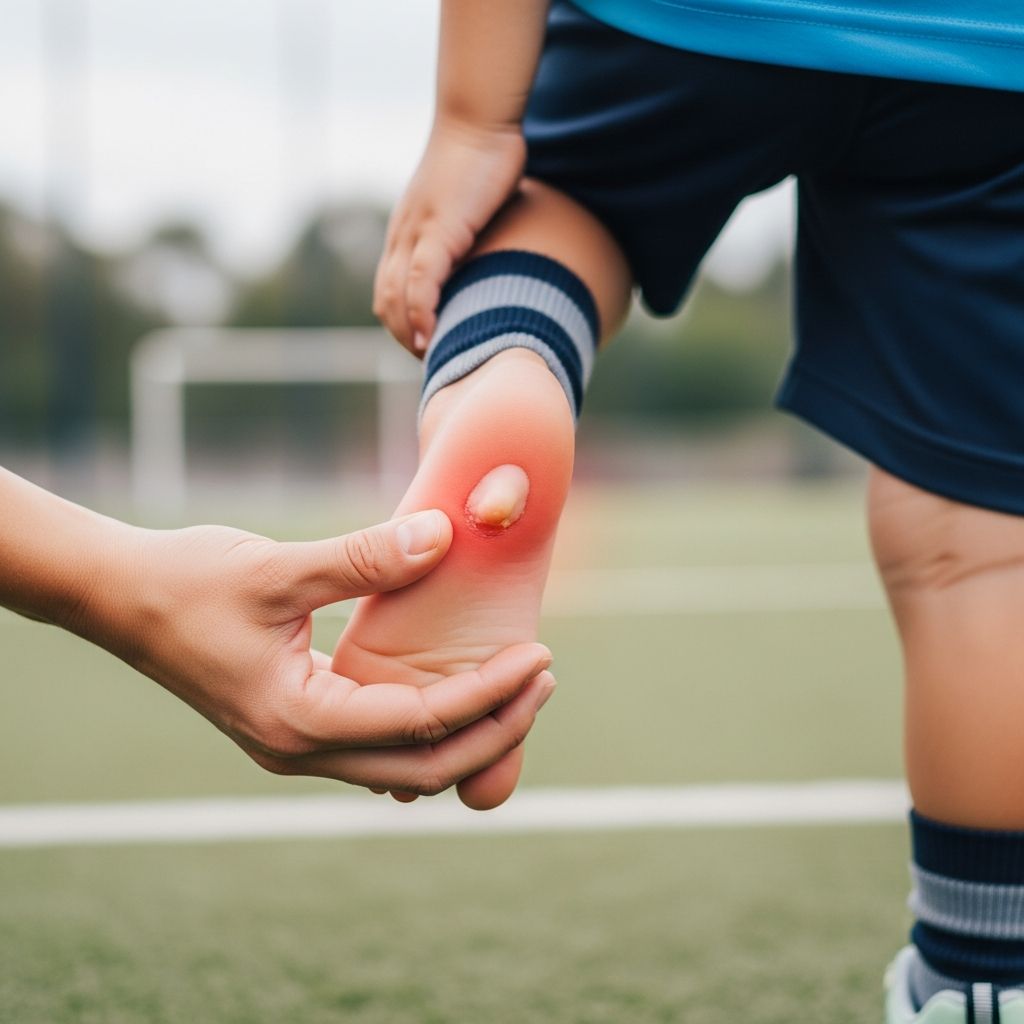
- Mild swelling or redness around the heel area.
- Limping, tiptoe walking, or reluctance to bear weight on the affected foot.
- Symptoms affecting one or both heels, worsening with activity and easing with rest.
Pain often fluctuates, appearing after intense sessions but subsiding overnight. If ignored, it can disrupt daily play and sports participation.
Root Causes Behind the Discomfort
Sever’s disease stems from mechanical overload on immature heel structures. Primary contributors include:
- Rapid skeletal growth: Bones outpace tendon lengthening, tightening the Achilles.
- Repetitive high-impact: Jumping, sprinting on hard surfaces strains the growth plate.
- Tight calves: Reduced flexibility pulls harder on the heel.
- Foot posture issues: Flat feet or high arches alter load distribution.
| Risk Factor | Impact on Heel | Prevalence |
|---|---|---|
| Age 8-12 | Peak growth spurt | Most common |
| Sports involvement | Increased jumping/running | High in athletes |
| Tight Achilles | Excessive tendon pull | Frequent |
| Poor footwear | Lack of support | Contributory |
These elements combine to inflame the apophysis, the growth center, without causing permanent damage.
Professional Diagnosis Process
A pediatrician or orthopedist diagnoses Sever’s through a straightforward exam. They squeeze the heel to elicit pain, test Achilles flexibility, and observe gait. X-rays may rule out fractures or other issues, though they often appear normal in Sever’s.
No advanced scans are typically needed unless symptoms persist. Early evaluation prevents complications like prolonged limping.
Effective Management Strategies
Treatment prioritizes symptom relief and activity modification. Core approaches:
- Rest: Pause high-impact sports for weeks to months until pain-free.
- Ice application: 15-20 minutes, 3-4 times daily, wrapped to avoid skin damage.
- Compression and elevation: Use wraps and prop feet up to minimize swelling.
- NSAIDs: Ibuprofen reduces inflammation; avoid aspirin in kids.
Continue low-impact activities like swimming if painless. Full recovery averages 2-3 months, extending to bone maturity if unmanaged.
Stretching and Strengthening Routines
Flexible calves prevent recurrence. Daily exercises include:
- Calf stretch: Face wall, one foot back, heel down; hold 30 seconds, 3 reps per side.
- Achilles drop: Stand on step edge, lower heels slowly; 10 reps.
- Toe walking: Walk on toes 20 steps forward/backward.
- Eccentric heel drops: Rise on toes with both feet, lower on affected side.
Incorporate these post-rest for lasting resilience. Physical therapy tailors programs for athletes.
Supportive Gear and Footwear Choices
Proper shoes cushion heels and support arches. Recommendations:
- Shock-absorbing soles with heel cups.
- Orthotic inserts for flat feet or pronation.
- Avoid rigid or worn-out sneakers.
Heel lifts reduce tendon strain temporarily. Transition gradually to prevent new issues.
Prevention Tips for Young Athletes
Proactive steps lower risk:
- Regular calf stretching before/after activity.
- Balanced training with rest days.
- Well-fitted, supportive athletic shoes.
- Monitor growth spurts for early signs.
- Cross-train with low-impact options like cycling.
Coaches and parents should encourage gradual intensity increases.
Recovery Timeline and Expectations
Most kids improve within weeks of rest and care. Persistent cases may last until growth plates fuse around age 15. Rarely, casting immobilizes severe heels for 4-6 weeks.
Post-recovery, phased sport return prevents relapse. Long-term, no growth or strength deficits occur.
When to Seek Immediate Medical Help
Consult a doctor if:
- Pain persists despite 2 weeks rest.
- Severe swelling or inability to walk.
- Fever or spreading redness suggests infection.
- No improvement with home care.
Frequently Asked Questions (FAQs)
Can Sever’s disease affect both heels?
Yes, it commonly impacts both feet, especially in active children.
Is surgery ever required?
No, conservative treatments suffice; surgery is unnecessary.
How long until sports resume?
Typically 4-8 weeks with proper management.
Does it cause permanent damage?
No, it resolves without long-term effects.
Are orthotics always needed?
Only for structural foot issues; many recover without.
This comprehensive guide empowers parents and teens to handle Sever’s disease confidently, ensuring swift return to active lifestyles.
References
- Sever’s disease – treatment, symptoms and causes — Healthdirect (Australian Government). 2023. https://www.healthdirect.gov.au/severs-disease
- Sever’s Disease (Calcaneal Apophysitis): What It Is — Cleveland Clinic. 2023-10-12. https://my.clevelandclinic.org/health/diseases/21176-severs-disease-calcaneal-apophysitis
- Sever’s Disease (Heel Pain) — American Academy of Orthopaedic Surgeons (AAOS). 2023. https://orthoinfo.aaos.org/en/diseases–conditions/severs-disease/
- Sever’s Disease Symptoms and Treatment — UPMC. 2024. https://www.upmc.com/services/orthopaedics/conditions/severs-disease
- Sever’s Disease — Gloria Beim MD. 2023. https://www.gloriabeimmd.com/sever-s-disease-orthopaedic-sports-medicine-surgeon-gunnison-colorado/
- Sever’s Disease — Boston Children’s Hospital. 2024. https://www.childrenshospital.org/conditions-treatments/severs-disease
- Sever Disease (Calcaneal Apophysitis) — StatPearls, NCBI Bookshelf (National Library of Medicine). 2023-07-17. https://www.ncbi.nlm.nih.gov/books/NBK441928/