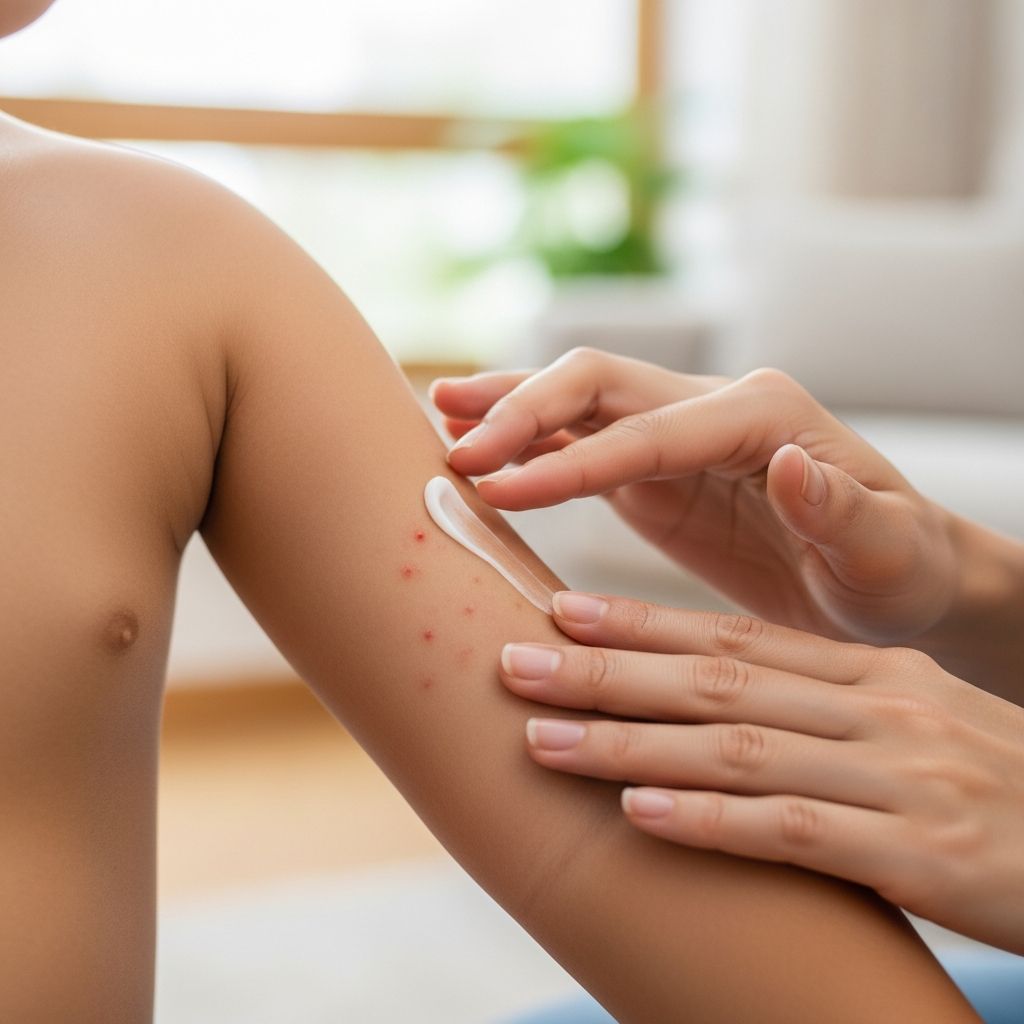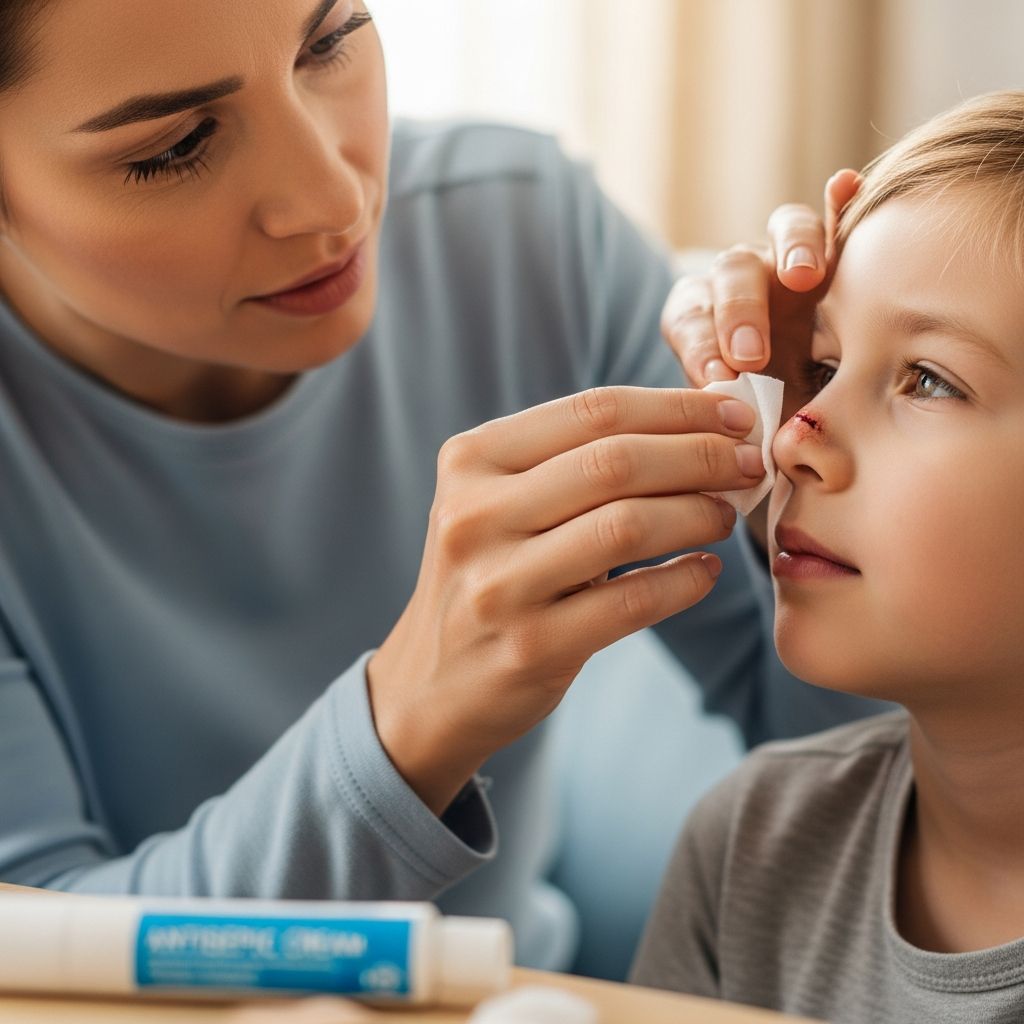
A cut, scrape, or open wound on a child’s nose can look dramatic and bleed a lot, but many injuries can be safely managed at home with calm, careful first aid. Some wounds, however, need prompt medical attention to protect breathing, prevent infection, and reduce scarring.
This guide explains what parents need to know about nose wounds: how to react in the first minutes, how to clean and protect the area, warning signs of more serious injury, and how to help the wound heal well.
Understanding Nose Wounds in Children
The nose is made of skin, soft tissue, cartilage, and bone, and it has a rich blood supply. That is why even a small cut can bleed heavily and look frightening.
Common ways nose wounds happen
- Falls from bikes, scooters, or playground equipment
- Sports injuries (balls, elbows, or collisions)
- Rough play with siblings or friends
- Accidental hits from doors, furniture, or toys
- Scratching or picking at the nose
- Animal bites or scratches around the face
Types of nose injuries you may see
| Type of injury | What it looks like | Typical concern |
|---|---|---|
| Superficial scrape (abrasion) | Red, raw, shallow surface injury; may ooze a little blood | Stinging pain, risk of infection if not cleaned |
| Small cut (laceration) | Clear break in the skin, edges close together | Bleeding, potential for small scar |
| Deep or gaping cut | Wound edges spread apart; may expose deeper tissue | Higher infection and scarring risk; often needs stitches or skin glue |
| Puncture wound | Small, deep hole (e.g., from a sharp object or animal tooth) | Infection risk, may need tetanus update and antibiotics |
| Contusion (bruise) | Swelling, discoloration (blue/purple) without open skin | Pain and swelling; monitor for nasal fracture or septal hematoma |
Stay Calm: First Moments After a Nose Wound
Children often become more upset when they see blood or when adults panic. Your first job is to create a sense of safety.
- Reassure your child in a steady voice (“I’m here, we can take care of this”).
- Have them sit up or slightly lean forward to reduce swelling and help blood flow downward, not into the throat.
- Check for other injuries, especially to the eyes, mouth, or head.
Step-by-Step First Aid for Minor Nose Wounds
For small cuts, scrapes, or mild injuries where your child is awake, breathing normally, and not severely bleeding, you can usually begin care at home.
1. Control the bleeding
- Wash or sanitize your hands if possible.
- Place a clean cloth or gauze gently over the wound.
- Apply firm, steady pressure for 10–15 minutes without lifting the cloth to “check” the cut.
- If blood soaks through, add more cloths on top; do not remove the original pad.
If there is also a nosebleed from inside the nostrils, gently pinch the soft part of the nose and have the child lean slightly forward while breathing through the mouth, usually for about 10 minutes.
2. Gently clean the area
Once bleeding has slowed or stopped:
- Rinse the skin around the wound with lukewarm running water for several minutes.
- Use mild soap on the surrounding skin, but avoid scrubbing directly inside the open wound.
- Carefully remove visible dirt or small particles with clean fingers or tweezers that have been cleaned with soap and water or alcohol.
- Do not blow on the wound or let your child blow on it; this can introduce germs.
3. Protect the skin
- After cleaning, pat dry with a clean towel or gauze.
- Apply a thin layer of over-the-counter antibiotic ointment or petroleum jelly unless your child has a known allergy.
- Cover with a small adhesive bandage or sterile gauze if the area continues to ooze or rubs against masks, glasses, or clothing.
- Change the bandage at least once daily or whenever it becomes wet or dirty.
4. Reduce pain and swelling
- Place a cold pack or bag of ice wrapped in a thin cloth on the nose for 10–15 minutes at a time, every 1–2 hours during the first day for bruising or swelling.
- Never put ice directly on the skin to avoid frostbite.
- For pain, a doctor-approved dose of acetaminophen or ibuprofen can help; always follow dosing instructions and avoid aspirin in children.
When a Nose Wound Needs Medical Care
Some injuries go beyond basic home care. Prompt evaluation can protect your child’s breathing, their nasal structure, and their long-term appearance.
Call your child’s doctor or seek urgent care if:
- Bleeding does not slow after 10–15 minutes of firm pressure, or restarts repeatedly.
- The wound is deep, gaping, or longer than about 1.3 cm (½ inch).
- Edges of the cut will not stay together or you can see fat, cartilage, or bone.
- The injury came from a human or animal bite or a dirty or rusty object.
- Your child has not had a tetanus booster in the last 5–10 years, or you are unsure of their vaccination status.
- There is severe swelling, obvious deformity, or a crooked appearance of the nose that was not present before.
- Your child has trouble breathing through one or both nostrils.
- You notice persistent blockage with pain and swelling along the center of the nose, which can suggest a nasal septal hematoma (a blood collection that needs urgent drainage).
- The wound shows signs of infection: increased redness, warmth, swelling, pus, or fever.
- Your child seems unusually drowsy, confused, or vomits after a head or face injury.
Possible treatments a doctor may use
Depending on the type and severity of the nose wound, a healthcare professional may recommend:
- Stitches (sutures) to close deeper or gaping cuts and improve healing and appearance.
- Skin glue or adhesive strips for some small, straight wounds with well-aligned edges.
- Careful cleaning and removal of debris under bright light or sometimes local anesthesia.
- Antibiotics if the wound is dirty, was caused by a bite, or shows early signs of infection.
- Tetanus shot if vaccinations are not up to date.
- Imaging or specialist referral (for example, to an ENT or plastic surgeon) if there is suspicion of nasal fracture or cartilage injury.
Caring for the Wound at Home After Medical Treatment
If your child’s wound has been treated by a healthcare professional, follow the specific instructions you were given. General home-care tips often include:
- Keep stitches or skin glue clean and dry for the first 24 hours, or as instructed.
- Clean gently with mild soap and water after the first day, unless told otherwise.
- Apply ointment as directed to keep the area slightly moist and prevent sticking to bandages.
- Discourage your child from picking at scabs, scratching, or removing stitches or strips.
- Protect the nose from bumps during sports or rough play until cleared by the doctor.
Recognizing Infection and Other Complications
Even with good care, complications can develop. Early recognition helps prevent more serious problems.
Warning signs of infection
- Increasing redness spreading away from the wound edges
- Swelling that worsens instead of improves
- Warmth, throbbing pain, or tenderness around the wound
- Yellow or green discharge, or bad smell from the wound
- Fever or your child appearing unusually ill or tired
Nasal infections can sometimes lead to abscesses (pockets of pus) that need draining and antibiotics. Contact your child’s doctor promptly if you see these signs.
Long-term concerns: scarring and nose shape
- Facial wounds often heal well in children, but deeper cuts may leave a small scar.
- Keeping the wound clean, slightly moist (not dry and crusted), and protected from the sun can improve cosmetic outcomes.
- For several months after healing, use a child-safe sunscreen or physical barrier (like a hat) on the area when outdoors.
- If you notice thick, raised, or widening scars, ask your child’s doctor if a dermatologist or plastic surgeon should evaluate the area.
Helping Your Child Cope Emotionally
A nose wound can be upsetting, especially if there is visible blood or if your child is worried about how they look. You can support them by:
- Explaining, in simple language, what you are doing and why.
- Allowing them to hold a stuffed toy, watch a video, or use breathing exercises while you clean the wound.
- Praising their bravery and cooperation during treatment.
- Reassuring them that noses often heal well and any redness usually fades with time.
Preventing Future Nose Injuries
No family can prevent every accident, but a few practical steps can lower the risk of nose wounds.
Safety tips at home
- Teach children not to run with objects in their hands, especially hard or pointed toys.
- Keep furniture edges and sharp corners padded in play areas when possible.
- Discourage nose picking and insertion of foreign objects (pencils, cotton swabs, toys) into the nostrils.
- Use child gates on stairs and ensure good lighting in hallways.
Safety during sports and play
- Ensure children wear appropriate helmets and face guards for sports with risk of facial impact (for example, baseball, hockey, or certain contact sports).
- Encourage following rules of fair play and using age-appropriate equipment.
- Model safe behavior, such as wearing protective gear yourself when biking or skating.
Frequently Asked Questions (FAQs)
How do I know if my child’s nose is broken?
Signs of a possible nasal fracture include significant swelling, persistent pain, a visibly crooked nose compared to before the injury, difficulty breathing through one or both nostrils, or a crunching sensation when touching the bridge. Any of these signs should be evaluated by a doctor, who may refer you to an ear, nose, and throat (ENT) specialist.
Is every face or nose wound an emergency?
No. Many small scrapes and minor cuts can be handled safely at home with the steps above. However, wounds that are deep, gaping, heavily bleeding, or associated with facial deformity, breathing problems, or eye injury need prompt medical attention.
How long will it take my child’s nose wound to heal?
Superficial scrapes may start to look much better within a few days, while deeper cuts can take 1–2 weeks for the skin to close. The color of the scar can continue to change and fade for several months. Protecting the area from sun and following your doctor’s wound-care instructions helps support good healing.
Can my child shower or swim with a nose wound?
Quick showers are usually fine after the first day, as long as you gently pat the area dry and follow any care instructions from your doctor. Swimming in pools, lakes, or oceans may increase infection risk for open wounds and is often discouraged until the wound has closed and stitches (if any) are removed; ask your child’s healthcare provider for specific guidance.
Should I use hydrogen peroxide or alcohol to clean the wound?
For everyday care, most pediatric and surgical guidelines recommend gentle washing with soap and water rather than frequent use of hydrogen peroxide or alcohol, which can irritate healthy tissue and potentially slow healing. If your doctor suggests a specific cleaning solution, follow their advice.
References
- Cuts and Wounds of the Nose — UR Medicine Health Encyclopedia, University of Rochester Medical Center. 2022-05-01. https://www.urmc.rochester.edu/encyclopedia/content.aspx?contenttypeid=90&contentid=P02804
- Nose Injury — Children’s Hospital Colorado. 2023-03-15. https://www.childrenscolorado.org/conditions-and-advice/conditions-and-symptoms/symptoms/nose-injury/
- Cuts and Wounds of the Nose — Children’s Hospital of Philadelphia. 2021-11-10. https://www.chop.edu/conditions-diseases/cuts-and-wounds-nose
- Nasal Abscess in Children: Care Instructions — MyHealth Alberta. 2022-08-05. https://myhealth.alberta.ca/Health/aftercareinformation/pages/conditions.aspx?hwid=zb1390
- Cuts and Wounds of the Face — Stanford Medicine Children’s Health. 2021-09-30. https://www.stanfordchildrens.org/en/topic/default?id=cuts-and-wounds-of-the-face-90-P02803
- Facial Cuts and Wounds — Boston Children’s Hospital. 2020-12-01. https://www.childrenshospital.org/conditions/facial-cuts-and-wounds