Head injuries are common among children due to their active lifestyles, but understanding how to respond can prevent complications. This guide covers everything parents need to know about spotting issues, providing care, and ensuring recovery.
Common Causes of Head Trauma in Young Ones
Children frequently experience head bumps from falls during play, sports mishaps, or everyday accidents like tumbling from furniture. Toddlers might hit their heads while learning to walk, while older kids risk impacts in bike rides or roughhousing. Vehicle accidents or high-speed collisions represent more severe risks. Recognizing these triggers helps in proactive prevention.
Spotting the Warning Signs: Mild vs. Serious
After any head bump, observe your child closely. Mild symptoms often resolve quickly, but severe ones demand immediate action.
- Mild indicators: Headache, slight dizziness, nausea, sensitivity to light or sound, mild confusion, or balance issues.
- Serious red flags: Repeated vomiting, severe headache, slurred speech, unequal pupils, seizures, loss of consciousness, or weakness in limbs.
Infants show subtler cues like excessive crying, refusal to eat, or unusual drowsiness. Track changes over hours, as symptoms can worsen delayed.
Symptom Timeline Table
| Symptom Type | Mild (Watch at Home) | Severe (Seek ER) |
|---|---|---|
| Headache | Mild, improves with rest | Severe, worsening |
| Vomiting | Once or twice | Multiple times |
| Behavior | Irritable but alert | Confused, hard to wake |
| Vision/Balance | Brief blurred vision | Persistent dizziness, unsteady gait |
This table summarizes key differences for quick reference during monitoring.
Immediate First Aid Steps for Parents
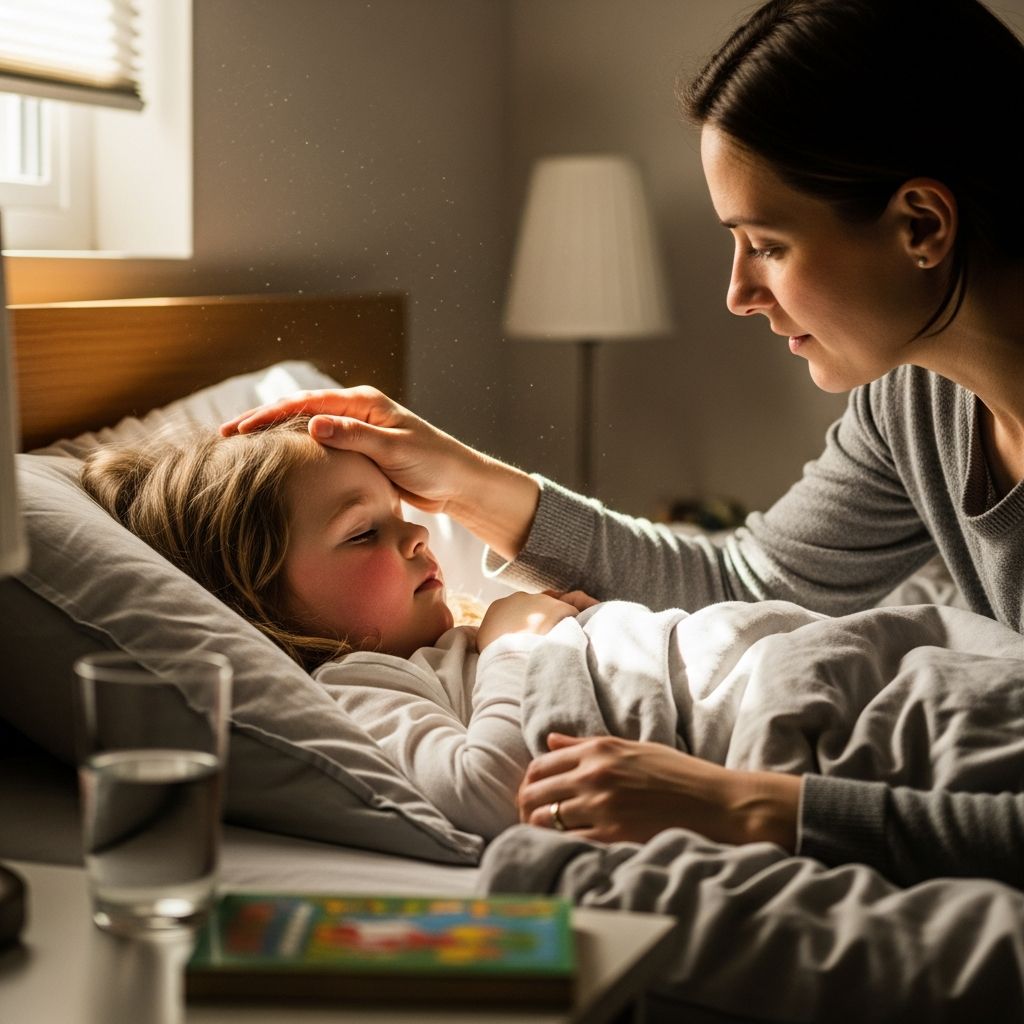
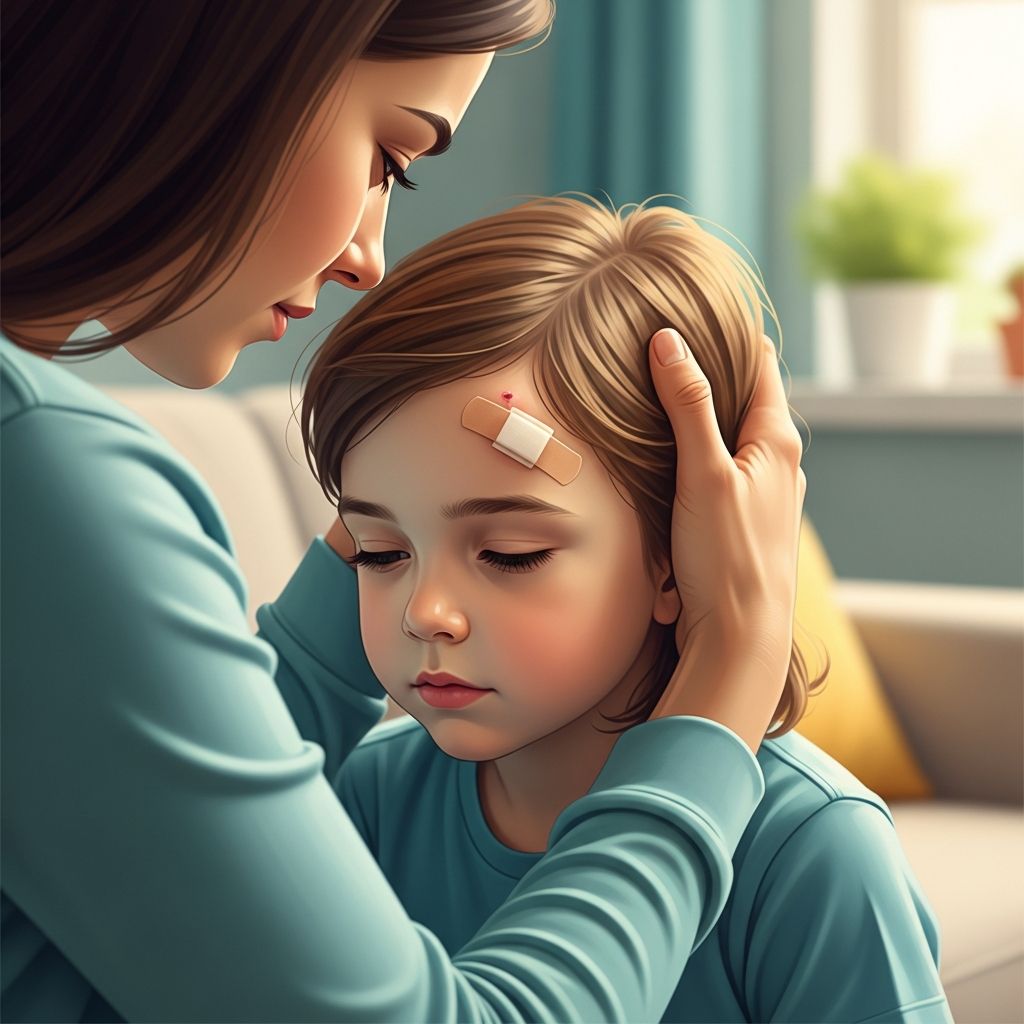
Stay calm and act swiftly. Have your child lie down in a quiet, dimly lit room to minimize stimulation. Apply a cold pack wrapped in cloth to swelling for 20 minutes, repeating hourly as needed to reduce lumps and pain. Offer clear fluids first to prevent vomiting risks, then progress to normal diet after two hours if stable. Use acetaminophen or ibuprofen for pain, but avoid aspirin due to bleeding risks.
Monitor closely for the first two hours: check alertness by waking if asleep, ensuring they recognize you and respond normally. Most mild cases clear within 24 hours, with scalp tenderness lasting up to three days.
When to Rush to the Emergency Room
Not all bumps require a doctor, but err on caution. Go to ER immediately if:
- Loss of consciousness, even briefly.
- Vomiting more than twice.
- Seizures, neck pain, or fluid from nose/ears.
- High-impact causes like car crashes.
- Child under 2 with any concerning symptom, or behavioral changes in toddlers like altered sleep or irritability.
Call your pediatrician for moderate worries like persistent headache beyond 24 hours or memory issues.
Medical Interventions for Moderate to Severe Cases
Hospital care may involve observation, imaging like CT scans, or stitches for cuts. Severe injuries risk brain swelling, monitored via intracranial pressure (ICP) devices in ICU. Treatments include sedation, ventilators, surgery, or referrals to brain injury specialists. Long-term rehab might address muscle, speech, or cognitive deficits.
Recovery Roadmap: Rest and Gradual Return
Concussion recovery emphasizes “brain rest” alongside physical rest. Limit screens, reading, and intense thinking for 24-48 hours initially. Encourage light walks if symptoms allow, maintaining sleep routines and hydration. Gradually reintroduce schoolwork and sports, stepping back if headaches recur.
Most kids recover in days to weeks, but persistent symptoms beyond four weeks warrant specialist input, possibly addressing neck strain or stress. Watch for emotional shifts like anxiety during healing.
Sample Recovery Phases
- Days 1-2: Complete rest, minimal stimulation.
- Days 3-7: Light activity, short school sessions.
- Week 2+: Full return if symptom-free, supervised sports.
Tailor to age: babies need calm environments sans noisy toys.
Long-Term Outlook and Potential Complications
While most head injuries heal fully, severe ones can lead to ongoing issues like learning difficulties, emotional changes, or physical limitations requiring lifelong therapy. Early intervention improves outcomes. Track developmental milestones post-injury.
Prevention Strategies to Safeguard Your Child
Proactive steps reduce risks:
- Use helmets for biking, skating, sports.
- Supervise toddlers near stairs, furniture.
- Install safety gates, corner guards.
- Teach safe play rules, car seat compliance.
- Ensure safe sports environments with coaches trained in concussion protocols.
Educate on no “second impact” during recovery to avoid worse damage.
Special Considerations for Infants and Toddlers
Little ones can’t verbalize symptoms, so note crying patterns, feeding refusal, or lethargy. Avoid bright lights/toys; prioritize hydration and quiet. Seek eval promptly for any fall.
Frequently Asked Questions (FAQs)
Can my child sleep after a head bump?
Yes, allow sleep but wake after 2 hours initially to check alertness. Normal routines thereafter unless doctor advises.
How long do symptoms last?
Mild cases: 24 hours to a week. Persistent beyond weeks needs medical review.
Is it okay to give pain meds?
Acetaminophen or ibuprofen after 2 vomit-free hours; no aspirin.
What if symptoms return during activity?
Step back to prior rest level, retry in 24 hours.
Does every bump need a doctor visit?
No, but monitor closely; ER for red flags.
This FAQ section addresses common parental concerns for quick access.
References
- Head Injury in Children — University of Rochester Medical Center. Accessed 2026. https://www.urmc.rochester.edu/encyclopedia/content?ContentTypeID=90&ContentID=P02604
- Treating Pediatric Head Injuries — St. Louis Children’s Hospital. Accessed 2026. https://www.stlouischildrens.org/health-resources/symptom-checker/head-injury
- A Guide to Pediatric Head Injuries — Children’s Hospital Colorado. Accessed 2026. https://www.childrenscolorado.org/just-ask-childrens/articles/head-injuries/
- What to do After a Concussion — Centers for Disease Control and Prevention (CDC). Accessed 2026. https://www.cdc.gov/heads-up/guidelines/recovery-from-concussion.html
- Concussion in Toddlers & Babies: Symptoms & Treatment — Lurie Children’s Hospital. Accessed 2026. https://www.luriechildrens.org/en/blog/concussion-prevention-recognition-in-little-ones/
- Head injury – general advice — Royal Children’s Hospital Melbourne. Accessed 2026. https://www.rch.org.au/kidsinfo/fact_sheets/head_injury/
- Head Injury: Types, Symptoms, Causes & Treatments — Cleveland Clinic. Accessed 2026. https://my.clevelandclinic.org/health/diseases/head-injury