Monitoring what children with diabetes eat is a cornerstone of effective management, helping parents and caregivers maintain stable blood sugar levels while promoting overall health and growth. By keeping detailed records of meals and snacks, families can identify patterns, adjust insulin doses, and make informed nutritional choices that align with pediatric guidelines.
Why Food Monitoring Matters in Pediatric Diabetes
Children with type 1 diabetes require precise attention to their diet because food directly influences blood glucose. Carbohydrates, in particular, break down into glucose, raising blood sugar levels that insulin must counteract. Without tracking, unexpected spikes or drops can occur, leading to complications. Regular monitoring empowers families to balance food, activity, and medication for optimal control.
Health experts emphasize that kids with diabetes should follow nutrient-rich diets similar to their peers, focusing on vitamins, minerals, and balanced macronutrients. This approach supports growth without restrictive rules, but with awareness of portion sizes and carb content. Food diaries reveal how specific foods affect individual responses, enabling personalized adjustments.
Understanding Carbohydrates: The Key to Blood Sugar Control
Carbohydrates are the primary energy source for active children, but they impact blood sugar most significantly. The body converts carbs into glucose rapidly, necessitating careful counting—especially for those on mealtime insulin. About half of daily calories should come from carbs, distributed across meals and snacks to prevent highs or lows.
Not all carbs are equal. Complex carbs in whole grains, fruits, and vegetables provide fiber, which slows sugar absorption and stabilizes levels. Simple carbs in sweets or processed foods cause quick rises. Parents should teach kids to spot carbs on labels: breads, pasta, fruits, milk, and sugary items all count.
- Starchy vegetables like potatoes and corn contribute moderate carbs.
- Non-starchy options such as leafy greens and broccoli add nutrition with minimal impact.
- Fruits offer natural sugars paired with fiber for steady energy.
- Grains: Opt for whole wheat over refined for better control.
Building Balanced Plates for Daily Nutrition
A well-rounded meal combines carbs, proteins, and fats to slow digestion, promote satiety, and provide essential nutrients. Pairing carbs with protein (like eggs or lean meat) and healthy fats (nuts or avocado) prevents rapid blood sugar surges. This strategy mimics natural eating patterns, making management sustainable.
Include low-fat dairy for calcium, vital for growing bones. Cheese often has negligible carbs, while milk counts fully. Vegetables should feature prominently—fresh, frozen, or canned (rinsed to reduce sodium)—for vitamins without excess carbs.
| Food Group | Examples | Carb Impact | Benefits |
|---|---|---|---|
| Proteins | Chicken, fish, eggs, beans | Low | Builds muscle, stabilizes sugar |
| Healthy Fats | Nuts, seeds, olive oil | None | Sustained energy, fullness |
| Whole Grains | Oatmeal, brown rice, whole bread | Moderate | Fiber for steady release |
| Vegetables | Broccoli, carrots, spinach | Low | Vitamins, minimal carbs |
| Fruits | Apples, berries, with nut butter | Moderate | Natural sweetness, antioxidants |
Fiber intake should increase daily for better control and digestion. Aim for whole foods over processed ones to maximize health benefits.
How to Start a Family Food Diary
A food diary is a simple tool: record meals, snacks, carb estimates, timings, and pre/post blood sugar readings over 3 days. This snapshot helps dietitians refine plans. Note portions accurately—use measuring tools initially—and include activities or insulin doses for context.
Digital apps simplify tracking with carb databases, label scanners, and graphs. Involve kids by letting them log favorites, fostering ownership. Share logs with healthcare teams to spot trends, like post-snack lows.
- Choose a format: notebook, app, or printable sheet.
- Log time, food/drink details, carb grams, and sugar levels.
- Review weekly for patterns and adjustments.
- Update as habits change, like growth spurts.
Practical Tips for Everyday Meal Planning
Consistency aids control: eat similar carb amounts at set times, avoiding skips that lead to overeating. Even for weight management, reduce portions, not meals. Experiment with kid-friendly combos like yogurt with berries or veggie sticks in hummus.
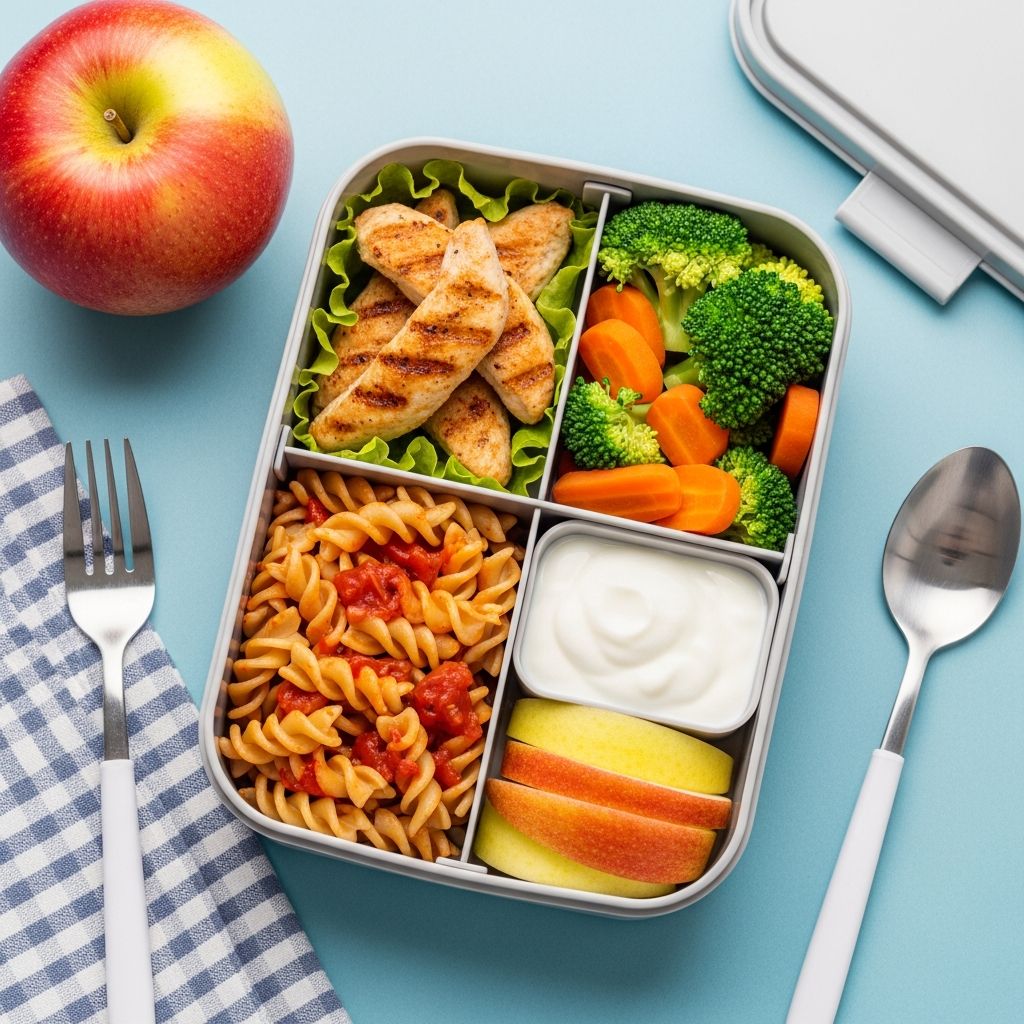
School challenges require preparation: pack balanced lunches, inform teachers about snacks, and provide carb lists. Treats fit occasionally if counted—pair with protein to blunt spikes.
- Read labels: Total carbs per serving matter most.
- Use apps for recipes and unknowns.
- Involve kids in shopping and cooking.
- Stock healthy snacks: cheese crackers, nut butter fruits.
Sample Daily Meal Ideas for Children
Here’s a balanced day totaling moderate carbs, adaptable by age/activity:
- Breakfast: Oatmeal with milk, nuts, and apple slices (45g carbs).
- Snack: Greek yogurt with berries (15g carbs).
- Lunch: Turkey on whole wheat, salad, carrots (50g carbs).
- Afternoon Snack: Cheese stick and whole grain crackers (20g carbs).
- Dinner: Grilled fish, quinoa, broccoli (50g carbs).
- Evening Snack: Peanut butter celery (15g carbs).
Total ~195g carbs, spread evenly. Adjust via dietitian input.
Common Challenges and Solutions
Picky eaters? Hide veggies in smoothies or sauces. Busy schedules? Prep grab-and-go options. Outings? Pack measured snacks. Track everything to troubleshoot hypoglycemia from activity or hyperglycemia from hidden sugars.
Long-term, diaries build habits, reducing A1C and supporting development. Collaborate with pediatric endocrinologists for tailored advice.
Frequently Asked Questions (FAQs)
What should I include in a child’s diabetes food diary?
Record time, foods with portions, carb counts, blood sugar before/after, insulin, and activity. This provides a full picture for healthcare reviews.
How many carbs does a child with diabetes need daily?
It varies by age, size, and activity; about half of calories from carbs, planned with a dietitian. Distribute across meals/snacks.
Can kids with diabetes eat sweets?
Yes, in moderation as part of carb totals, preferably paired with protein/fat to minimize spikes.
Why pair carbs with protein and fat?
This slows digestion, preventing rapid blood sugar rises and promoting steady energy.
How often should we review the food diary?
Share 3-day logs initially, then weekly or as needed for adjustments.
References
- Best Diet for a Child with Type 1 Diabetes — Children’s Health. 2023. https://www.childrens.com/health-wellness/what-is-the-best-diet-for-a-child-with-type-1-diabetes
- Meal Planning for Children with Diabetes — Nationwide Children’s Hospital. 2024-01-15. https://www.nationwidechildrens.org/conditions/health-library/meal-planning-for-children-with-diabetes
- Eating Smart When Your Child Has Diabetes — Children’s Dayton. 2023. https://childrensdayton.org/kidshealth/meal-plans-diabetes/
- Nutrition and Meal Planning — Dartmouth Health Children’s. 2024. https://childrens.dartmouth-health.org/diabetes-education/nutrition-and-meal-planning
- Healthy Eating for Kids With Diabetes — KidsHealth. 2023-06-01. https://kidshealth.org/en/kids/meal-plans-diabetes.html
- Type 1 Diabetes Meal Planning for Children — NovoCare Diabetes Education. 2024. https://diabeteseducation.novocare.com/healthy-eating/what-can-my-child-eat.html