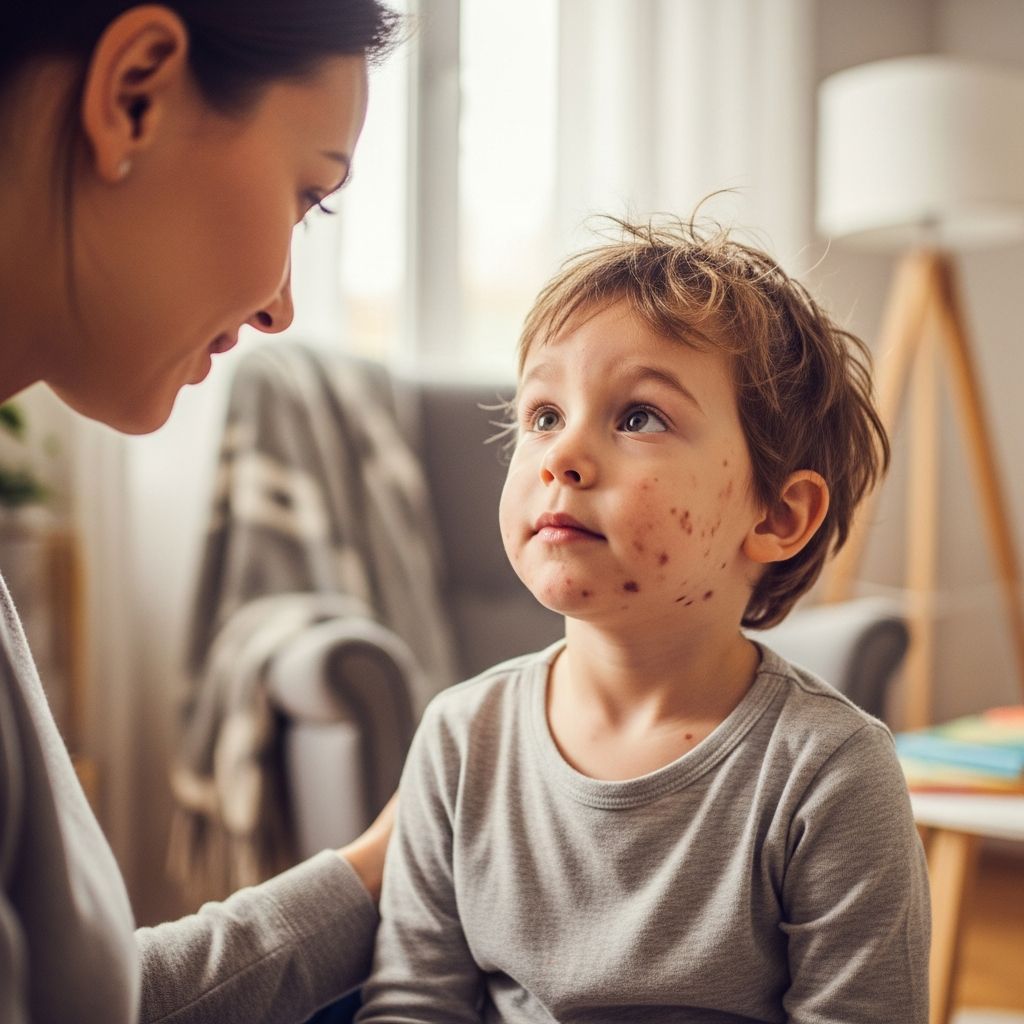
Chickenpox, also known as varicella, is a common childhood infection that usually causes an itchy rash and mild flu-like symptoms, but it can occasionally lead to serious complications. This guide explains what parents need to know, from the first signs of illness to prevention through vaccination.
What Is Chickenpox?
Chickenpox is an infection caused by the varicella-zoster virus, a highly contagious virus in the herpesvirus family. Once someone has had chickenpox, the virus can remain inactive in nerves and may later reactivate as shingles in adulthood.
The infection spreads easily in households, schools, and childcare settings, especially among children who have not received the chickenpox vaccine or have never had the illness before.
How Children Catch Chickenpox
Most children get chickenpox through close contact with someone who is already infected. The virus travels in tiny droplets from the nose and mouth when a sick person coughs, sneezes, or talks, and it can also spread through direct contact with fluid from the blisters.
A child with chickenpox is usually contagious from about one to two days before the rash appears until every blister has dried and formed a crust, which often takes about a week.
Common Situations Where Exposure Occurs
- Sharing a bedroom, toys, or eating utensils with an infected sibling or friend.
- Attending daycare or school where another child develops the rash.
- Visiting relatives who are in the contagious phase of the illness.
Early Signs Before the Rash
The first day or two of chickenpox can look like many other mild viral illnesses. Children often feel generally unwell before the rash is noticeable, which can make early recognition tricky.
Typical early symptoms may include:
- Mild to moderate fever.
- Headache or irritability.
- Tiredness and low energy.
- Loss of appetite or picky eating.
- Complaints of feeling “achy” or having a sore throat.
The Chickenpox Rash: What to Expect
The rash is the most recognizable feature of chickenpox. It usually appears on the chest, back, or face first and then spreads to the scalp, arms, legs, and sometimes inside the mouth or on the genitals.
Stages of the Rash
Individual spots change over time. On any given day, your child may have several different types of lesions at once.
- Flat red spots: Small, pink or red spots appear on the skin.
- Raised bumps: The spots swell and form small, raised bumps.
- Fluid-filled blisters: Clear, itchy blisters form on top of the bumps.
- Crusting and scabbing: The blisters break, dry out, and form scabs that eventually fall off.
New spots may continue to appear for several days, so you may notice fresh blisters forming while older ones are already scabbing over.
Typical Timeline at a Glance
| Illness Day* | What Parents Commonly Notice |
|---|---|
| Days 1–2 | Fever, fussiness, tiredness, and vague complaints (no rash yet or only a few faint spots). |
| Days 3–5 | Classic itchy blisters appear and spread across the body; fever may continue. |
| Days 6–8 | Most blisters crust over; fewer new spots appear; itching may still be bothersome. |
| Days 9–14 | Scabs dry and fall off, leaving temporary marks that gradually fade. |
*Exact timing varies from child to child.
How Chickenpox Usually Feels for a Child
For most healthy children, chickenpox is uncomfortable but not dangerous. The strongest complaints are usually intense itching and feeling generally unwell for a few days.
Some children have only a handful of spots and a low fever, while others may be covered in hundreds of lesions and feel quite miserable until the rash begins to heal.
Home Care: Keeping Your Child Comfortable
There is no quick cure for chickenpox; the body needs time to fight off the virus. Home care focuses on easing symptoms and preventing complications like skin infections and dehydration.
Relieving Itching Safely
- Offer cool or lukewarm baths to soothe irritated skin. Some parents find that adding finely ground oatmeal or baking soda to the bathwater provides extra relief.
- Use gentle, unperfumed soaps and pat the skin dry rather than rubbing it.
- Apply a soothing, over-the-counter anti-itch lotion recommended by your child’s healthcare professional.
- Dress your child in loose, soft cotton clothing to reduce friction on the rash.
- Keep fingernails trimmed short and consider cotton mittens or socks on hands for young children who tend to scratch in their sleep.
Managing Fever and Discomfort
- Use a fever-reducing medicine that is appropriate for your child’s age and recommended by a healthcare provider.
- Avoid giving aspirin to children or teenagers with chickenpox due to the risk of a rare but serious condition called Reye’s syndrome.
- Encourage quiet play, rest, and naps as needed so the body can heal.
Helping Your Child Stay Hydrated and Nourished
- Offer water frequently, along with oral rehydration solutions, breast milk, or formula for younger children.
- Provide soft, bland foods like yogurt, applesauce, or soups if there are painful sores in the mouth.
- Avoid salty, acidic, or spicy foods that can sting mouth lesions.
When to Call the Doctor
Most children can be cared for at home, but certain warning signs mean that medical attention is needed. Trust your instincts as a parent; if your child seems much sicker than expected or you feel uneasy, reach out to a healthcare professional.
Urgent Symptoms to Watch For
- Breathing difficulties, fast breathing, or chest pain.
- Persistent high fever or fever that returns after going away.
- Severe headache, stiff neck, confusion, or unusual drowsiness.
- Rash that becomes very red, warm, or tender, or that oozes yellowish fluid (signs of a skin infection).
- Difficulty walking, weakness in the arms or legs, or loss of balance.
- Signs of dehydration, such as very dry mouth, no tears when crying, or much less urine than usual.
Children at Higher Risk for Complications
Some children are more likely to develop severe illness from chickenpox and should be monitored closely and seen by a healthcare professional early in the course of disease.
- Newborns whose mothers have never had chickenpox or the chickenpox vaccine.
- Children with weakened immune systems due to medicines, cancer treatment, or chronic illnesses.
- Children with chronic lung or skin conditions, such as severe asthma or eczema.
- Unvaccinated teenagers, who often experience more intense symptoms than young children.
Possible Complications of Chickenpox
Although most children recover fully without any lasting problems, chickenpox can occasionally affect the lungs, brain, or other organs. These complications are more common in infants, teenagers, adults, and people with weakened immune systems.
Examples of Complications
- Skin infections: Scratching can introduce bacteria into the skin, leading to redness, swelling, or pus.
- Pneumonia: Infection can spread to the lungs, causing cough, rapid breathing, and difficulty breathing.
- Neurological problems: In rare cases, chickenpox triggers inflammation of the brain or problems with coordination.
- Dehydration: Fever, poor intake, and vomiting can lead to a dangerous loss of fluids.
Treatment Options and Antiviral Medicines
Healthy children with mild chickenpox often do not need prescription medicine; supportive care at home is usually enough. However, antiviral medicines may be considered for certain higher-risk children or for older individuals who are more likely to experience severe illness.
These antiviral drugs work best when started early, typically within the first day of the rash, and must be prescribed by a healthcare professional who can weigh the benefits and risks.
Who Might Be Offered Antivirals?
- Unvaccinated teenagers or adults with newly developing chickenpox.
- Children with chronic lung, skin, or other medical conditions.
- Children taking medicines that affect the immune system.
- Pregnant individuals or newborns exposed to chickenpox may require special evaluation and treatment plans.
Preventing Chickenpox: The Power of Vaccination
The most effective way to prevent chickenpox or reduce its severity is through vaccination. The chickenpox vaccine contains a weakened form of the virus that helps the immune system learn to fight it without causing full-blown disease.
Children who receive the recommended doses of the vaccine are much less likely to get chickenpox, and if they do, the illness is usually milder, with fewer spots, lower fever, and faster recovery.
Key Benefits of the Chickenpox Vaccine
- Lowers the chance of getting chickenpox at all.
- Reduces the risk of severe disease, hospitalization, and complications.
- Helps protect vulnerable people who cannot be vaccinated by reducing spread in the community.
Chickenpox, Shingles, and Long-Term Effects
After a child recovers from chickenpox, the virus does not completely leave the body. Instead, it can remain dormant in nerve cells for many years and may reactivate later in life as shingles, a painful, localized rash.
Vaccination against chickenpox may lower the chance of shingles later on, and adults can also receive separate vaccines designed specifically to reduce the risk and severity of shingles.
Keeping Other Family Members Safe
When one child in the household has chickenpox and others are not immune, it can be challenging to prevent spread entirely, but careful hygiene can sometimes limit transmission. Limiting close contact during the most contagious phase is especially helpful for family members at high risk of complications.
Practical Steps at Home
- Encourage everyone to wash hands frequently with soap and water.
- Teach children to cough or sneeze into a tissue or their elbow and to discard tissues promptly.
- Avoid sharing cups, utensils, towels, and bedding with the sick child.
- Keep immunocompromised relatives or pregnant visitors away from the sick child until all blisters have crusted.
Chickenpox and School or Daycare
Most schools and childcare centers require children with chickenpox to stay home until they are no longer contagious. This helps protect classmates, teachers, and staff who might not be immune.
In many settings, children can return when all lesions have crusted over and no new spots have appeared for at least 24 hours, provided they feel well enough to take part in normal activities.
Checklist Before Sending Your Child Back
- No fever without the use of fever-reducing medication.
- All blisters have formed scabs or are clearly healing.
- Your child has enough energy to participate in school or daycare routines.
- Any special instructions from your healthcare provider or school have been followed.
Frequently Asked Questions About Chickenpox
1. Can a vaccinated child still get chickenpox?
Yes, but it is usually much milder. Vaccinated children who develop chickenpox tend to have fewer spots, lower fever, and a shorter illness than unvaccinated children.
2. Can my child get chickenpox more than once?
Most people have chickenpox only one time. A second episode is uncommon but can occur, especially if the first illness was extremely mild or if a person’s immune system becomes weakened later in life.
3. Should siblings be vaccinated after one child gets chickenpox?
Talk with your healthcare provider about vaccinating siblings who have not had chickenpox or the vaccine. Vaccination after exposure may still offer some protection or lessen the severity of illness if they become infected.
4. How can I reduce scarring from chickenpox spots?
The most important step is to prevent scratching, which damages the skin and raises the chance of permanent scars. Keeping nails short, using anti-itch treatments, and covering particularly tempting areas with soft clothing can help protect the skin while it heals.
5. Is it better for children to “catch it young” instead of vaccinating?
Deliberately exposing children to chickenpox is not recommended. While most healthy children recover, there is no way to predict who will develop serious complications, and vaccination offers a safer, more controlled way to build protection.
Key Takeaways for Parents
- Chickenpox is usually mild in healthy children but can be serious in certain groups.
- Most treatment focuses on easing itching, maintaining comfort, and preventing skin infections.
- Watch closely for warning signs such as breathing problems, high or worsening fever, or confusion, and seek medical help if they occur.
- Vaccination is the best way to prevent chickenpox and reduce the risk of complications for your child and your community.