Nebulizers are vital tools for delivering medication directly to a child’s lungs in mist form, making them ideal for young patients who struggle with inhalers. These devices help manage respiratory conditions by converting liquid medicine into an inhalable aerosol, providing quick relief from symptoms like wheezing and shortness of breath.
Understanding Nebulizer Technology for Pediatric Use
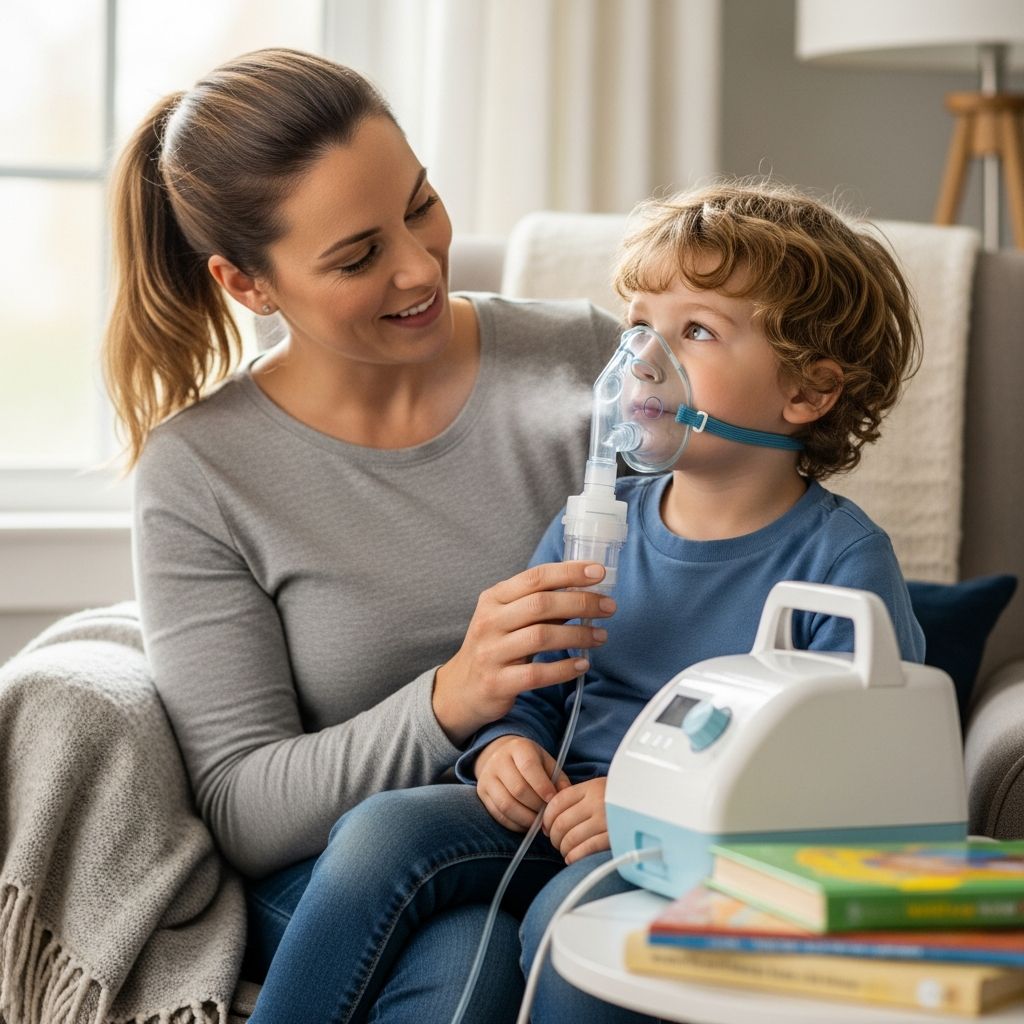
A nebulizer consists of a compressor, a medicine cup, tubing, and either a mask or mouthpiece. The compressor forces air through the liquid medication, creating a fine mist that the child inhales. This method ensures higher drug deposition in the lungs compared to oral medications, which is especially beneficial for infants and toddlers.
For children under 7 years old, masks are typically preferred over mouthpieces because they cover both nose and mouth, allowing natural breathing without coordination challenges. Treatments usually last 7 to 20 minutes, depending on the medication volume and device type.
Common Respiratory Conditions Treated with Nebulizers in Children
Nebulizers are prescribed for various pediatric respiratory issues where quick airway relief is needed. Key conditions include:
- Asthma: Opens swollen airways during flare-ups, easing breathing difficulties.
- Bronchitis: Reduces lung inflammation and mucus buildup, alleviating cough and congestion.
- Allergies: Minimizes swelling in airways triggered by severe allergic reactions.
- Pneumonia: Helps combat infection-related breathing troubles by delivering antibiotics or bronchodilators.
- Coughs from Respiratory Infections: Provides symptomatic relief, but only under pediatrician guidance.
Pediatricians often recommend nebulizers as a first-line therapy for acute issues in young children due to their ease of use and effectiveness.
Step-by-Step Guide to Setting Up and Using a Nebulizer
Proper setup ensures safe and efficient treatment. Follow these steps meticulously:
- Prepare the Area: Choose a clean, quiet space. Wash hands thoroughly.
- Assemble Components: Connect tubing to the compressor and medicine cup. Fill the cup with the exact prescribed dose of medication.
- Attach Mask or Mouthpiece: For kids, secure the child-sized mask snugly over nose and mouth. Use an adjustable band if available.
- Power On: Turn on the compressor. You should see a visible mist forming.
- Administer Treatment: Encourage slow, deep breaths. Continue until the mist stops and the cup is empty (tap sides gently if needed).
- Post-Treatment Care: Turn off device, disassemble, and clean all parts with warm soapy water. For inhaled steroids, rinse child’s mouth and wash face to prevent irritation.
| Feature | Mask | Mouthpiece |
|---|---|---|
| Best For | Infants/Toddlers (<7 years) | Older Kids (>7 years) |
| Breathing Style | Nose/Mouth, natural | Mouth only, sealed lips |
| Session Time | 10-20 min | 10-15 min |
| Comfort Tips | Snug fit, distractions | Tongue down, deep breaths |
Strategies to Encourage Child Cooperation During Treatments
Children may resist nebulizers due to the unfamiliar mist or noise. Turn sessions positive with these proven techniques:
- Explain simply: “This magic mist helps your lungs feel strong like a superhero.” Demonstrate on a toy first.
- Use distractions: Read books, watch short videos, or play calm music. Sit upright together for better aerosol delivery.
- Make it routine: Schedule at consistent times, like bedtime, and offer praise or small rewards post-treatment.
- Position comfortably: Upright sitting maximizes lung penetration; avoid lying down.
- Shorten first tries: If upset, do 2-3 minutes and retry later to build tolerance.
Relaxation is key—tense breathing reduces effectiveness. Practice sessions without medicine help familiarize kids.
Safety Precautions and Cleaning Protocols
Always use a pediatrician’s prescribed medication; never self-medicate. Monitor for side effects like rapid heartbeat (from bronchodilators) and contact a doctor if severe.
Cleaning prevents bacterial growth:
- Daily: Rinse parts in warm water, air dry.
- Weekly: Soak in vinegar solution (1:3 vinegar-water) for 30 minutes, then rinse.
- Replace masks/tubing monthly or as advised.
Store in a dry, dust-free area. Check peak flow before/after if monitoring asthma.
Medication Types and Treatment Schedules
Common meds include bronchodilators (e.g., albuterol for quick relief) and corticosteroids (e.g., pulmicort for inflammation). If multiple meds, administer bronchodilators first.
Dosage frequency varies: 2-4 times daily for acute issues, less for maintenance. Sessions: 5-15 minutes.
When to Seek Professional Help
Contact a pediatrician if symptoms worsen despite treatment, such as persistent cough, fever, or blue lips. Nebulizers treat symptoms but not underlying causes—combine with doctor visits.
Frequently Asked Questions (FAQs)
Can all children use nebulizers?
Yes, especially young ones unable to use inhalers, but only with a prescription.
How long do nebulizer treatments take for kids?
Typically 7-20 minutes per session.
Is cleaning the nebulizer daily necessary?
Yes, to prevent infections; follow soaking and drying routines.
What if my child refuses the mask?
Use distractions, short sessions, and positive reinforcement; consult your pediatrician for tips.
Are nebulizers safe for infants?
Yes, with proper pediatric guidance for congestion or respiratory distress.
This guide empowers parents to support their child’s respiratory health effectively. Consult healthcare providers for personalized advice.
References
- Nebulizer Treatment For Kids: Here’s Everything You Need to Know — Sun Pediatrics. 2023. https://sunpediatrics.com/nebulizer-treatment-for-kids-everything-you-need-to-know/
- Your Child’s Asthma: Using a Nebulizer — UMass Memorial Health. 2024. https://www.ummhealth.org/health-library/your-childs-asthma-using-a-nebulizer
- Using nebulizers with children — PARI. 2023. https://www.pari.com/us/inhalation-therapy/using-nebulizers-with-children/
- Your Child’s Asthma: Nebulizer Treatments — Nationwide Children’s Hospital. 2024. https://www.nationwidechildrens.org/conditions/health-library/your-childs-asthma-nebulizer-treatments
- How to Use a Nebulizer Machine with a Mask for a Child — Lurie Children’s (YouTube). 2022. https://www.youtube.com/watch?v=Ns7vZnhreYk
- Nebulizer to Help a Cough: How to Use, for Children, and Precautions — Healthline. 2024. https://www.healthline.com/health/nebulizer-for-cough