Allergies don’t have to derail your travel plans. With smart preparation, you can explore new places while keeping symptoms under control. This guide covers everything from checking environmental risks to packing life-saving meds, tailored for teens hitting the road.
Understanding Your Allergies Before You Go
Knowing exactly what triggers your allergies is the foundation of safe travel. Common culprits include pollen, dust mites, pet dander, mold, and certain foods. Teens often face seasonal spikes, like tree pollen in spring or ragweed in fall, which can vary by destination.
Start by consulting your allergist. They can confirm triggers through skin or blood tests and update your treatment plan. For instance, if you’re on immunotherapy or biologics, adjust dosing schedules to avoid gaps during trips.
- Seasonal allergens: Tree, grass, and weed pollen differ by region—southern areas may have earlier peaks.
- Indoor threats: Dust mites thrive in humid spots; pet dander lingers in non-pet-free zones.
- Food risks: Hidden ingredients in snacks or meals abroad can spark reactions.
Pro tip: Download apps tracking pollen and air quality to forecast issues days ahead.
Pre-Trip Medication Mastery
Don’t wait for symptoms—get ahead of them. Over-the-counter options like nasal corticosteroids (e.g., Flonase) work best if started 1-2 weeks before exposure. Antihistamines such as Claritin or Zyrtec tackle itching and sneezing, while eye drops like Zaditor soothe red eyes.
| Medication Type | Best For | Start Before Travel | Examples |
|---|---|---|---|
| Nasal Sprays | Runny nose, congestion | 1 week | Flonase, Rhinocort |
| Antihistamines | Sneezing, hives | As needed | Claritin, Zyrtec |
| Eye Drops | Itchy, watery eyes | As needed | Zaditor |
| Inhalers | Asthma flares | Daily + rescue | Albuterol |
For asthma-linked allergies, pack a fresh rescue inhaler and follow your action plan. If severe, carry epinephrine auto-injectors (EpiPens) everywhere—not in checked bags.
Smart Destination Research
Air quality and pollen levels shift dramatically across locations. Use tools like the EPA’s AirNow site to check forecasts. A high pollen count might mean rescheduling outdoor plans or doubling up on meds.
Peak pollen hits mid-morning to afternoon; aim for early mornings or evenings outdoors. For international trips, note differing seasons—winter here could be peak spring elsewhere.
- Check daily pollen apps for real-time data.
- Research local urgent care spots via Google Maps.
- Avoid high-risk areas if counts exceed moderate levels.
Choosing Allergy-Safe Lodging
Hotels and rentals aren’t all equal. Prioritize pet-free, smoke-free rooms with AC and air filtration. Request high floors away from pools (chlorine irritates) and sunny, dry spots to curb mold.
Bring your own defenses:
- Hypoallergenic pillow/mattress covers.
- Portable air purifier or HEPA filter fan.
- Extra sheets if carpets harbor dust.
Call ahead: “Do you offer dust mite-proof bedding?” Many chains now advertise allergy-friendly options.
On-the-Road Exposure Control
Minimize contact with triggers daily. In cars or planes, keep windows shut and AC on—it slashes pollen entry by over 90%.
Air travel dries nasal passages; combat with saline sprays to flush irritants. Wipe surfaces with sanitizing wipes to nix germs and dander.
Daily routine:
- Shower nightly to rinse pollen from hair/skin.
- Change clothes after outdoors.
- Use humidifiers sparingly—low humidity fights mites.
Food Allergy Navigation for Adventurous Eaters
Travel tempts with new cuisines, but cross-contamination lurks. Research safe spots via apps like Find Me Gluten Free or AllergyEats.
Pack safe snacks: nuts (if okay), bars, fresh fruit. For flights, notify airlines 48 hours ahead for accommodations.
Carry allergy cards: “I am allergic to [list]. No [foods].” Essential abroad where language barriers exist.
Emergency Preparedness: Be Ready for Anything
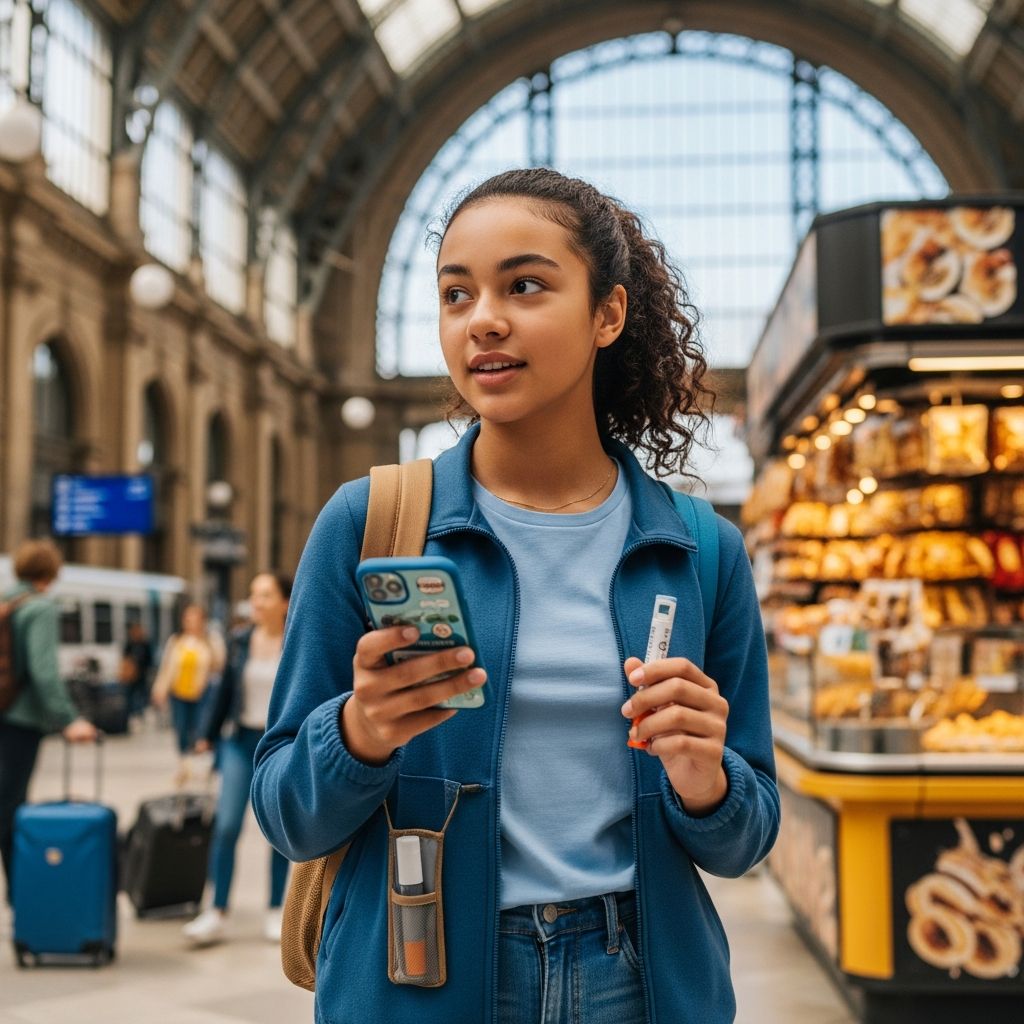
Severe reactions like anaphylaxis demand instant action. Teens: Tell friends/family your plan. Keep EpiPen in carry-on, accessible.
Signs to watch: Swelling, hives, wheezing, dizziness. Inject epinephrine first, then call emergency services. Locate nearest ER on arrival.
For asthma: Peak flow meter helps monitor. New inhaler pre-trip.
Daily Travel Checklist
- Check pollen/air quality app.
- Take preventive meds.
- Carry epinephrine + action plan.
- Wipe down airplane/hotel surfaces.
- Hydrate; avoid irritants like smoke.
- Log symptoms for allergist follow-up.
Frequently Asked Questions (FAQs)
Can I travel if I have severe allergies?
Yes, with planning. Consult your doctor, pack extras, and research triggers.
What if my meds run out abroad?
Carry copies of prescriptions and extra supply for delays. Find pharmacies via apps.
How do I handle flying with allergies?
Use saline spray, keep windows/AC on mindset, notify crew.
Is it safe to hike/camp with pollen allergies?
Check forecasts; go early/late, shower after.
What about group trips with non-allergic friends?
Share your plan upfront so they know how to help in emergencies.
Long-Term Strategies for Frequent Travelers
If you travel often, consider allergy shots or sublingual tablets for desensitization. Lifestyle tweaks like consistent meds build resilience.
Track patterns in a journal: What worsened symptoms? Adjust future plans accordingly. Visit your allergist post-trip for tweaks.
Empower yourself—millions with allergies jet-set yearly. Preparation turns potential pitfalls into minor bumps.
References
- 5 Tips to Smooth Travels When Your Child Has Seasonal Allergies — Akron Children’s Hospital. 2017-04-04. https://www.akronchildrens.org/inside/2017/04/04/5-tips-to-smooth-travels-when-your-child-has-seasonal-allergies/
- Severely Allergic Travelers | Yellow Book — Centers for Disease Control and Prevention (CDC). Accessed 2026. https://www.cdc.gov/yellow-book/hcp/travelers-with-additional-considerations/severely-allergic-travelers.html
- Spring Break Travel Tips for Kids with Allergies — Jacksonville Allergy. Accessed 2026. https://www.jaxallergy.com/spring-break-travel-tips-kids-allergies/
- Traveling with Allergies: Tips for a Safe and Enjoyable Trip — Austin Allergist. Accessed 2026. https://www.austinallergist.com/traveling-with-allergies-safe-enjoyable-tips/
- Traveling As a Teen — Food Allergy Research & Education (FARE). Accessed 2026. https://www.foodallergy.org/resources/traveling-teen
- 10 Tips for Traveling with Allergies: Prevention & Relief — Benadryl. Accessed 2026. https://www.benadryl.com/allergies/traveling-with-allergies-tips