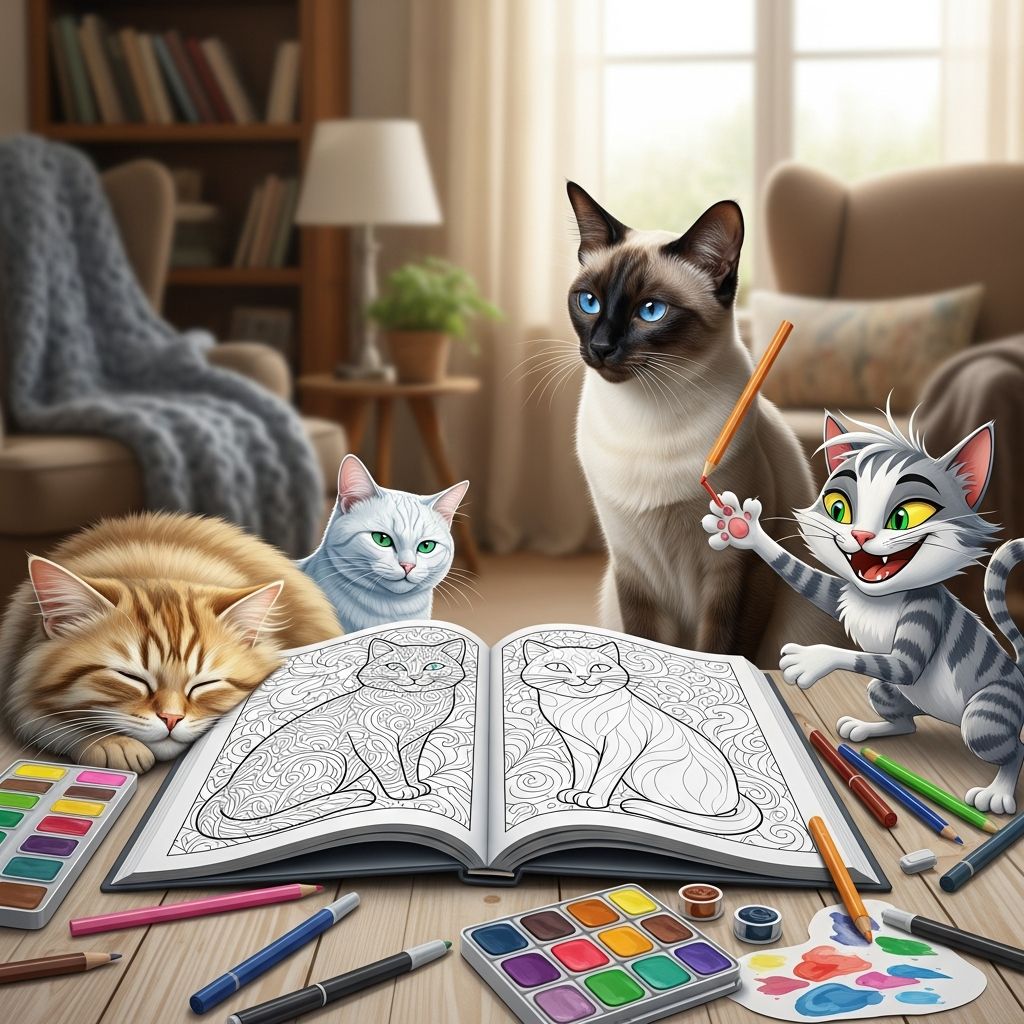
Cat coloring pages offer far more than a cute pastime. They can become tools for learning, calming emotions, and bringing families together, all while celebrating everyone’s favorite whiskered companions.
Why Cat Coloring Pages Are So Popular
Cats inspire curiosity, comfort, and humor, which makes them a natural fit for coloring activities at home, in classrooms, and even in therapy settings. Their expressive faces, elegant poses, and variety of coat patterns give artists of all ages endless possibilities.
Whether a child is just learning to hold a crayon or an adult is seeking a quiet, mindful break, feline-themed printables can meet a wide range of needs with a single simple sheet of paper.
Benefits for Kids: Learning Through Whiskers and Color
For children, cat coloring pages are more than entertainment. They support developmental milestones and make early learning more joyful and engaging.
- Fine motor skills: Coloring helps kids practice small, controlled hand movements as they fill in tiny ears, paws, and whiskers.
- Hand–eye coordination: Staying near the lines and choosing where to place each color improves visual focus and precision.
- Pre-writing practice: Holding crayons and markers while tracing fur or patterns prepares children for future handwriting.
- Color recognition: Talking about color choices (gray, orange, black, white, calico) reinforces vocabulary and observation.
- Storytelling: Cats are natural characters. Kids often invent names, personalities, and adventures as they color.
Benefits for Adults: Calm, Focus, and a Quiet Purr of Peace
Grown-ups are increasingly turning to coloring as a way to unplug from screens, slow racing thoughts, and experience calm. Cat-themed pages bring a playful twist to that soothing experience.
- Stress relief: Repetitive, gentle movements involved in coloring fur patterns or backgrounds can help ease tension.
- Mindful focus: Concentrating on one small section at a time encourages being present in the moment.
- Creative confidence: Coloring is low-pressure creativity. There is no need to “draw well” to enjoy beautiful results.
- Screen-free time: A simple coloring page offers a tactile, analog break from constant digital stimulation.
Types of Cat Coloring Pages to Try
Not all cat coloring pages are the same. Choosing the right style for the right age or goal can make the experience more enjoyable and successful.
Simple Kittens for Young Children
For toddlers and preschoolers, look for large, bold outlines and minimal detail. Big shapes are easier to color and reduce frustration for new artists.
- Smiling kittens with big heads and round paws
- Cats sitting, walking, or playing with a single toy
- Minimal background details to keep the focus on the main character
Playful Scenes for School-Age Kids
As children grow, they enjoy more complex pictures that tell a story. Pages with multiple elements encourage imagination and conversation.
- Cats in gardens, parks, or cozy bedrooms
- Seasonal scenes such as autumn leaves, winter windows, or spring flowers
- Cats interacting with other animals or family members
Detailed Cats for Teens and Adults
Older artists may prefer intricate line art that allows for shading, blending, and more advanced techniques. These pages can be as detailed as miniature posters.
- Mandala-style cats filled with repeating patterns
- Realistic cats with visible fur texture and shadows
- Stylized designs inspired by tattoo art, folk art, or fantasy themes
Educational Cat Printables
Some pages combine art with learning. These can be especially useful for homeschooling or supplemental classroom work.
- Cats labeled with body parts (tail, whiskers, paws, ears)
- Alphabet pages such as “C is for Cat” with traceable letters
- Simple math or reading prompts paired with feline illustrations
Age-Appropriate Cat Coloring at a Glance
The table below offers a quick reference for matching coloring page styles with different age groups and skill levels.
| Age Group | Ideal Page Style | Recommended Tools | Main Benefits |
|---|---|---|---|
| Toddlers (2–3) | Very simple cats, thick outlines, few details | Chunky crayons, washable markers | Grip strength, color exploration, early focus |
| Preschool (3–5) | Friendly kittens with basic props or toys | Crayons, triangle pencils | Fine motor control, pre-writing skills, naming emotions |
| Early Elementary (5–8) | Story scenes, multiple cats, simple backgrounds | Colored pencils, washable markers | Creativity, storytelling, vocabulary |
| Older Kids & Teens (9+) | Detailed line art, patterns, fantasy cats | Fine-tip markers, gel pens, blending pencils | Patience, attention to detail, stress relief |
| Adults | Intricate, decorative, or realistic designs | Artist-grade pencils, alcohol markers | Relaxation, mindfulness, artistic expression |
Creative Ways to Use Cat Coloring Pages
Printing and coloring is only the beginning. With a bit of imagination, a stack of cat pages can turn into crafts, decorations, and keepsakes.
- DIY greeting cards: Fold a colored cat picture in half to create a birthday or “just because” card.
- Bookmarks: Cut out a long strip featuring a cat and laminate it for durable reading companions.
- Room decor: Frame finished pieces to decorate a child’s bedroom, playroom, or study corner.
- Storybooks: Staple several colored pages together, then ask kids to narrate or write the story that connects them.
- Gift tags: Reduce print size, color, and punch a hole in one corner to tie onto gifts.
Turning Coloring Time into Learning Time
With a few intentional questions and activities, a simple coloring session can support language, social skills, and even science learning.
- Talk about emotions: Ask how the cat might be feeling and why. Is it sleepy, curious, scared, or joyful?
- Practice descriptive language: Encourage kids to describe their cat using color, size, and patterns.
- Introduce cat facts: Share age-appropriate information about cat behavior, care, or breeds while coloring.
- Explore patterns: Help children create stripes, spots, or patches and name each style.
- Use simple math: Count whiskers, paws, or toys visible in the picture.
Tips for a Smooth, Stress-Free Coloring Session
A successful coloring time feels calm, flexible, and welcoming. A few small preparations prevent frustration and make the experience more enjoyable.
- Offer choices: Provide a small selection of cat pages and let children pick the one they like best.
- Set up a dedicated spot: Use a washable table surface or place a mat under the work area.
- Use age-appropriate tools: Younger kids benefit from thicker crayons, while older artists enjoy sharper pencils or fine-tip pens.
- Allow creative freedom: Resist the urge to correct unusual color choices. A purple or rainbow cat is part of the fun.
- Keep time flexible: Some pages are finished in minutes, others over several days. Both are perfectly fine.
Using Cat Coloring Pages in the Classroom
Teachers can incorporate cat-themed pages into lessons without sacrificing learning objectives. These printables work well as early-finisher tasks, centers, or small group activities.
- Literacy integration: Pair coloring with cat-themed picture books and ask students to color a scene from the story.
- Science connections: Use big and small cat images to talk about habitats, diet, and adaptations.
- Social-emotional learning: Have students color cats showing different expressions, then discuss feelings and coping strategies.
- Reward system: Allow children to choose a special cat page after completing a set of tasks.
Ideas for Themed Cat Coloring Collections
Grouping pages into themes keeps kids engaged and makes it easier to plan activities around holidays, seasons, or interests. Consider building small “coloring packs” around a single idea.
- Seasonal cats: Winter cats by the window, spring kittens with flowers, summer beach cats, and autumn leaf piles.
- Occupation cats: Cats dressed as chefs, astronauts, firefighters, or artists.
- Fantasy cats: Winged cats, mer-cats, or magical felines with stars and moons.
- Pet care theme: Cats at the vet, grooming, or playing safely indoors.
- Around the world: Cats in different cultural settings, costumes, or famous city backdrops.
Eco-Friendly and Practical Printing Tips
Using printable coloring pages at home often means juggling ink costs and paper stacks. A few simple strategies can make the process kinder to the environment and your budget.
- Print multiple images per page: For older kids and adults, reduce images to fit two or four on a sheet.
- Use both sides of paper: Print on the reverse side of lightly used or scrap sheets when markers will not bleed through.
- Store favorites in a binder: Slip blank pages into clear sleeves to reuse or trace instead of printing duplicates.
- Consider grayscale printing: Use black-and-white-only settings to reduce color ink usage.
Frequently Asked Questions About Cat Coloring Pages
Are cat coloring pages suitable for toddlers?
Yes, as long as the designs are simple and printed on sturdy paper. Choose large, uncluttered images and supervise closely, since very young children may still mouth crayons or tear pages.
What art supplies work best for detailed cat designs?
For intricate line art, fine-tip colored pencils or markers give better control than chunky crayons. Gel pens can be fun for adding metallic accents to collars, eyes, or starry backgrounds.
Can coloring help anxious children or adults relax?
Many people find the repetitive, predictable motions of coloring soothing, especially when paired with quiet music or gentle conversation. Cat-themed pages add a comforting subject that often feels familiar and friendly.
How can I encourage a reluctant child to try coloring?
Start with themes the child already loves, such as silly kittens or superhero cats, and sit down to color together. Keeping the session short and pressure-free often transforms coloring into a positive shared activity rather than a chore.
What can I do with finished cat coloring pages?
Display them on a wall, turn them into cards, bind them into a homemade book, or scan and save them in a digital folder. Treating each piece as a small accomplishment builds confidence and pride in young artists.
Final Thoughts on Feline-Themed Coloring
Cat coloring pages blend charm, creativity, and calm into one accessible activity. They invite children and adults alike to slow down, explore color, and build stories around the soft, expressive shapes of their favorite feline friends.
With thoughtful page choices, simple supplies, and a little imagination, a stack of whiskered printables can support development, ease stress, and create memories that last long after the markers are capped.