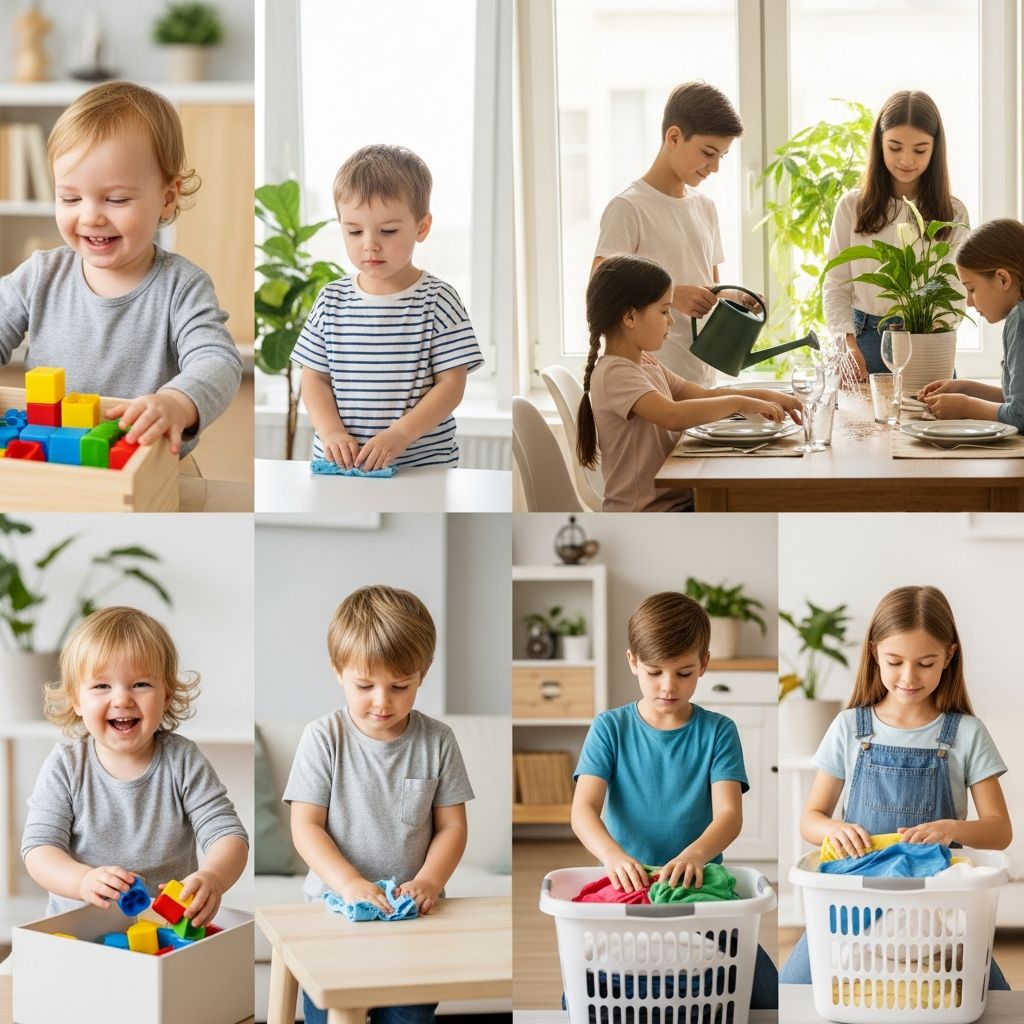
Parenting choices shape not only a child’s present behavior but also their long-term emotional health, relationships, and future success. Understanding the contrast between careless parenting and responsible parenting helps caregivers make conscious decisions that support a child’s growth instead of leaving it to chance.
This article explores what careless parenting looks like, how it differs from responsible parenting, the consequences for children, and practical steps to become a more thoughtful, balanced parent. It also addresses common myths, offers real-life examples, and answers frequently asked questions to guide caregivers toward healthier family dynamics.
What Is Careless Parenting?
Careless parenting is a pattern of behavior in which a parent consistently fails to provide adequate guidance, attention, or boundaries for a child. It is less about a single mistake and more about an ongoing lack of engagement or forethought. The parent may not intend harm, but the result is that the child’s needs are regularly overlooked or minimized.
In many homes, careless parenting arises from stress, burnout, unresolved personal issues, or the mistaken belief that children will “figure things out on their own” without consistent structure. Over time, this can erode a child’s sense of safety and self-worth.
Common Traits of Careless Parenting
- Inconsistent or absent rules, often changing from day to day without explanation.
- Limited supervision, such as allowing unsupervised screen time, risky friendships, or unsafe environments.
- Emotional unavailability; the parent may be physically present but rarely listening or engaging meaningfully.
- Minimal follow-through on consequences, promises, or commitments made to the child.
- A tendency to focus on personal comfort or convenience over the child’s developmental needs.
Careless parenting does not always look harsh or overtly neglectful from the outside; sometimes it is disguised as excessive freedom, distraction, or chronic busyness. Children may appear independent, but inside they often feel unsupported and alone.
What Is Responsible Parenting?
Responsible parenting is an intentional, thoughtful approach that balances love, structure, and accountability. It involves making decisions with both the child’s immediate well-being and long-term development in mind. Responsible parents accept that they are role models and that their daily actions teach children how to behave, feel, and relate to others.
Unlike perfectionism, responsible parenting does not require flawless behavior. Instead, it emphasizes supervision, communication, and a willingness to correct mistakes—both the child’s and the parent’s—in healthy, constructive ways.
Core Features of Responsible Parenting
- Clear, consistent rules that are explained in age-appropriate language.
- Warmth and affection, combined with firm boundaries and predictable consequences.
- Active involvement in the child’s life, including school, friendships, and hobbies.
- Open communication, where children feel safe to ask questions and express feelings.
- Long-term thinking, guiding children not only to avoid trouble today but to build character for the future.
Responsible parents treat parenting as an evolving responsibility. They learn, adjust, seek help when needed, and stay engaged even when raising children feels difficult or inconvenient.
Careless vs. Responsible Parenting at a Glance
The contrast between these two approaches becomes clearer when comparing how each one handles rules, emotions, time, and accountability in daily life.
| Aspect | Careless Parenting | Responsible Parenting |
|---|---|---|
| Rules & Boundaries | Few, unclear, or constantly changing; children are unsure what is expected. | Clear and consistent, explained so children understand the reasons behind them. |
| Attention | Parent is distracted, preoccupied, or emotionally distant most of the time. | Parent is present, listens actively, and notices changes in behavior or mood. |
| Discipline | Consequences are rare, random, or based on the parent’s mood. | Consequences are predictable, related to the behavior, and used as teaching tools. |
| Emotional Climate | Child may feel invisible, unimportant, or like a burden. | Child feels valued, loved, and guided, even when corrected. |
| Long-Term Focus | Short-term convenience overrides thinking about future impact. | Decisions consider the child’s long-term character, skills, and mental health. |
Examples of Careless Parenting in Everyday Life
Many parents do not recognize careless patterns because they often begin as shortcuts or responses to stress. Over time, however, these shortcuts can become harmful habits. Seeing specific examples can make it easier to identify and change them.
- Ignoring school issues: A child repeatedly struggles with homework or receives poor grades, but the parent does not attend conferences, check assignments, or communicate with teachers.
- Unchecked screen time: The child spends hours online or on games late into the night without limits, exposing them to inappropriate content or sleep deprivation.
- Frequent broken promises: The parent regularly promises outings, conversations, or help and then cancels with little explanation.
- No follow-up on behavior: After a serious misbehavior, like lying or bullying, the parent shrugs it off or blames others instead of guiding the child to take responsibility.
Even when unintentional, these patterns teach children that their behavior has few consequences, that adults cannot be trusted, and that their feelings or efforts do not truly matter.
How Responsible Parents Handle the Same Situations
Responsible parenting does not eliminate problems; it changes how problems are handled. Children still misbehave, struggle, and test limits, but the parent’s response is mindful and consistent instead of reactive or indifferent.
- Regarding school issues: A responsible parent meets with teachers, sets up a homework routine, offers support, and teaches the child to seek help instead of hiding struggles.
- With screen time: Reasonable rules are set about devices, such as time limits, no devices in bedrooms at night, and supervision of content.
- On keeping promises: The parent avoids overpromising, follows through when commitments are made, and openly apologizes when something truly cannot be done.
- Addressing misbehavior: The child is held accountable, guided to repair damage when possible, and encouraged to reflect on better choices next time.
This approach gradually teaches children to connect actions with outcomes, manage frustration, and trust that the adults in their lives are reliable and fair.
Effects of Careless Parenting on Children
Over time, careless parenting can create deep emotional and behavioral challenges. Some children respond by acting out, while others withdraw, but both patterns signal unmet needs and confusion about where they stand with their caregiver.
- Low self-esteem, as children interpret the lack of attention as a sign that they are not worth the effort.
- Difficulty following rules, because expectations at home are vague or rarely enforced.
- Insecure attachment, marked by anxiety, clinginess, or an excessive need for approval from others.
- Poor emotional regulation, since no one consistently helps them name, understand, and manage big feelings.
- Higher risk of risky behaviors in adolescence, as boundaries and monitoring remain weak.
These consequences are not inevitable or permanent, but reversing them requires intentional change, stability, and ongoing reassurance from caregivers.
Benefits of Responsible Parenting
Children raised with responsible parenting typically develop a stronger internal compass and a more secure sense of self. They learn that mistakes are part of growth and that guidance, not shame, is the path to improvement.
- Greater self-confidence, built through consistent encouragement and realistic expectations.
- Better self-control, because clear rules and predictable consequences allow them to practice managing impulses.
- Stronger problem-solving skills, as parents help them think through options instead of always rescuing them or ignoring issues.
- Healthier relationships, modelled after the respect, empathy, and boundaries they experience at home.
- Resilience, the ability to bounce back from setbacks with support rather than feeling defeated or ignored.
These advantages do not mean responsible parents never struggle, but they show how consistent structure and warmth can protect and strengthen children across different stages of life.
Why Some Parents Become Careless
Most parents do not wake up and decide to be careless. This pattern often grows out of difficult circumstances, unresolved personal wounds, or misunderstandings about what children actually need. Recognizing these influences can open the door to compassion and change rather than guilt alone.
- Stress and burnout: Long work hours, financial strain, or chronic exhaustion can drain the energy required for consistent supervision and connection.
- Trauma or unresolved childhood issues: Parents who never experienced responsible parenting themselves may feel lost or overwhelmed by the idea of doing things differently.
- Mental health challenges: Depression, anxiety, or other conditions can make daily parenting tasks feel impossible without support.
- Overreliance on “freedom”: Some caregivers mistake a lack of rules for respect, believing that limits naturally suppress a child’s personality.
Understanding the roots of careless behavior is not an excuse but a roadmap. With awareness, parents can seek help, adjust routines, and build new habits that align more closely with responsible parenting.
Moving from Careless to Responsible Parenting
Change starts with small, consistent steps rather than dramatic overnight transformations. Parents who recognize careless tendencies can gradually introduce structure, warmth, and reliability to rebuild trust and stability at home.
Practical Steps for Positive Change
- Set two or three clear rules first: Focus on safety and respect, such as bedtime routines, screen limits, or no hitting.
- Follow through on one promise at a time: Choose manageable commitments and honor them to rebuild your child’s sense of security.
- Schedule daily connection: Even 10–15 minutes of undistracted time—reading, talking, or playing—can make children feel noticed and valued.
- Use natural and logical consequences: Link outcomes directly to behavior, such as losing bike privileges for not riding safely, instead of random punishments.
- Ask for help: Reach out to other parents, support groups, counselors, or educational resources rather than struggling alone.
As these habits become routine, children begin to expect guidance instead of guessing what mood a parent will be in. Over time, this predictability builds the foundation of responsible parenting: trust.
Balancing Love, Freedom, and Discipline
One of the greatest challenges in parenting is balancing warmth and freedom with structure and discipline. Too much control can feel suffocating, but too little involvement can slide into carelessness. Responsible parenting seeks the middle path.
- Offer choices within boundaries, such as choosing between two appropriate outfits or activities.
- Validate emotions while upholding rules, acknowledging a child’s frustration but not allowing harmful behavior.
- Encourage independence gradually, matching freedom to the child’s maturity and track record of responsibility.
This balanced approach teaches children that their feelings are real and important, but so are the needs and safety of others. They learn that freedom grows when they show responsibility, not when adults stop paying attention.
Frequently Asked Questions (FAQ)
1. Does one careless mistake make me a careless parent?
No. Every parent makes mistakes, loses patience, or overlooks something important at times. Careless parenting refers to a pattern of repeated inattention, inconsistency, or disengagement over time, not isolated incidents. The willingness to recognize missteps and repair them is itself a key sign of responsible parenting.
2. Can a child recover from years of careless parenting?
Yes, many children heal and thrive when caregiving improves, especially if changes include stability, emotional support, and clear limits. Older children and teens may initially distrust new rules or affection, but persistent, respectful effort can slowly rebuild connection. Professional support, such as counseling or therapy, can further help families repair past damage.
3. Is giving my child a lot of freedom the same as being careless?
Not necessarily. Healthy freedom is guided by ongoing supervision, conversation, and clearly defined boundaries. It becomes careless when a parent stops monitoring, stops asking questions, or leaves a child to handle complex situations alone without guidance or support.
4. How can two parents with different styles avoid sliding into carelessness?
Parents benefit from openly discussing values, rules, and expectations so that children receive consistent messages. When one parent tends toward overpermissiveness and the other is more structured, compromise and shared guidelines reduce conflict and prevent gaps where no one is truly paying attention.
5. What should I do if I feel overwhelmed and tempted to “check out” as a parent?
Feeling overwhelmed is common, but withdrawing completely can harm both you and your child. Start by admitting how you feel to a trusted person, seeking support from family, friends, community resources, or mental health professionals. Small steps—routine breaks, self-care, and realistic expectations—help you stay engaged enough to be present and responsible, even in difficult seasons.
Key Takeaways
- Careless parenting is defined by ongoing inattention, weak boundaries, and inconsistent involvement, often leaving children feeling unsafe or unimportant.
- Responsible parenting combines love, structure, and accountability, helping children develop self-control, confidence, and resilience.
- Patterns of carelessness can change when parents commit to small, steady improvements in supervision, communication, and follow-through.
- Children are remarkably resilient when given new experiences of stability, respect, and guidance at home.
By noticing the difference between careless and responsible parenting, caregivers can make more intentional choices. Each consistent step toward responsibility strengthens the bond with children and prepares them for a healthier, more confident future.