Understanding Your Sleep Position Throughout Pregnancy
As your body undergoes remarkable changes during pregnancy, finding a comfortable sleeping position becomes increasingly challenging. Many expectant mothers wonder whether their preferred sleeping habits remain safe for both themselves and their developing baby. This concern is particularly relevant for those who naturally sleep on their backs, a position that requires careful consideration as pregnancy progresses. Understanding how different sleep positions affect your health and your baby’s wellbeing is essential for making informed decisions about your prenatal care.
The First Trimester: When Back Sleeping Is Generally Safe
During the early months of pregnancy, your body has not yet undergone the dramatic size changes that occur later. In the first trimester, sleeping on your back is typically considered acceptable if this is your natural sleeping preference. At this stage, your uterus is still relatively small, and the physical compression that becomes problematic later in pregnancy has not yet developed. Many women find back sleeping comfortable during these initial months, and there is no significant evidence of harm from this position when practiced in the first thirteen weeks of pregnancy.
However, this window of relative freedom from positional concerns is temporary. As your pregnancy progresses beyond the first trimester, the growing uterus begins to exert measurable pressure on important circulatory structures within your body.
The Physiological Challenge: Blood Vessel Compression After Week Twenty
The primary concern with back sleeping emerges around the twentieth week of pregnancy, when your uterus becomes substantially larger. At this critical juncture, the weight and size of your expanding uterus can compress the inferior vena cava, a major vein responsible for returning blood from the lower body to the heart. This blood vessel is essential for maintaining adequate circulation throughout your body and delivering oxygen-rich blood to your placenta and developing baby.
When the inferior vena cava becomes compressed, several physiological consequences can occur:
- Reduced blood flow to both you and your baby
- Decreased oxygen delivery to the placenta and fetus
- Potential dizziness or lightheadedness in the pregnant person
- Lower blood pressure, which can cause shortness of breath
- Diminished fetal heart rate variability
These changes are not merely theoretical; they represent documented physiological responses that medical professionals observe when pregnant individuals maintain back-sleeping positions in later pregnancy. The mechanism is straightforward: as pregnancy advances, gravity and body weight create increasingly significant pressure on the vascular system, which cannot be avoided when lying completely flat.
Secondary Effects Beyond Blood Flow: Respiratory and Digestive Impacts
Back sleeping during pregnancy can trigger or exacerbate several secondary health concerns that extend beyond simple circulation issues. One significant concern involves sleep-disordered breathing, including snoring and sleep apnea, conditions that become more prevalent during pregnancy itself. When combined with the pressure created by back sleeping, these breathing issues can be substantially worsened, creating a compound problem that affects nighttime oxygen saturation for both mother and baby.
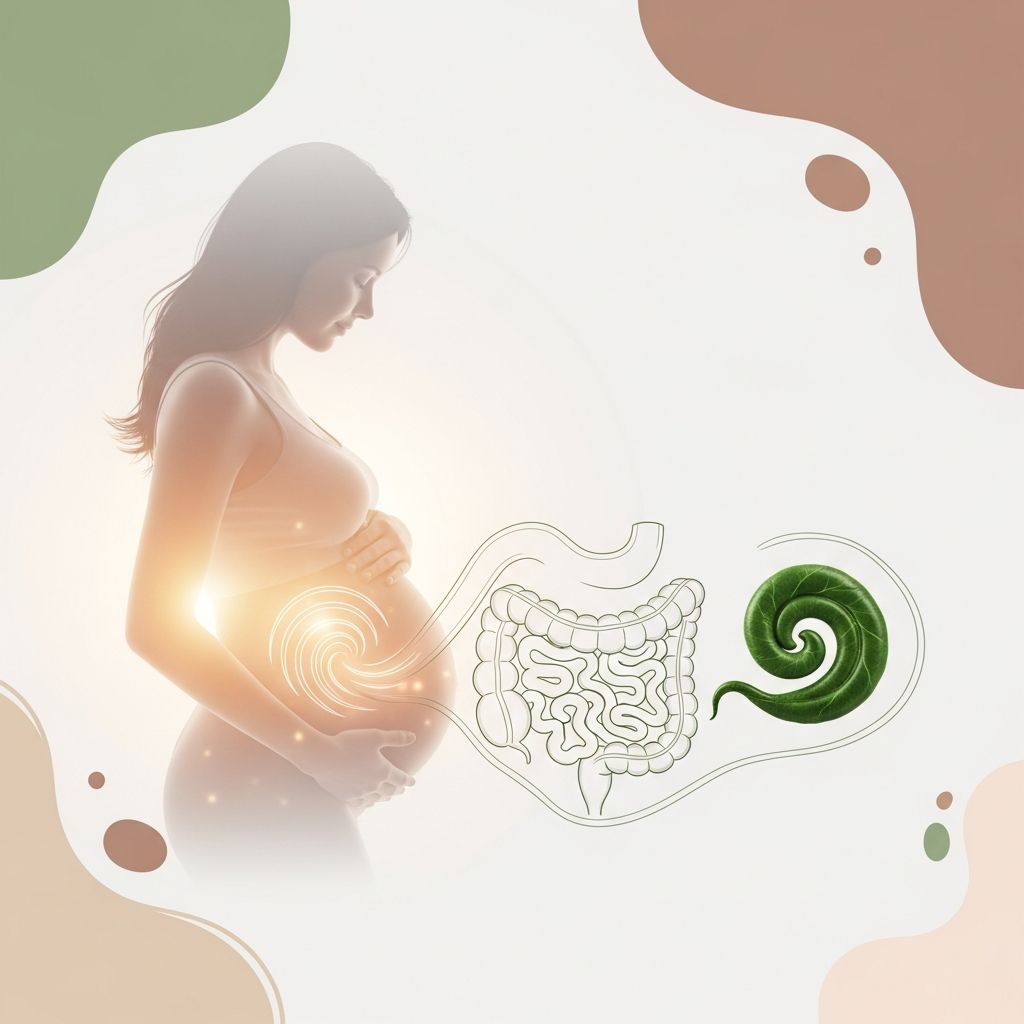
The spine and surrounding musculature also experience considerable strain from back sleeping in late pregnancy. The weight of your expanded abdomen pulls forward, creating compensatory stress on your lower back and the muscles supporting your spine. For many pregnant individuals, this position either initiates or intensifies lower back pain, a complaint affecting the majority of women during their second and third trimesters. Additionally, back sleeping can compromise digestive efficiency by placing pressure on your intestines, potentially worsening pregnancy-related constipation and gastrointestinal discomfort.
Research on Sleep Position and Stillbirth Risk: What the Studies Show
The most significant concern regarding back sleeping in pregnancy relates to stillbirth risk, a topic investigated in multiple research studies. Several clinical trials have examined whether maternal sleep position on the night before stillbirth differs from sleep positions among pregnant individuals with healthy outcomes. The findings have consistently demonstrated an association between back sleeping and elevated stillbirth risk, though researchers emphasize the importance of proper interpretation of these results.
One landmark study interviewed 155 women who had experienced stillbirth, comparing their sleep practices to a control group. The research revealed that women who slept on their back or right side on the previous night showed significantly higher stillbirth rates compared to those who went to sleep on their left side. Specifically, the stillbirth rate for women sleeping on their left side was 1.96 per 1,000, while the rate for those not sleeping on their left side was 3.93 per 1,000.
Another substantial clinical trial involving over 1,000 participants, including 291 women who experienced stillbirth and 733 in a control group, found that women with stillbirth were 2.3 times more likely to report back sleeping the night prior to their loss. Additional research examining usual sleep positions over the preceding month found that 9.7 percent of women who experienced stillbirth reported typically sleeping on their backs, compared to only 2.1 percent in the control group.
Interpreting the Research: Association Versus Causation
While these research findings are compelling, medical experts emphasize critical limitations in attributing stillbirth solely to back sleeping. The studies are relatively small, making broad generalizations difficult. Additionally, sleep position cannot be isolated as a single causative factor, as many variables contribute to stillbirth risk. Researchers have proposed a “triple risk” hypothesis suggesting that stillbirth results from the convergence of maternal risk factors, fetal risk factors, and a triggering stressor—which back sleeping-related vena cava compression may represent in vulnerable pregnancies.
Many women who sleep on their backs also experience snoring or sleep apnea, making it challenging to determine whether the sleep position itself or the associated breathing disorder bears primary responsibility for adverse outcomes. Furthermore, maternal obesity is independently associated with both sleep apnea and increased stillbirth risk, creating confounding variables that complicate research interpretation. The evidence suggests that back sleeping is unlikely to be the sole cause of stillbirth but may constitute an additional risk factor for pregnancies already vulnerable due to other circumstances.
Recommendations for the Second Trimester and Beyond
Based on accumulated research evidence, medical organizations recommend transitioning away from back sleeping as pregnancy advances into the second and third trimesters. The American College of Obstetricians and Gynecologists advises that in the second and third trimesters, lying on your back may compress major blood vessels, potentially reducing blood flow to your fetus. This guidance reflects consensus among maternity care providers that the risks associated with back sleeping outweigh any comfort benefits during these critical pregnancy periods.
The recommendation specifically emphasizes the importance of the sleeping position when initially falling asleep rather than positions assumed later during the night. The distinction matters because many pregnant individuals naturally change positions throughout the night, and minor repositioning during sleep does not carry the same concerns as consciously choosing to go to sleep on your back.
Side Sleeping as the Optimal Position: Left Versus Right
Medical guidance consistently identifies side sleeping as the safest position during the second and third trimesters, with particular emphasis on left-side sleeping. Research indicates that women who went to sleep on their left side experienced lower stillbirth rates compared to all other positions, including right-side sleeping. This distinction may relate to how the left-side position naturally positions the uterus relative to the inferior vena cava and other major blood vessels, allowing for improved circulation to both the pregnant individual and the fetus.
Left-side sleeping offers several physiological advantages: it optimizes placental blood flow, reduces pressure on the liver and other abdominal organs, improves kidney function (important for managing the increased blood volume of pregnancy), and supports better fetal positioning as delivery approaches. However, if left-side sleeping becomes uncomfortable, right-side sleeping offers an acceptable alternative when back sleeping is no longer recommended.
Practical Strategies for Comfortable Side Sleeping
Transitioning from back sleeping to side sleeping requires practical adjustments that many pregnant individuals find challenging. Several strategies can facilitate this transition and improve overall sleep quality:
- Use specialized pregnancy pillows designed to support your body along the side-sleeping position
- Place a pillow between your knees to reduce strain on your lower back and hip joints
- Support your abdomen with a pillow to prevent pressure on your growing belly
- Elevate the head of your bed slightly, which can reduce sleep apnea symptoms and improve breathing
- Practice side sleeping gradually during afternoon rests before fully transitioning nighttime sleep
- Experiment with different pillow arrangements to discover your most comfortable configuration
If You Wake Up on Your Back: When to Worry and When to Relax
Many pregnant individuals worry about waking up on their backs during the night, especially after reading about associated risks. Experts emphasize that occasional repositioning during sleep is not equivalent to intentionally sleeping on your back throughout the night. The research focused on sleep position when initially falling asleep, not the multiple position changes that naturally occur during eight hours of sleep. If you wake up on your back, simply shift to your side; no medical emergency is occurring, and your baby remains safe.
Excessive anxiety about sleep position can itself become detrimental to maternal health. The stress generated by attempting to maintain an uncomfortable position that is unnatural for your body may cause more harm than the physical impact of occasional back sleeping. Balance is essential: make an effort to go to sleep on your side, but do not become consumed with guilt or worry if your body naturally repositions during the night.
The Angle Solution: A Compromise for Back Sleepers
Some pregnant individuals find that maintaining a completely flat back position is uncomfortable and disruptive to sleep quality. If you struggle with side sleeping, a partial solution exists: sleeping on your back at a twenty- to thirty-degree angle significantly reduces pressure on the inferior vena cava while maintaining some degree of back-sleeping comfort. Even a moderate elevation using additional pillows behind your upper back and head can relieve vena cava compression while accommodating your natural sleep preferences more effectively than forcing yourself into a side position that disrupts your rest.
Addressing Sleep Apnea and Snoring During Pregnancy
If you experience snoring or sleep apnea during pregnancy, managing these conditions becomes even more important than sleep position modification. Sleep-disordered breathing during pregnancy independently affects oxygen delivery to both mother and fetus, creating risks that extend beyond the sleep position discussion. If you snore heavily, wake gasping for air, or experience excessive daytime sleepiness, discussing sleep apnea screening with your healthcare provider should become a priority. Treating underlying breathing disorders may prove more impactful than optimizing sleep position alone.
Special Considerations for Different Pregnancy Circumstances
While general guidelines apply to most pregnancies, certain circumstances warrant individualized discussion with your healthcare provider. Multiple pregnancies, pregnancies complicated by maternal obesity, those involving fetal growth concerns, or pregnancies with other medical complexities may have specific sleep position recommendations. Your care team understands your complete medical picture and can provide personalized guidance that accounts for your unique risk factors and health status.
Frequently Asked Questions
Q: Is it safe to sleep on my back during my first trimester?
A: Yes, back sleeping is generally safe during the first trimester if it is your preferred position. Concerns about blood vessel compression primarily emerge after twenty weeks, when your uterus becomes substantially larger.
Q: What should I do if I wake up on my back during the night?
A: Simply roll to your side. Waking up on your back occasionally during sleep is not cause for concern. The research specifically addresses intentional back sleeping when initially falling asleep, not the position changes that naturally occur during sleep.
Q: Is left-side sleeping really better than right-side sleeping?
A: Research suggests that left-side sleeping optimizes placental blood flow better than right-side sleeping, but both side positions are preferable to back sleeping in later pregnancy. If left-side sleeping becomes uncomfortable, right-side sleeping is an acceptable alternative.
Q: Can back sleeping alone cause stillbirth?
A: No. Research shows an association between back sleeping and increased stillbirth risk, but experts emphasize that back sleeping is unlikely to be the sole cause. Stillbirth typically results from multiple converging factors, and back sleeping may represent one of several risk elements in vulnerable pregnancies.
Q: Should I feel guilty if I accidentally sleep on my back?
A: No. Sleeping on your back occasionally or waking up in that position does not pose significant risk. Focus on going to sleep on your side when you initially lie down, but do not create excessive anxiety about natural position changes during sleep.
Q: What if I cannot tolerate side sleeping?
A: Consider sleeping on your back at a twenty- to thirty-degree angle using pillows to elevate your upper body. This compromise reduces vena cava compression while being more comfortable than a completely flat back position.
References
- Pregnancy Podcast — Pregnancy Podcast. Accessed January 2026. https://pregnancypodcast.com/backsleeping/
- Sleep Foundation: Pregnancy Sleeping Positions — Sleep Foundation. Accessed January 2026. https://www.sleepfoundation.org/pregnancy/pregnancy-sleep-positions
- University of Utah Health: Is Sleeping on Your Back During Pregnancy Risky? — University of Utah Health. March 2025. https://healthcare.utah.edu/the-scope/health-library/all/2025/03/sleeping-your-back-during-pregnancy-risky-experts-weigh
- Cleveland Clinic: Is It Really All That Bad To Sleep on Your Back When You’re Pregnant? — Cleveland Clinic. Accessed January 2026. https://health.clevelandclinic.org/exactly-how-bad-is-it-to-sleep-on-your-back-when-youre-pregnant
- American College of Obstetricians and Gynecologists: Can I Sleep on My Back When I’m Pregnant? — ACOG. Accessed January 2026. https://www.acog.org/womens-health/experts-and-stories/ask-acog/can-i-sleep-on-my-back-when-im-pregnant
- Tommy’s: Sleep Position in Pregnancy Q&A — Tommy’s. Accessed January 2026. https://www.tommys.org/pregnancy-information/im-pregnant/sleep-side/sleep-position-pregnancy-qa
- The Lotus Method: Emily Oster Looks at the Data on Back-Sleeping During Pregnancy — The Lotus Method. Accessed January 2026. https://thelotusmethod.com/sleeping-during-pregnancy/