Understanding the Corpus Luteum and How Cysts Form
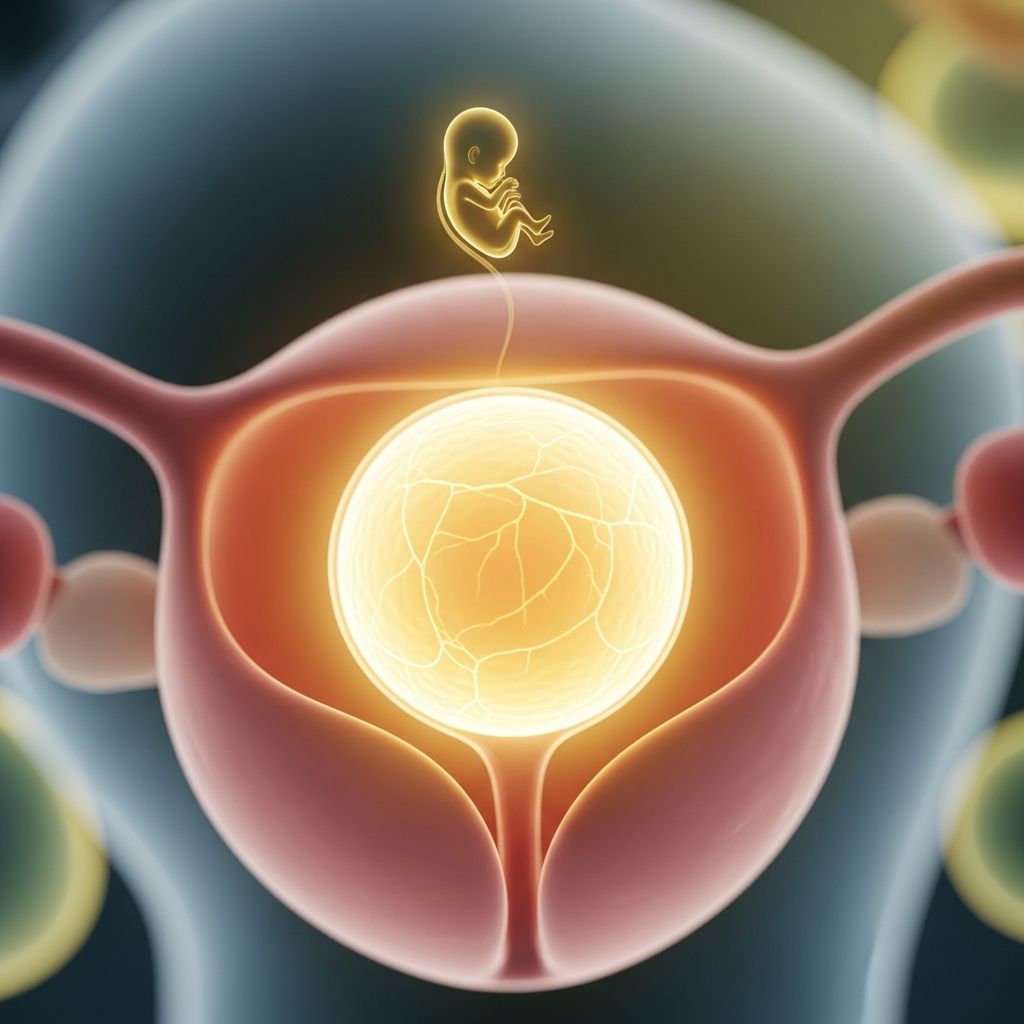
The corpus luteum plays a vital role in maintaining early pregnancy by producing essential hormones. After ovulation occurs, the follicle that released the egg transforms into this hormone-producing structure. It begins generating progesterone and estrogen, both critical for supporting a developing pregnancy during its earliest stages. The corpus luteum typically functions for approximately eight to ten weeks until the placenta develops sufficiently to take over hormone production.
A corpus luteum cyst develops when fluid accumulates within this structure instead of allowing it to naturally decline. This occurs when the opening where the egg was released becomes sealed, trapping fluid inside and causing the corpus luteum to enlarge beyond its normal size. While this process can happen in anyone who menstruates, pregnant individuals experience corpus luteum cysts more frequently because doctors perform imaging procedures during early pregnancy to monitor fetal development, making detection more likely than in non-pregnant individuals.
The Prevalence of Corpus Luteum Cysts in Pregnancy
Corpus luteum cysts represent one of the most commonly identified growths during first-trimester ultrasound examinations. Many women discover they have these cysts incidentally while undergoing routine prenatal imaging to confirm pregnancy viability and establish the due date. The prevalence is notably higher in pregnant women compared to the general population, primarily because pregnancy involves regular imaging surveillance designed to monitor fetal health and development.
The discovery of a corpus luteum cyst during pregnancy typically generates concern for expecting mothers, yet medical evidence consistently demonstrates that the vast majority of these cysts pose minimal threat to maternal health or fetal development. Understanding this distinction between detection and clinical significance can substantially reduce anxiety during early pregnancy.
Distinguishing Symptoms from Normal Pregnancy Changes
One of the primary challenges in managing corpus luteum cysts during pregnancy involves differentiating their symptoms from the common discomforts of early pregnancy itself. Many women with these cysts experience no noticeable symptoms whatsoever and learn about their presence only through ultrasound imaging. When symptoms do develop, they can mirror standard pregnancy-related discomforts, making diagnosis more complex.
Common Symptoms Associated with Corpus Luteum Cysts
- Localized pelvic or lower abdominal pain, typically concentrated on one side of the body
- Sensations of bloating or abdominal fullness
- Pressure sensations affecting the bladder or rectum
- Lower back discomfort or aching
- Breast tenderness
- Discomfort during bowel movements or sexual intercourse
- Unusual vaginal bleeding or menstrual irregularities
These symptoms tend to be mild to moderate in intensity and frequently resolve without requiring medical intervention. Many pregnant women experience symptom fluctuations throughout their pregnancy, with some discomfort disappearing entirely as the cyst naturally reabsorbs during the second trimester.
Risk Factors and Potential Complications
Although the overwhelming majority of corpus luteum cysts in pregnancy remain benign and asymptomatic, understanding potential complications allows expecting mothers to recognize warning signs requiring immediate medical evaluation. Serious complications remain exceptionally rare, but awareness of these possibilities enables prompt intervention if symptoms escalate beyond normal pregnancy discomforts.
Primary Complications of Corpus Luteum Cysts
Ovarian Torsion: This condition occurs when a cyst causes the ovary to twist, cutting off its blood supply. Torsion represents a medical emergency demanding immediate surgical intervention to prevent permanent ovarian damage. Symptoms include sudden, severe pelvic pain that differs markedly from gradual symptom development.
Cyst Rupture: When a cyst bursts, it can release fluid into the pelvic cavity and potentially cause internal bleeding. A ruptured corpus luteum cyst produces intense, sharp pain that arrives abruptly and often includes accompanying symptoms such as nausea, vomiting, dizziness, or fever.
Excessive Cyst Growth: While uncommon, corpus luteum cysts occasionally grow larger than five to six centimeters. Large cysts may potentially compromise ovarian function or, in extremely rare cases, affect pregnancy outcomes. However, most cysts remain well below this size threshold.
When to Seek Medical Attention
Distinguishing between normal pregnancy discomforts and symptoms requiring professional evaluation remains essential during early pregnancy. Women should maintain open communication with their healthcare providers about any concerning symptoms, but certain presentations warrant urgent medical assessment.
Symptoms Requiring Immediate Emergency Evaluation
- Sudden onset of sharp, severe pain in the lower abdomen or pelvis
- Accompanied symptoms including nausea or vomiting that persists
- Dizziness, lightheadedness, or fainting episodes
- Fever in combination with pelvic pain
- Loss of consciousness
- Signs of internal bleeding such as severe weakness or pale skin
These emergency symptoms may indicate rupture, torsion, or infection—all conditions requiring immediate medical intervention. Even if uncertainty exists about symptom severity, contacting emergency services or the obstetric emergency department provides medical professionals the opportunity to evaluate and reassure the pregnant individual or provide necessary treatment.
Diagnostic Methods and Imaging Procedures
Healthcare providers typically identify corpus luteum cysts through transvaginal ultrasound, the standard imaging modality for early pregnancy evaluation. This technique provides detailed visualization of ovarian structures and allows precise characterization of any cysts present, including their size, composition, and appearance. Ultrasound imaging remains completely safe during pregnancy and involves no radiation exposure.
The appearance of a corpus luteum cyst on ultrasound often includes specific characteristics that help distinguish it from other cyst types. These features typically indicate a low-risk lesion unlikely to cause complications. Serial ultrasound imaging over weeks or months may demonstrate gradual cyst regression, confirming the expected natural resolution pattern.
Treatment Approaches and Management Strategies
The management approach for corpus luteum cysts in pregnancy emphasizes conservative observation in the vast majority of cases. Most cysts require no active intervention beyond monitoring during routine prenatal care visits. This expectant management strategy reflects the well-established understanding that these cysts typically resolve spontaneously without causing harm.
Conservative Management
Pregnant women with asymptomatic or mildly symptomatic corpus luteum cysts generally receive reassurance and monitoring. Serial ultrasound examinations track cyst size and characteristics across the first and early second trimester. As the pregnancy progresses and the placenta assumes hormone production responsibilities, the corpus luteum naturally decreases, and the associated cyst typically reabsorbs. Pain management strategies for mild symptoms may include acetaminophen use, rest, and heat application as recommended by the obstetric care team.
Surgical Intervention
Surgical removal of a corpus luteum cyst during pregnancy becomes necessary only in exceptional circumstances. These limited situations include documented ovarian torsion requiring emergency surgical correction, large cysts demonstrating growth trajectory threatening ovarian viability, or cysts causing intractable pain unresponsive to conservative measures. If removal becomes necessary, the surgeon must carefully extract the cyst while preserving ovarian tissue. Following cyst removal, the pregnant woman receives supplemental progesterone to replace the hormone that the corpus luteum would have continued producing, ensuring continued pregnancy support until placental hormone production fully develops.
The Natural Course of Corpus Luteum Cysts
Understanding the expected timeline for cyst resolution can substantially ease anxiety for expecting mothers. Corpus luteum cysts in pregnancy typically demonstrate a predictable pattern of gradual reduction and eventual complete resolution. In most pregnancies, the cyst shrinks progressively through the first trimester and into early second trimester, often disappearing by weeks twelve to fourteen. Some cysts persist longer, extending through the second trimester, but eventual complete reabsorption remains the standard expectation.
This natural resolution pattern reflects the fundamental biology of the corpus luteum. As the placenta develops and assumes full responsibility for progesterone and estrogen production, the corpus luteum no longer receives the hormonal signals necessary to maintain itself. The structure gradually decreases and eventually disappears, carrying any associated cyst with it.
Addressing Maternal Anxiety and Psychological Impact
The discovery of any growth during pregnancy, regardless of medical harmlessness, naturally triggers concern and anxiety in expecting mothers. Pregnant women who receive a corpus luteum cyst diagnosis may experience worry about potential pregnancy complications, concerns about fetal health, or fear about medical necessity. Open communication with healthcare providers, clear explanation of the benign nature of most corpus luteum cysts, and reassurance about the rarity of serious complications help mitigate psychological distress.
Healthcare providers should emphasize that discovering a corpus luteum cyst during pregnancy represents a common finding rather than an unexpected or unusual occurrence. Explaining the natural resolution pattern and the genuine rarity of complications allows expecting mothers to maintain focus on overall pregnancy health rather than becoming preoccupied with the cyst. Educational resources, support groups, and open dialogue with care providers contribute substantially to reducing unnecessary anxiety.
Distinguishing Corpus Luteum Cysts from Other Pregnancy Concerns
Occasionally, the presence of a corpus luteum cyst prompts questions about other potential pregnancy complications. Specific clinical scenarios may raise particular concerns that require clear medical clarification.
Corpus Luteum Cysts and Ectopic Pregnancy
In situations where a positive pregnancy test exists but ultrasound fails to visualize an embryo within the uterus, and a corpus luteum cyst is present in the ovary, questions may arise about ectopic pregnancy possibility. The presence of a corpus luteum cyst alone does not indicate ectopic pregnancy. However, additional diagnostic testing and ultrasound follow-up may be necessary to definitively determine pregnancy location and exclude ectopic implantation. Healthcare providers have specific protocols for managing these scenarios to ensure accurate diagnosis.
Frequently Asked Questions
Will a corpus luteum cyst harm my developing baby?
No. Corpus luteum cysts do not affect fetal development or pregnancy viability. These cysts remain completely separate from the developing embryo and placenta and do not interfere with essential pregnancy functions or nutrient delivery to the fetus.
How long does a corpus luteum cyst typically last during pregnancy?
Most corpus luteum cysts naturally resolve within the first trimester, typically between weeks eight and fourteen, as the placenta assumes hormone production. Some cysts may persist longer, but eventual complete resolution remains the standard expectation.
Do I need special monitoring or more frequent ultrasounds because of my cyst?
Most women with corpus luteum cysts require only standard prenatal ultrasound imaging. Uncomplicated cysts do not necessitate additional or more frequent monitoring beyond routine pregnancy care. Your healthcare provider will determine the appropriate imaging schedule based on your specific clinical situation.
Can a corpus luteum cyst cause miscarriage?
No. Corpus luteum cysts do not cause miscarriage. These cysts are too distant from the developing pregnancy to affect early pregnancy maintenance or increase miscarriage risk.
What should I do if I experience sharp pain during my pregnancy with a known cyst?
Contact your healthcare provider immediately if you experience sudden sharp pain, especially if accompanied by nausea, vomiting, dizziness, or fever. These symptoms may indicate complications requiring emergency evaluation, even if unlikely.
Will I need surgery to remove my corpus luteum cyst?
The vast majority of corpus luteum cysts do not require surgical removal. Surgery becomes necessary only in exceptional circumstances involving complications like ovarian torsion, uncontrolled pain, or cysts demonstrating concerning growth patterns.
References
- Corpus Luteum Cyst: Causes, Symptoms & Treatment — Cleveland Clinic. 2024. https://my.clevelandclinic.org/health/diseases/22340-corpus-luteum-cyst
- Ovarian Cysts – Symptoms and Causes — Mayo Clinic. 2024. https://www.mayoclinic.org/diseases-conditions/ovarian-cysts/symptoms-causes/syc-20353405
- Corpus Luteum: Development, Anatomy & Function — Cleveland Clinic. 2024. https://my.clevelandclinic.org/health/body/21849-corpus-luteum
- Ovarian Cyst During Pregnancy — The Woman’s Clinic. 2024. https://www.arobgyn.com/understanding-ovarian-cyst-during-pregnancy/
- Corpus Luteum Cyst: Causes, Symptoms and Treatment — MedicineNet. 2024. https://www.medicinenet.com/is_corpus_luteum_cyst_a_good_sign/article.htm