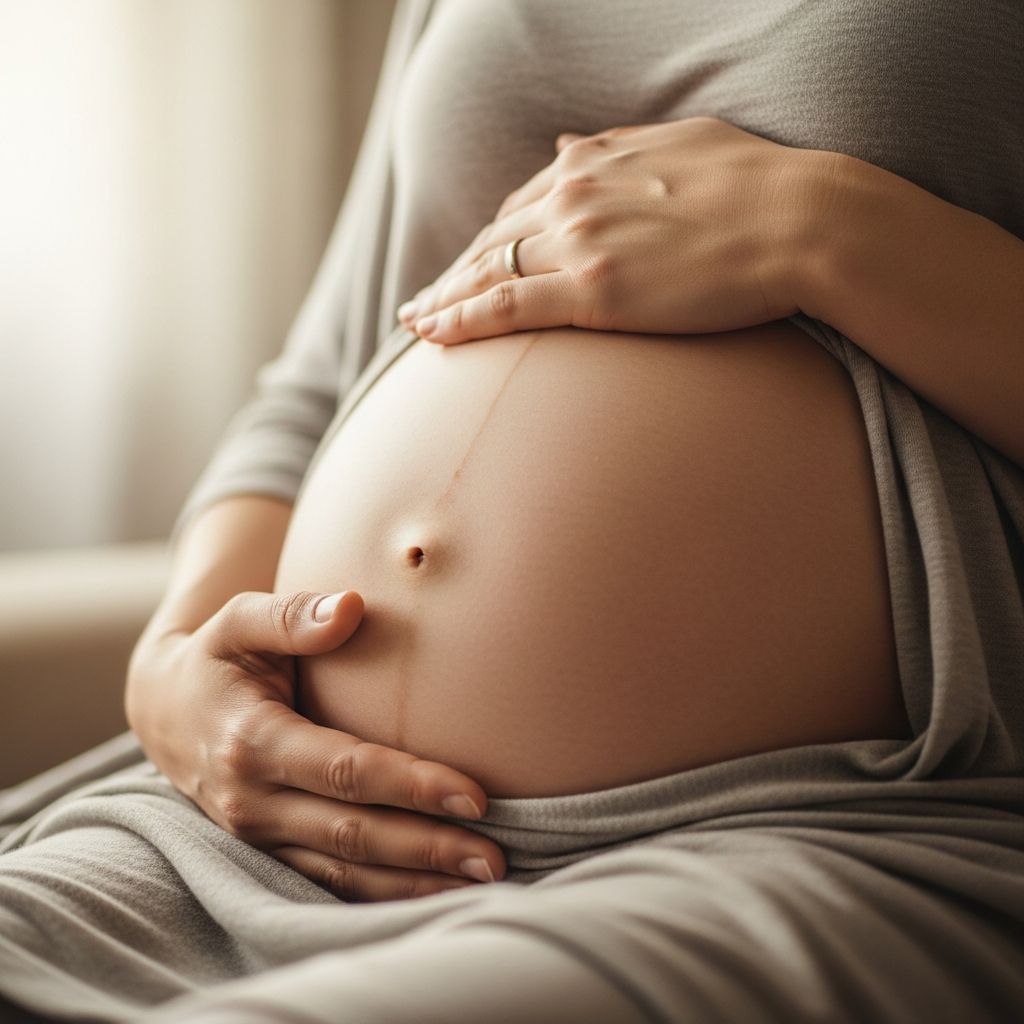
The journey through pregnancy and childbirth transforms your body in profound ways, and the vaginal region experiences some of the most significant changes. While these transformations are completely natural and expected, many new mothers feel unprepared for what they might experience during the recovery phase. Understanding what happens to your vagina after giving birth can help you feel more confident navigating this period and knowing when to seek medical guidance.
The Immediate Physical Transformation
In the moments and days immediately following vaginal delivery, your vagina undergoes dramatic physical changes. The tissues that stretched to allow your baby’s passage become swollen, tender, and may appear significantly different from their pre-pregnancy state. This immediate post-birth appearance can be shocking if you’re not prepared for it, but rest assured that these acute changes represent the beginning of a natural healing process.
During the first few days after delivery, swelling is one of the most prominent features. The vaginal opening may appear noticeably wider than before pregnancy, and the surrounding tissues may feel puffy and uncomfortable. This widening occurs because your body released hormones during pregnancy and labor that allowed your vaginal tissues to expand. Estrogen increased blood flow to the vagina, facilitating stretching, while relaxin helped your pelvic ligaments and joints expand to accommodate your baby.
The good news is that this swelling typically begins to diminish within the first few days after delivery. Most women notice significant improvement in swelling and tenderness after approximately 48 hours, though complete resolution may take several weeks. The timeline for return to normal varies based on several factors, including the type of birth you experienced, your age, and whether you sustained any tears or lacerations during delivery.
Common Tissue Injuries and Their Recovery
One of the most frequent concerns new mothers have involves tearing or trauma to the vaginal area during delivery. The statistics are sobering: approximately three out of four women experience some form of perineal trauma, such as tearing or a surgical incision called an episiotomy. The perineum—the area of skin between your vagina and anus—bears much of this trauma and often requires the most attention during recovery.
Perineal soreness, redness, and tenderness are completely normal following vaginal delivery. If you experienced tearing, the severity can range from minor skin irritation to more significant lacerations requiring stitches. Similarly, if your healthcare provider performed an episiotomy to enlarge the vaginal opening, you’ll have a surgical incision that needs time to heal.
The healing process for these injuries typically progresses as follows:
- Days 1-3: Peak soreness and swelling; discomfort is most intense
- Days 4-7: Gradual reduction in acute pain; scabbing may begin
- Weeks 2-4: Continued tissue repair; most pain has subsided but tenderness remains
- Weeks 4-6: Significant improvement; most women feel substantially better
- Beyond 6 weeks: Continued healing; complete tissue remodeling may take months
While soreness and pain are expected, you should monitor your recovery carefully. If pain worsens after the first few days, becomes severe, or shows signs of infection, contact your healthcare provider immediately. Keeping the area clean and dry, using prescribed pain relief medications as directed, and following your doctor’s wound care instructions can optimize healing.
The Postpartum Bleeding Phenomenon
New mothers are often surprised by the amount and duration of vaginal bleeding that follows childbirth. This postpartum bleeding, known as lochia, is distinctly different from your regular menstrual period and serves an important purpose: it represents the shedding of the uterine lining, blood, and tissue that built up during pregnancy.
Lochia evolves in color and consistency as your uterus shrinks back to its normal size. Initially, lochia appears bright red and heavy, similar to a heavy menstrual period. This bright red phase typically lasts for the first few days after delivery. The bleeding may seem profuse, but this is a normal part of your body clearing out the extra tissue it accumulated during pregnancy.
As days progress, the character of lochia changes:
- Days 1-3: Bright red, heavy flow; may include clots
- Days 4-10: Gradually becomes darker red or brownish red
- Weeks 2-4: Transitions to pinkish-brown and becomes more watery
- Weeks 4-6: Becomes creamy and pale; flow significantly decreases
One important distinction is that lochia is not like a regular period. The flow can be highly irregular—heavy one day and light the next. If you’re breastfeeding, you may notice lochia intensifies after nursing sessions because the hormones released during breastfeeding cause your uterus to contract, helping to expel remaining tissue. Additionally, starting birth control during the immediate postpartum period may cause irregular spotting or bleeding as your body adjusts to the hormonal medication.
Lochia typically continues for 4 to 6 weeks after delivery, though some variation is normal. If bleeding continues beyond 6 weeks, becomes excessively heavy, or has a foul odor, consult your healthcare provider to rule out infection or other complications.
Hormonal Shifts and Vaginal Dryness
Beyond the physical trauma of childbirth, your body experiences dramatic hormonal changes that significantly affect your vaginal health. One of the most common and bothersome postpartum complaints is vaginal dryness, and this symptom is directly related to the plummeting estrogen levels your body experiences after delivery.
During pregnancy, estrogen levels rise substantially, promoting increased blood flow to the vagina and maintaining vaginal moisture and elasticity. After delivery, estrogen levels drop precipitously. This abrupt hormonal shift can leave your vagina feeling uncomfortably dry, sometimes described as feeling like sandpaper. For women who are breastfeeding or pumping, the problem is often intensified because lactation suppresses estrogen production as a natural form of contraception.
The reality is that almost every woman experiences some degree of estrogen depletion after childbirth, whether breastfeeding or not. Even women who choose to exclusively bottle-feed will experience some hormonal depletion until their hormones re-regulate after several months. This dryness can be particularly uncomfortable when combined with healing tears or lacerations, as dry tissue is more prone to irritation and slower to heal.
The good news is that vaginal dryness typically improves over time as hormonal levels stabilize. For breastfeeding mothers, dryness usually persists as long as lactation continues, but resolves after weaning. Most women notice significant improvement when their menstrual cycle returns to normal. In the interim, over-the-counter vaginal moisturizers or lubricants can provide relief during this period of hormonal adjustment.
Elasticity Loss and Pelvic Floor Changes
Beyond swelling, tearing, and dryness, many women notice changes in their vaginal elasticity and overall pelvic floor tone following childbirth. The vagina is an incredibly elastic organ, capable of accommodating a full-term baby during delivery. However, this remarkable flexibility comes at a cost: the stretching can result in temporarily reduced elasticity.
It’s important to understand that while your vagina may not return to its exact pre-birth shape and tone, elasticity typically improves significantly over time. All of the muscles in your pelvic floor—the muscular sling that supports your vagina and other reproductive organs—become stretched and elongated during childbirth. Some women notice their vagina feels looser or lacks the tightness they had before pregnancy, and in some cases, the labia (the folds of skin around the vagina) may appear stretched or damaged.
The pelvic floor muscles are responsible for maintaining vaginal tone, supporting reproductive organs, and contributing to sexual sensation and function. After the trauma of childbirth, these muscles need time and targeted work to regain their strength and tone. Pelvic floor exercises, commonly known as Kegel exercises, are recommended to help restore vaginal elasticity and improve symptoms of looseness.
These exercises involve contracting the muscles you use to stop urinary flow, holding the contraction for a few seconds, then releasing. When performed consistently and correctly, pelvic floor exercises can improve vaginal tone, enhance sexual function, and address issues like urinary incontinence that sometimes develop after childbirth.
Timeline: When Does Recovery Truly Happen?
Understanding the typical postpartum recovery timeline can help you set realistic expectations and know when to be concerned about your healing progress. While every woman’s body is different, general timelines provide helpful benchmarks.
In the first few weeks after delivery, your vagina will look and feel quite different from its pre-pregnancy state. However, most women notice their vagina returning to almost its normal size and shape within a couple of weeks. By approximately 4 to 6 weeks postpartum, most women report that their vagina feels substantially better, with marked improvements in swelling, soreness, and general discomfort.
However, complete healing and full return to normal is a longer process. While acute symptoms resolve within weeks, complete tissue remodeling and hormonal re-regulation can take considerably longer. Some women experience lingering changes—such as slight looseness, altered color of the vulva or labia, or subtle shape differences—that persist beyond the initial recovery period. These changes may eventually fade completely, remain stable, or become your new normal, and all of these outcomes are considered normal.
Several factors influence how quickly you recover:
- Type of birth: Vaginal delivery causes more direct trauma than cesarean delivery
- Extent of tearing: Minor tears heal faster than significant lacerations
- Age: Younger women often recover more quickly than older women
- Overall health: Women in good health generally recover faster
- Breastfeeding status: Hormonal suppression from breastfeeding may prolong dryness
- Pelvic floor exercise compliance: Regular exercise accelerates elasticity recovery
Sexual Function and Intimacy Considerations
Beyond the physical changes, many women experience pain during sexual intercourse following childbirth. This postcoital pain, known medically as dyspareunia, can result from multiple factors: unhealed tears, vaginal dryness, reduced elasticity, emotional readiness, and psychological factors related to the birth experience.
Most healthcare providers recommend waiting 4 to 6 weeks before resuming sexual activity, and some women may need more time depending on the extent of their birth trauma. Even after receiving clearance from your healthcare provider, pain during sex may persist for weeks or months as healing continues. This pain may occur with penetration, during deeper thrusting, or with certain positions.
Addressing postpartum dyspareunia often requires a multifaceted approach. Using vaginal lubricants can help compensate for hormonal dryness, making intercourse more comfortable. Taking time to fully relax and communicate with your partner about what feels comfortable is essential. Positions that allow you to control depth and pace may be more comfortable during early recovery. If pain persists beyond several months or significantly impacts your quality of life, discussing the issue with your healthcare provider can help identify underlying problems and explore solutions.
Monitoring Your Recovery and When to Seek Help
While most postpartum vaginal changes are normal and expected, certain signs warrant medical attention. According to the American College of Obstetricians and Gynecologists (ACOG), you should have postpartum checkups with your healthcare provider, with the first checkup occurring within 6 weeks of delivery. However, postpartum care is an ongoing process and may require more than a single visit.
Contact your healthcare provider if you experience:
- Pain that worsens after the first few days instead of improving
- Signs of infection, including fever, excessive redness, or pus
- Excessively heavy bleeding that soaks through multiple pads per hour
- Foul-smelling discharge that suggests infection
- Severe pain during sexual intercourse that persists beyond a few months
- Concerns about scar tissue or appearance that distress you
- Urinary or fecal incontinence that doesn’t improve with pelvic floor exercises
Additional Physical Changes to Expect
Beyond direct vaginal changes, the surrounding areas may also transform. Some women experience cramping, back pain, neck pain, or joint pain in the postpartum period. Swollen or sore breasts are common, particularly in the first weeks as your body adjusts to feeding your baby. Additionally, hormonal shifts and physical changes during and after pregnancy can alter the color of your vulva and the color and shape of your labia. While these changes may fade over time, some may become permanent, and this variation is entirely normal.
Moving Forward: Supporting Your Recovery
Recovery from childbirth is not merely about waiting for tissues to heal; it involves actively supporting your body’s natural restoration process. This includes maintaining good hygiene, performing pelvic floor exercises as recommended, using appropriate lubrication during intercourse, wearing comfortable clothing that doesn’t irritate healing tissues, and communicating openly with your healthcare provider about any concerns.
Remember that every woman’s postpartum journey is unique. The changes you experience, the timeline for your recovery, and how your body ultimately looks and feels after childbirth are all normal variations of the human experience. While some changes resolve completely, others may become part of your body’s new normal—and that’s okay. What matters most is that you understand what’s happening, know when to seek help, and feel empowered in your recovery.
Frequently Asked Questions
Q: How long until my vagina returns to normal after childbirth?
A: Most women notice significant improvement within 2-4 weeks, with substantial healing by 4-6 weeks postpartum. However, complete tissue remodeling and full return to pre-pregnancy state can take several months. Some subtle changes may be permanent.
Q: Is vaginal dryness after childbirth permanent?
A: No, vaginal dryness is temporary and usually improves when your menstrual cycle returns to normal. Breastfeeding mothers may experience prolonged dryness due to low estrogen levels, but this resolves after weaning.
Q: When can I resume sexual intercourse after giving birth?
A: Most healthcare providers recommend waiting 4-6 weeks before resuming sexual activity, though some women may need longer depending on the extent of birth trauma. Always receive clearance from your healthcare provider before resuming intercourse.
Q: Will my vagina feel loose after vaginal delivery?
A: Some temporary looseness is normal immediately after delivery, but elasticity typically improves over time with pelvic floor exercises. While your vagina may not return to its exact pre-birth state, most women notice significant improvement in tone and sensation.
Q: What causes postpartum bleeding and how long does it last?
A: Postpartum bleeding (lochia) is the shedding of your uterine lining, blood, and tissue that accumulated during pregnancy. It typically lasts 4-6 weeks, starting bright red and gradually becoming lighter in color and flow. Irregular flow is normal.
Q: Can pelvic floor exercises help restore vaginal elasticity?
A: Yes, pelvic floor exercises (Kegels) are recommended to improve vaginal elasticity and tone after childbirth. Consistent performance of these exercises can restore lost muscle tone and improve sexual function.
References
- 11 vaginal changes after giving birth: What to expect and recovery — Medical News Today. Accessed January 2026. https://www.medicalnewstoday.com/articles/vagina-after-giving-birth
- Vaginal Changes After Childbirth and What to Do — Dr. Levin OBGYN. April 30, 2021. https://www.drlevinobgyn.com/2021/04/30/vaginal-changes-after-childbirth-and-what-to-do/
- 7 totally normal ways your vagina can change after birth — Kin Fertility. Accessed January 2026. https://kinfertility.com.au/blog/vagina-after-birth
- Your Vagina After Birth: What to Expect and How to Heal — Anya. Accessed January 2026. https://thisisanya.com/blogs/post-birth-101/the-postpartum-vagina-what-to-expect-and-how-to-heal
- How Childbirth Changes Your Vagina and What You Can Do About It — Miano OBGYN Associates. Accessed January 2026. https://mianobgynassociates.com/how-childbirth-changes-your-vagina-and-what-you-can-do-about-it/
- Pregnancy: Physical Changes After Delivery — Cleveland Clinic. Accessed January 2026. https://my.clevelandclinic.org/health/articles/9682-pregnancy-physical-changes-after-delivery
- Postpartum care: After a vaginal delivery — Mayo Clinic. Accessed January 2026. https://www.mayoclinic.org/healthy-lifestyle/labor-and-delivery/in-depth/postpartum-care/art-20047233