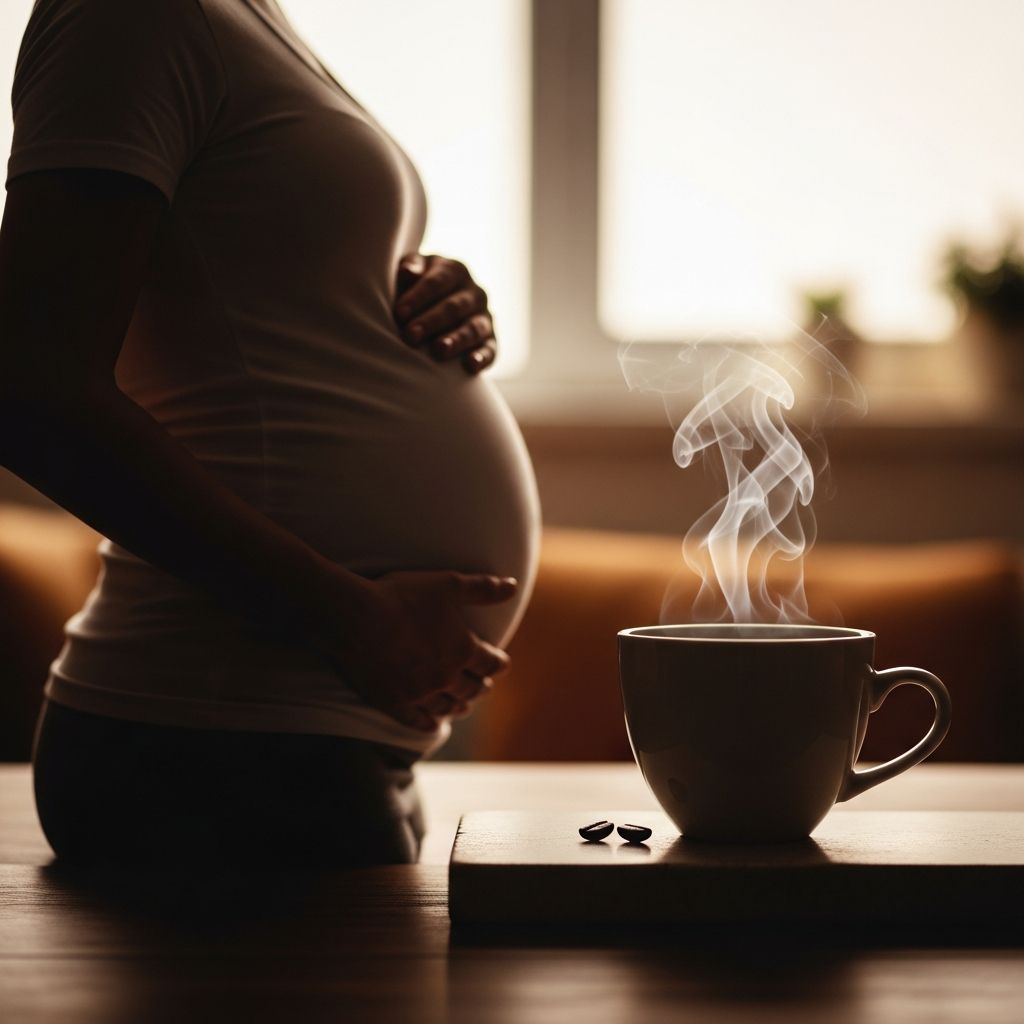
Caffeine, a stimulant found in coffee, tea, soda, and chocolate, crosses the placenta and affects fetal development. Authoritative organizations like the American College of Obstetricians and Gynecologists (ACOG) and March of Dimes recommend limiting intake to under 200 mg daily—roughly one 12-ounce cup of coffee—to minimize risks.
Understanding Caffeine’s Journey Through Your Body During Pregnancy
During pregnancy, your body’s metabolism slows, causing caffeine to linger longer in your system and your baby’s. The fetus lacks the enzymes to fully metabolize it, leading to prolonged exposure. This can elevate fetal heart rate, reduce blood flow to the placenta, and disrupt sleep patterns even before birth.
Pregnant individuals often report heightened sensitivity: small amounts may trigger jitters, insomnia, worsened nausea, or frequent urination. These maternal effects compound concerns for fetal health, prompting strict guidelines from health authorities.
Current Guidelines from Leading Health Authorities
Consensus among experts emphasizes moderation:
- ACOG: Moderate intake (<200 mg/day) shows no major link to miscarriage or preterm birth.
- March of Dimes: Cap at 200 mg/day, equivalent to 1.5 8-oz cups of coffee.
- American Pregnancy Association: Limit to <200 mg/day, noting conflicting studies but prioritizing caution.
- KidsHealth (Nemours): Exceeding 200 mg/day ties to miscarriage and low birth weight risks.
These limits stem from meta-analyses and cohort studies balancing evidence without overstating unproven harms.
How Much Caffeine Lurks in Your Daily Drinks and Snacks?
Caffeine content varies widely by brew strength, brand, and serving size. Use this table to track intake accurately:
| Item | Average Caffeine (mg) | Notes |
|---|---|---|
| 12-oz brewed coffee | 95-200 | Drip or pour-over; darker roasts may have less. |
| 8-oz instant coffee | 60-80 | Quick prep but often weaker. |
| 12-oz cola soda | 30-40 | Diet versions similar. |
| 8-oz black tea | 40-70 | Green tea: 20-45 mg. |
| 2-oz dark chocolate | 20-30 | Milk chocolate: lower at 5-10 mg. |
| Energy drink (8-oz) | 70-100 | Check labels; some exceed 200 mg per can. |
Pro tip: One 12-oz coffee often hits the daily limit, leaving no room for extras. Apps or journals help monitor hidden sources like medications.
Potential Risks: What Science Says About Excess Caffeine
Links to Pregnancy Loss and Growth Issues
High intake (>200-300 mg/day) correlates with elevated risks of miscarriage, stillbirth, preterm birth, and low birth weight in multiple studies. A meta-analysis found every 100 mg extra daily raised low birth weight odds by 3%. Another showed 19% higher pregnancy loss per 150 mg increase.
Cohort data confirm: highest vs. lowest intake groups had 33% greater low birth weight risk (95% CI: 1.12–1.57). Even 100-200 mg/day may heighten miscarriage or growth restriction odds.
Long-Term Effects on Baby’s Health
Beyond gestation, concerns extend to childhood. Maternal intake over 3 cups/day slightly raises acute leukemia risk (RR=1.37). Animal models link in-utero exposure to behavioral changes via altered brain pathways.
Other associations include childhood obesity, cognitive delays, and autism spectrum risks, though human causation remains under study. Preconception exposure may impair implantation, urging caution when trying to conceive.
Conflicting Evidence and Why Caution Prevails
Not all studies agree—some find no preterm birth link up to 200 mg. ACOG notes moderate use isn’t a ‘major factor,’ but variability in self-reported data and confounders like smoking necessitate conservative advice.
Decoding the Science: Human Studies vs. Animal Models
Epidemiological reviews highlight dose-response: risks climb with intake. Rodent studies amplify this, showing even ‘low’ human-equivalent doses (1-2 cups) disrupt implantation, cardiac development, and placental flow.
Human relevance: caffeine halves placental blood flow post-two cups in late pregnancy, explaining growth restriction. These insights drive guidelines despite imperfect data.
Practical Tips for Cutting Back Without the Withdrawal
Quitting cold turkey risks headaches; taper gradually over weeks. Strategies include:
- Switch brews: Opt for half-caff blends or decaf (2-5 mg/cup).
- Herbal swaps: Chamomile, peppermint, or rooibos teas (caffeine-free).
- Flavor boosts: Add cinnamon, vanilla, or almond milk to decaf.
- Hydrate more: Water or sparkling with fruit counters cravings.
- Timing matters: Morning only; avoid post-noon for sleep.
Track symptoms: if anxiety or reflux worsens, consult your OB-GYN for personalized plans.
Breastfeeding: Does Caffeine Follow Baby Home?
Transfer and Infant Effects
About 1% of maternal caffeine enters breast milk, peaking 1-2 hours post-intake. Babies metabolize it slowly, risking fussiness, poor sleep, or colic-like symptoms.
Postpartum Guidelines
Same 200-300 mg cap applies; monitor baby’s cues. Premature or small infants are most sensitive—limit further if irritability appears.
Alternatives to Keep Your Routine Buzz-Free
| Beverage | Caffeine (mg/8 oz) | Benefits |
|---|---|---|
| Decaf coffee | <5 | Tastes similar; retains antioxidants. |
| Rooibos tea | 0 | Rich in minerals; earthy flavor. |
| Ginger tea | 0 | Eases nausea; anti-inflammatory. |
| Golden milk (turmeric latte) | 0 | Warming; supports immunity. |
| Fruit-infused water | 0 | Hydrating; natural sweetness. |
These mimic rituals without risks, preserving enjoyment.
Frequently Asked Questions About Caffeine in Pregnancy
Is any caffeine safe during pregnancy?
Yes, up to 200 mg/day is deemed low-risk by ACOG and others, but zero eliminates concerns.
Does decaf coffee have caffeine?
Trace amounts (2-12 mg/cup); safe in moderation.
Can caffeine cause morning sickness?
It may exacerbate nausea or reflux for sensitive individuals.
What if I accidentally exceed the limit?
One day won’t harm; focus on averages. Consult your doctor if worried.
Is caffeine in chocolate a concern?
Minimal (20-30 mg/oz dark); fine within totals.
Should I quit caffeine before trying to conceive?
Evidence suggests limiting preconception to aid implantation.
Empowering Choices for a Healthy Pregnancy
Moderation empowers: know your intake, heed guidelines, and swap wisely. Discuss with your healthcare provider for tailored advice amid evolving research. Prioritizing these steps supports optimal outcomes for you and baby.
References
- Coffee consumption during pregnancy — what the gynecologist … — Ginekologia Polska. 2022. https://journals.viamedica.pl/ginekologia_polska/article/view/GP.a2022.0061
- Impacts of Caffeine during Pregnancy – PMC – NIH — National Center for Biotechnology Information. 2020-02-12. https://pmc.ncbi.nlm.nih.gov/articles/PMC7035149/
- Caffeine during pregnancy and breastfeeding — Pregnancy Birth & Baby. Accessed 2026. https://www.pregnancybirthbaby.org.au/caffeine-during-pregnancy
- Coffee and Caffeine Use During Pregnancy | Nemours KidsHealth — KidsHealth. Accessed 2026. https://kidshealth.org/en/parents/preg-caffeine.html
- Caffeine While Pregnant – American Pregnancy Association — American Pregnancy Association. Accessed 2026. https://americanpregnancy.org/healthy-pregnancy/is-it-safe/caffeine-and-pregnancy/
- Moderate Caffeine Consumption During Pregnancy – ACOG — American College of Obstetricians and Gynecologists. 2010-08. https://www.acog.org/clinical/clinical-guidance/committee-opinion/articles/2010/08/moderate-caffeine-consumption-during-pregnancy
- Caffeine in pregnancy | March of Dimes — March of Dimes. Accessed 2026. https://www.marchofdimes.org/find-support/topics/pregnancy/caffeine-pregnancy
- Brain changed by caffeine in utero, study finds | URMC Newsroom — University of Rochester Medical Center. Accessed 2026. https://www.urmc.rochester.edu/news/story/brain-changed-by-caffeine-in-utero-study-finds