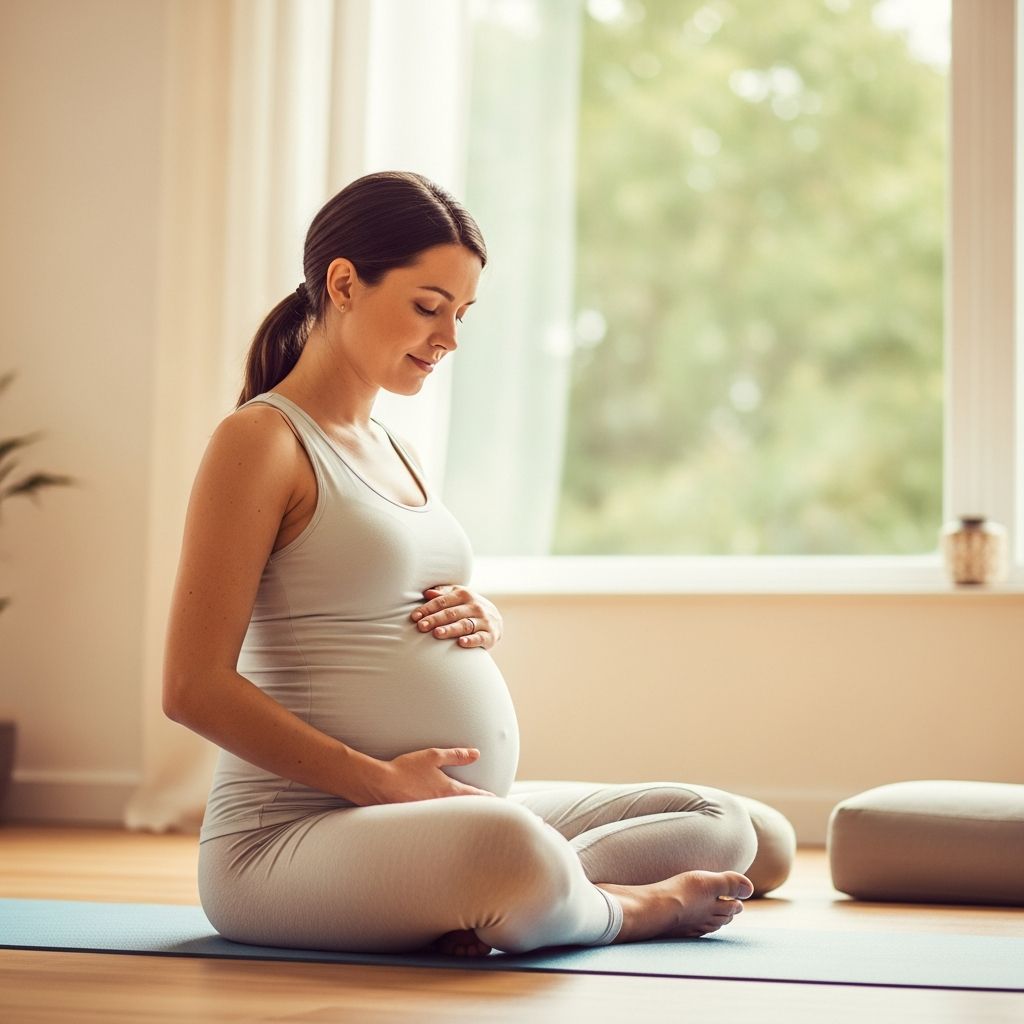
Prenatal yoga offers expectant mothers a gentle yet powerful way to nurture both body and mind throughout pregnancy. This adapted form of yoga emphasizes safe poses, mindful breathing, and relaxation techniques tailored to the changing needs of pregnancy. Research shows it can significantly lower stress, enhance physical strength, and contribute to positive birth experiences.
Why Prenatal Yoga Stands Out During Pregnancy
Pregnancy brings profound physical and emotional shifts, often accompanied by discomforts like back pain, fatigue, and anxiety. Prenatal yoga addresses these holistically by combining stretching, strengthening exercises, and meditation. Unlike general fitness routines, it prioritizes safety, avoiding high-risk movements while focusing on pelvic floor support and spinal alignment.
Studies indicate that regular practice leads to measurable improvements in maternal well-being. For instance, women engaging in prenatal yoga report better sleep quality and reduced incidence of common pregnancy ailments. This practice also fosters a deeper connection with the growing baby, promoting emotional resilience during this transformative phase.
Key Physical Advantages for Expectant Mothers
Prenatal yoga builds strength in muscles crucial for labor, such as the core, hips, and legs. Poses like cat-cow stretches relieve lower back tension, a frequent complaint as the belly expands. It also alleviates nausea by improving circulation and digestion through gentle twists and forward bends.
- Back Pain Relief: Targeted poses elongate the spine and open the hips, reducing pressure on the lumbar area.
- Enhanced Flexibility: Stretching improves range of motion, easing tightness in the pelvis and legs.
- Better Circulation: Inversions and leg elevations help prevent swelling in the ankles and feet.
- Pelvic Floor Strengthening: Bridges and squats support bladder control and labor efficiency.
Evidence from clinical trials confirms these benefits. One study found decreased rates of carpal tunnel syndrome and headaches among participants. Additionally, it lowers the risk of preterm labor and intrauterine growth restriction by optimizing blood flow to the uterus.
Mental and Emotional Wellness Boost
The meditative aspects of prenatal yoga are equally vital. Deep breathing techniques activate the parasympathetic nervous system, countering the fight-or-flight response heightened by pregnancy hormones. Post-session stress levels drop significantly, with one trial reporting a p-value of 0.018 in the yoga group compared to controls.
Psychological resilience improves markedly, enabling better coping with pregnancy challenges. Women practicing yoga show higher resilience scores (p=0.014), correlating with fewer mood disturbances. Anxiety and depression symptoms diminish, particularly with 12 or more sessions.
| Outcome | Yoga Group Improvement | Statistical Significance | Source |
|---|---|---|---|
| Stress Levels | Significant decrease | p=0.018 | |
| Psychological Resilience | Higher scores | p=0.014 | |
| Anxiety/Depression | Reduced | Low to moderate evidence |
Sleep quality enhances as relaxation practices calm the mind, countering insomnia common in later trimesters.
Optimizing Labor and Delivery Outcomes
Prenatal yoga prepares the body for childbirth by shortening labor duration and increasing vaginal delivery rates. In a comparative study, the yoga group had a shorter second stage of labor (p=0.010) and higher vaginal birth rates (73.44% vs. 55.22%, p=0.030).
Interventions lowered interventions like forceps (p=0.020), episiotomy (p=0.016), oxytocin use (p=0.019), and cesareans (p=0.030). Meta-analyses support this, showing up to 2 hours shorter labor and 2.5 times higher normal birth likelihood.
- Shorter Labor: Efficient breathing and positioning aid contractions.
- Fewer Interventions: Stronger pelvic muscles reduce assisted delivery needs.
- Higher Comfort: Familiar poses during labor ease pain.
These outcomes stem from consistent practice, ideally 12+ weekly/bi-weekly sessions over 60 minutes each.
Essential Poses for Each Trimester
First Trimester: Building Foundations
Focus on gentle warm-ups to combat nausea. Child’s pose restores energy, while seated forward bends calm the nervous system.
Second Trimester: Strength and Balance
Warrior II builds leg endurance; cat-cow enhances spinal mobility. Side stretches open the ribcage for better breathing.
Third Trimester: Preparation and Release
Squats strengthen the pelvis; supported bridge eases back pain. Legs-up-the-wall reduces swelling.
Always modify with props like blocks and bolsters for comfort and safety.
Breathing Techniques for Calm and Control
Ujjayi breath (ocean breath) oxygenates muscles during practice. Alternate nostril breathing balances emotions. Labor breathing—slow inhales through the nose, exhales through the mouth—mimics contraction rhythms, reducing perceived pain.
Practice daily: Inhale for 4 counts, hold 4, exhale 6. This pattern lowers cortisol and boosts endorphins.
Getting Started: Safety Guidelines
Consult your healthcare provider before beginning, especially with high-risk conditions like preeclampsia. Choose certified prenatal instructors; classes provide community support and proper form.
- Start slow: 20-30 minutes, 2-3 times weekly.
- Avoid:
- Deep twists or backbends.
- Overheating or prone positions after first trimester.
- Belly-compressing poses.
Home practice is effective with online resources, but group sessions enhance motivation.
Sample Weekly Routine
| Day | Focus | Duration | Key Poses |
|---|---|---|---|
| Monday | Strength | 30 min | Warrior, Squats |
| Wednesday | Flexibility | 45 min | Cat-Cow, Pigeon |
| Friday | Relaxation | 20 min | Child’s Pose, Meditation |
| Sunday | Full Flow | 60 min | Mix + Breathing |
Real Stories: Transformations Through Practice
Expectant mothers often share profound changes. “Prenatal yoga turned my restless nights into peaceful rest,” says one participant. Another notes, “I labored confidently, using breathwork to stay present—resulting in a smooth vaginal birth without interventions.” These align with research showing 31.57% stress reduction at 36 weeks.
Frequently Asked Questions (FAQs)
Is prenatal yoga safe for beginners?
Yes, it’s designed for all levels with modifications. Start under guidance to ensure proper alignment.
When should I begin prenatal yoga?
Second trimester is ideal, but first-trimester gentle practice combats early nausea. Avoid if contraindicated.
How often should I practice?
Aim for 2-3 sessions weekly; 12+ total yields best results for stress and birth outcomes.
Can prenatal yoga prevent preterm labor?
It reduces risk by lowering stress and improving circulation, per studies.
What if I feel dizzy during class?
Stop, sit, and breathe deeply. Dehydration or low blood sugar may cause it—snack beforehand.
Integrating Prenatal Yoga into Daily Life
Beyond classes, weave yoga into routines: Morning sun salutations energize, evening wind-downs aid sleep. Partner involvement strengthens bonds; gentle massages complement poses. Track progress in a journal to note reduced pain or better mood.
For optimal results, combine with nutrition and prenatal checkups. This synergistic approach maximizes health for mother and baby.
Prenatal yoga empowers women to embrace pregnancy actively, fostering resilience and joy. Its evidence-based benefits make it a cornerstone of modern maternal care.
References
- The Impact of Prenatal Yoga Exercise on the Stress Levels… — IMR Press. 2025-04-15. https://www.imrpress.com/journal/ceog/52/4/10.31083/CEOG26130
- The characteristics and effectiveness of pregnancy yoga interventions — PMC (NCBI). 2022-04-01. https://pmc.ncbi.nlm.nih.gov/articles/PMC8957136/
- Prenatal Yoga — American Pregnancy Association. 2024-06-10. https://americanpregnancy.org/healthy-pregnancy/pregnancy-health-wellness/prenatal-yoga/
- Women’s Wellness: What you need to know about prenatal yoga — Mayo Clinic News Network. 2023-11-20. https://newsnetwork.mayoclinic.org/discussion/womens-wellness-what-you-need-to-know-about-prenatal-yoga/
- Prenatal Yoga: The Right Choice for Mother and Baby — Grand Valley State University ScholarWorks. 2015-04-24. https://scholarworks.gvsu.edu/cgi/viewcontent.cgi?article=1088&context=honorsprojects